Hops (Humulus lupulus) – Fast-Growing Privacy Screen for Pergolas and Fences
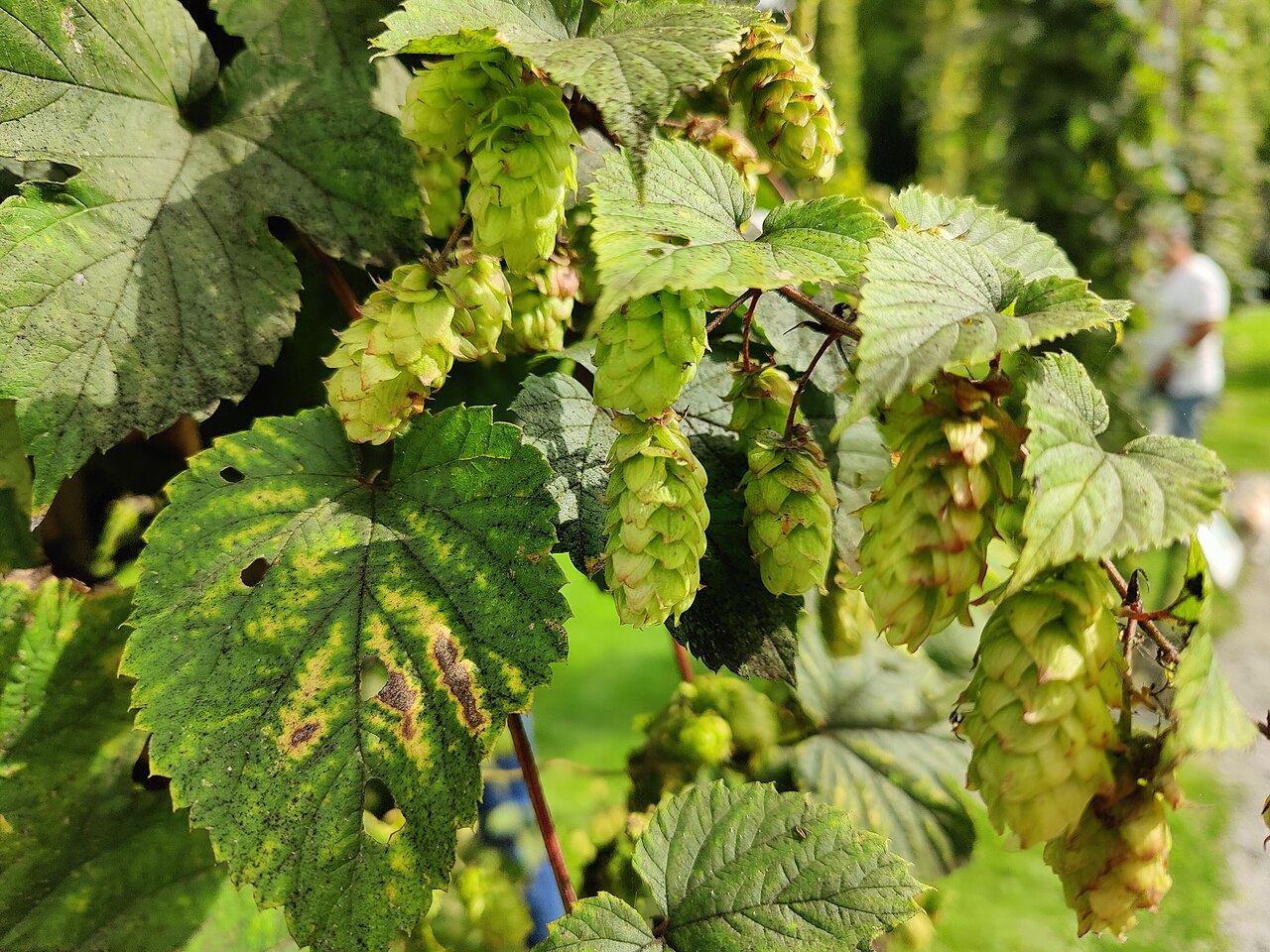
Hops (Humulus lupulus) – Fast-Growing Privacy Screen for Pergolas and Fences
Hops (Humulus lupulus) are among the fastest-growing climbing plants of all — under ideal conditions they can put on up to 20 centimetres a day and reach heights of six to eight metres in a single season. That makes them the undisputed sprinter of climbing plants and the perfect choice if you want a natural privacy screen, a shady pergola, or a green arbor in a hurry.
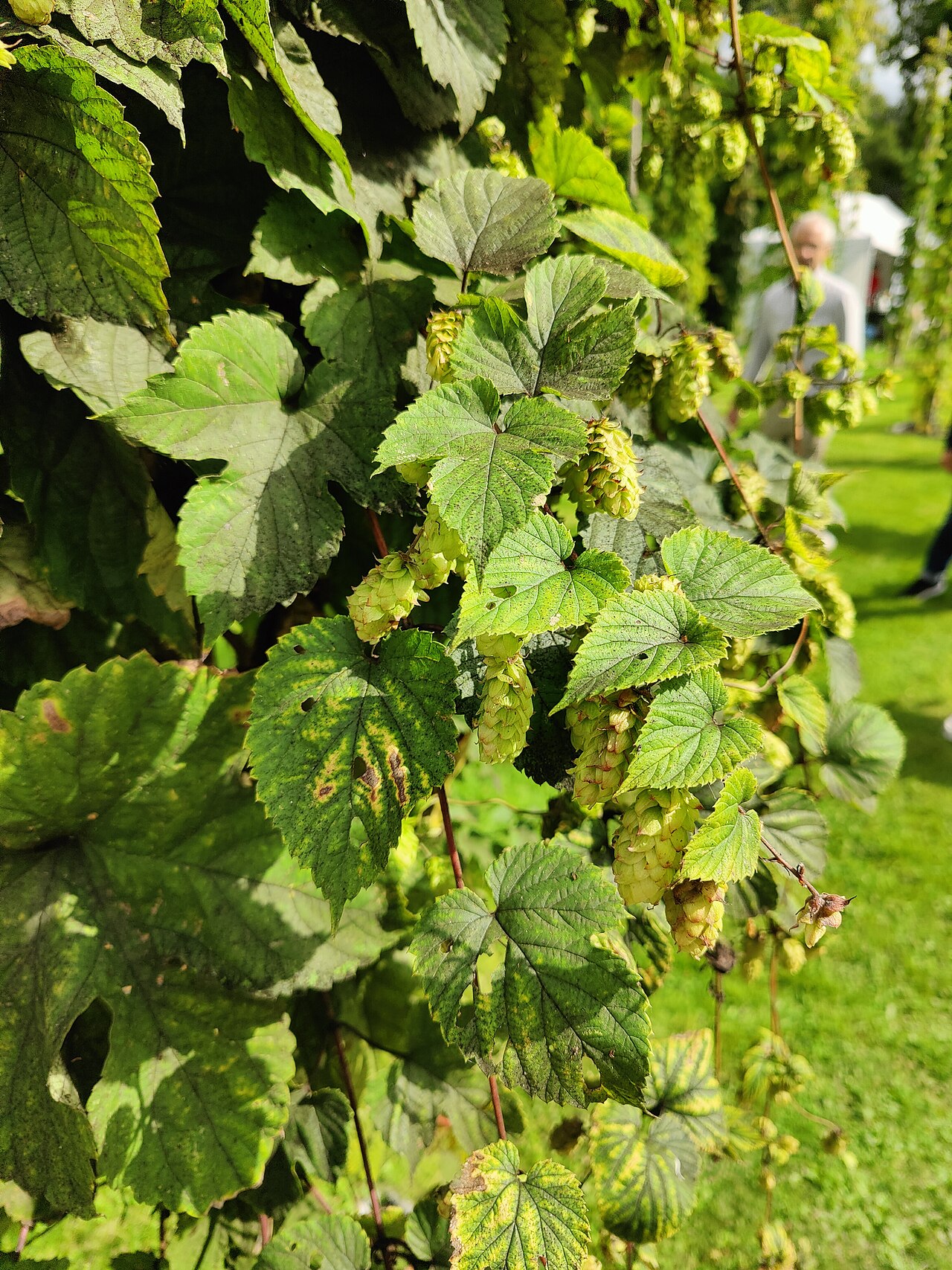
Hops are a perennial, herbaceous climber that dies back above ground in winter and resprouts from its sturdy rhizome each spring. The plant is dioecious — there are male and female plants. Only the female plants produce the characteristic cone-shaped flower clusters used in beer brewing.
Location and Soil Requirements
Hops love sun and warmth. A sunny to partly shaded, warm location is ideal. The soil should be deep, nutrient-rich, and moist, but not waterlogged. As heavy feeders, hops need plenty of nutrients — poor sandy soils should be generously enriched with compost and organic fertilizer before planting.
Plant in spring (April/May). The planting hole should be generously sized (40 × 40 × 40 cm). A rhizome barrier can be worthwhile, since hops spread vigorously through their root system.
Support and Climbing Habit
Hops are twining climbers — they wrap their shoots around their support. Unlike tendril climbers, they wind clockwise around poles, ropes, and wires. The support should be sturdy, at least three metres tall, and substantial enough to bear the plant’s weight. Trellises, taut wire ropes, sturdy cords, or pergolas all work well.
The young shoots need to be gently guided in the desired direction during the first few weeks. Once established, hops will continue climbing on their own.
Care and Fertilizing
Hops are extremely heavy feeders. Weekly feeding with an organic liquid fertilizer during the growth phase from May to August is recommended. Horn shavings or well-rotted compost in spring provide a solid base. A layer of mulch retains soil moisture and suppresses weeds.
Hops need a lot of water, especially during their main growth phase in June and July. Daily watering may be necessary during hot weather. However, waterlogging must be avoided — drainage in the planting hole helps prevent it.
In autumn, after the first frost, the above-ground shoots die back and are cut down to ground level. The root system is completely hardy and will resprout the following spring.
The Best Hops Varieties for the Garden
- Humulus lupulus ‘Aureus’: Golden hops with bright golden-yellow foliage. Especially decorative, though somewhat less vigorous than the green species. Perfect as an ornamental plant.
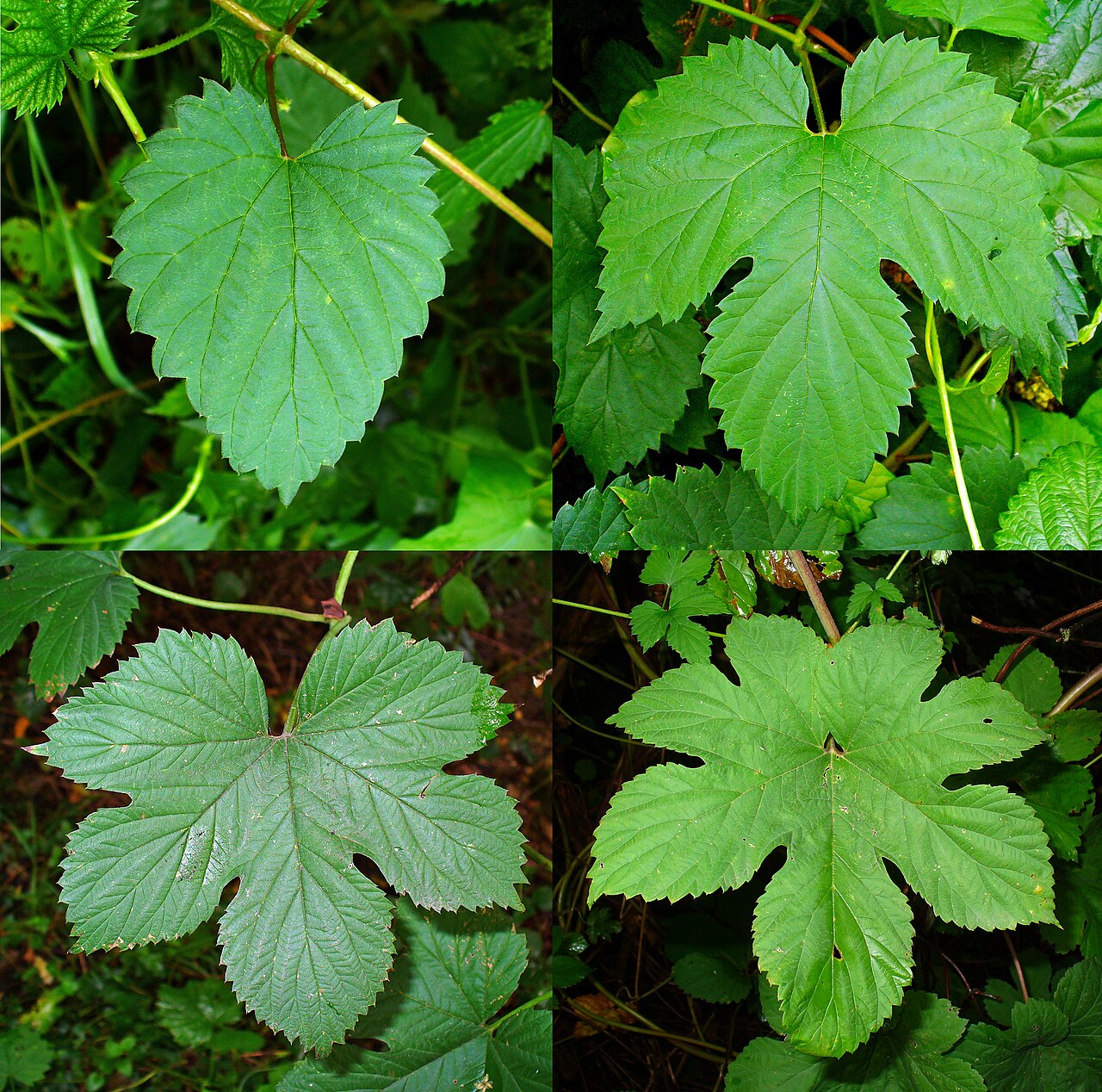
- Humulus lupulus: The green wild form, robust and extremely vigorous. Ideal for covering large areas and quick privacy screening.
- Humulus lupulus ‘Cascade’: An aromatic brewing variety with a citrusy scent. Also of interest to home brewers.
Ecological Value
Hops are ecologically valuable. The dense foliage provides nesting sites and shelter for birds. The leaves serve as food for the caterpillars of various butterfly species, including the peacock butterfly and the small tortoiseshell.
Bottom Line: The Turbo-Charged Climber
For anyone who wants a natural privacy screen, a shady pergola, or simply an impressive climbing plant in a hurry, hops are the top choice. Within just a few weeks, they transform bare fences and frames into green walls. Gardeners willing to meet its high nutrient and water demands will be rewarded with one of the fastest and lushest climbers in the plant kingdom.