Passion Flower (Passiflora caerulea) – Exotic Climbing Plant for Sunny Spots
Passion Flower (Passiflora caerulea) – Exotic Climbing Plant for Sunny Spots
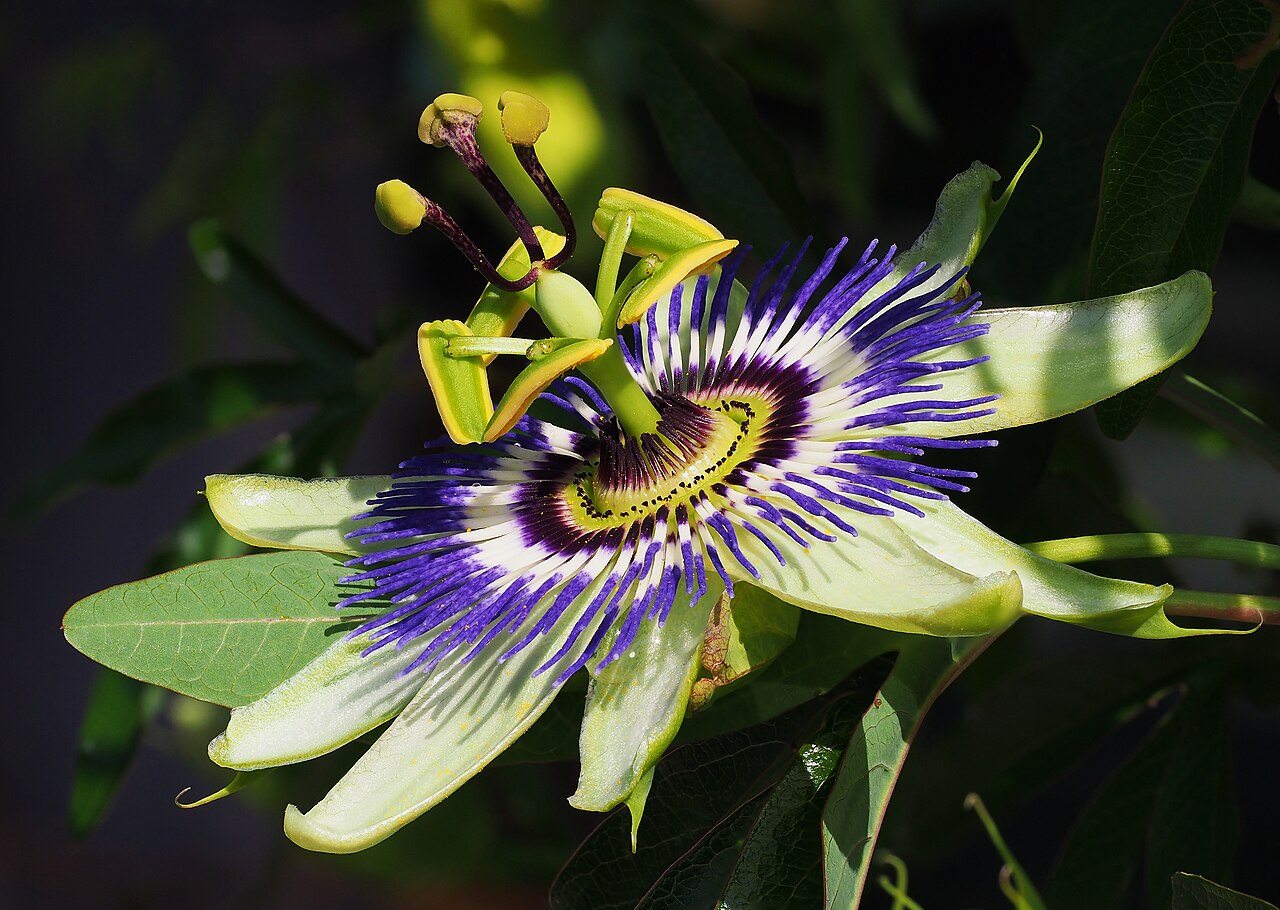
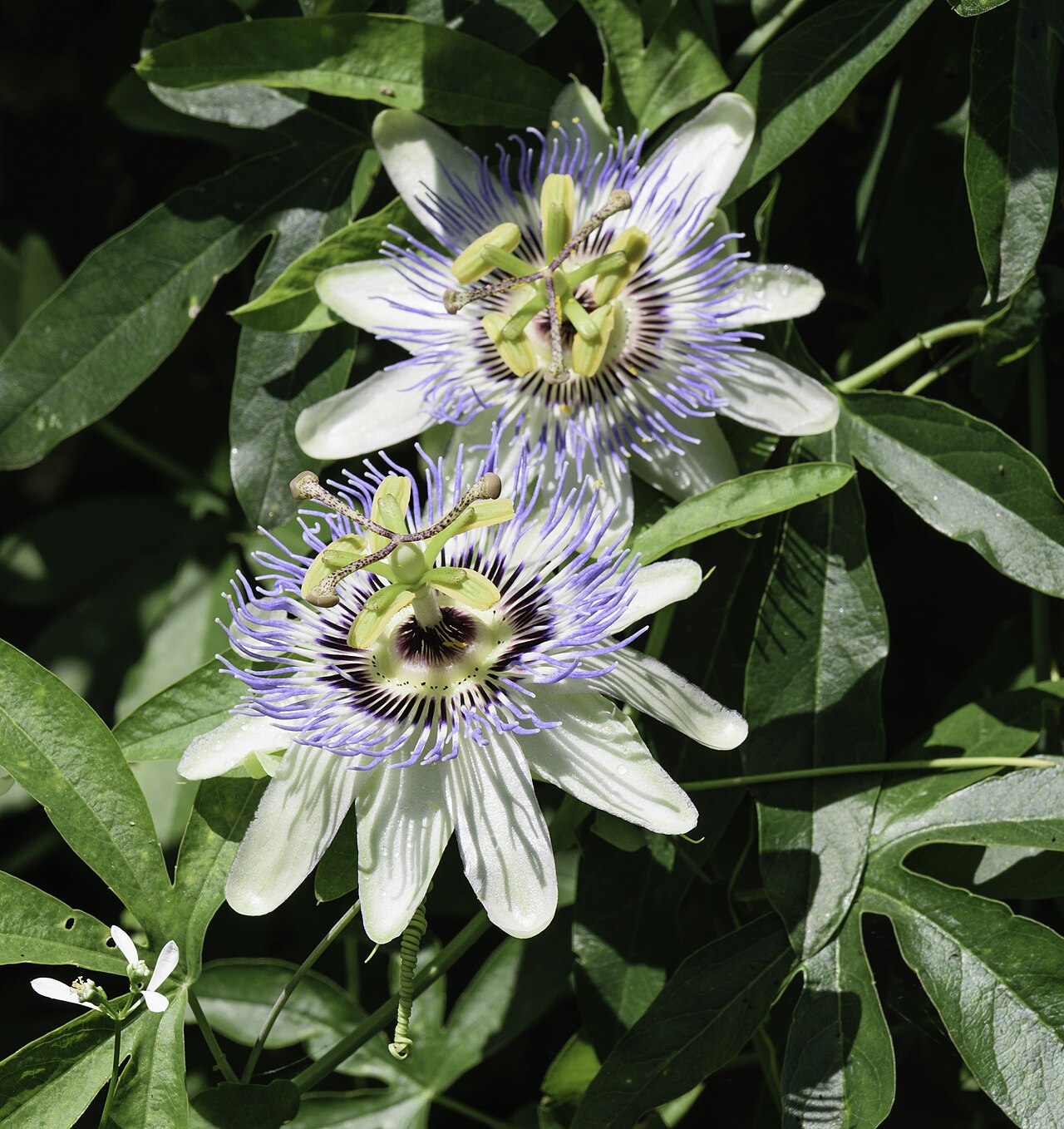
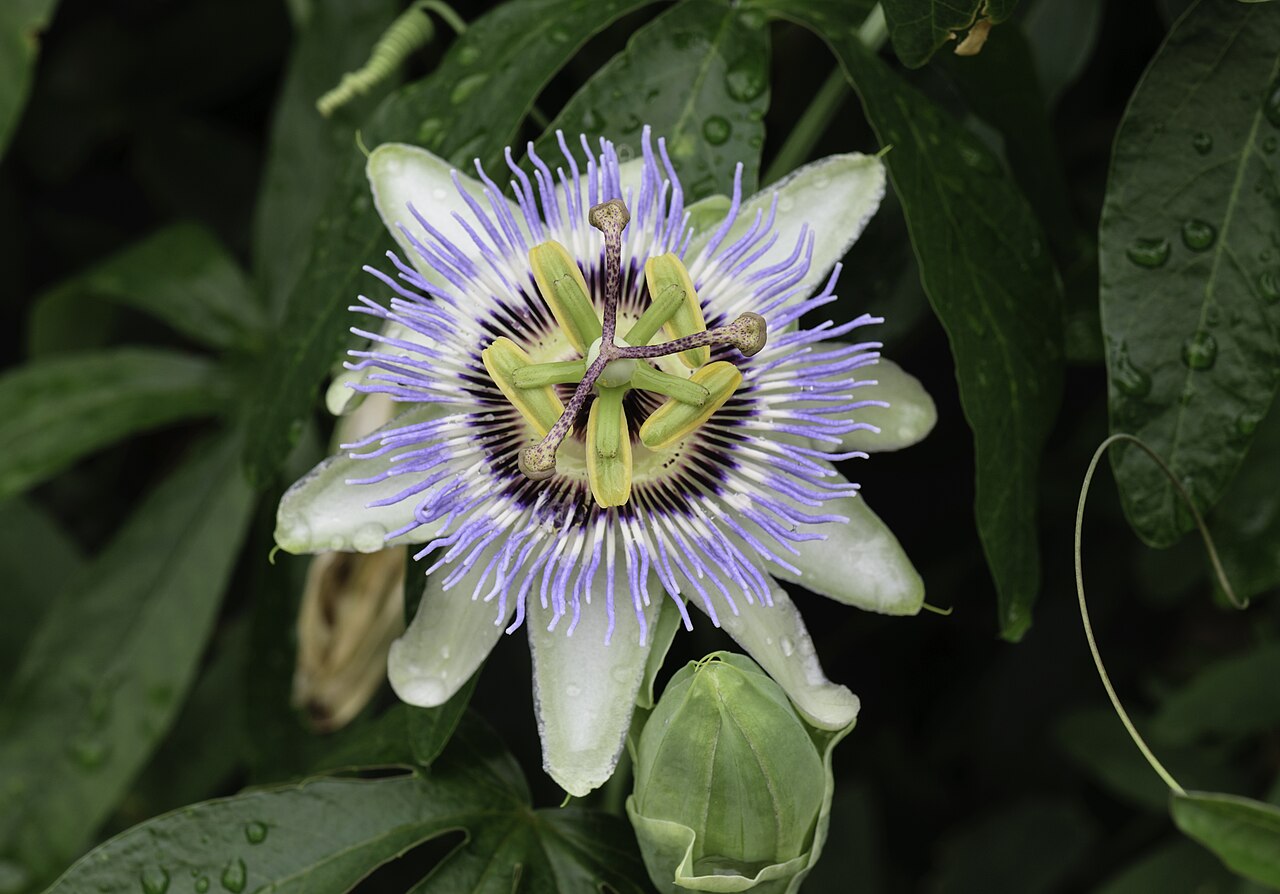
The passion flower (Passiflora caerulea) is one of the most fascinating climbing plants that can be grown in Central European gardens. Its extraordinary, almost surreal blooms — with their delicate crown of filaments, five stamens, and three stigmas — captivate anyone who sees them. Spanish missionaries in South America saw in this flower structure the symbols of the Passion of Christ, which is how the passion flower got its name.
Of the more than 500 Passiflora species, Passiflora caerulea is the hardiest, making it the only one that can overwinter outdoors in sheltered locations in Central Europe. It originates from southern Brazil and Argentina.
Location and Soil
The passion flower loves warmth and full sun. A location in full sun and sheltered from wind — ideally against a warm south-facing wall — is essential for abundant flowering and good winter hardiness. The soil should be well-drained, nutrient-rich, and humus-rich. Waterlogging is its greatest enemy, especially in winter.
For container growing, use high-quality container compost mixed with some sand or perlite for better drainage. A drainage layer of expanded clay or gravel at the bottom of the pot is essential.
Planting and Support
Plant outdoors in May, after the last frosts. The passion flower is a tendril climber — it climbs using tendrils that actively search for something to grip. Trellises, wires, fences, or pergolas all make suitable supports. Its thin tendrils cannot wrap around thick wooden posts — fine structures with a maximum diameter of about one centimetre work best.
In a container, the passion flower needs a pot with a capacity of at least 10 litres. The larger the pot, the better the winter hardiness — and the more lush the flowering.
Care and Fertilizing
The passion flower is a heavy feeder during its growth phase from May to September. Weekly applications of a potassium-rich liquid fertilizer promote flower formation. Outdoors, a monthly application of compost is sufficient. Spent flowers do not need to be deadheaded — the plant cleans up after itself. Regular watering is important, but waterlogging must be avoided at all costs.
Overwintering – The Critical Point
The winter hardiness of Passiflora caerulea is often cited as -10 to -15°C. In practice, it survives even colder winters in sheltered locations (such as wine-growing climates) if the root zone is well protected. What matters most is not cold tolerance but winter wet — wet roots in winter mean certain death.
Winter protection measures: cover the root zone with a thick layer of leaves and brushwood. For container plants, wrap the pot in burlap or bubble wrap and place it against a sheltered house wall. The above-ground shoots often die back in harsh winters — this is normal, and the plant will resprout from the base in spring.
Harvest and Uses
The exotic flowers give way to orange, egg-shaped fruits in late summer. They are edible but less flavorful than those of the tropical passion fruit (Passiflora edulis). The taste is mildly sweet. The flowers are more interesting — they can also be used to make tea.
Bottom Line: Exotic Flair for Sunny Gardens
The passion flower is the perfect climbing plant for anyone seeking something special. With its incomparable blooms, fast growth, and suitability for containers and conservatories, it is a highlight for any sunny spot. With the right winter protection, it rewards you year after year with an exotic floral display.
This article may contain affiliate links. If you purchase a product through one of these links, Plantgecko may earn a commission at no extra cost to you. This never influences our editorial independence or which products we recommend.