Boxwood Alternatives: The Best Evergreen Shrubs for Beds and Hedges
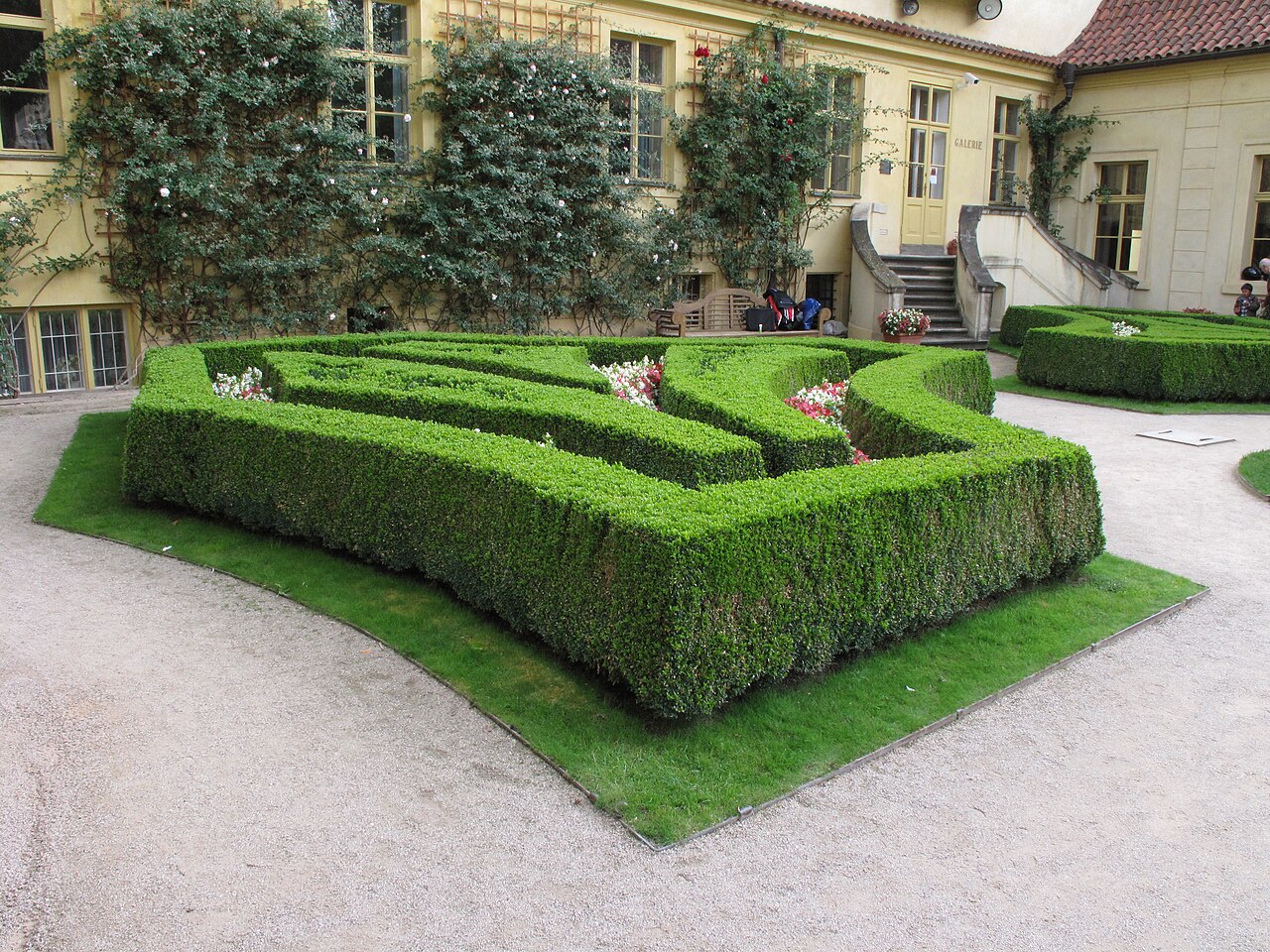
Why Gardeners Are Looking Beyond Boxwood
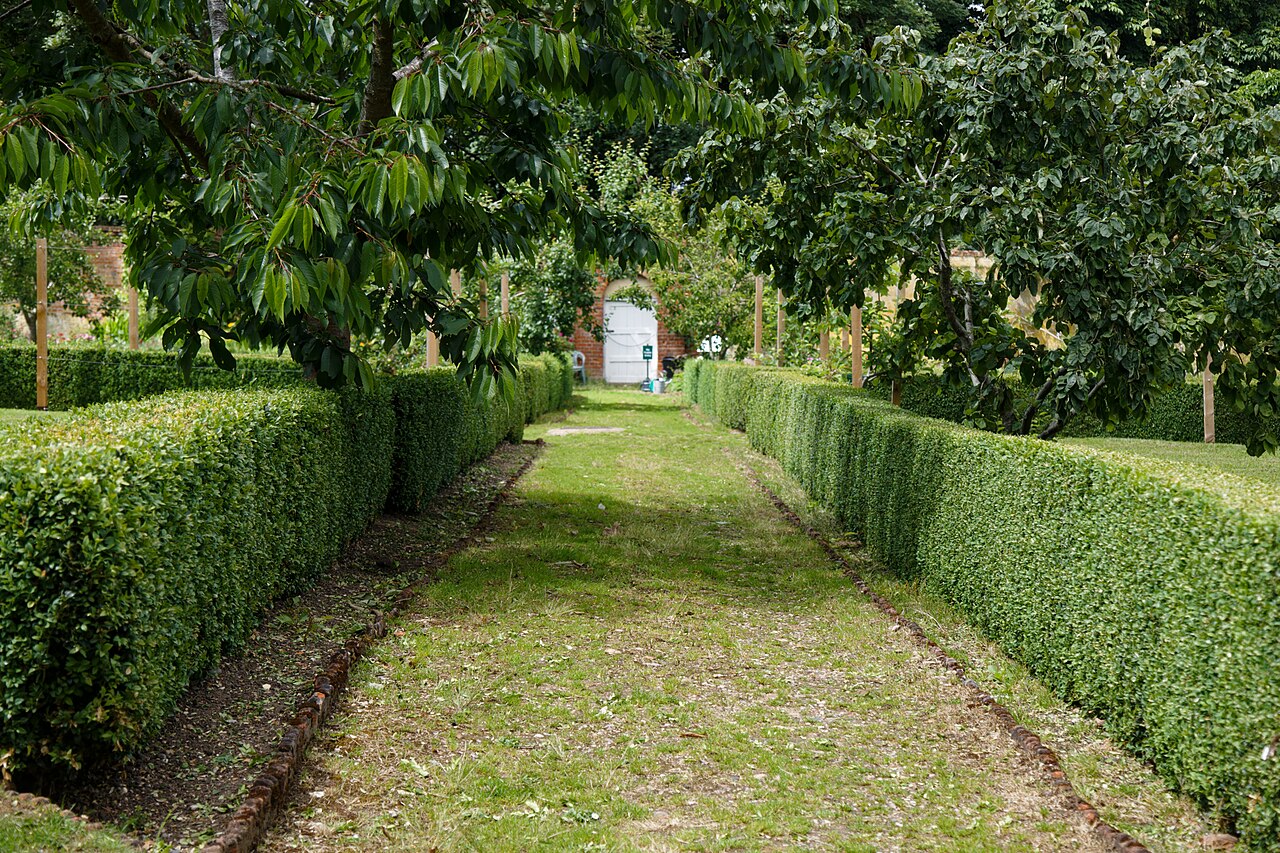
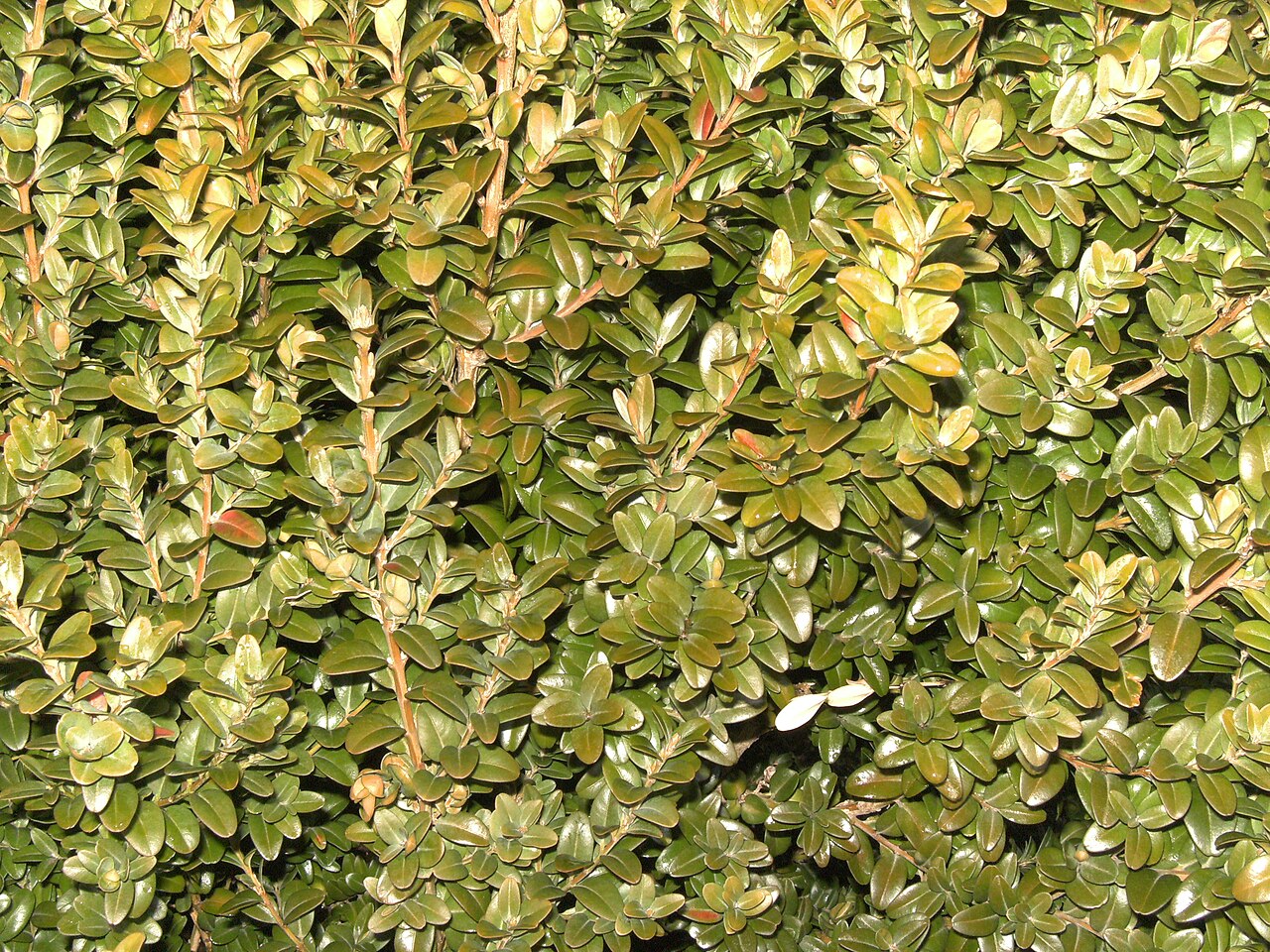
Boxwood (Buxus sempervirens) has been the default choice for clipped hedges and formal edging for centuries, thanks to its small, dense evergreen leaves and tolerance of hard pruning. In recent years, though, boxwood blight (a fungal disease that causes rapid leaf drop and dieback) and boxwood leafminer have made many gardeners look for substitutes that offer a similar look with fewer headaches. The good news is there are several evergreen shrubs that mimic boxwood’s fine texture and shearing tolerance.
Japanese Holly (Ilex crenata)
Japanese holly is probably the closest visual match to boxwood, with small, glossy, rounded leaves that are easily mistaken for the real thing from a short distance. It tolerates shearing into tight balls, cones, or hedges, grows in full sun to partial shade, and prefers moist, well-drained, slightly acidic soil. Unlike English holly, it has no spines, making it pleasant to work around and maintain.
Inkberry Holly (Ilex glabra)
A North American native, inkberry holly offers a looser, slightly coarser texture than boxwood but responds well to shaping and tolerates wetter soil than most boxwood substitutes, making it useful in low-lying or poorly drained spots. Compact cultivars bred to resist the legginess of older varieties hold a tidy, rounded form with minimal pruning.
Dwarf Yaupon Holly and Compact Yew
Dwarf yaupon holly (Ilex vomitoria ‘Nana’) is a strong choice in warmer regions, tolerating heat, drought, and poor soil far better than boxwood once established, and it naturally forms a dense, rounded mound that needs little shearing to look formal. In colder climates, compact yew cultivars (Taxus spp.) provide a soft, dark green, fine-textured alternative that shears beautifully, though yew prefers well-drained soil and, like boxwood, resents waterlogged roots.
Choosing and Planting an Alternative
- Match mature size to your space; many “dwarf” cultivars still reach a meter or more, so check labels before planting a formal hedge.
- Ensure good soil drainage regardless of species, since root rot is a common failure point for most boxwood substitutes as well.
- Space plants according to the mature width of the cultivar, slightly closer than usual, if you want the hedge to knit together quickly.
- Prune young plants lightly and regularly from the start to encourage dense branching low down, rather than waiting years and then shearing hard.
None of these substitutes is a perfect drop-in replacement in every climate and soil type, but trialing one or two in a small section of a bed before committing to a full hedge is a low-risk way to find what performs best in your particular garden.
Comparison: Best Boxwood Alternatives to Buy
The species discussed above, compared for quick shopping.
| Product | Price Tier | Key Differentiator | Best For |
|---|---|---|---|
| Ilex crenata (Japanese Holly) | $$ | Closest visual match to boxwood; spineless | Formal hedges or topiary in mild climates |
| Ilex glabra (Inkberry Holly) | $$ | Native species, tolerates wetter soil than boxwood | Low-lying or poorly drained beds |
| Ilex vomitoria ‘Nana’ (Dwarf Yaupon) | $ | Heat- and drought-tolerant, self-rounding form | Hot, dry climates with poor soil |
| Taxus x media (Compact Yew) | $$$ | Soft, dark-green fine texture, very cold-hardy | Northern climates wanting a boxwood look |
This article may contain affiliate links. If you purchase a product through one of these links, Plantgecko may earn a commission at no extra cost to you. This never influences our editorial independence or which products we recommend.