Planting and Caring for Lilac (Syringa vulgaris) – Fragrant Blossom Splendor
Planting and Caring for Lilac (Syringa vulgaris) – Fragrant Blossom Splendor for the Spring Garden
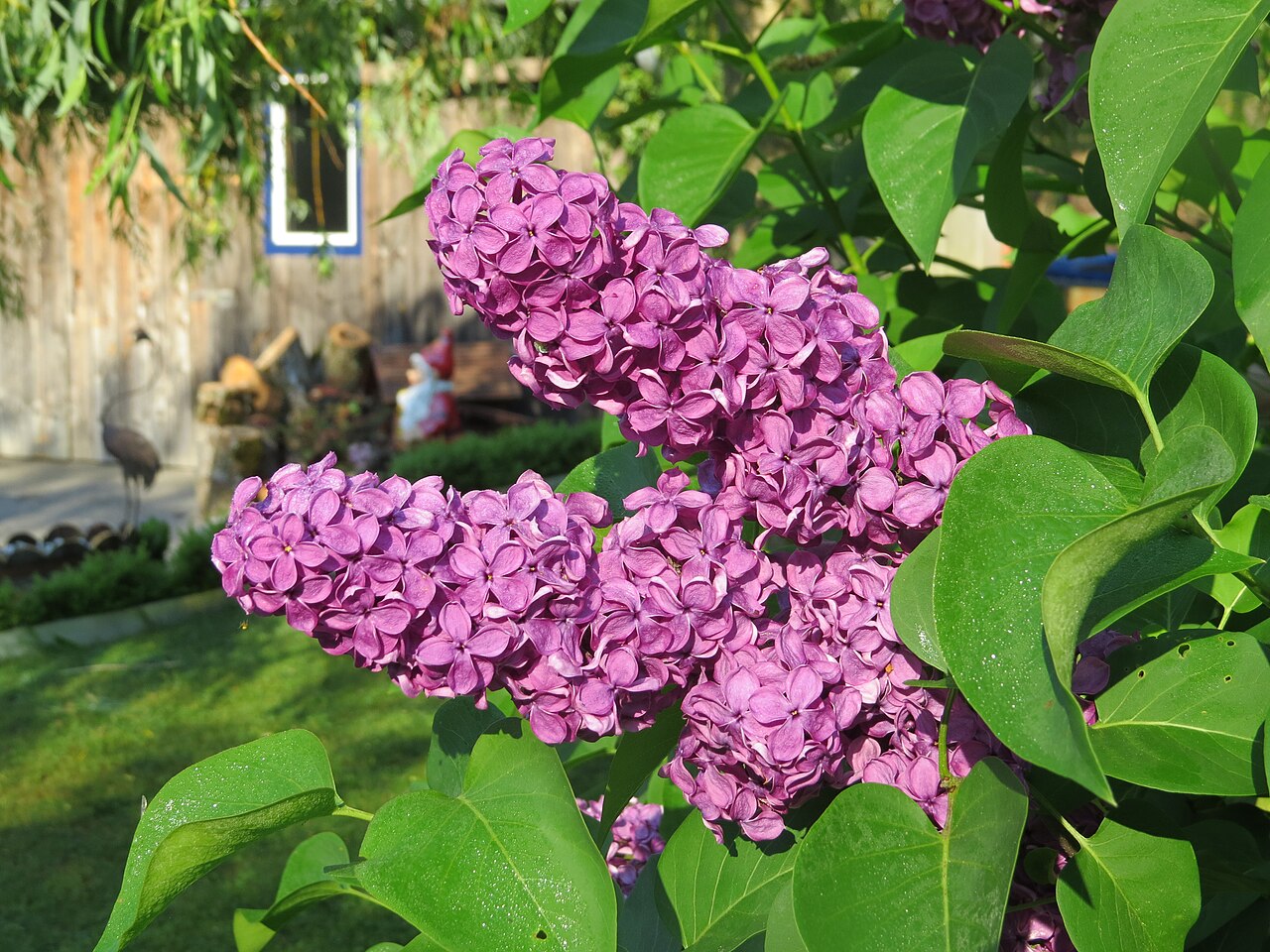
When lilac (Syringa vulgaris) opens its blossoms in May, spring has reached its high point. For many people, the captivating fragrance of its lush flower panicles is inseparably linked to childhood memories and garden happiness. Common lilac, also known as farmhouse lilac, is one of the most popular flowering shrubs of all — not only for its scent, but also for its longevity and toughness. Once properly planted, a lilac bush can easily live for 50 years or more.
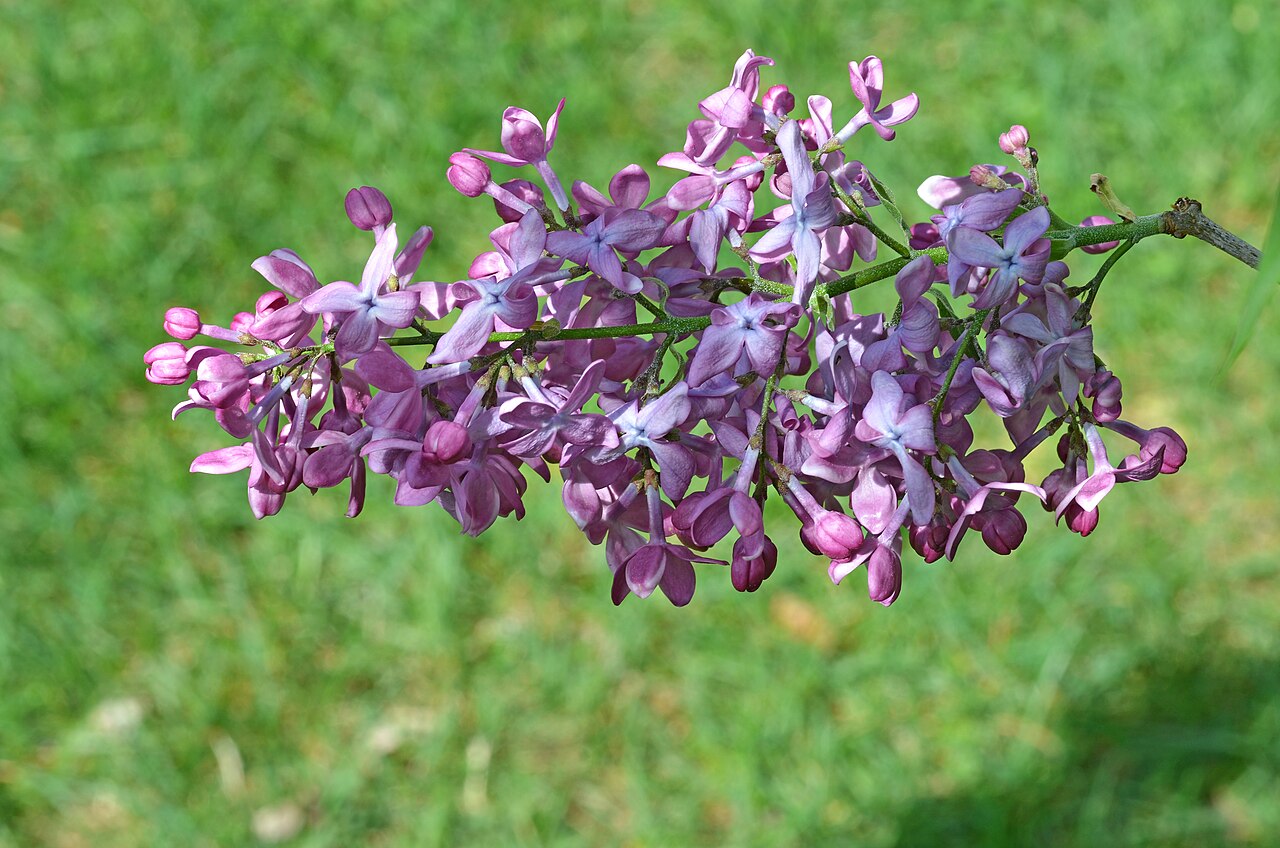
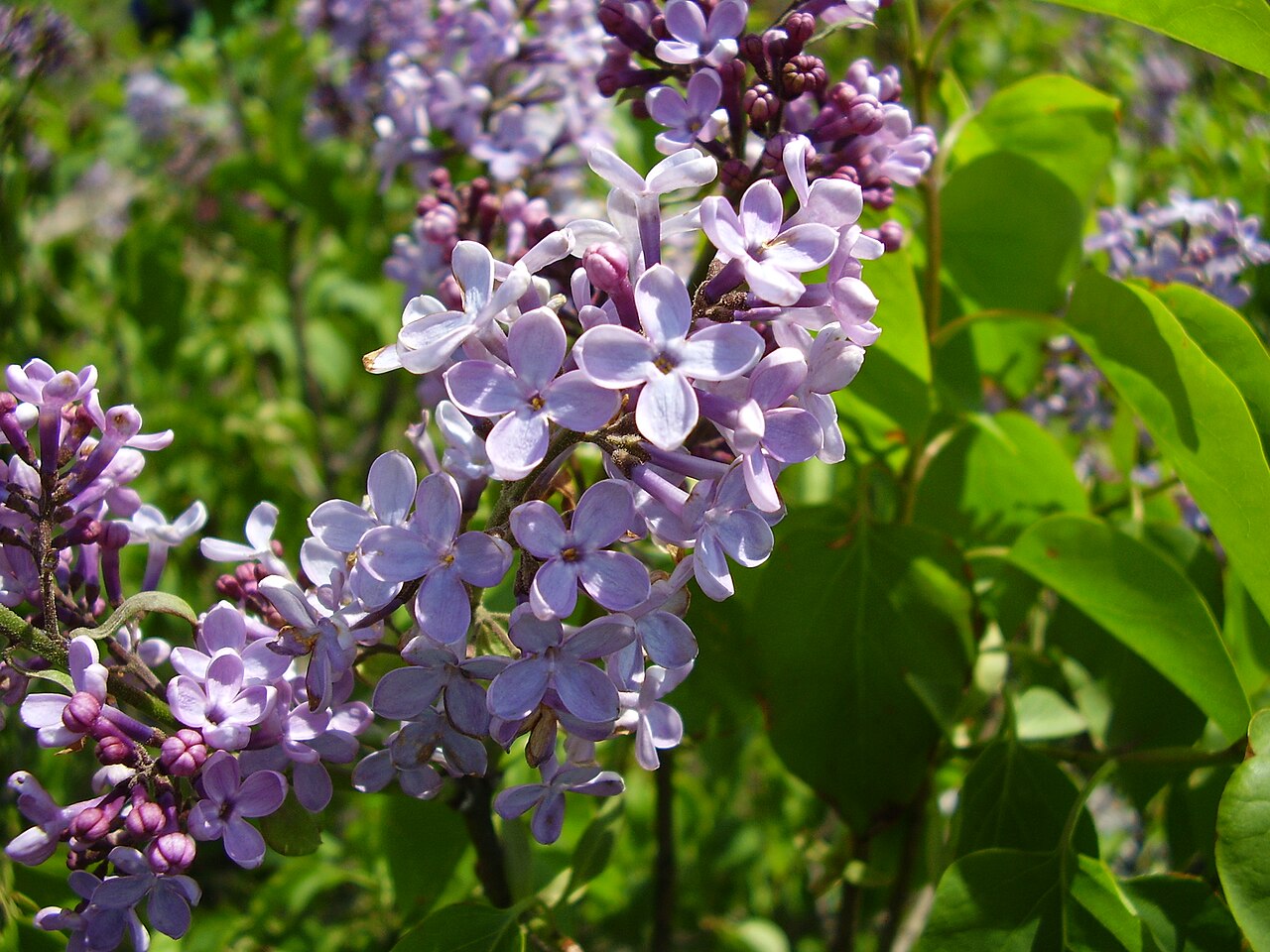
Lilac originally comes from southeastern Europe and Asia Minor, from where it reached Central Europe in the 16th century. Today there are countless varieties in white, pink, purple, and blue, with single or double blooms and varying intensity of fragrance.
Location and Soil for Lilac
Lilac loves the sun. For abundant flowering, it needs a full-sun, warm location with at least six hours of direct sunlight a day. In partially shaded spots, flowering is noticeably sparser.
The soil should be lime-rich, nutrient-rich, and well-draining. Heavy, wet soils quickly lead to root rot. The ideal pH value lies between 6.5 and 8.0. Sandy soils can be improved with compost.
Planting Lilac the Right Way
The best planting time is autumn, or alternatively early spring. The planting hole should be twice as wide and deep as the root ball. Container-grown plants can generally be planted throughout the entire growing season. Depending on the variety, spacing should be one to three meters — lilac needs room to grow.
Care and Pruning of Lilac
Lilac is pleasingly low-maintenance. An annual application of compost in spring ensures adequate nutrition. During dry spells, watering is recommended, especially for young plants.
Pruning is the most important aspect of care: lilac blooms on the previous year’s wood. Pruning in late summer or autumn removes next year’s flower buds! The right time is immediately after flowering:
- Remove spent flower panicles directly above a strong side shoot
- Every three to four years, carry out a rejuvenation pruning: remove the oldest branches at ground level
- Cut off wild root suckers at ground level — otherwise they spread vigorously
The Most Beautiful Lilac Varieties
- Syringa vulgaris ‘Andenken an Ludwig Späth’: The classic dark purple variety, sold since 1883. Intensely fragrant, late blooming. Height: 3–4 m.
- Syringa vulgaris ‘Mme Lemoine’: Pure white, double blooms with an elegant fragrance. One of the most beautiful white varieties. Height: 3–4 m.
- Syringa vulgaris ‘Sensation’: Uniquely bicolored blooms — purple with a white edge. A real eye-catcher. Height: 3 m.
- Syringa meyeri ‘Palibin’: Dwarf lilac with compact growth, only 1–1.5 m tall. Perfect for small gardens and containers.
- Syringa vulgaris ‘Primrose’: The only yellow-flowering variety, with cream-yellow flower buds. Rare and special. Height: 2.5–3 m.
Diseases and Pests
Lilac is tough, but not immune. The most common problems are powdery mildew (a white coating in warm, dry weather), the lilac leafminer moth (leaf-mining damage, usually harmless), and bacterial lilac blight (shoots die back). Remove and disinfect affected parts immediately.
Conclusion: Fragrant Romance for the Garden
Lilac is a shrub that writes garden history. With its captivating fragrance, lush blossoms, and long lifespan, it becomes an emotional centerpiece in any garden. Anyone who gives it a sunny spot and the occasional pruning will be rewarded with decades of flowering splendor.