Butterfly Bush (Buddleja davidii) – The Butterfly Magnet for Your Garden
Butterfly Bush (Buddleja davidii) – The Butterfly Magnet for Your Garden
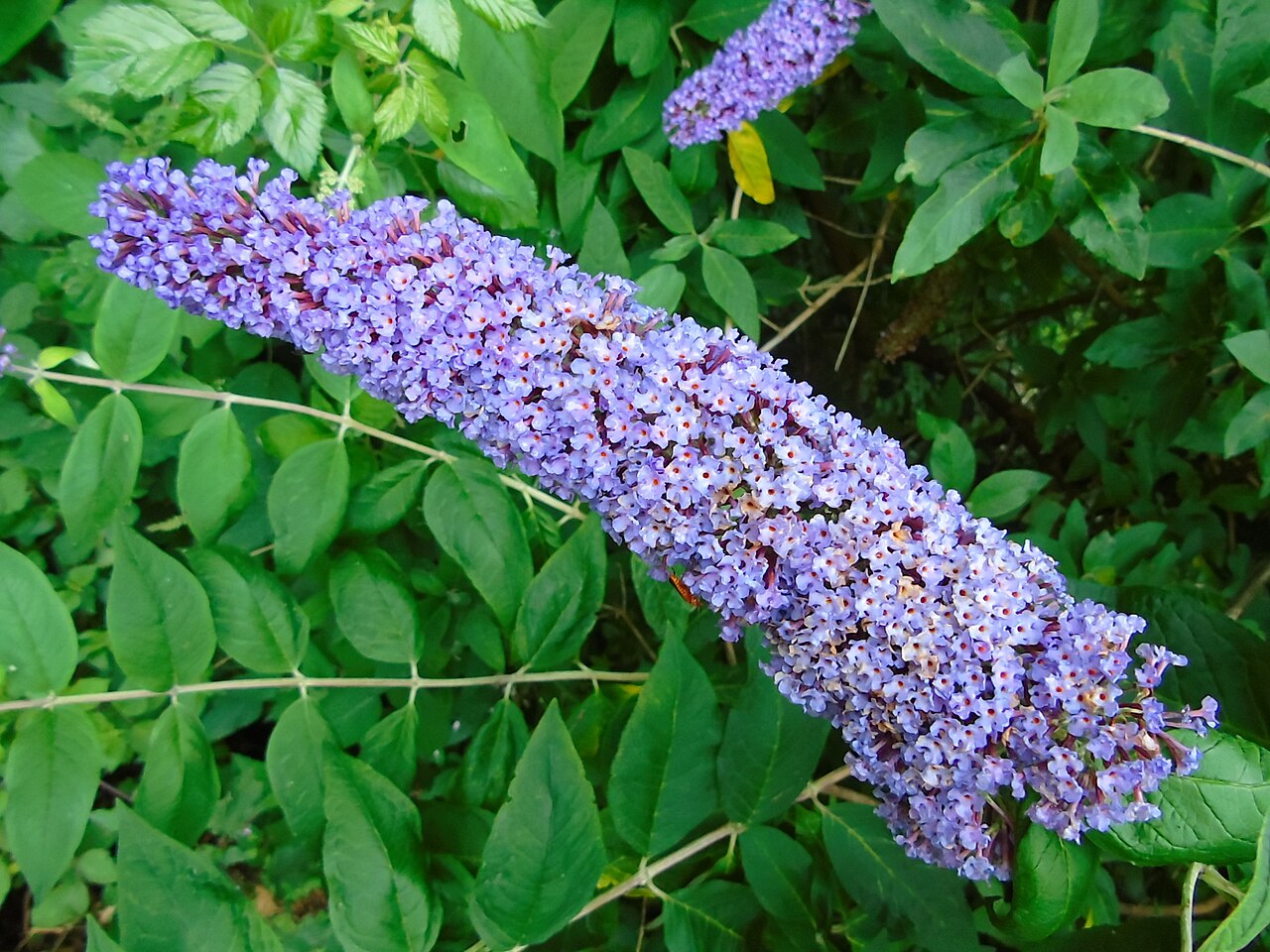
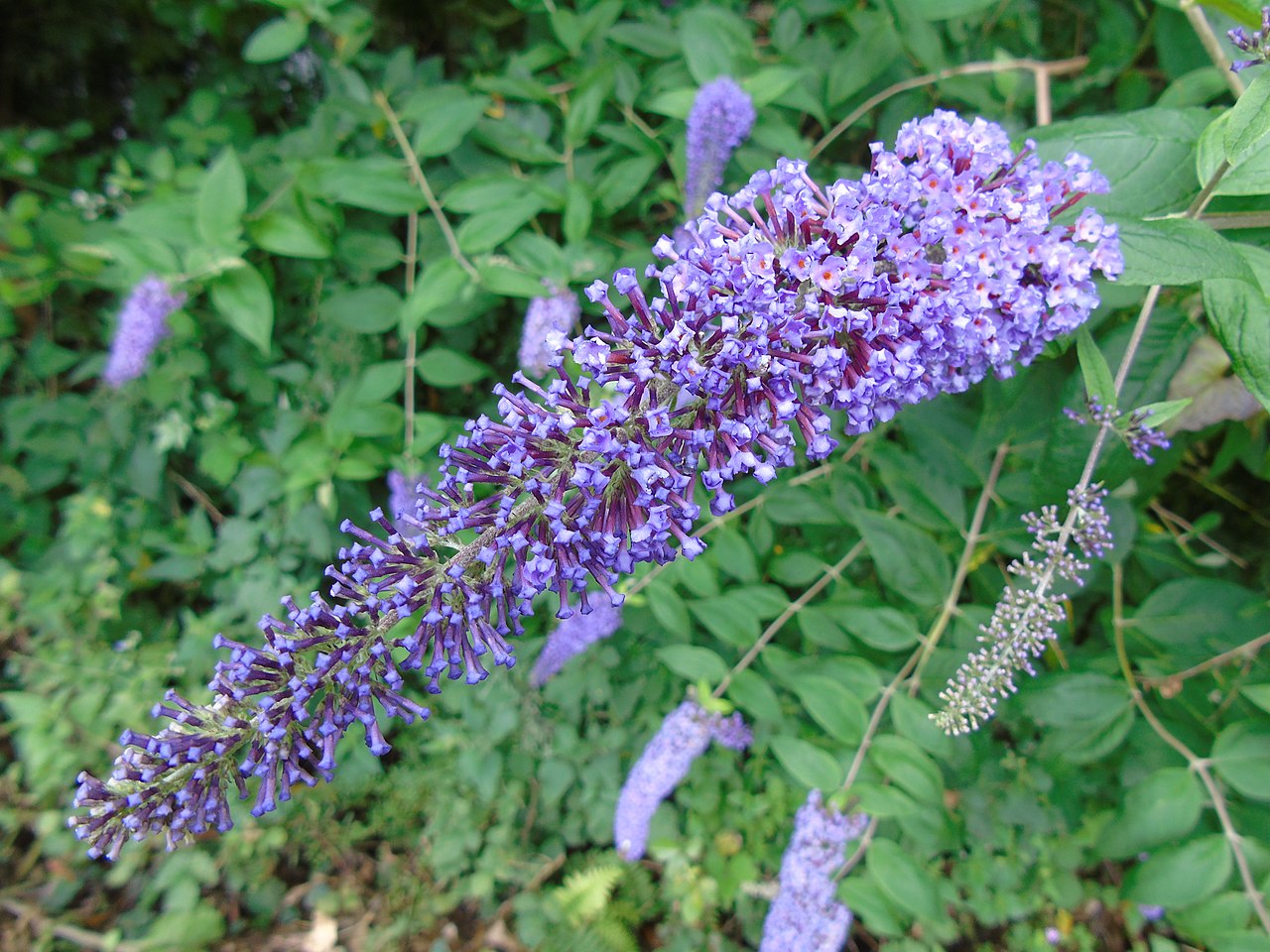
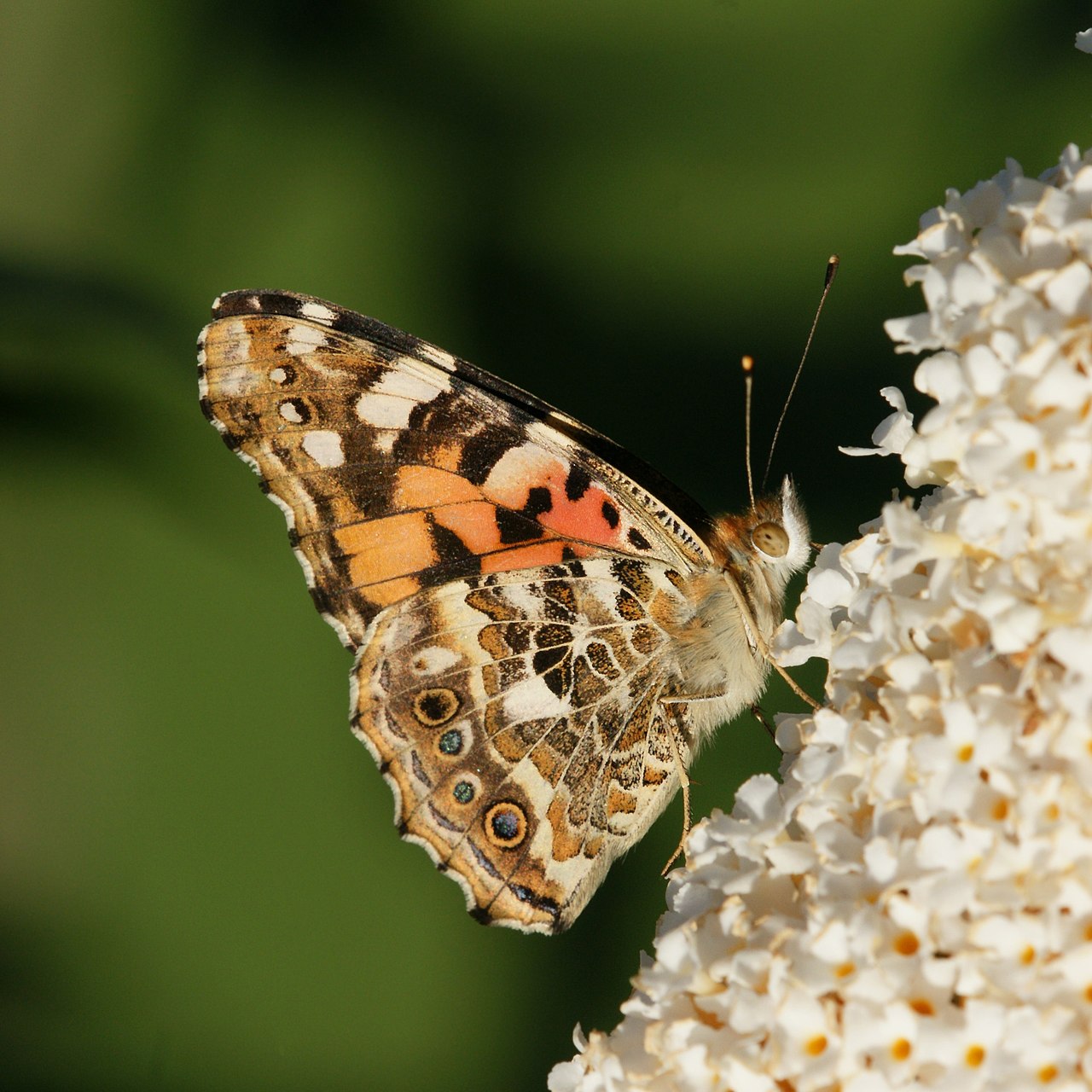
Butterfly bush (Buddleja davidii), also known as summer lilac, is one of the most popular flowering shrubs for the garden. Its name says it all: from July to October, its long, fragrant flower spikes attract countless butterflies, bees, and bumblebees. Hardly any other plant puts on such a show of fluttering butterflies — red admirals, peacock butterflies, and small tortoiseshells among them.
Butterfly bush originally comes from China and Tibet, but has naturalized in many parts of Europe. Depending on the variety, it grows 1.5 to 3 meters tall. The shrub grows quickly and blooms as early as its first year after planting.
Location and Soil Requirements
Butterfly bush loves full sun and warmth. A sunny, sheltered spot is essential for abundant flowering. The soil should be well-draining, rather lean, and lime-rich. Heavy, nutrient-rich soils promote leaf growth at the expense of flowers. It does not tolerate waterlogging.
The best planting time is spring, after the last frost. Spacing should be about 1.5 to 2 meters — butterfly bush needs room to develop its elegant, arching growth habit.
Proper Pruning – Essential for Flowering
Pruning is the single most important care task for butterfly bush. Without it, the shrub quickly becomes woody and straggly and flowers only sparsely. The ideal time is early spring (February/March), once hard frosts are no longer expected.
Here’s how to prune: cut back all of last year’s shoots hard, to about 30 to 50 centimeters, leaving just two to three buds (eyes) per shoot. This hard pruning encourages vigorous new growth and especially large flower spikes. Old, bare branches should be removed at ground level.
Care and Fertilizing
Butterfly bush is pleasingly undemanding. A single annual application of compost in spring, along with a bit of lime, is entirely sufficient. Too much nitrogen leads to lush, leafy growth and fewer flowers. Water during long dry spells, especially for young plants.
Deadhead spent flower spikes regularly — this encourages new blooms and prevents self-seeding, which can otherwise be quite prolific in Buddleja davidii. In some regions, butterfly bush is even considered an invasive species.
The Most Beautiful Butterfly Bush Varieties
- Buddleja davidii ‘Black Knight’: The darkest variety, with deep purple, almost black flower spikes. Very strongly fragrant. Height: 2–2.5 m.
- Buddleja davidii ‘White Profusion’: Pure white flower spikes with a yellow eye. Especially attractive to butterflies. Height: 2–3 m.
- Buddleja davidii ‘Empire Blue’: Vivid blue-violet with an orange eye. One of the most free-flowering varieties. Height: 2 m.
- Buddleja davidii ‘Pink Delight’: Soft pink, large flower spikes. Very compact growth habit. Height: 1.5–2 m.
- Buddleja alternifolia: A weeping butterfly bush with cascading branches. Blooms as early as June, on the previous year’s wood. Height: 3 m.
Winter Hardiness and Winter Protection
Butterfly bush is moderately winter-hardy (down to about -20°C / -4°F). In harsh winters, the above-ground shoots may freeze back — but that’s no cause for concern: in spring the shrub sprouts vigorously again from its base, and since it flowers on new wood, blooming that same year is assured. In harsher climates, a light covering of leaves over the root zone is recommended as winter protection.
Conclusion: A Must for Nature Lovers
Butterfly bush is one of the most rewarding flowering shrubs for the garden. Its months-long bloom from July to October, its irresistible fragrance, and its magical draw for butterflies make it a highlight of any garden. With the right, bold pruning in spring and a sunny location, it blooms more abundantly every year and becomes the centerpiece of the summer garden scene.
This article may contain affiliate links. If you purchase a product through one of these links, Plantgecko may earn a commission at no extra cost to you. This never influences our editorial independence or which products we recommend.