Rhododendron: Growing and Caring for Spring’s Blossom Spectacle
A Shrub Built for Spring Drama
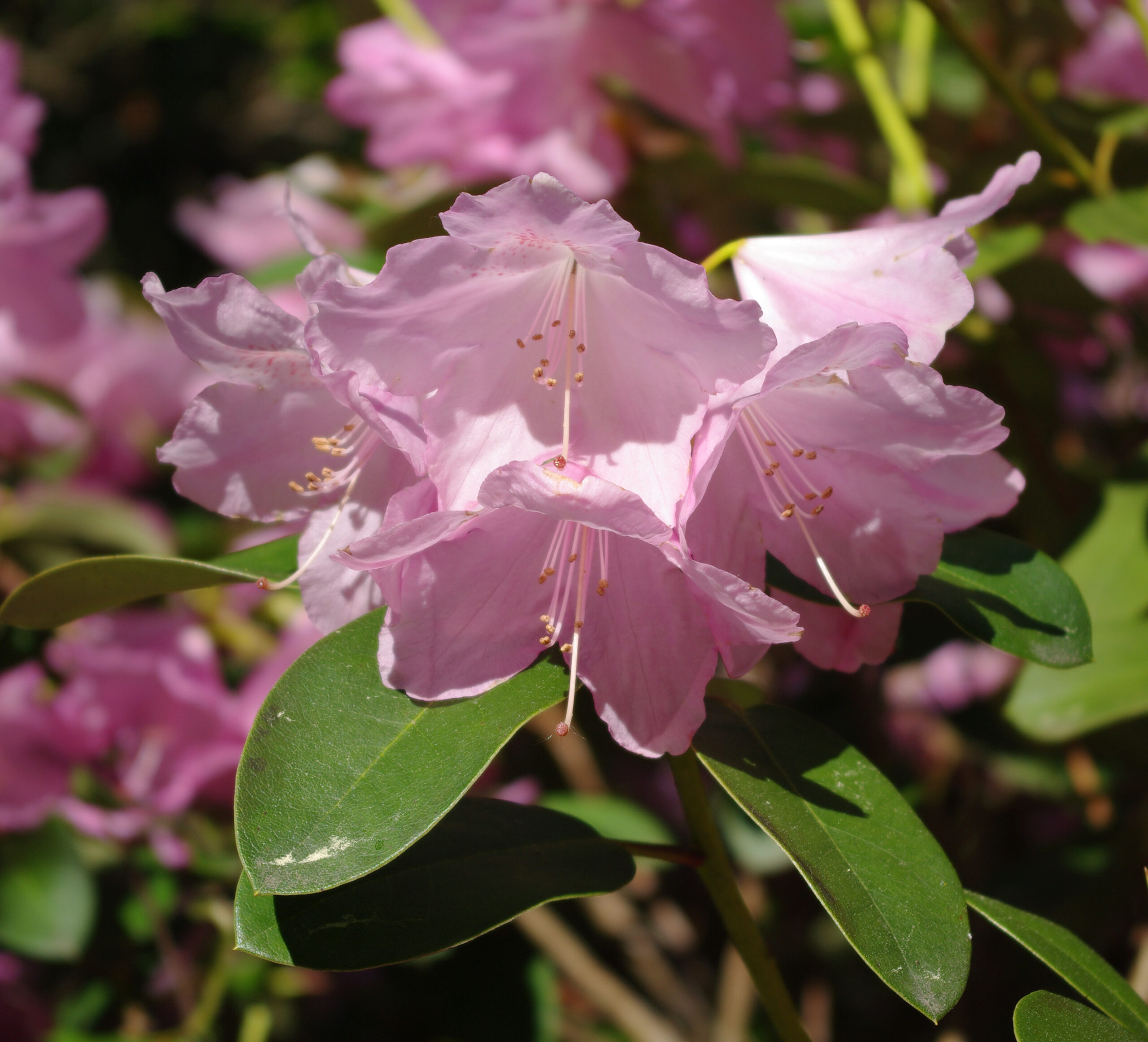
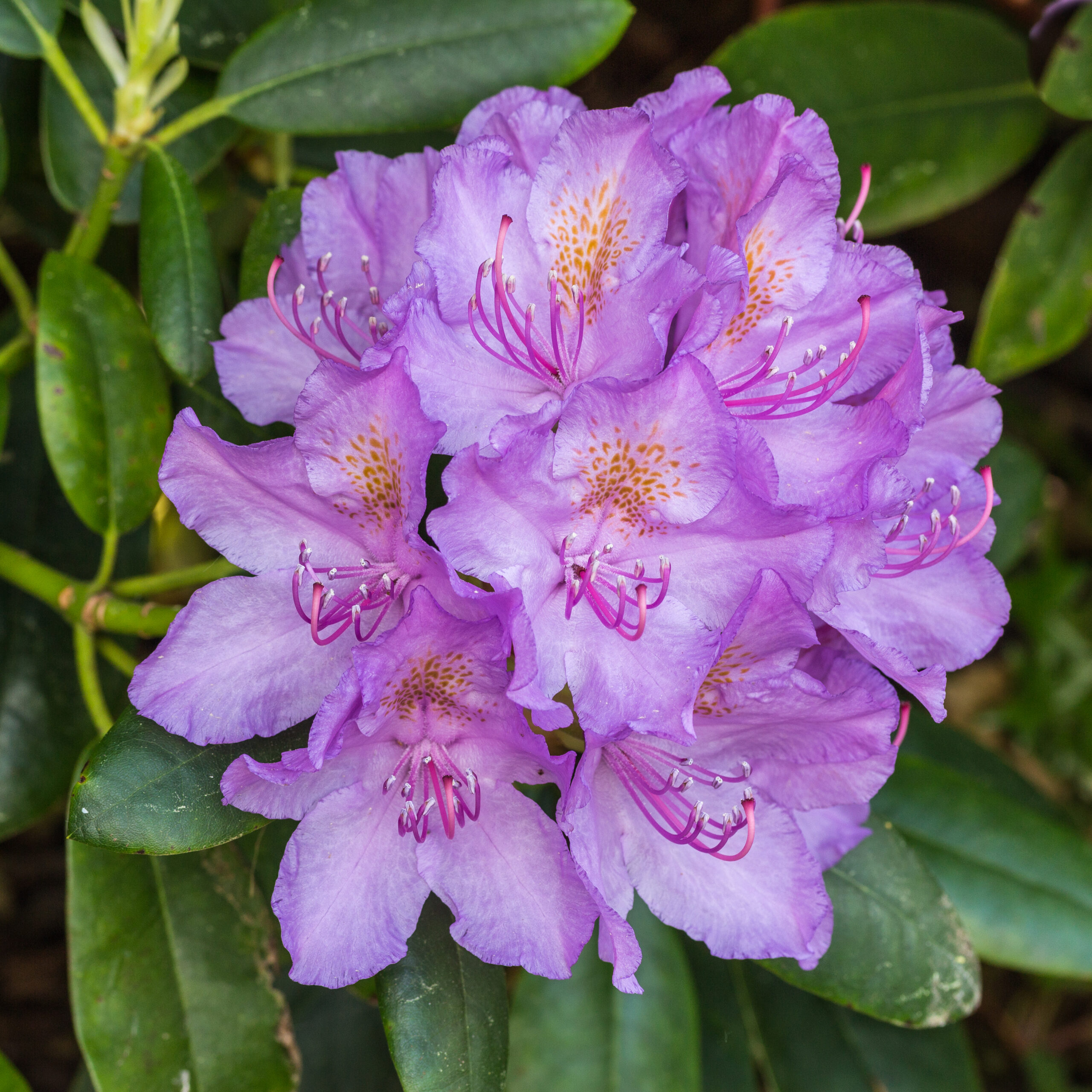
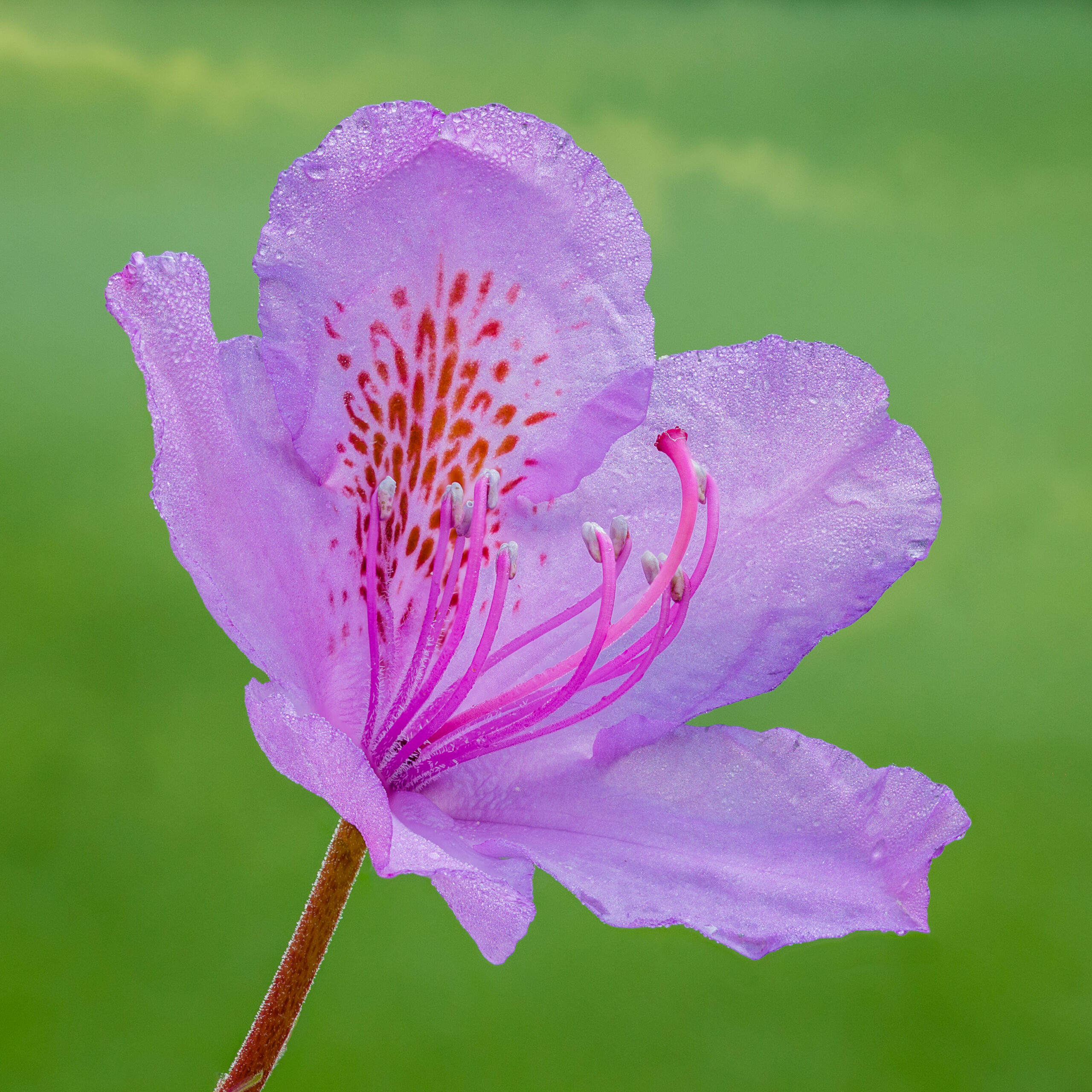
Rhododendrons are among the most rewarding flowering shrubs for a temperate garden, producing dense trusses of trumpet-shaped blooms in shades of pink, purple, red, and white from mid-spring into early summer. Part of the genus Rhododendron (which also includes azaleas), these evergreen or semi-evergreen shrubs range from low, compact cultivars under a metre tall to large woodland specimens reaching several metres. Their leathery, dark green leaves provide year-round structure even when they are not in flower.
Soil, Light, and Water Requirements
The single most important factor in rhododendron health is soil acidity. These plants need well-drained, humus-rich soil with a pH between 4.5 and 6.0; in alkaline or neutral soil they quickly develop iron deficiency, shown as yellowing leaves with green veins (chlorosis). Where garden soil is not naturally acidic, amend it generously with peat-free ericaceous compost, composted pine bark, or leaf mould, and avoid liming nearby.
Rhododendrons prefer dappled or partial shade, mimicking the woodland edges they originate from in the wild. Full, exposed sun can scorch the leaves, while deep shade reduces flowering. A site sheltered from strong wind, with morning sun and afternoon shade, is ideal.
Their roots are shallow and fibrous, so they dry out quickly. Water deeply and regularly during dry spells, especially in the first two years after planting and while flower buds are forming in late summer. A 5–7 cm layer of mulch (bark chips, pine needles, or leaf mould) around the base helps retain moisture, suppress weeds, and keep roots cool, but keep mulch away from direct contact with the stem.
Pruning and Deadheading
Rhododendrons need very little routine pruning. Remove spent flower trusses just above the new growth bud as soon as the blooms fade; this prevents the plant from wasting energy on seed production and encourages stronger flowering the following year. Deadheading is done by snapping or cutting off the whole faded truss carefully, without damaging the new shoots emerging just below it.
Overgrown or leggy plants tolerate hard rejuvenation pruning, cutting stems back to 30–45 cm, but this is best done in late winter before new growth starts, and it may sacrifice flowers for a year or two while the plant recovers.
Common Problems
- Bud blast: flower buds turn brown and dry without opening, often caused by leafhoppers spreading fungal spores or by frost damage to developing buds.
- Vine weevil: adults notch the leaf edges at night, while their larvae feed on roots and can kill container-grown plants; beneficial nematodes applied to moist soil in late summer are an effective control.
- Iron chlorosis: yellow leaves with green veins signal soil pH that is too high; treat with chelated iron and acidify the soil over time.
- Root rot: caused by waterlogged, poorly drained soil; ensure good drainage and avoid planting in low-lying wet spots.
Propagation
Semi-ripe cuttings taken in mid to late summer root reasonably well with rooting hormone and bottom heat, though many hybrids root slowly over several months. Layering is often more reliable for home gardeners: bend a low, flexible stem to the ground, wound the underside slightly, bury that section in acidic soil mix, and pin it down. Roots typically form within a year, after which the new plant can be severed from the parent and transplanted.
This article may contain affiliate links. If you purchase a product through one of these links, Plantgecko may earn a commission at no extra cost to you. This never influences our editorial independence or which products we recommend.