Best Soil Mix for Indoor Plants — Recipe Guide
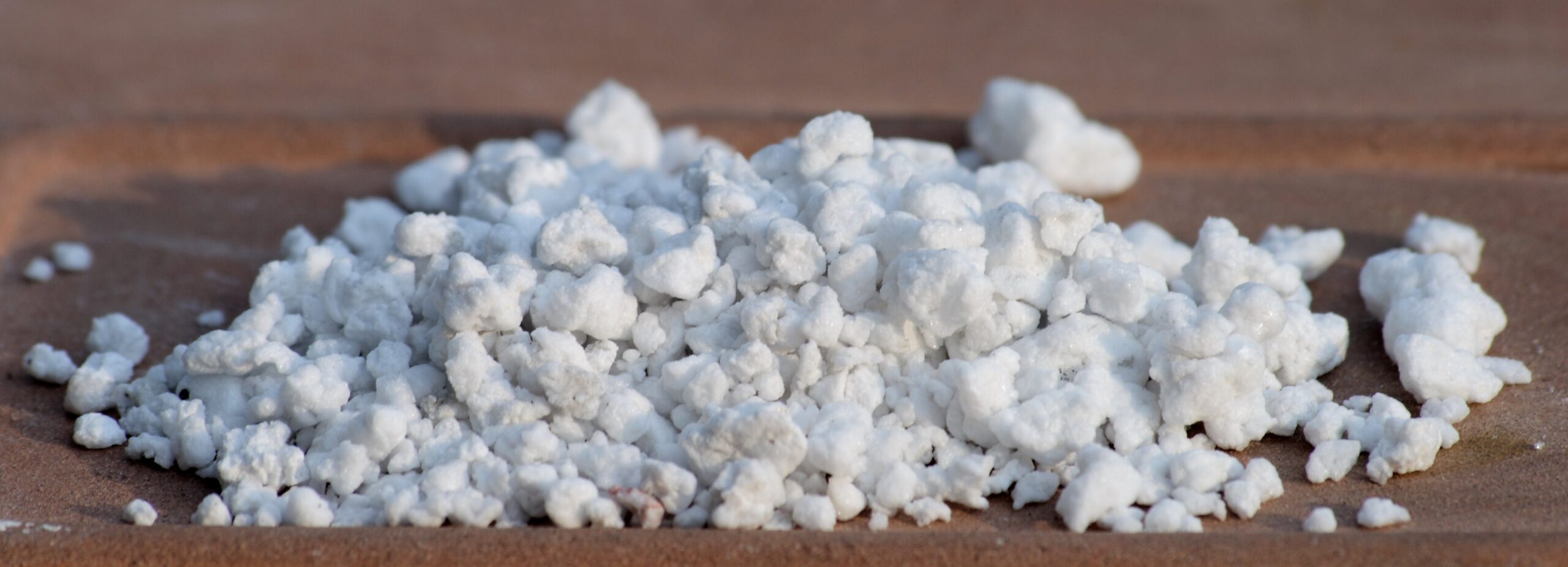
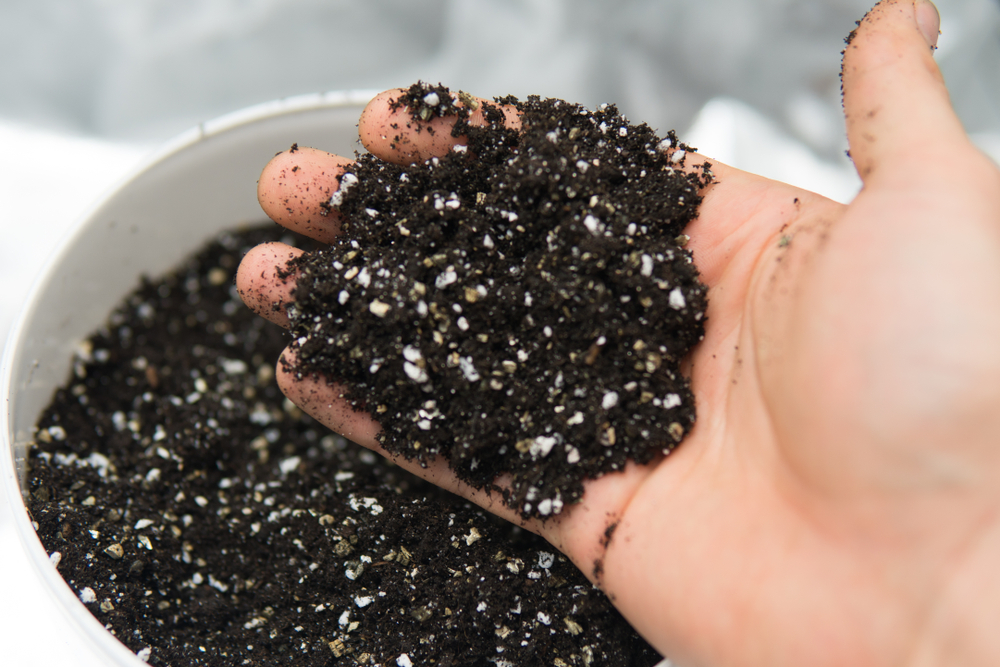
Most houseplant problems trace back to the soil rather than the plant itself. Standard bagged potting soil is often too dense and moisture-retentive for container growing, where there’s no surrounding earth to wick away excess water. Building your own mix lets you tailor drainage and aeration to what each plant actually needs, and it’s cheaper than buying specialty bags for every type of plant you own.
Why Drainage and Aeration Matter
Roots need oxygen as much as they need water. In a mix that stays saturated, the air pockets between soil particles fill with water, roots suffocate, and rot-causing fungi move in. Chunky amendments like perlite, bark, and coarse sand create gaps that let excess water drain through quickly while still holding onto enough moisture and nutrients for roots to access between waterings.
General Aroid Mix (Pothos, Philodendron, Monstera)
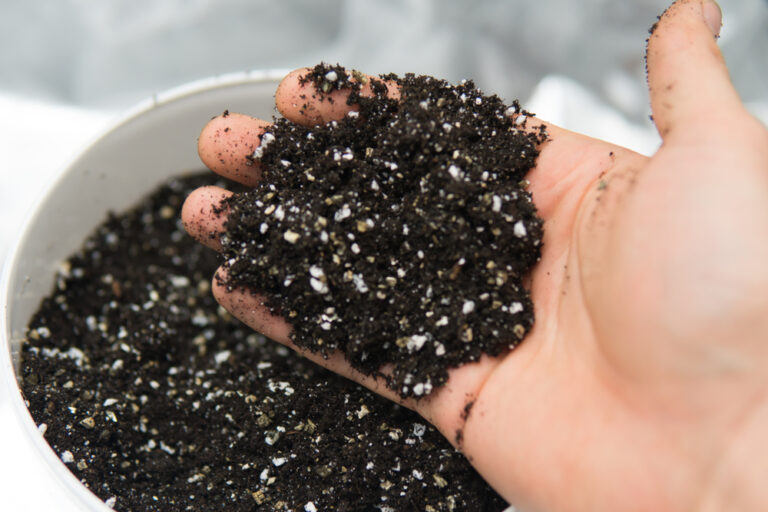
A reliable base ratio is 2 parts high-quality potting mix, 1 part perlite, and 1 part orchid bark. The bark chunks create air pockets and mimic the loose, debris-rich soil these plants root into in the wild, while the perlite keeps the mix from compacting over time. For extra-thirsty aroids you can drop the bark to make the mix denser; for plants prone to root rot, increase the bark and perlite.
Cactus and Succulent Mix
Succulents need a mix that dries out fast. Combine 2 parts potting mix with 2 parts coarse mineral grit — pumice, perlite, or coarse sand — so mineral material makes up at least half the total volume. Pumice is often preferred over perlite for succulents because it doesn’t float to the surface when watered and won’t compress as quickly. Avoid fine sand, which packs down and blocks drainage rather than improving it.
Peat-Free Options
Coco coir is a sustainable substitute for peat moss and behaves similarly, holding moisture while remaining airy. Because coir alone can compact, blend it with perlite and compost or worm castings for nutrients — a workable base is 2 parts coco coir, 1 part perlite, and 1 part compost. Coir also tends to hold onto salts from fertilizer over time, so flush the pot with plain water every month or two to prevent buildup.
Putting It Together
- Always choose a pot with drainage holes — no soil mix compensates for a pot that can’t drain.
- Sterile, bagged potting mix as a base avoids introducing pests or pathogens from garden soil.
- Mix amendments in thoroughly rather than layering them, so roots encounter consistent texture throughout the pot.
- Adjust ratios seasonally — mixes can run slightly denser in winter when plants use less water, and looser in the growing season when watering is more frequent.
There’s no single perfect recipe; the right mix depends on your watering habits, humidity, and pot material as much as the plant species. If you find yourself watering and the pot stays wet for more than a week, that’s a sign to add more perlite or bark next repot. If it dries out within a day or two and the plant wilts often, add a bit more potting mix or compost to improve water retention.
Comparison: Best Ready-Made Potting Bases
Rather than sourcing every amendment separately, these are the commercial bases most growers start from before mixing in perlite, bark, or coir.
| Product | Price Tier | Key Differentiator | Best For |
|---|---|---|---|
| Miracle-Gro Indoor Potting Mix | $ | Widely available, lighter than bagged garden soil | Budget-friendly base for DIY aroid recipes |
| FoxFarm Ocean Forest | $$$ | Nutrient-rich with compost and bat guano | Heavy feeders like Monstera and Philodendron |
| Espoma Organic Potting Mix | $$ | OMRI-listed organic with added mycorrhizae | Organic-focused growers |
| Hoffman Horticultural Perlite | $ | Pure drainage amendment, not a full mix | Loosening up any of the bases above |