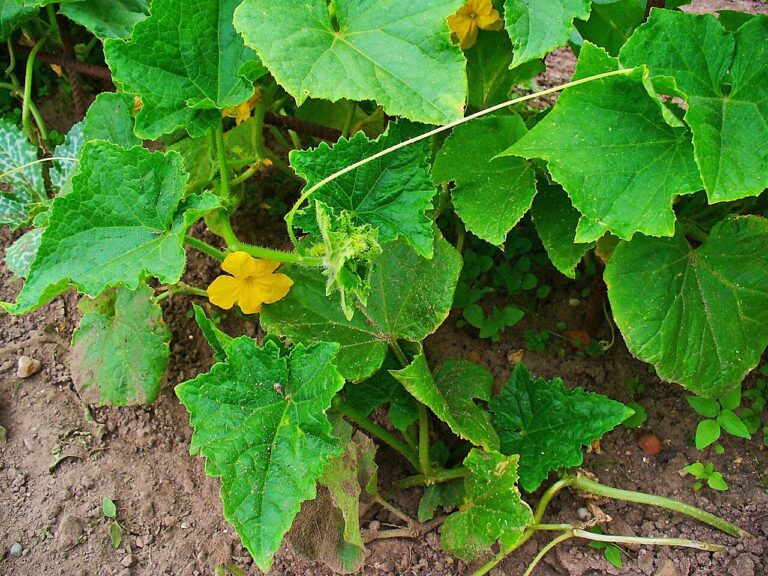
Grow Lights for Seed Starting: Perfect Sowing Every Time
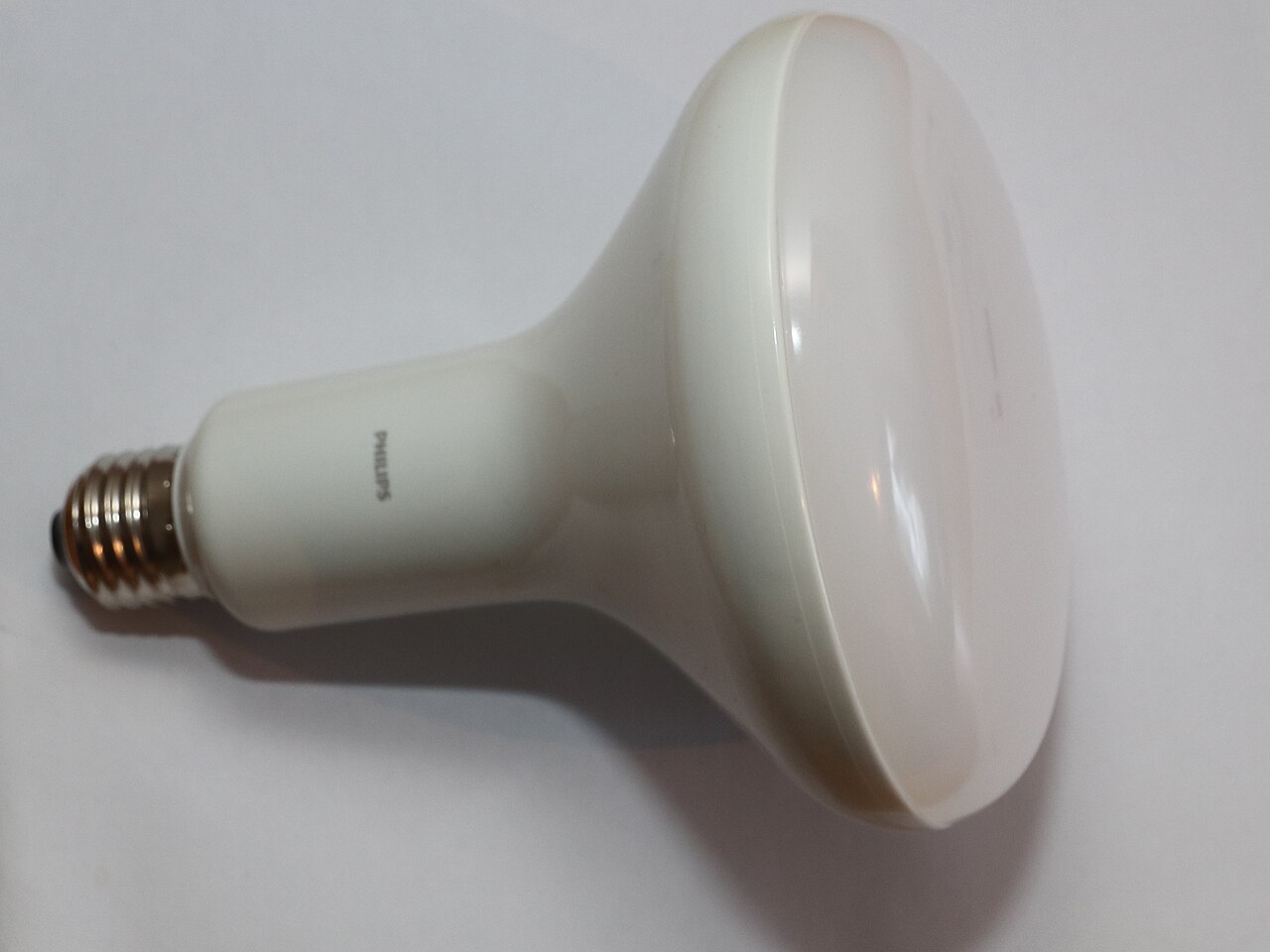
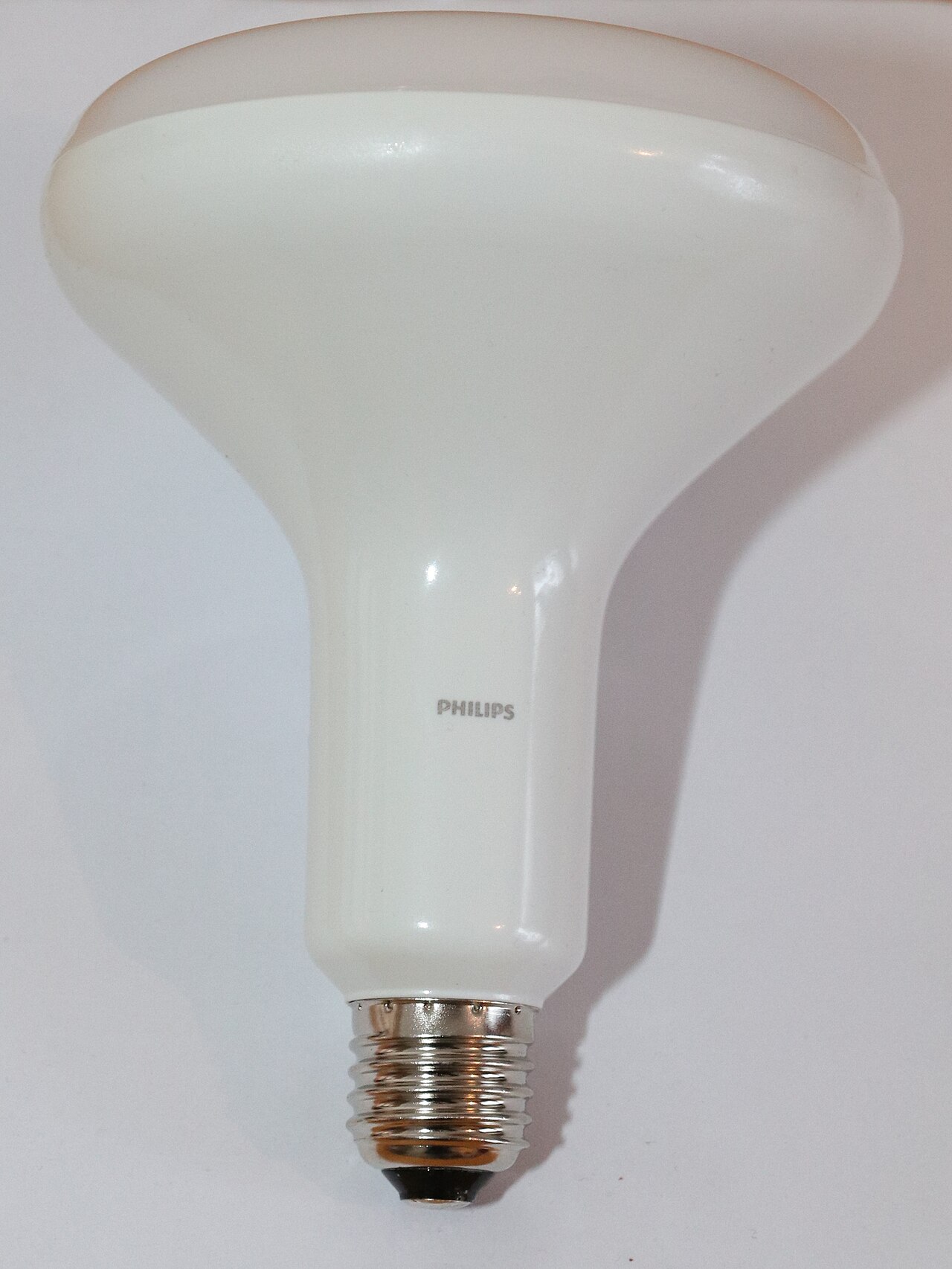
Seedlings have different light needs than mature plants — they’re building their first true leaves and root systems, and weak or insufficient light at this stage is the single biggest cause of the tall, floppy, pale seedlings so many indoor gardeners struggle with. Getting the light right from day one makes a bigger difference than almost any other factor in seed starting.
Why a Sunny Windowsill Usually Isn’t Enough
Even a south-facing window rarely provides the light intensity seedlings need, especially in winter or early spring when days are short and the sun sits low in the sky. Seedlings reaching for a weak light source stretch upward rapidly, producing thin, pale, “leggy” stems that struggle to support the plant later on. This is the seedling’s growth response to insufficient light, not a disease, and it’s almost entirely preventable with a properly positioned grow light.
Duration: 14–16 Hours a Day
Seedlings generally need 14 to 16 hours of light per day — noticeably more than most mature houseplants — because they’re compensating for lower light intensity with longer exposure and because rapid early growth demands a lot of energy. Consistency matters more than exact timing, so put the light on a simple outlet timer rather than relying on remembering to switch it on and off. Give seedlings a genuine dark period of 8–10 hours as well; continuous light doesn’t speed growth and can actually stress young plants.
Intensity and Spectrum
A full-spectrum LED grow light is the most practical choice for seed starting, providing the blue-heavy light that encourages compact, sturdy growth without producing much heat close to the tender seedlings. Standard cool-white or daylight-spectrum LED shop lights (around 5000-6500K color temperature) also work well and are a budget-friendly option, since they’re naturally blue-shifted in a way that suits vegetative growth. Avoid warm white bulbs of amber-toned incandescent-style light as a primary source — they lack the intensity and spectrum balance seedlings need.
Height: Keep It Close and Adjust as They Grow
Seedling lights should generally sit much closer than lights for mature plants — often just 2 to 4 inches above the leaves for standard LED shop lights or grow panels, since seedling-stage LEDs typically run cooler and produce less risk of scorching at close range. Check the specific fixture’s heat output before going this close, and raise the light (or lower the tray) as seedlings grow, keeping that same 2–4 inch gap consistently. A light source mounted on an adjustable stand or chain makes this ongoing adjustment far easier than a fixed ceiling fixture.
Signs to Watch For
- Tall, thin, pale stems reaching sideways: light is too far away or too dim — lower the light or increase duration.
- Leaves bleaching, curling, or crisping at the edges: light is too close or too intense — raise it slightly.
- Slow, stocky, compact growth with good leaf color: light levels are on track.
- Uneven growth across a tray: rotate trays periodically if using a single fixed light source, since edges often get less coverage than the center.
Getting seedlings through this early stage under strong, consistent, appropriately close light sets them up with the stocky stems and healthy root systems that make transplanting and later growth far more successful.
This article may contain affiliate links. If you purchase a product through one of these links, Plantgecko may earn a commission at no extra cost to you. This never influences our editorial independence or which products we recommend.