Periwinkle (Vinca minor): The Hardy Shade Ground Cover
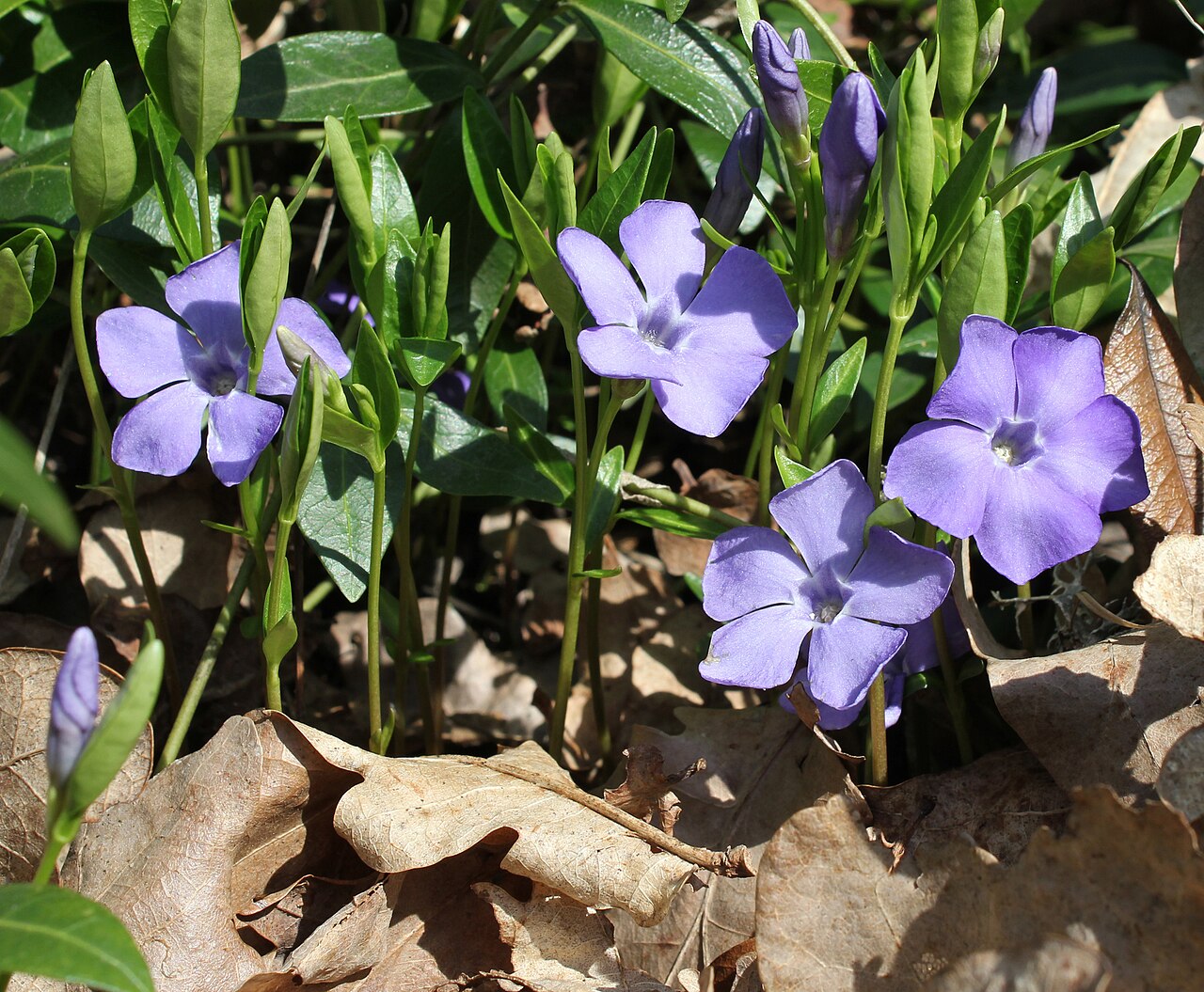
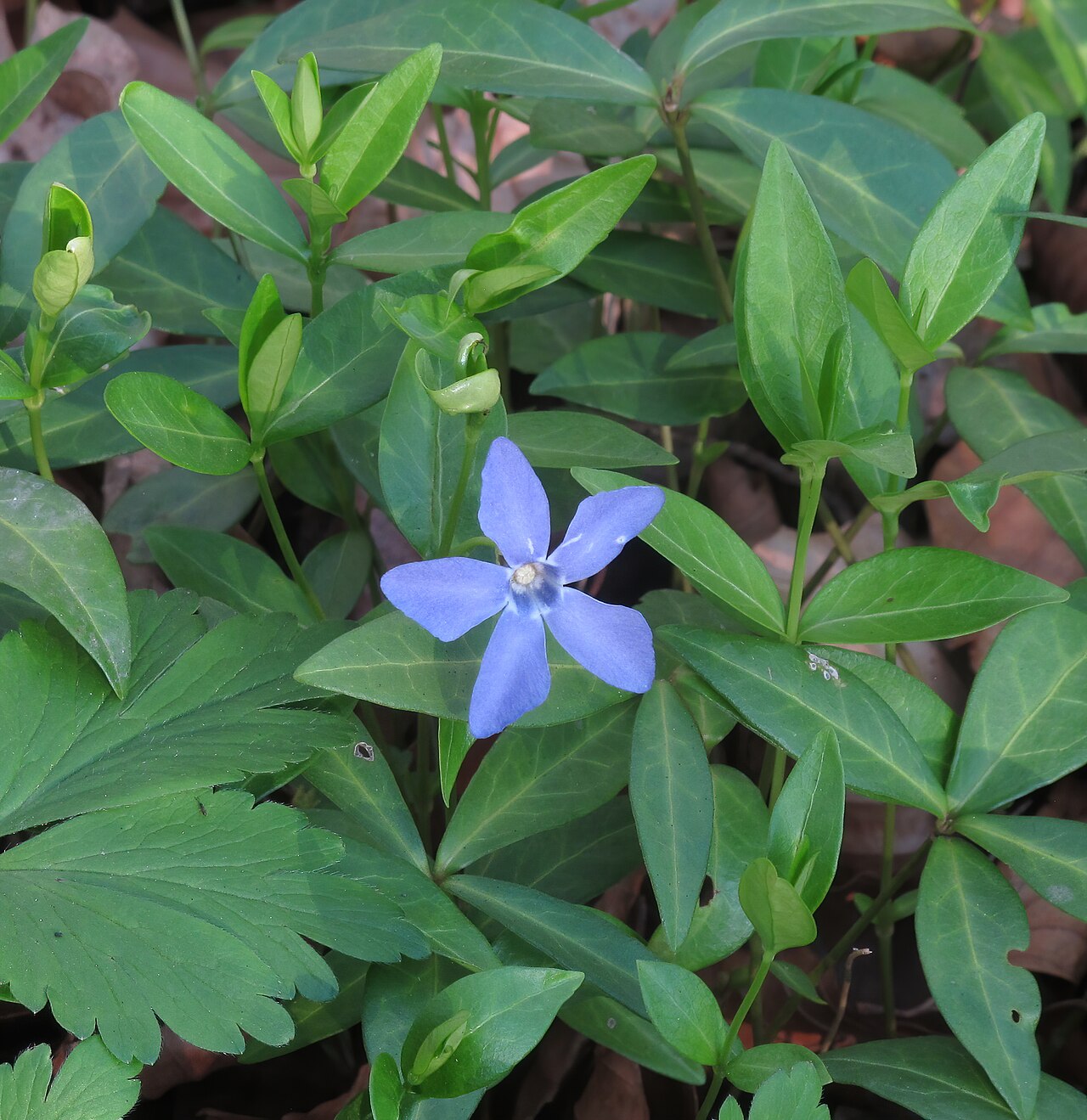
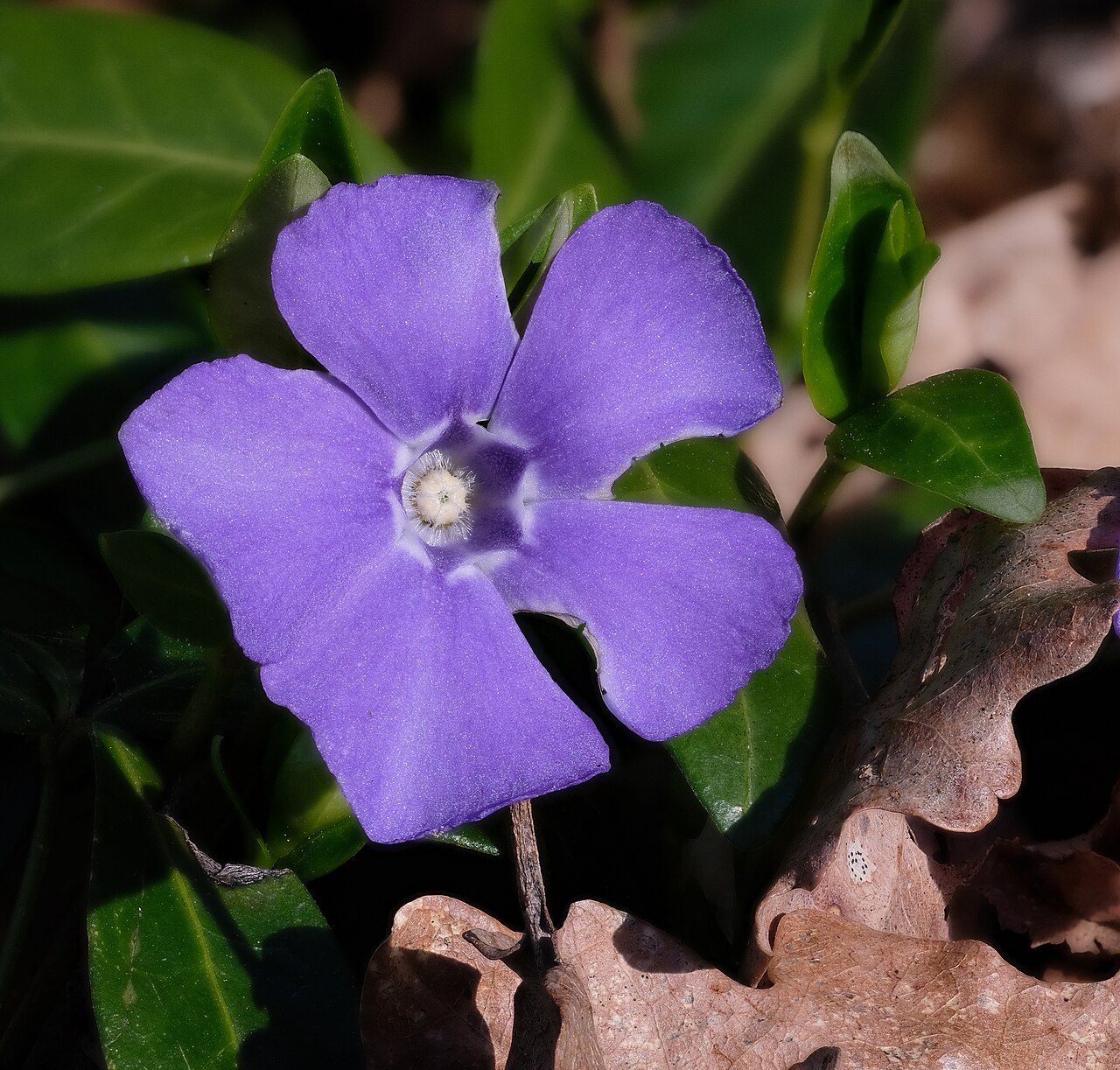
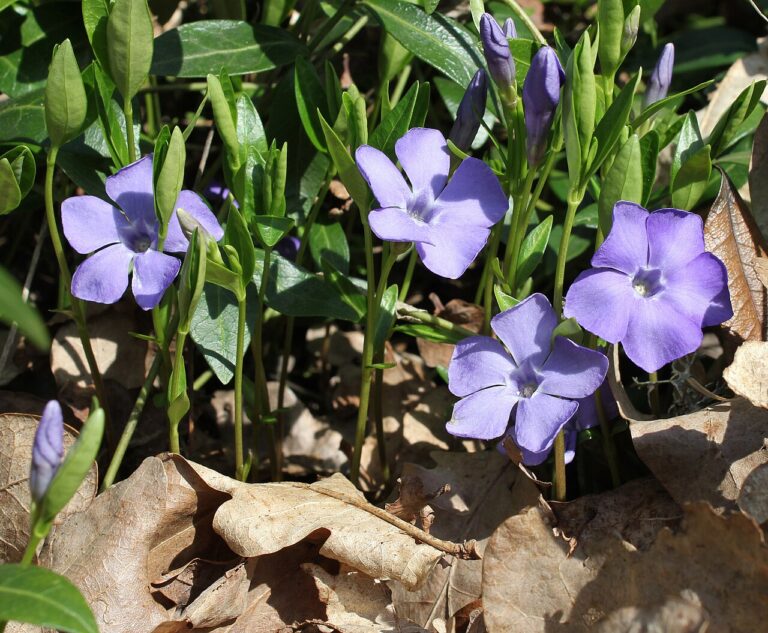
When it comes to filling difficult shaded ground with reliable, low-maintenance color, few plants beat periwinkle (Vinca minor). This evergreen trailing groundcover forms a dense, glossy carpet studded with violet-blue, star-shaped flowers from early spring into summer, and it thrives in exactly the spots where grass and many other plants struggle — deep shade under trees, on slopes, and in root-filled soil.
Why Periwinkle Works So Well as Ground Cover
Vinca minor spreads by trailing stems that root wherever they touch the soil, quickly knitting together into a weed-suppressing mat only 4-6 inches tall. Its evergreen foliage means it provides year-round interest rather than dying back to bare soil in winter like many perennial groundcovers. Because it tolerates deep shade, dry soil once established, and even competition from tree roots, it solves planting problems that stump most other choices.
Site and Soil Requirements
Periwinkle grows in almost any soil, from sandy to clay, and tolerates a wide pH range, though it performs best in humus-rich, well-drained soil. It flowers most freely in partial shade to dappled light, but will also survive — and still spread — in deep shade where flowering is sparser. Full sun is tolerated only where soil stays consistently moist; in hot, dry, sunny spots the foliage can scorch.
Planting for Fast Coverage
Space young plants 12-18 inches apart for coverage within one to two growing seasons — closer spacing fills in faster but costs more upfront. Water regularly during the first year to help the trailing stems establish and root down; established plantings need little to no supplemental watering except during severe drought.
Ongoing Care
Periwinkle asks for very little once settled in. An annual light shearing in early spring, using shears or a string trimmer set high, keeps growth dense and encourages fresh flowering stems, and also tidies up any winter-damaged foliage. Feeding is rarely necessary in reasonable soil; a light compost top-dressing every year or two is plenty.
Controlling Its Spread
The same vigor that makes periwinkle such an effective groundcover means it can escape garden borders and, in some regions of North America, has become invasive in woodland areas by outcompeting native spring wildflowers. Before planting, check whether Vinca minor is considered invasive in your specific region, install a physical edging barrier to contain it within beds, and avoid planting it near natural woodland edges where it can spread into wild areas.
Common Problems
Periwinkle is largely trouble-free, but dense, poorly ventilated plantings in damp conditions can develop Phomopsis blight, a fungal dieback that causes patches of stems to brown and die. Thin out overly thick growth to improve airflow, and remove and dispose of affected stems. Deer and rabbits generally leave it alone, another point in its favor for woodland-edge plantings.
Vinca minor vs. Vinca major
Don’t confuse Vinca minor with its larger relative Vinca major, which has bigger leaves and flowers but spreads even more aggressively and is considered invasive in many more regions, including parts of the West Coast. For most garden situations, the smaller, better-behaved Vinca minor is the safer and more manageable choice.
Companion Planting with Periwinkle
Periwinkle pairs naturally with other shade-loving plants such as hostas, ferns, hellebores, and spring bulbs like daffodils and snowdrops, whose foliage it helps mask as it dies back after flowering. Planting it beneath deciduous shrubs also makes good use of ground that would otherwise sit bare for much of the year, while its evergreen mat suppresses weeds that might otherwise colonize open soil.
Propagating Periwinkle for Free Plants
Because trailing stems root readily wherever they touch soil, expanding a periwinkle planting costs nothing: simply dig up rooted sections in spring or autumn and transplant them to a new spot, or take stem cuttings and root them in moist potting mix. This makes periwinkle one of the most economical groundcovers for covering a large shaded slope or bank over a few seasons from just a handful of starter plants.
Erosion Control on Slopes
Beyond its ornamental value, periwinkle’s dense, interlocking root system makes it genuinely useful for stabilizing shaded slopes and banks prone to soil erosion, where mowing is impractical and grass often struggles to establish. Combined with its tolerance for poor, root-filled soil, this makes it a practical, low-cost solution for difficult shaded terrain that would otherwise be expensive to landscape.
Winter Appearance and Cold Hardiness
Periwinkle stays evergreen through most winters in temperate climates, though leaves may take on a slightly bronzed or purplish tint in cold weather before greening back up in spring. It’s reliably hardy across a wide range of USDA zones, generally 4 through 9, and rarely suffers dieback except in the harshest, most exposed winter conditions, making it one of the more dependable evergreen groundcovers for year-round shade coverage.