Planting and Caring for Climbing Roses
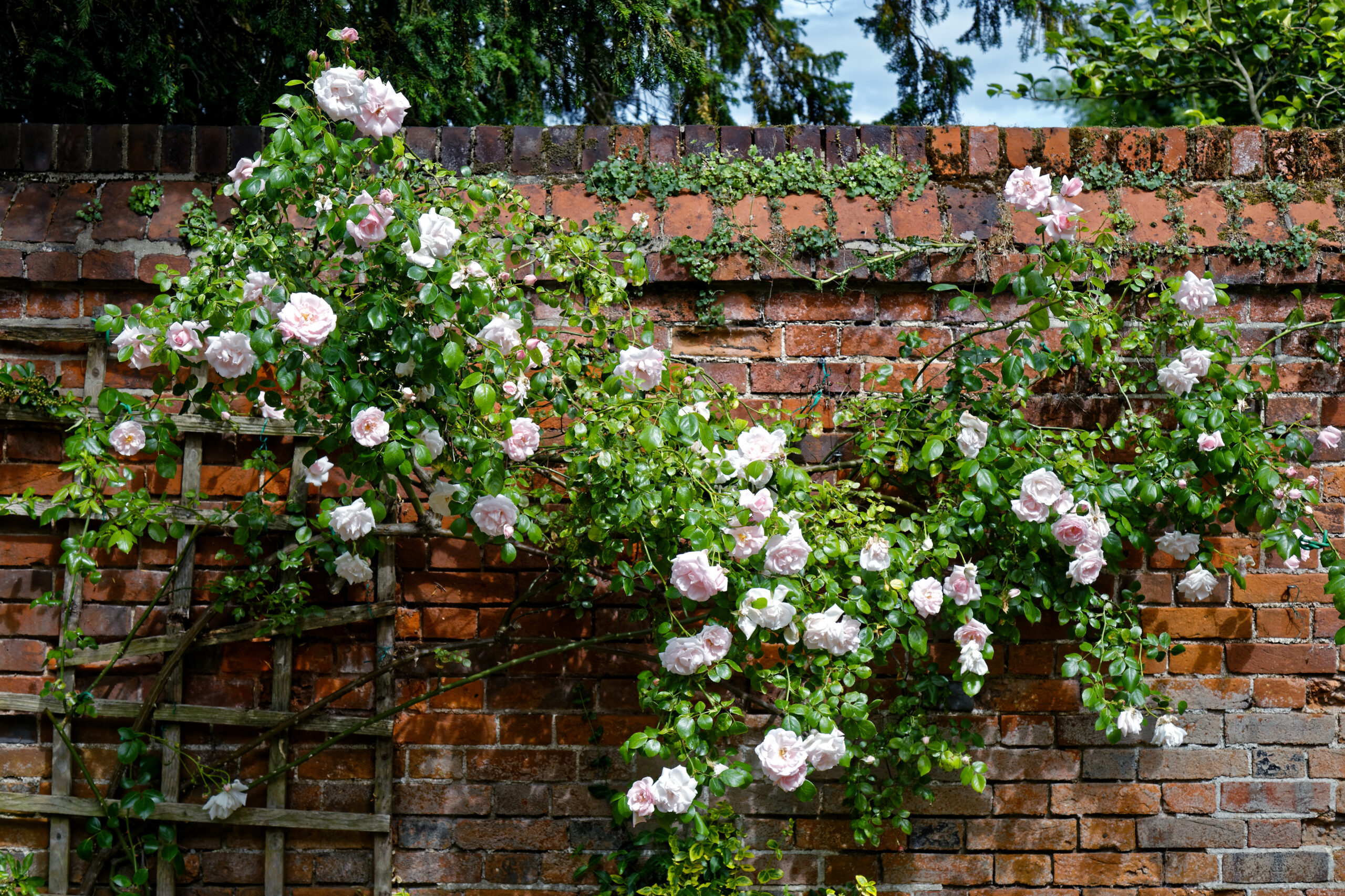
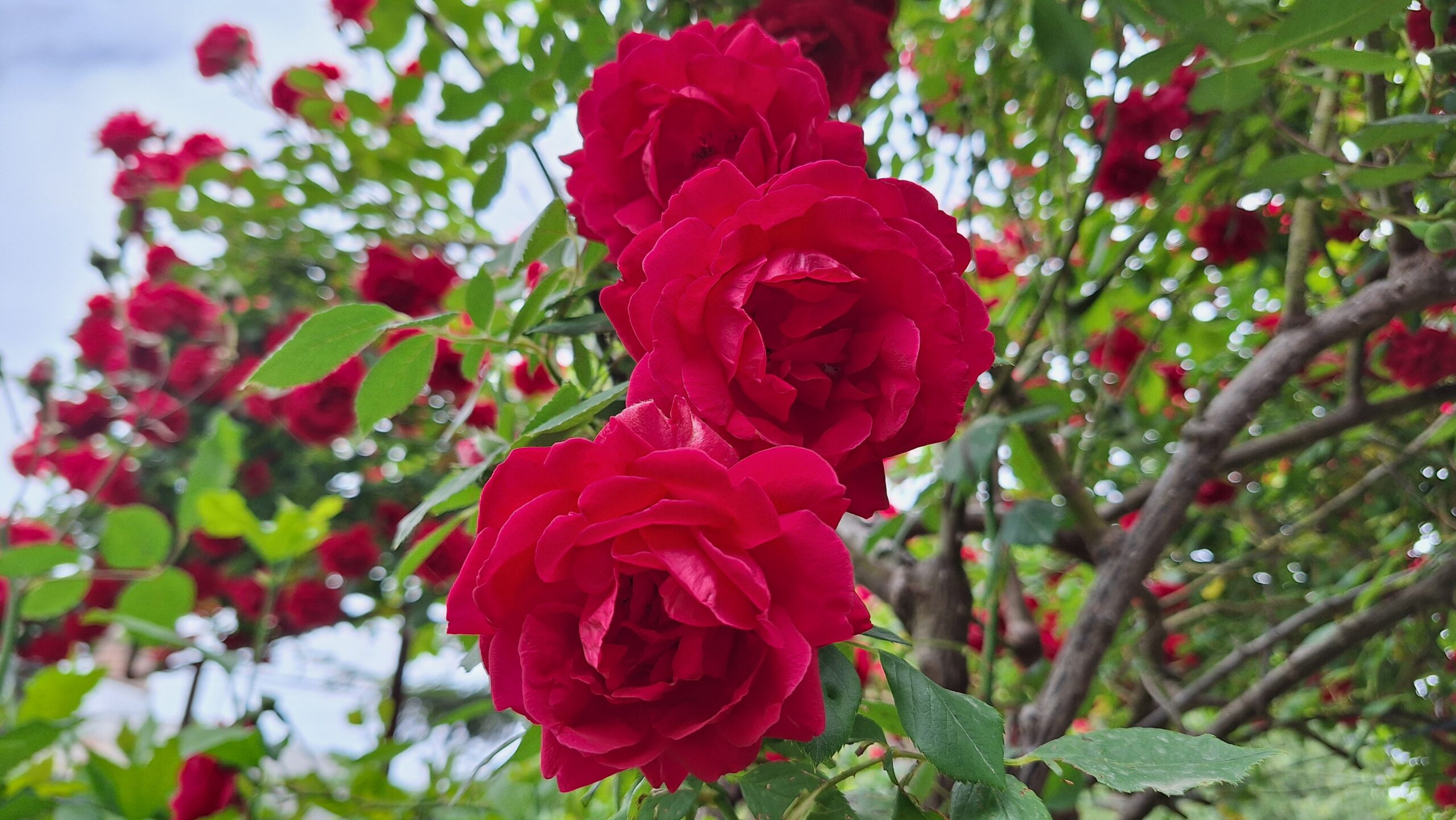
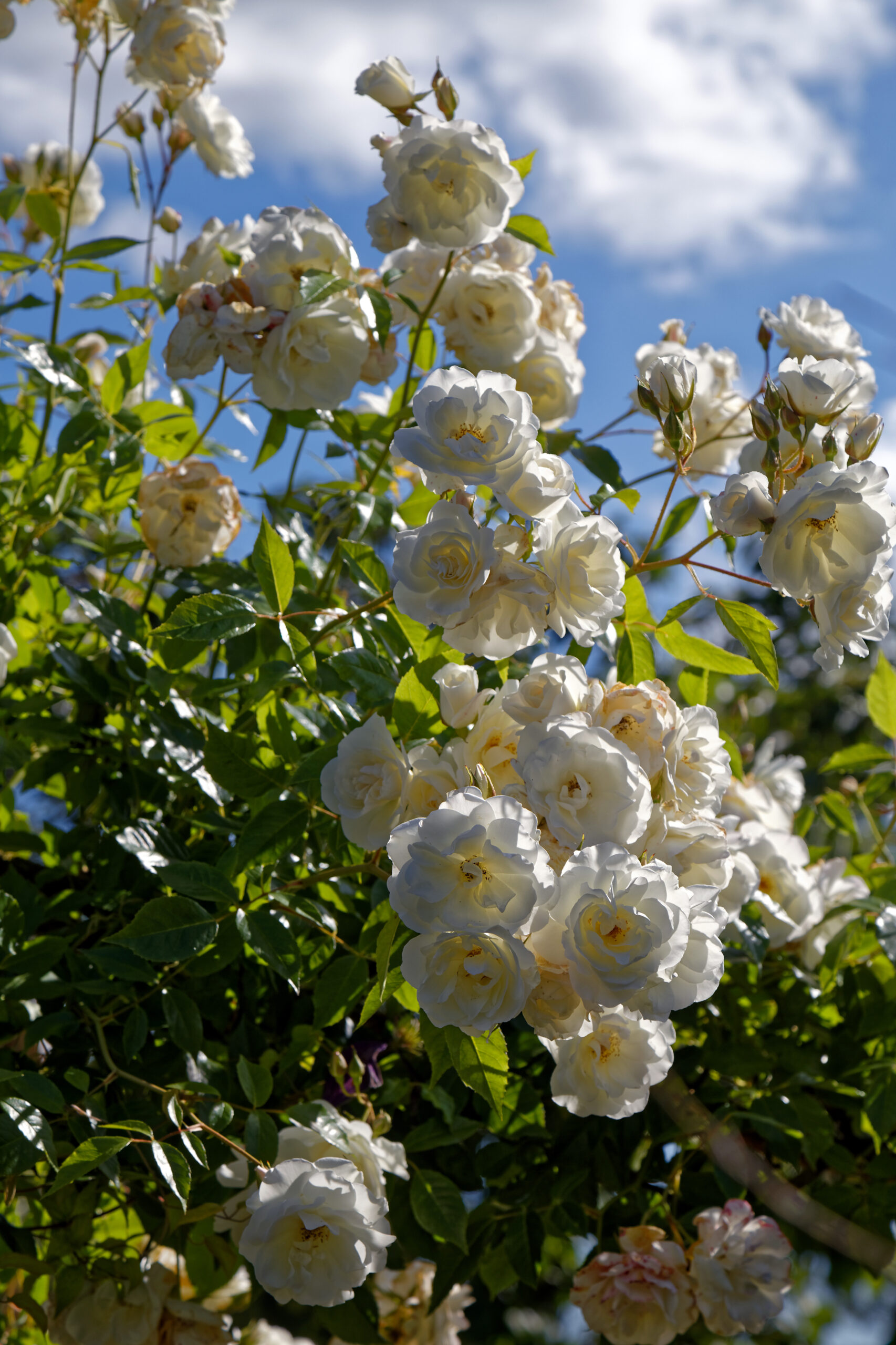
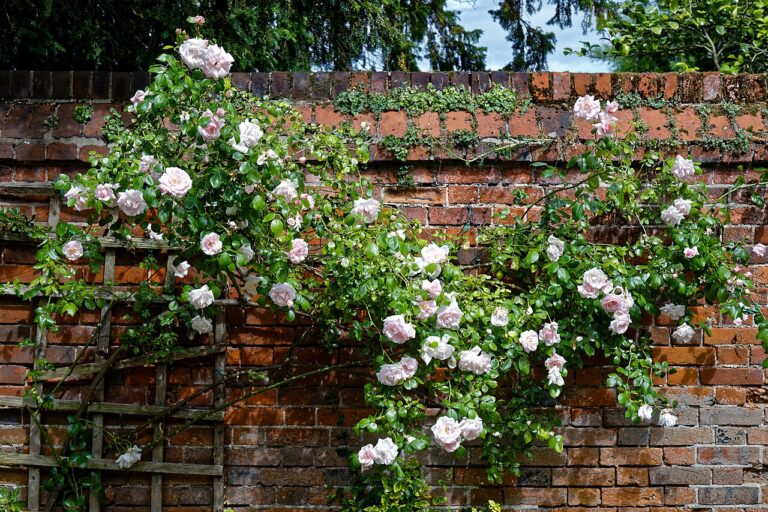
Few plants deliver the romance of a climbing rose arching over a doorway or scrambling up a pergola. Unlike true vines, climbing roses don’t cling on their own — they need a support structure and a bit of guidance from the gardener — but the payoff is a season-long, self-supporting show of color once they’re established.
Choosing the Right Spot
Climbing roses need full sun — at least six hours of direct light a day — to bloom well and stay resistant to disease. They also need well-draining soil rich in organic matter; heavy, waterlogged ground encourages root rot and fungal problems. Before you plant, put the support structure in place first. Whether it’s a trellis, arbor, obelisk, or wall of horizontal wires, installing it at planting time avoids disturbing the roots later and gives the canes something to be trained onto from the very start.
Planting
Dig a generous hole, at least twice the width of the root ball, and work compost into the backfill soil. Position the plant six to twelve inches from the base of its support so the canes can be angled toward it as they grow, rather than planting hard against a wall where the soil is often driest. Water deeply after planting and mulch around the base to conserve moisture and suppress weeds.
Training for More Blooms
The single biggest trick to a heavily flowering climber is training the main canes as close to horizontal as possible, rather than letting them shoot straight up. A cane growing vertically puts most of its energy into extending length, producing flowers only at the very tip. Bent and tied horizontally along wires or a trellis, that same cane triggers side shoots all along its length, and each of those side shoots produces its own flush of blooms. Use soft garden twine to tie canes loosely to the support, checking ties periodically as stems thicken so they don’t girdle the wood.
Pruning
Pruning timing depends on whether your variety is a once-bloomer or a repeat-bloomer. Once-blooming climbers set next year’s flower buds soon after their single flush, so prune them right after flowering finishes. Repeat-blooming climbers can be pruned during the dormant season, in late winter or early spring, removing dead or crossing wood and shortening side shoots (the ones that grow off the main horizontal canes) back to two or three buds to encourage a fresh flush of flowers. Established plants benefit from removing one or two of the oldest, least productive canes each year at ground level to make room for vigorous new growth.
Ongoing Care
Feed climbing roses in early spring as new growth begins and again after the first flush of bloom, using a balanced rose fertilizer. Deadhead spent flowers on repeat bloomers throughout the season to encourage the next round, cutting back to just above a healthy outward-facing leaf. Keep an eye out for black spot and powdery mildew, both of which are more likely where canes are crowded against a wall with poor airflow — a few inches of clearance between the plant and its support, along with base-level watering, goes a long way toward keeping foliage healthy from top to bottom.