LED Grow Lights: The Complete Comparison for Beginners and Pros
LED grow lights have largely replaced fluorescent tubes and HID setups for indoor growing, thanks to lower heat output, longer lifespan, and better efficiency. But the market is crowded with confusing wattage claims and spectrum marketing. Here’s what actually matters when choosing one.
Understanding PAR, Not Just Watts
Wattage measures electrical draw, not how much usable light reaches your plants — a more efficient fixture can produce more usable light for fewer watts. What matters is PAR (Photosynthetically Active Radiation), the light in the 400–700 nanometer range that plants actually use for photosynthesis, and specifically PPFD (Photosynthetic Photon Flux Density), which measures how much of that light lands on the plant’s canopy. If a product lists PPFD at a given distance, that’s far more useful than the wattage alone. As a rough guide, low-light houseplants do fine around 100–200 µmol/m²/s, while fruiting vegetables or high-light plants want 400–600+ µmol/m²/s.
Full-Spectrum vs. Targeted Spectrum
Full-spectrum LEDs aim to mimic natural sunlight, combining blue, red, and often some green and far-red wavelengths, and are the most versatile choice for a mixed houseplant collection since they support both vegetative growth and flowering. Blue light (roughly 400–500nm) drives compact, leafy growth and is emphasized during a plant’s early or vegetative stage. Red light (600–700nm) promotes flowering and fruiting and is often boosted for plants entering bloom. Purely red-and-blue “blurple” panels are cheaper and efficient but render plants and rooms an odd pink-purple color and provide poor visual light for a living space — full-spectrum white-appearing LEDs are usually worth the modest price difference for anywhere you’ll also be spending time.
Distance and Duration
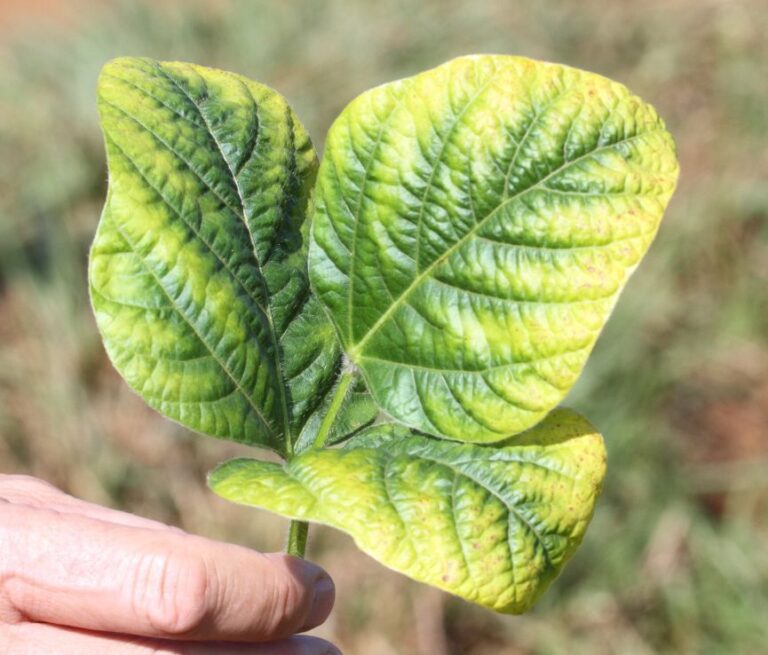
Most household LED grow lights should sit somewhere between 12 and 24 inches above the canopy, depending on wattage and the manufacturer’s guidance — closer for low-powered clip lights, farther for stronger panels to avoid leaf scorch. Watch the plant for feedback: leaves stretching toward the light or growing pale and leggy usually mean the light is too far or too weak; leaves that bleach, curl, or develop dry brown patches mean it’s too close or too intense.
For duration, most flowering and fruiting houseplants and vegetables do well with 12–16 hours of light per day, while low-light foliage plants can get by with supplemental light for just 8–10 hours alongside ambient room light. Plants need a dark period to carry out important metabolic processes, so running lights 24 hours a day is not beneficial and can actually stress plants over time — a simple outlet timer keeps this consistent without daily attention.
Matching Light to Purpose
- Low-light houseplants (pothos, snake plants): small full-spectrum panel or clip light, 8–10 hours, lower PPFD.
- Flowering houseplants (African violets, orchids): full-spectrum with balanced red/blue, 12–14 hours.
- Seed starting and herbs: full-spectrum, higher intensity, positioned close and adjustable in height.
- Larger grow tents or shelving units: panel or bar lights rated for the square footage, checked against PPFD maps if available.
Four LED Grow Lights Compared
To ground the specs above in real products, here’s how four popular grow lights compare:
| Product | Format | Price Tier | Best For |
|---|---|---|---|
| Mars Hydro TSW 2000 | Full-spectrum panel | Premium | Grow tents and shelving units needing strong PPFD across a wide area |
| SANSI 36W LED Grow Light Bulb | Full-spectrum bulb | Budget | A single large plant or clip-on use over a desk |
| Barrina T8 Grow Light Bar | Full-spectrum bar | Budget | Shelving units and seed-starting trays |
| Roleadro LED Grow Light Panel | Red-blue panel | Budget | Growers prioritizing efficiency over spectrum quality |
For most home growers, a mid-range full-spectrum LED panel with an adjustable hanging height and a built-in or add-on timer covers the vast majority of houseplant and small-vegetable needs without needing to dive deep into horticultural lighting specs.
This article may contain affiliate links. If you purchase a product through one of these links, Plantgecko may earn a commission at no extra cost to you. This never influences our editorial independence or which products we recommend.