Dragon Tree (Dracaena): Caring for the Exotic Houseplant
The Dragon Tree: Exotic Style for Any Room
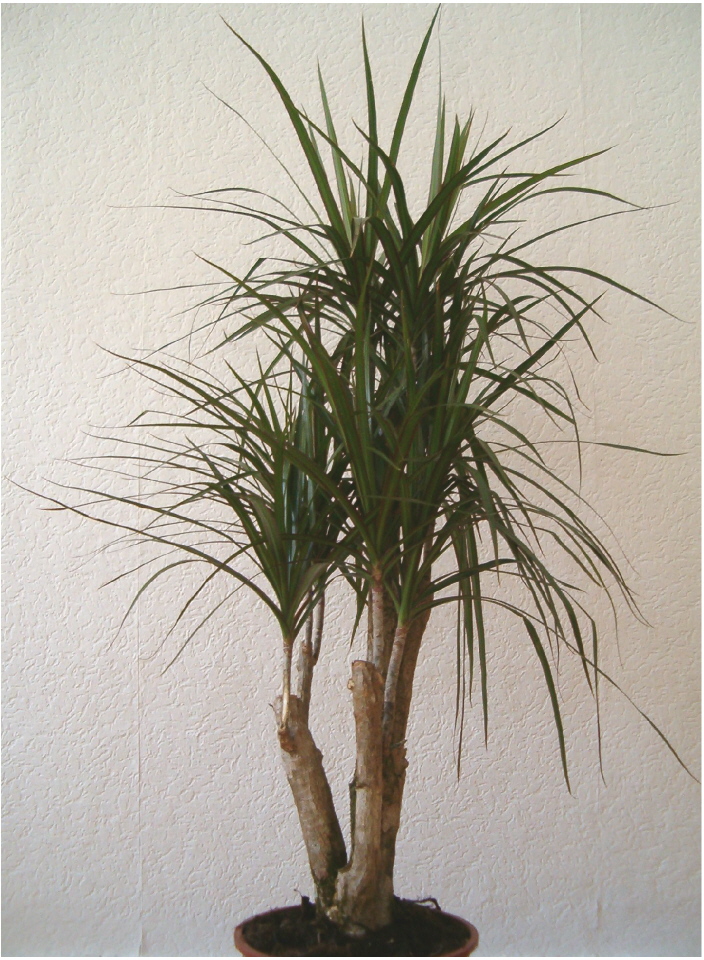
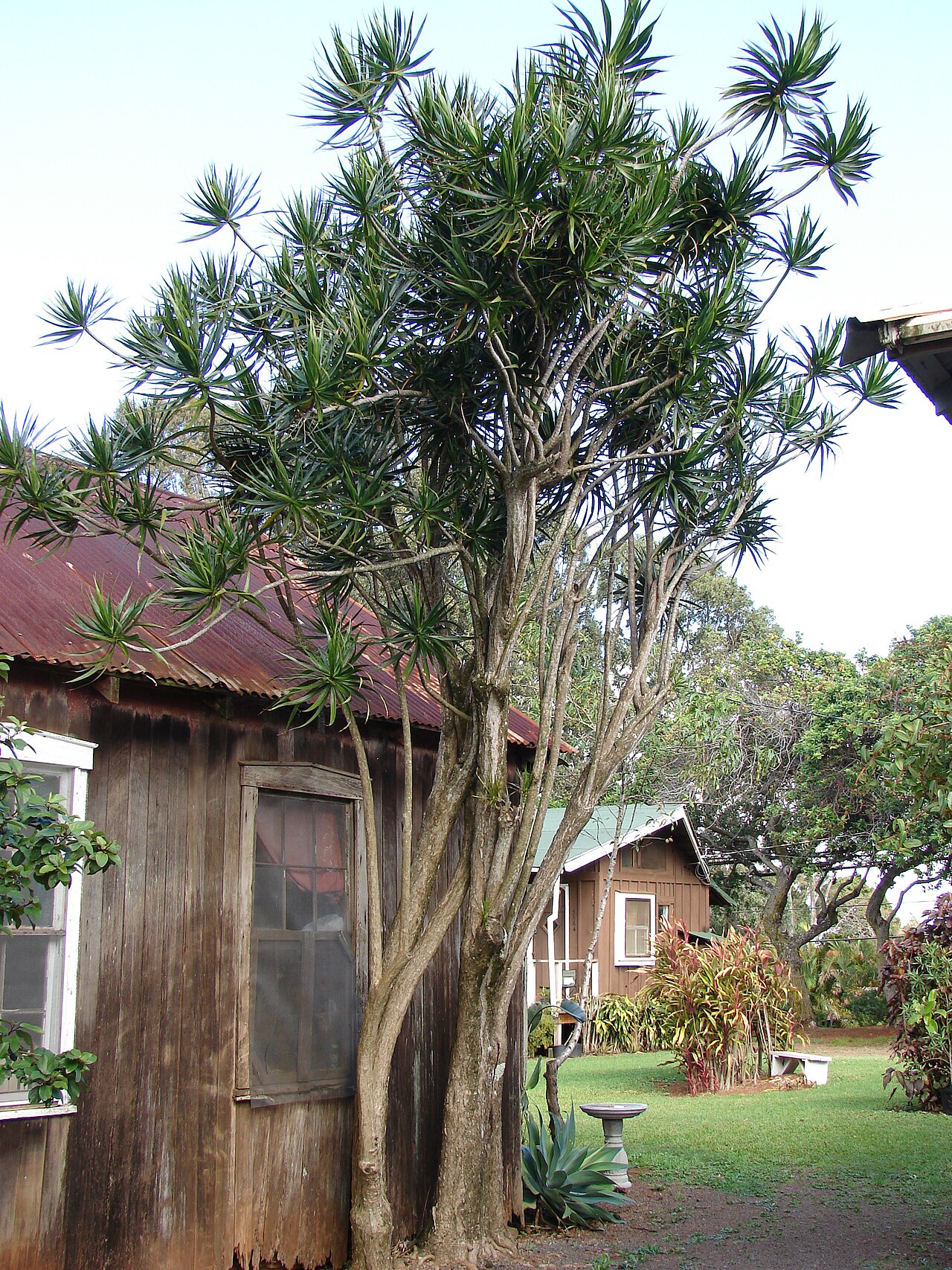
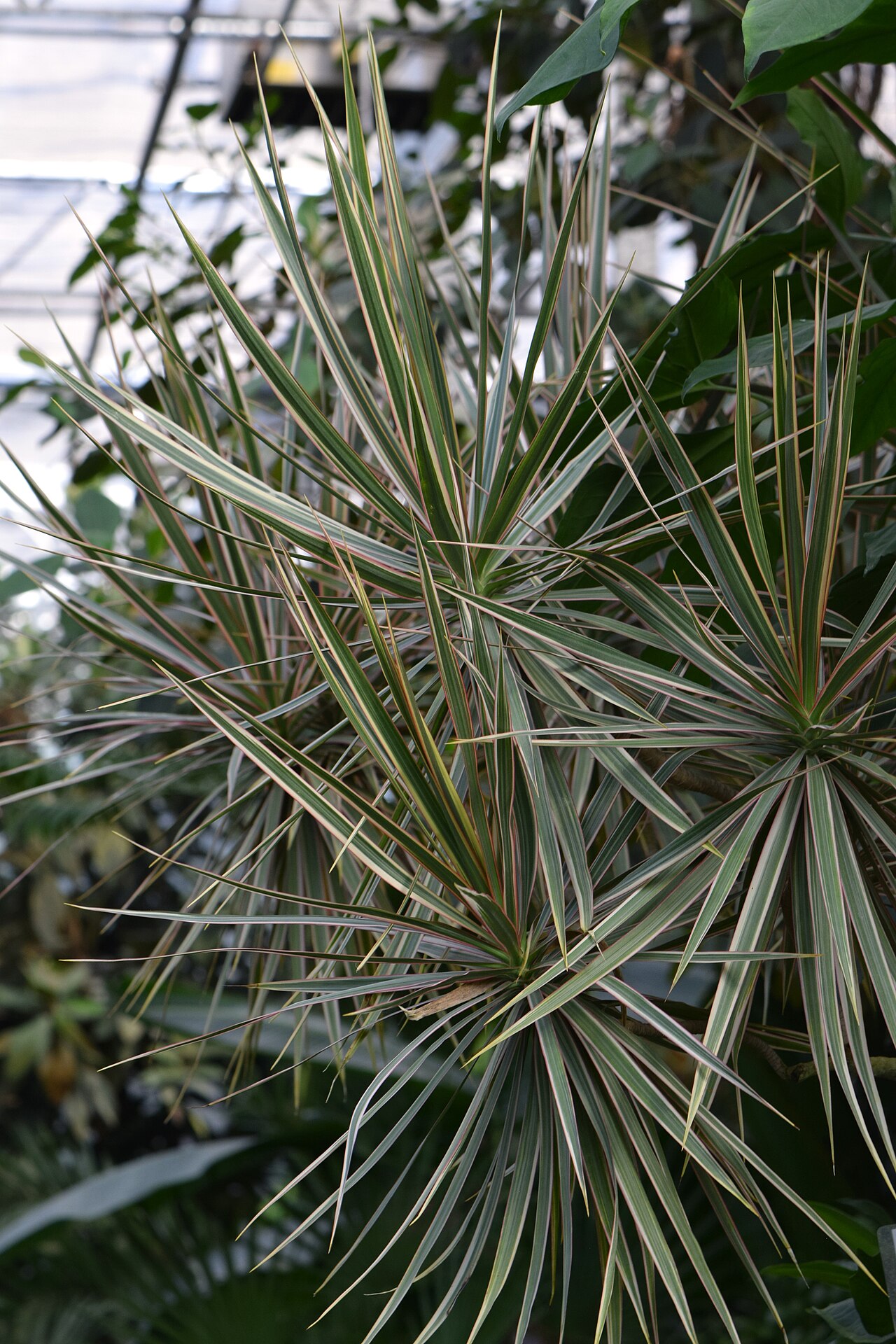
With its sword-shaped leaves and palm-like silhouette, the dragon tree (Dracaena) brings an instant tropical feel indoors. The most popular species is Dracaena marginata, prized for its narrow, red-edged leaves, followed by Dracaena fragrans and Dracaena reflexa. It’s an undemanding, long-lived plant that can grow to an impressive size with the right care.
Choosing the Right Spot
Dragon trees do best in bright locations with indirect light, ideally a few feet back from an east- or west-facing window. Dark-green varieties tolerate lower light levels, while variegated types need brighter conditions to keep their patterning. Avoid direct midday sun, which scorches the leaf tips and leaves brown marks. A room temperature between 65 and 77°F (18-25°C) suits it well.
Watering: Less Is More
This plant prefers to dry out somewhat between waterings. Let the top inch or two of soil become dry to the touch before watering again — roughly once a week in summer and every two to three weeks in winter. Use room-temperature, low-lime water, and always avoid waterlogging, which is the dragon tree’s biggest enemy. A soil moisture meter takes the guesswork out of timing.
Humidity and Leaf Care
As a tropical native, the dragon tree appreciates humidity in the 50-60% range. Misting the foliage occasionally with soft water helps keep it healthy. Brown leaf tips are usually a sign the air is too dry; running a small humidifier nearby can solve the problem.
Feeding
Feed every two weeks from March through August with a liquid houseplant fertilizer diluted to half strength. Dragon trees are sensitive to over-fertilizing, so it’s better to under-feed than overdo it. Stop feeding entirely over winter.
Pruning and Shaping
You can control the shape of a dragon tree by cutting back the main stem to whatever height you like. New side shoots will sprout from the cut within a few weeks, giving the plant a fuller, branched look. The cutting itself can be used to grow a new plant. Spring is the best time to prune.
Repotting
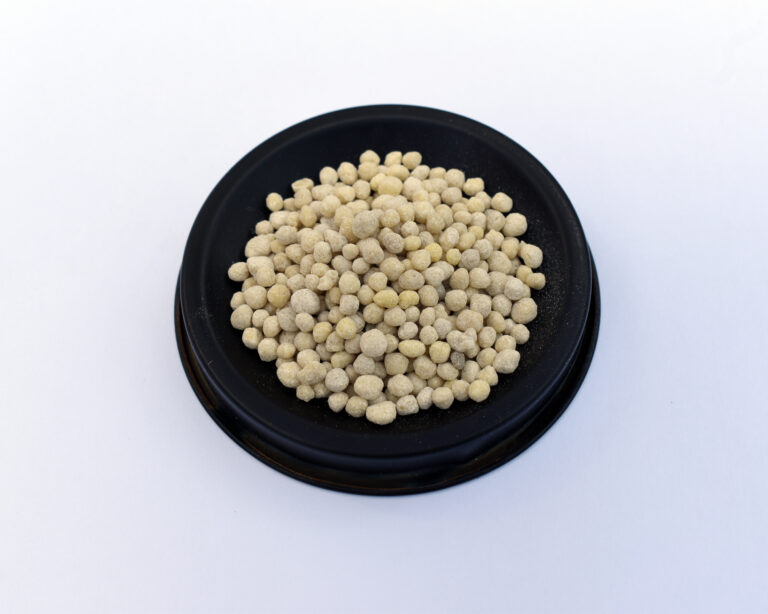
Repot young plants every year and mature specimens every two to three years. Use a loose, free-draining potting mix, and always add a layer of expanded clay pellets at the bottom of the pot to keep water from pooling around the roots.
Propagating from Cuttings
Cut a 4-6 inch section of stem and strip off the lower leaves. Let the cut end callus over for a day before planting. Kept at 72-77°F (22-25°C) with high humidity, the cutting should root in about four weeks.
Common Problems
Brown leaf tips: Dry air, underwatering, or too much fertilizer.
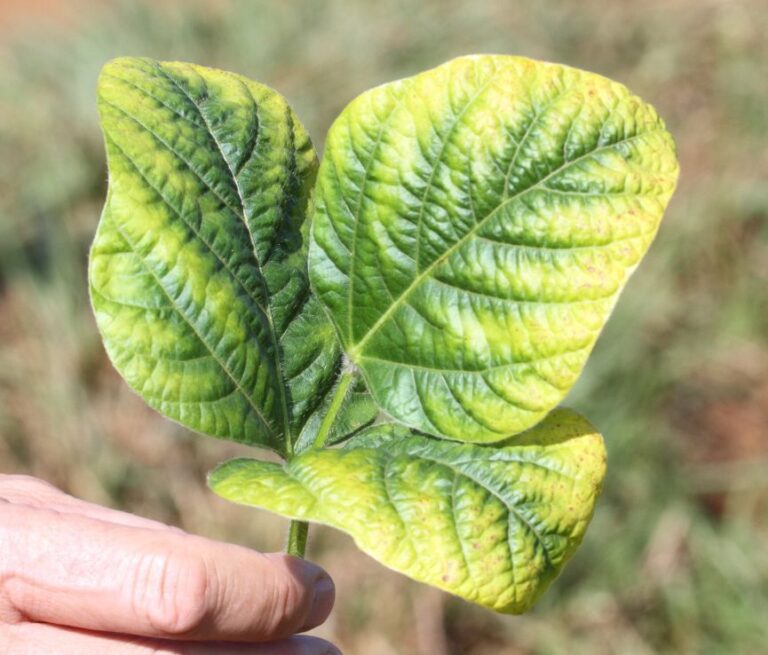
Yellow leaves: Usually overwatering.
Soft, drooping leaves: Cold damage or a draft.
Pests: Spider mites and scale insects tend to appear when heated indoor air is very dry.
Is the Dragon Tree Toxic?
Yes — dragon trees contain saponins and are toxic to pets, cats in particular. Keep the plant well out of reach of animals and small children.
Final Thoughts
The dragon tree is a forgiving, low-maintenance houseplant with genuine exotic appeal, rewarding just a little attention with years of striking foliage.
This article may contain affiliate links. If you purchase a product through one of these links, Plantgecko may earn a commission at no extra cost to you. This never influences our editorial independence or which products we recommend.