Smart Garden Watering: Connected Systems for Modern Plant Care
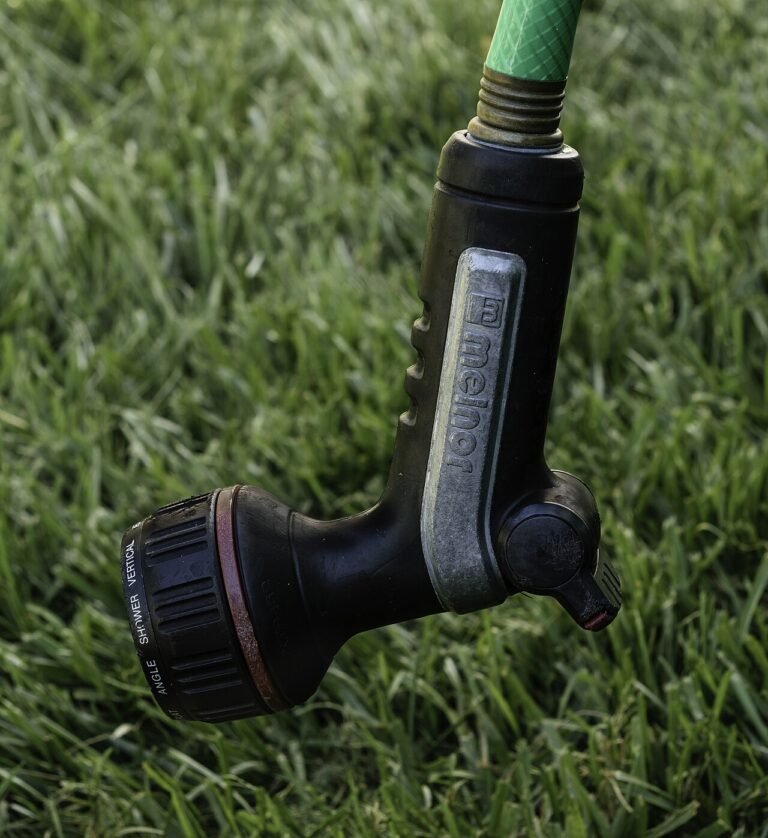
The smart home doesn’t stop at the flowerpot. Smart watering systems monitor soil moisture, check the weather forecast, and decide on their own when your plants need water. Here’s what this technology can actually do — and whether it’s worth the extra cost.
How Does Smart Watering Work?
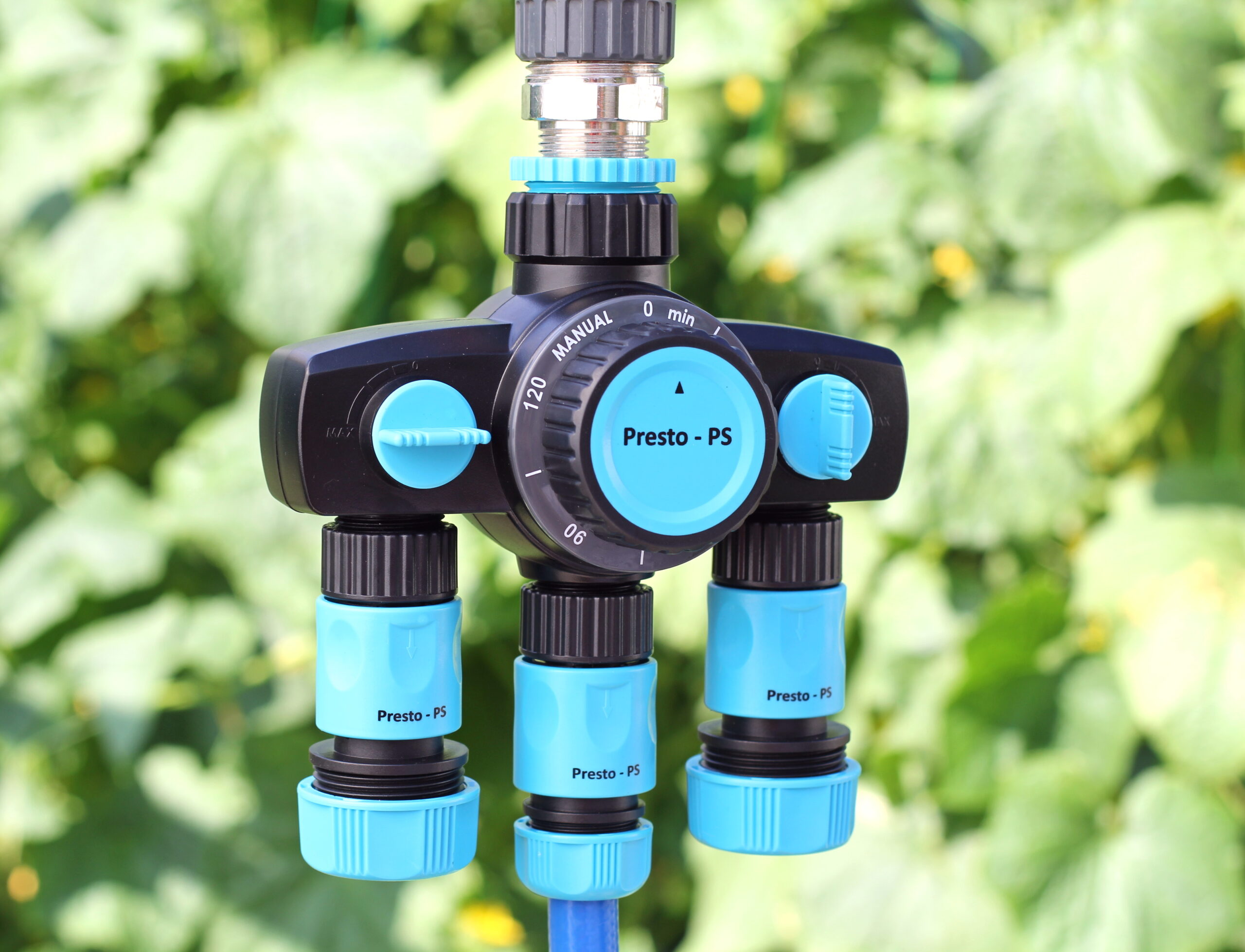
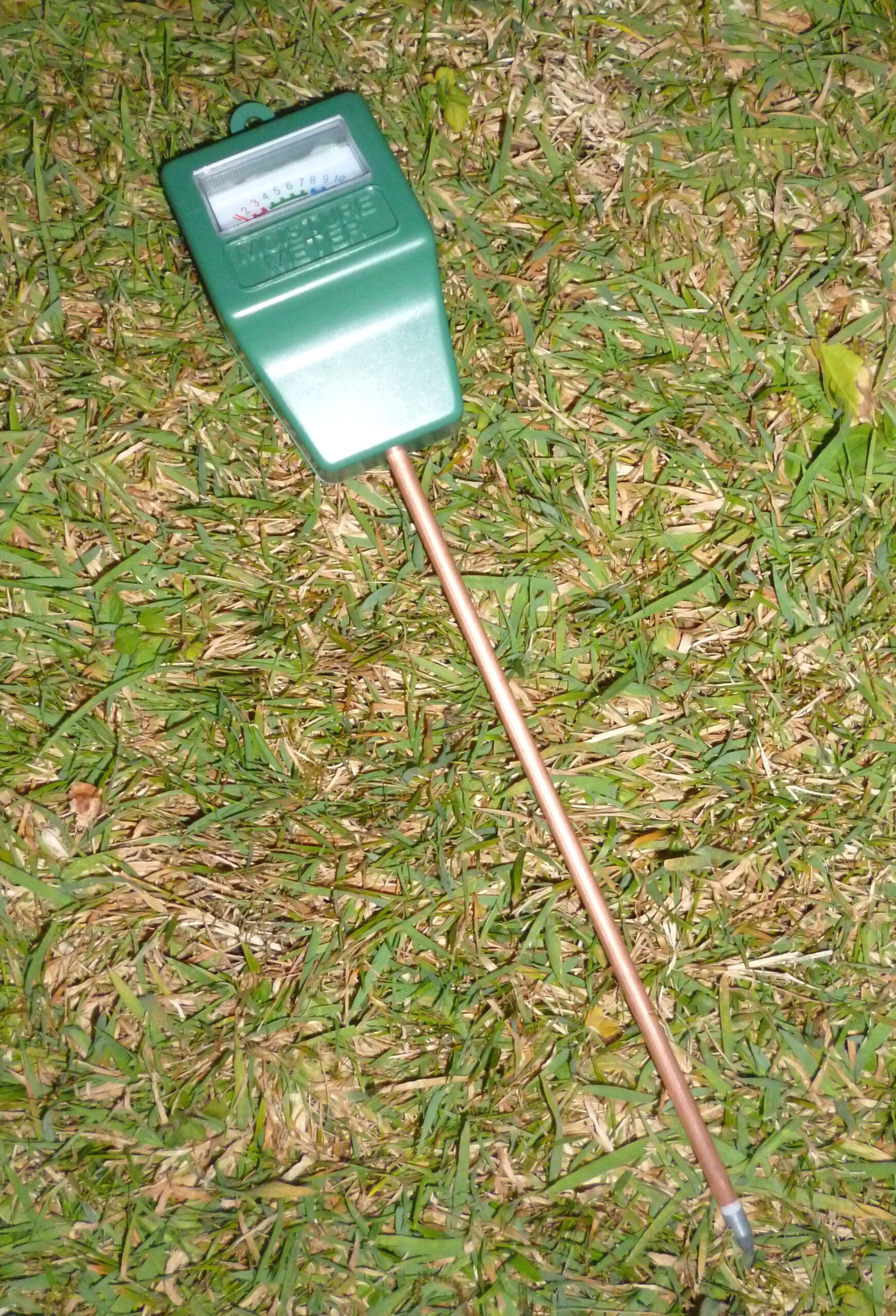
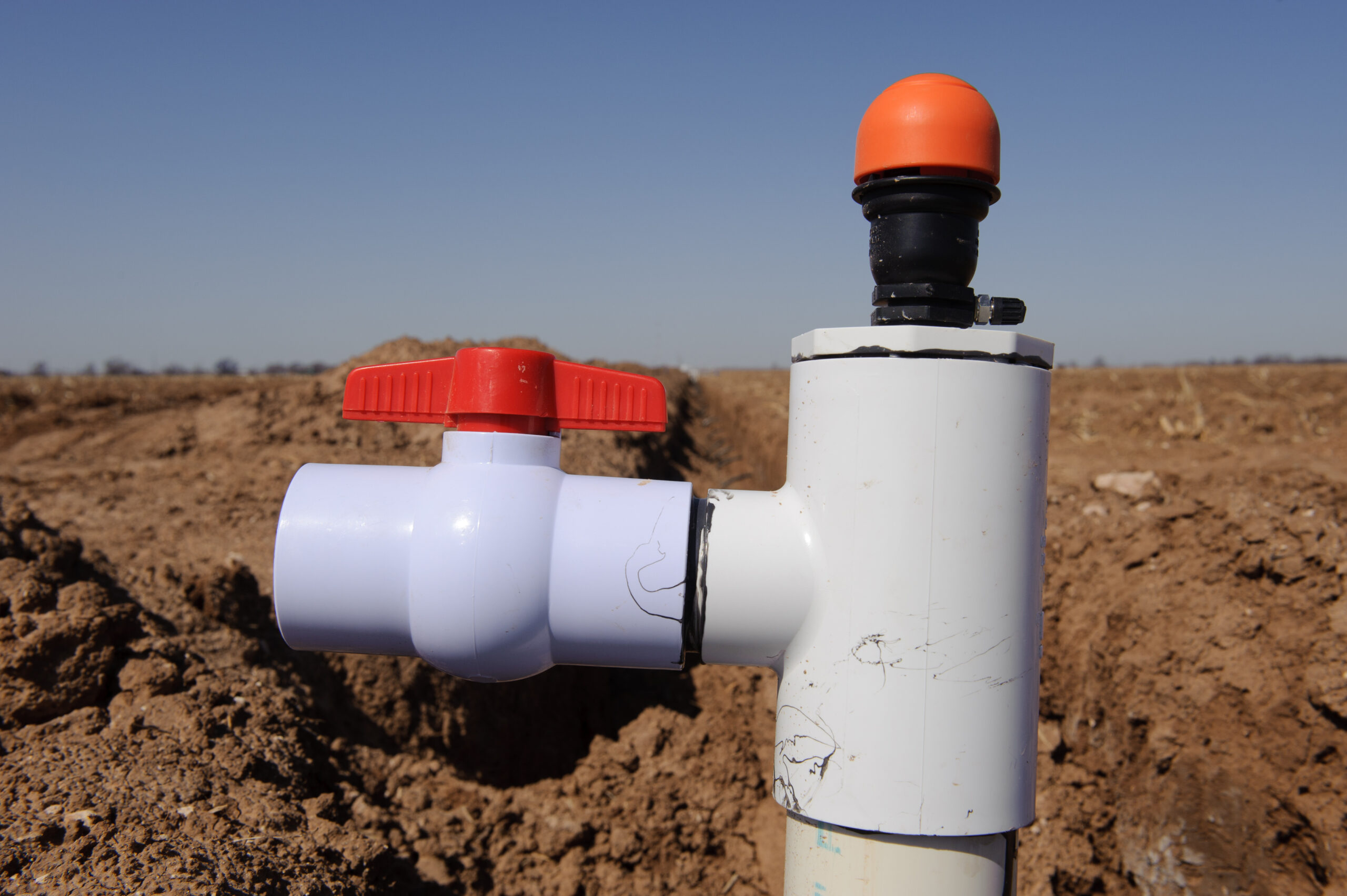
At the heart of it is a connected control unit that communicates with soil sensors, valves, and your smartphone. Sensors measure moisture in the substrate, ambient temperature, and sometimes even nutrient levels. That data feeds into an app, which either gives you recommendations or controls watering fully automatically. Some systems even pull in weather forecasts and pause watering when rain is expected.
The Benefits of Smart Systems
- Watering on demand: plants get water when they actually need it, not on a rigid schedule.
- Remote access: sitting in a café on the other side of the world and watering your Monstera back home? Yes — right from the app.
- Water savings: demand-based control can cut water use by up to 30%.
- Logging and analysis: track water usage over weeks and spot trends.
Is It Worth the Price?
Smart systems quickly run into the hundreds of dollars, the sensors are wear items, and setup isn’t entirely trivial. Who benefits most? Serious hobby gardeners with lots of valuable plants, owners of conservatories, and anyone who travels often are likely to see the biggest payoff. For a handful of spider plants on the windowsill, it’s overkill.
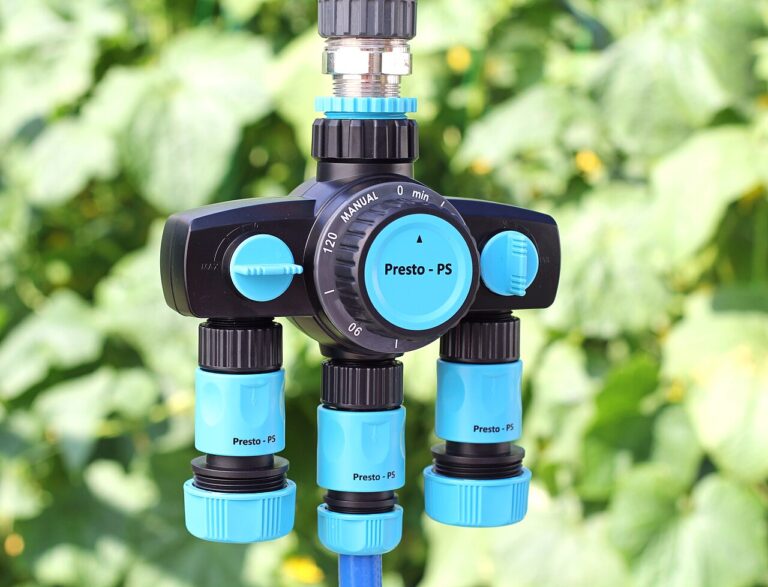
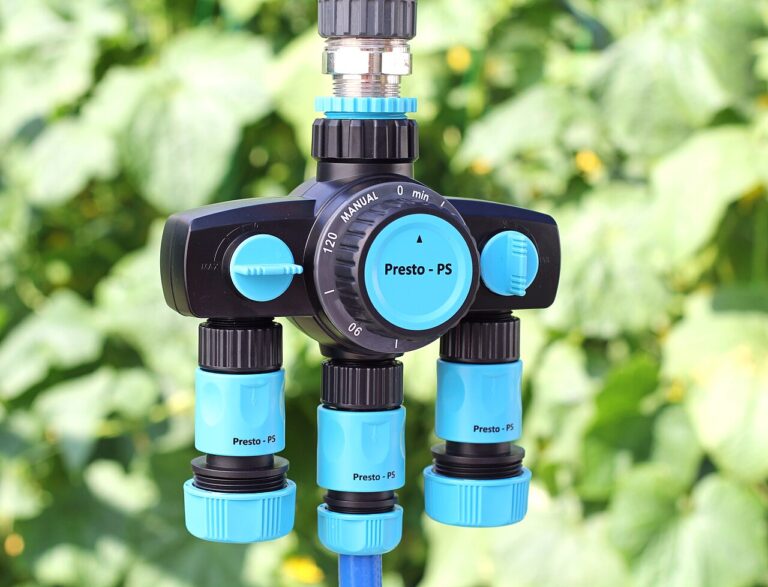
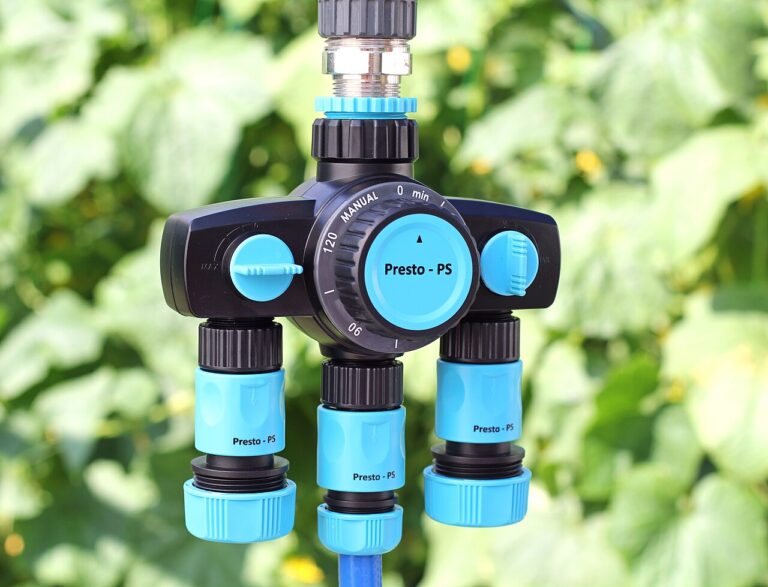
A good starting point is a connected smart watering controller with app-based scheduling, or more affordable options built around Bluetooth soil sensors.
This article may contain affiliate links. If you purchase a product through one of these links, Plantgecko may earn a commission at no extra cost to you. This never influences our editorial independence or which products we recommend.