Christmas Cactus (Schlumbergera): Care Guide for Holiday Blooms
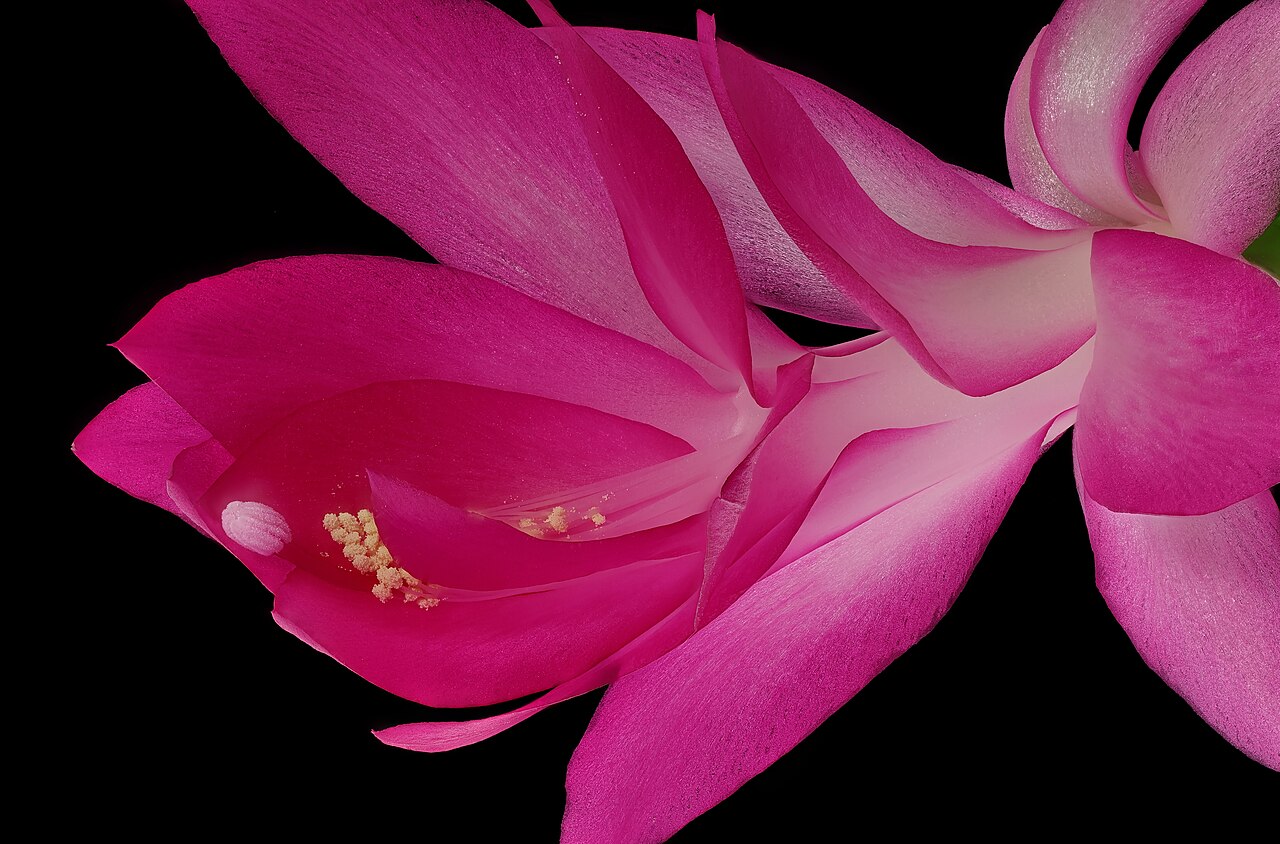
The Christmas Cactus – Floral Magic in the Cold Season
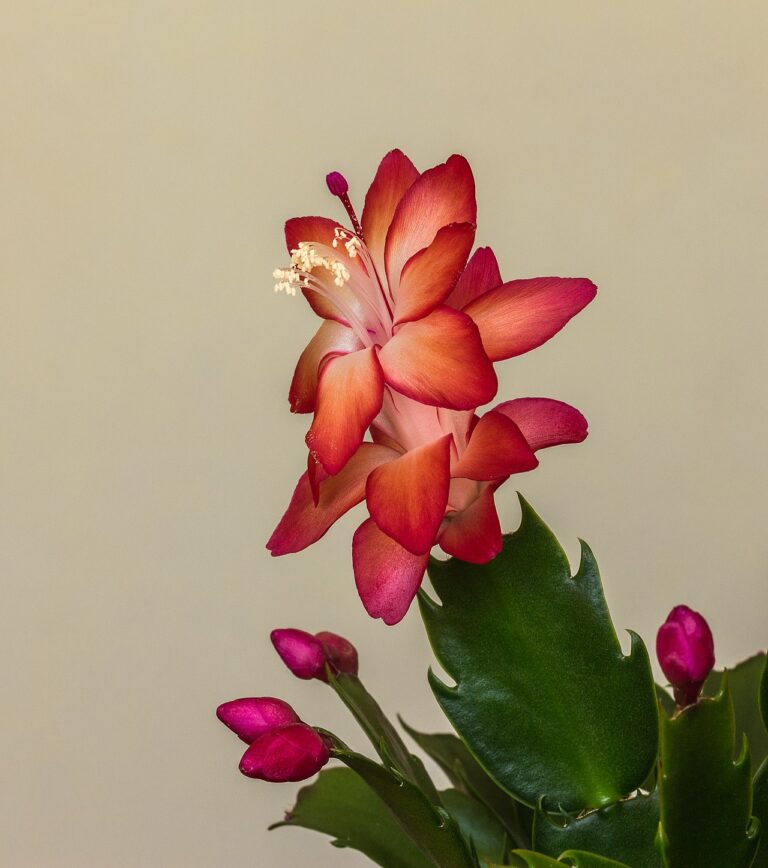
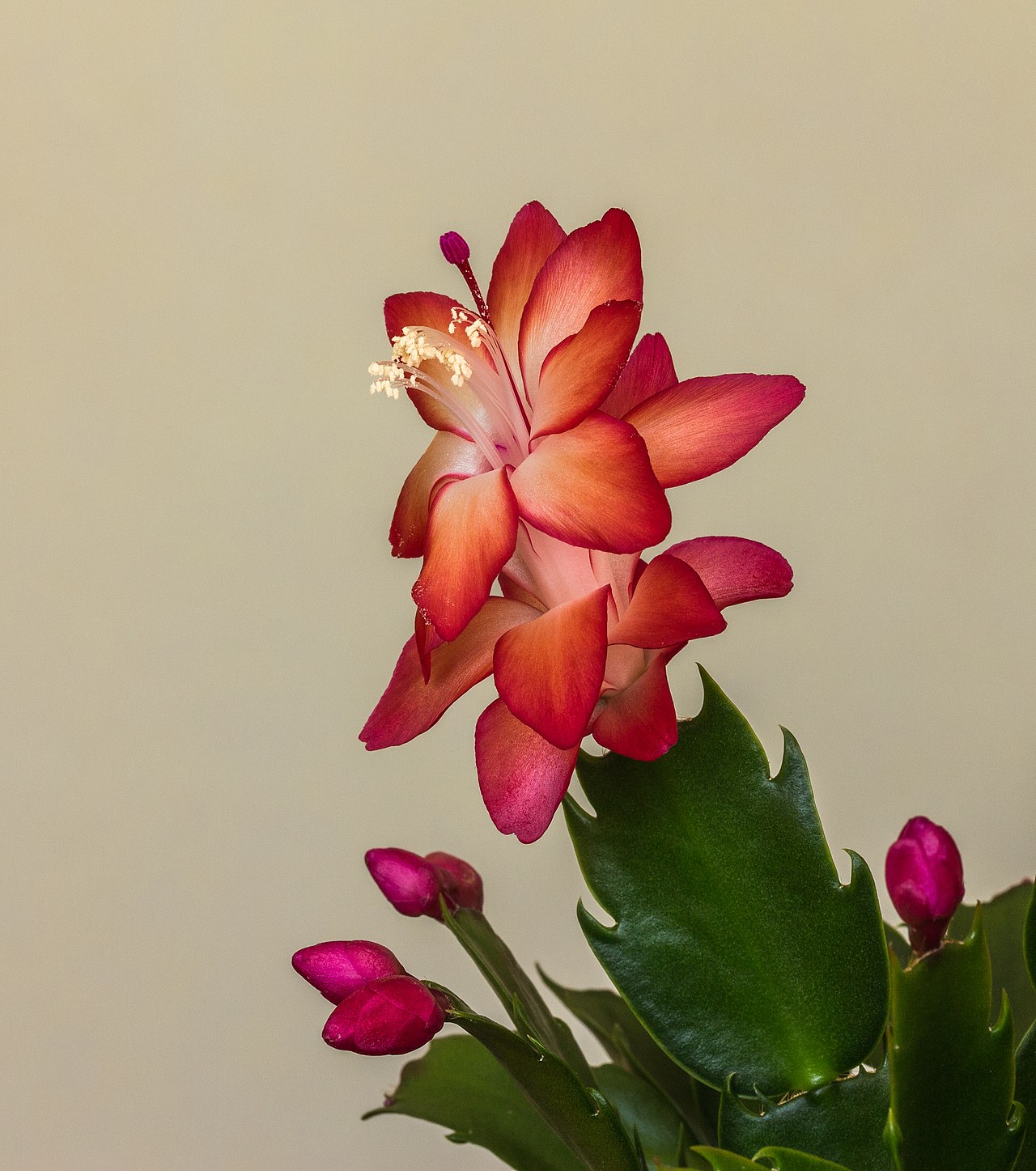
The Christmas cactus (Schlumbergera) is a remarkable flowering houseplant: while most plants rest during winter, this is exactly when it unfurls its magnificent blooms. With its cascading stems and vibrant flowers in red, pink, white, or orange, it’s a real eye-catcher on the windowsill. Unlike desert cacti, the Christmas cactus originates from the humid mountain forests of Brazil, and its care requirements reflect that.
The Right Location
The Christmas cactus likes a bright spot without direct midday sun. An east- or west-facing window is ideal. During the growing season from March to September, it tolerates normal room temperatures of 20 to 25°C (68–77°F). In summer, it can even be placed outdoors in a sheltered spot – just be sure to acclimate it gradually to outdoor conditions.
Watering – The Christmas Cactus Is Not a Desert Cactus
As a tropical plant, the Christmas cactus needs more water than its desert-dwelling relatives. Keep the soil evenly moist but not soggy during the growth phase. Water with low-lime water as soon as the top layer of soil has dried out. Be sure to avoid waterlogging, as it leads to root rot. A pot with good drainage is essential here.
The Rest Period – The Key to Flowering
To form flowers, the Christmas cactus needs a rest period: from around September, place it somewhere cooler, at 12 to 15°C (54–59°F), for about 6 to 8 weeks. During this time, cut back significantly on watering – keep the soil only slightly moist. The plant also needs a period of short days: place it somewhere dark in the evenings or cover it, since even artificial light can disrupt bud formation.
Fertilizing
Fertilize every two to three weeks from March to August with a potassium-rich liquid fertilizer at half strength. A fertilizer formulated specifically for cacti provides the ideal nutrient balance. Do not fertilize during the rest period or while the plant is flowering.
Repotting and Soil
Repot the Christmas cactus every two to three years after flowering. Use loose, humus-rich soil with good drainage – a mix of potting soil, sand, and perlite works well. The pot shouldn’t be too large; Christmas cacti bloom best when their roots are a little snug.
Propagation from Cuttings
Propagation is easy: in spring or summer, gently twist off a segment about three to four sections long and let it dry for a day. Then insert the cutting into moist seed-starting soil. Roots typically form within three to four weeks. A good-quality seed-starting mix encourages root development.
Common Problems
Buds dropping off: The plant was moved or rotated during bud formation – once buds appear, stop turning or relocating the pot.
No flowers: Missing rest period or too much light in autumn.
Shriveled stems: Lack of water – water more often, but avoid waterlogging.
Root rot: Soil too wet – repot and water less often.
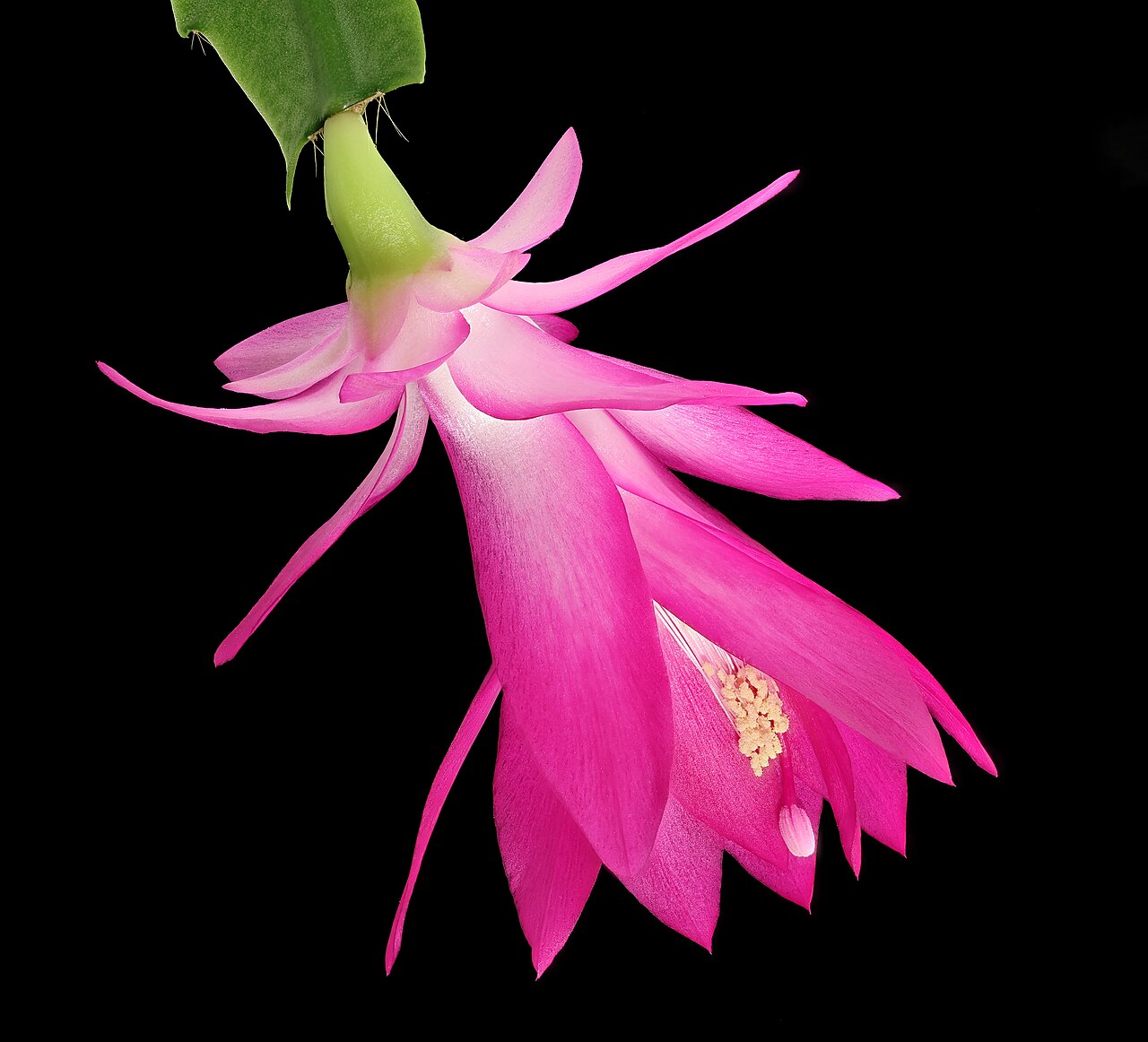
Easter Cactus vs. Christmas Cactus – The Difference
The Christmas cactus (Schlumbergera x buckleyi) has rounded leaf notches and blooms from November to January. The Easter cactus (Hatiora gaertneri) blooms in spring and has smoother edges. When buying a Schlumbergera, look for healthy, plump stem segments.
Conclusion
The Christmas cactus is a low-maintenance, long-lived houseplant that, with good care, can live for decades. With the right rest period in autumn, it will reliably reward you with a spectacular holiday bloom.