Cacti for Beginners: 5 Easy Types to Start With
Introduction
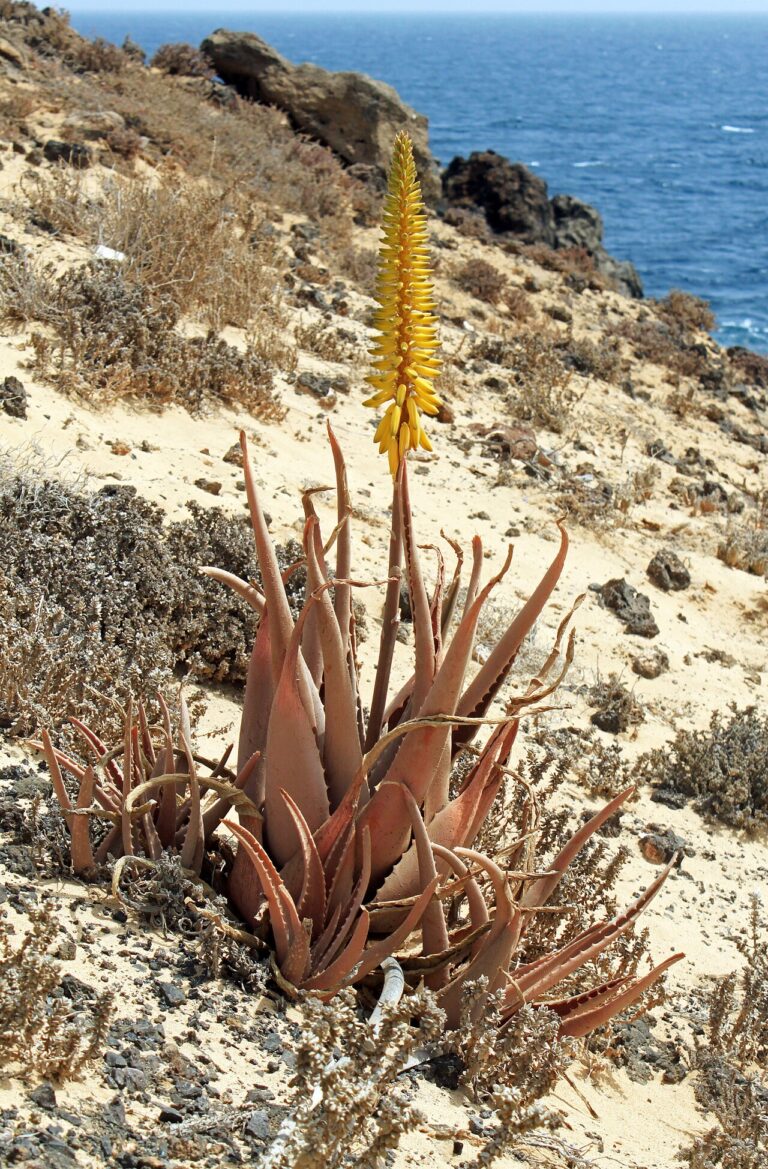
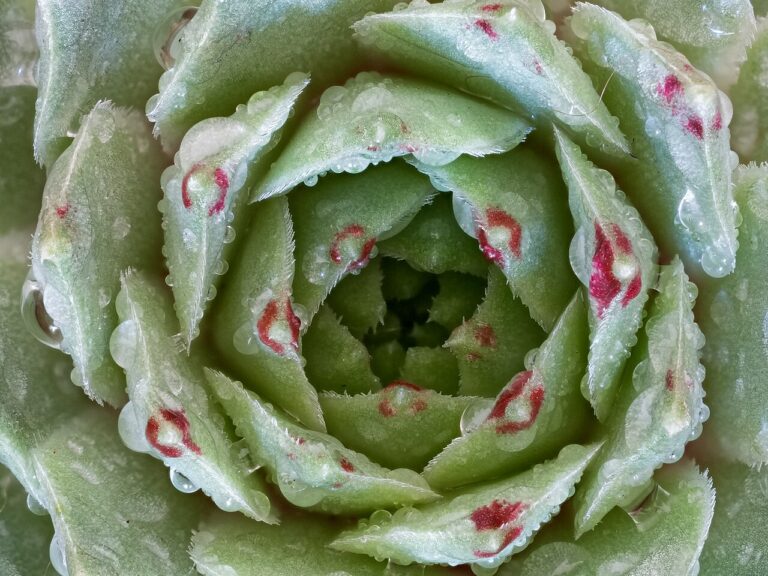
Photo: Quartl (CC BY-SA 3.0, Wikimedia Commons)
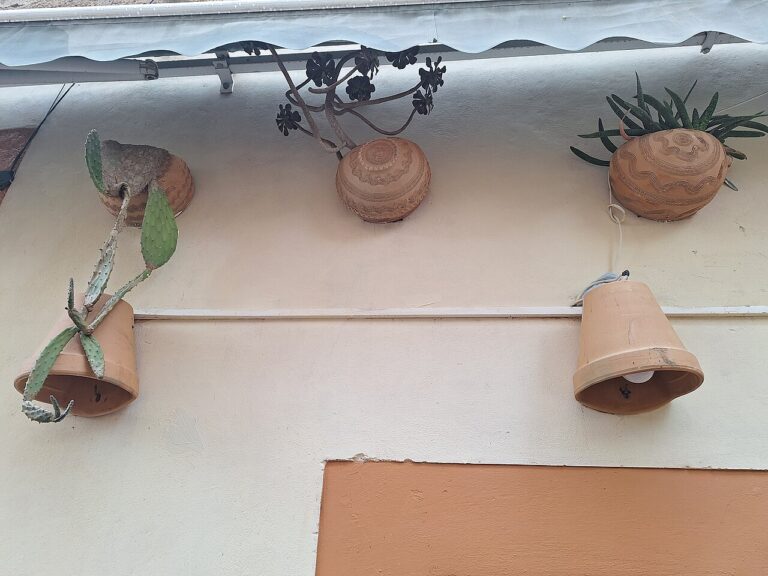
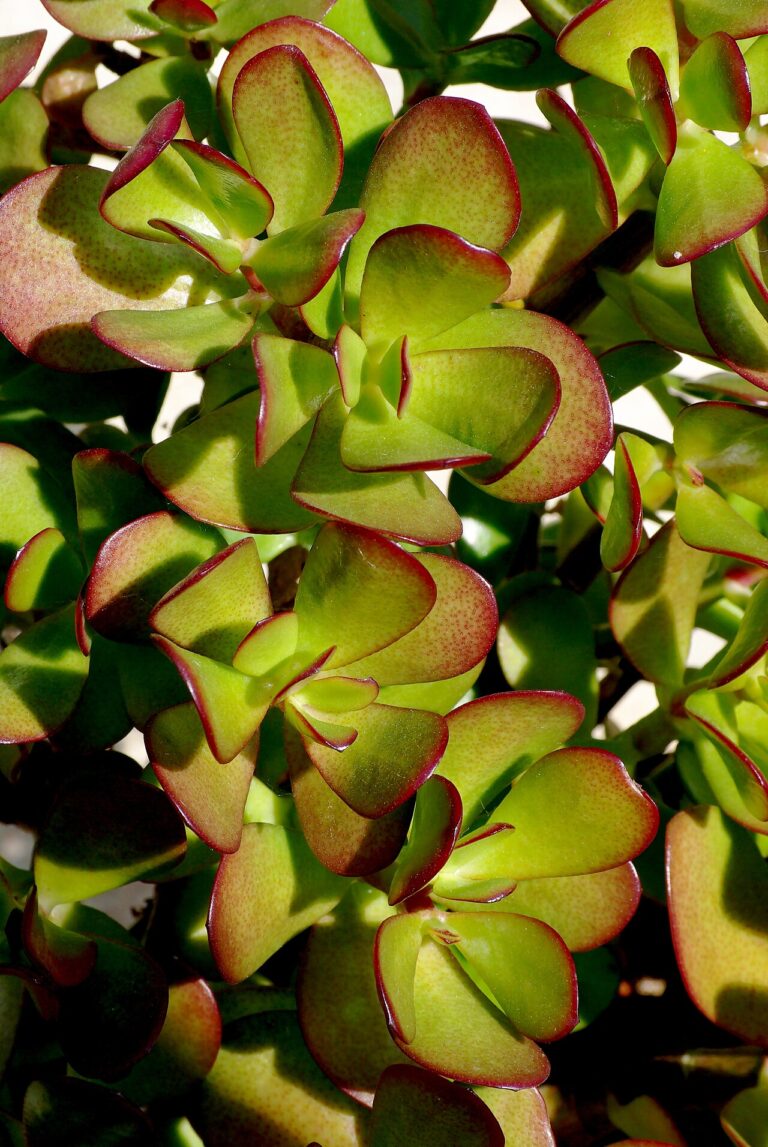
Photo: Diego Delso (CC BY-SA 3.0, Wikimedia Commons)
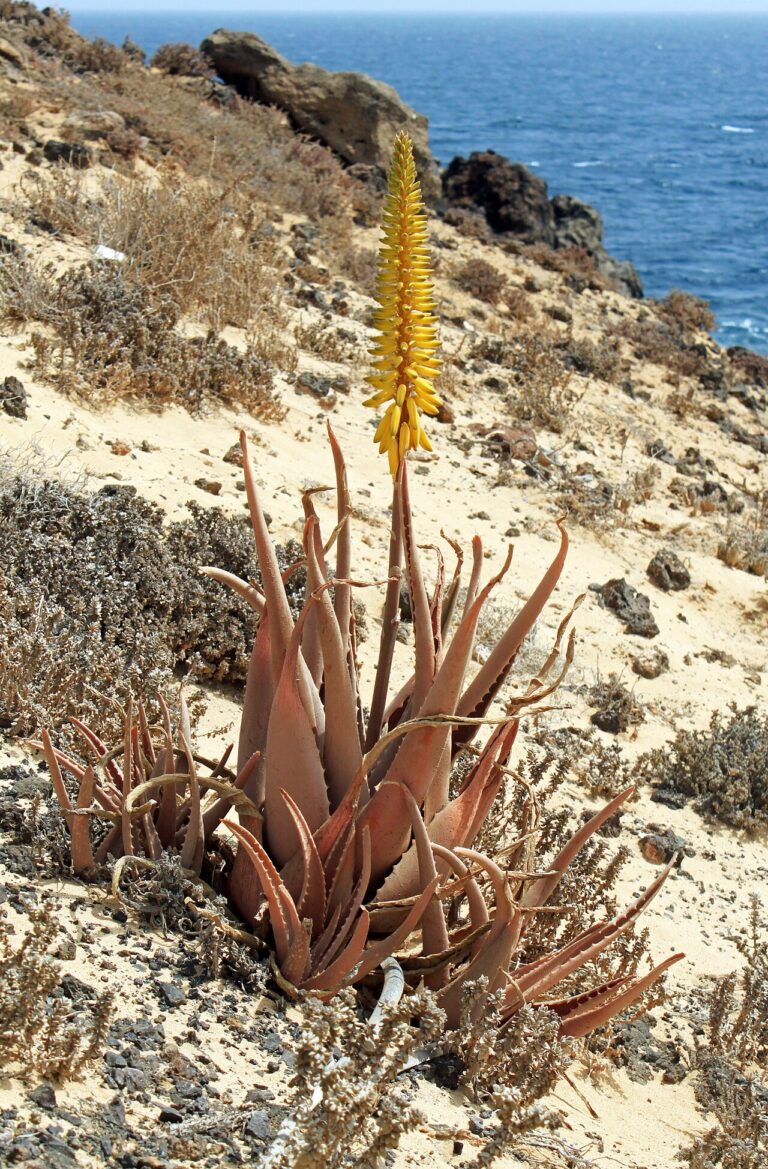
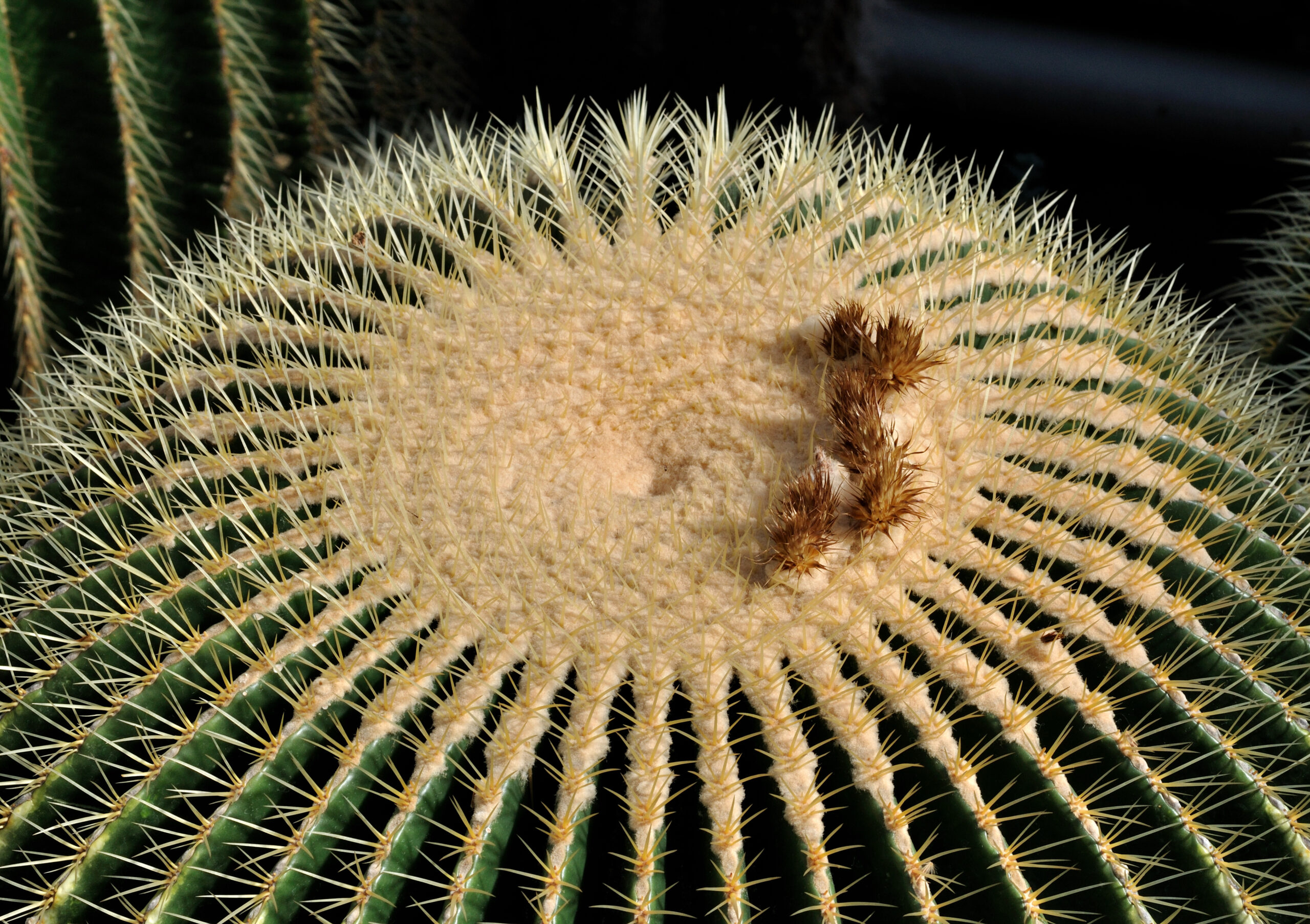
Photo: Photograph by Mike Peel (www.mikepeel.net). (CC BY-SA 4.0, Wikimedia Commons)
Cacti are among the most low-maintenance houseplants you can grow, adapted to survive long dry spells and intense sun in their native habitats. That resilience makes most species very forgiving of an inconsistent watering schedule, though a few basics — strong light, gritty soil, and restraint with the watering can — make all the difference between a thriving cactus and a rotting one.
Who This Is For
General Cactus Care
Most desert cacti need several hours of direct sun each day, so a south- or west-facing windowsill is usually the best spot indoors. Plant them in a fast-draining cactus and succulent mix, amended with extra perlite, pumice, or coarse sand if needed, and always use a pot with a drainage hole. Water thoroughly, then let the soil dry out completely before watering again — in most homes this means every two to four weeks in the growing season and much less in winter, when many cacti rest and need almost no water at all.
Buying Criteria
Five Great Beginner Cacti
Golden Barrel Cactus (Echinocactus grusonii): A rounded, ribbed cactus covered in bright golden spines. Slow-growing and extremely tolerant of neglect, it just needs strong light and infrequent watering to slowly form its classic barrel shape.
Product/Option Categories
Bunny Ears Cactus (Opuntia microdasys): Named for its paired, ear-like pads, this cactus has small tufts of tiny barbed hairs called glochids instead of large spines — handle it with thick gloves or tongs, as the glochids are easily brushed into skin. It grows quickly in bright light and is easy to propagate from a single pad.
Old Lady Cactus (Mammillaria hahniana): A compact, globular cactus covered in soft white hairs alongside its spines, giving it a fuzzy appearance. It produces a ring of small pink flowers when mature and grown in enough light, and stays a manageable size for windowsills.
Trade-offs
Moon Cactus (Gymnocalycium mihanovichii): The brightly coloured red, orange, or yellow ball on top is a mutant cactus lacking chlorophyll, grafted onto a green rootstock cactus that does the photosynthesising for it. It needs slightly less direct sun than true desert cacti to avoid scorching the colourful top.
Disclosure
This article may contain affiliate links. If you purchase a product through one of these links, Plantgecko may earn a commission at no extra cost to you. This never influences our editorial independence or which products we recommend.
| Product | Best For | Price | |
|---|---|---|---|
| Golden Barrel Cactus (Echinocactus grusonii) | Top Pick | Check price | View |
| Bunny Ears Cactus (Opuntia microdasys) | Also Consider | Check price | View |
| cactus and succulent mix | Budget Alternative | Check price | View |
Recommendation Framework
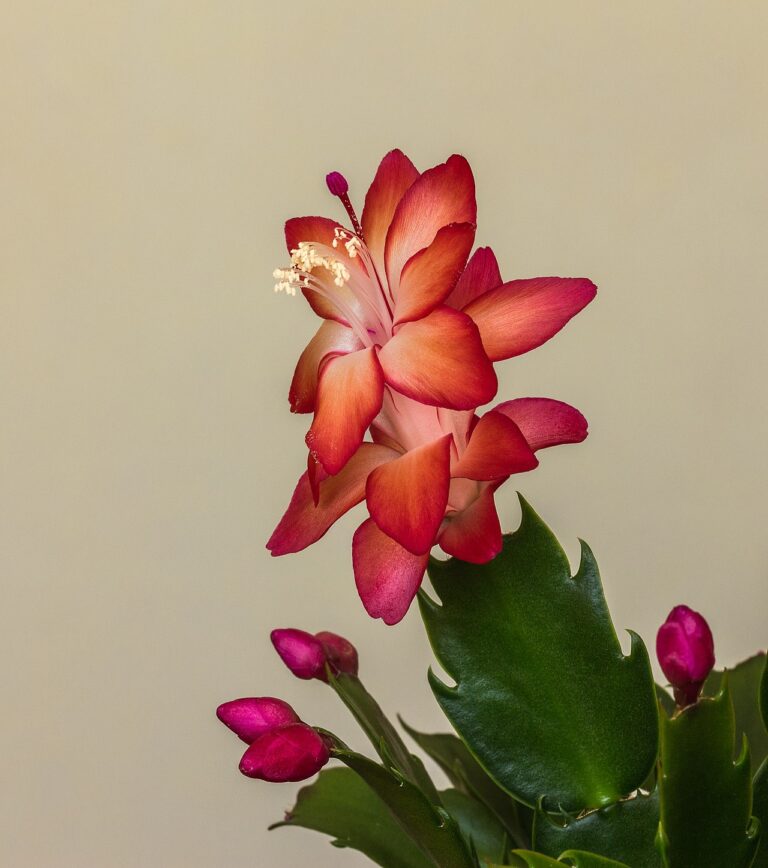
Christmas Cactus (Schlumbergera): Unlike the others on this list, this is a jungle cactus from Brazilian rainforests, so it prefers bright but indirect light, slightly richer soil, and more consistent moisture than desert cacti. It rewards good care with showy flowers around the winter holidays.
Common Problems.
Conclusion
The most frequent cactus killer is overwatering: a soft, discoloured, or mushy base almost always means rot, usually from watering too often or using a pot without drainage. Etiolation, where a cactus grows thin, pale, and stretched toward the light, signals too little sun and is best corrected by gradually moving the plant to a brighter spot. With strong light, gritty soil, and a watering can used sparingly, these five cacti make an excellent, nearly hands-off introduction to growing cacti indoors.