Strawberries: Planting and Caring for a Bountiful Harvest
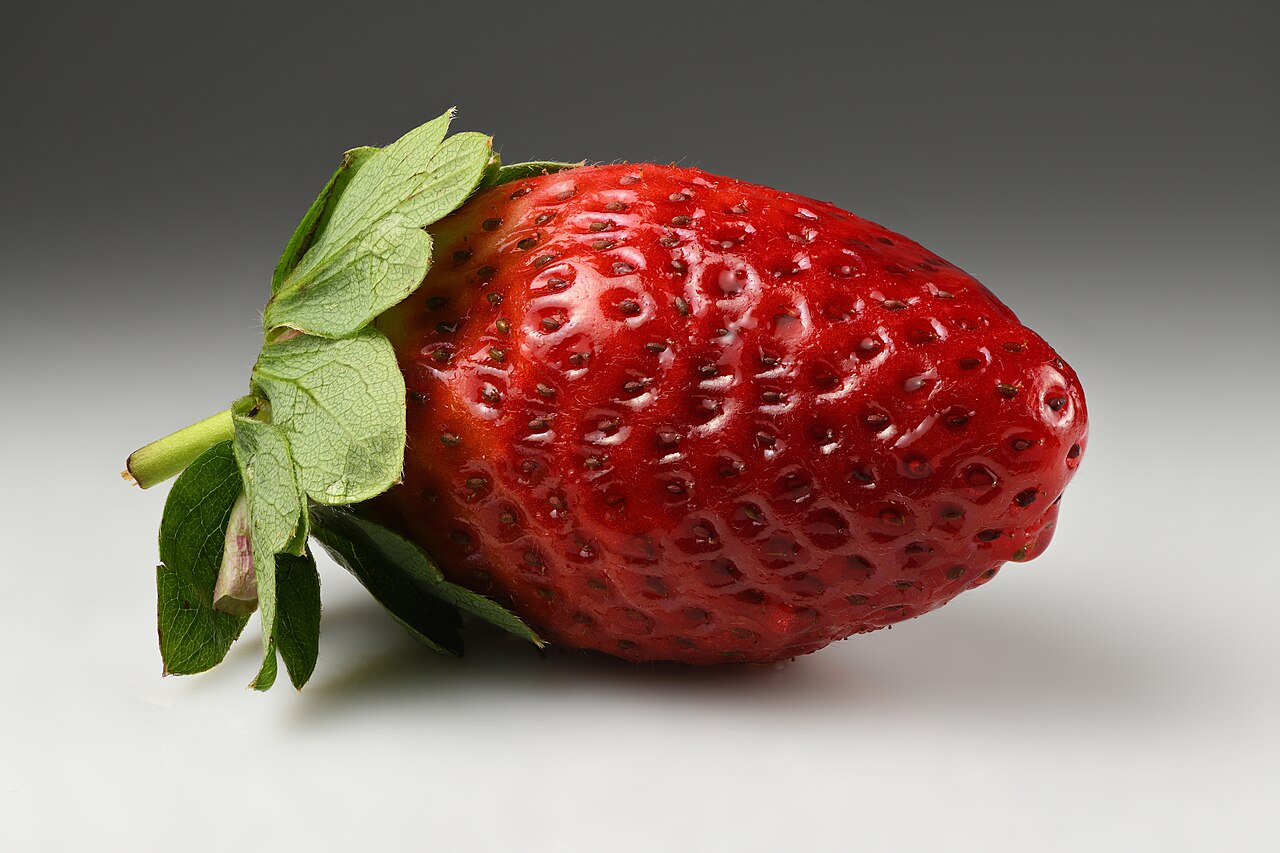
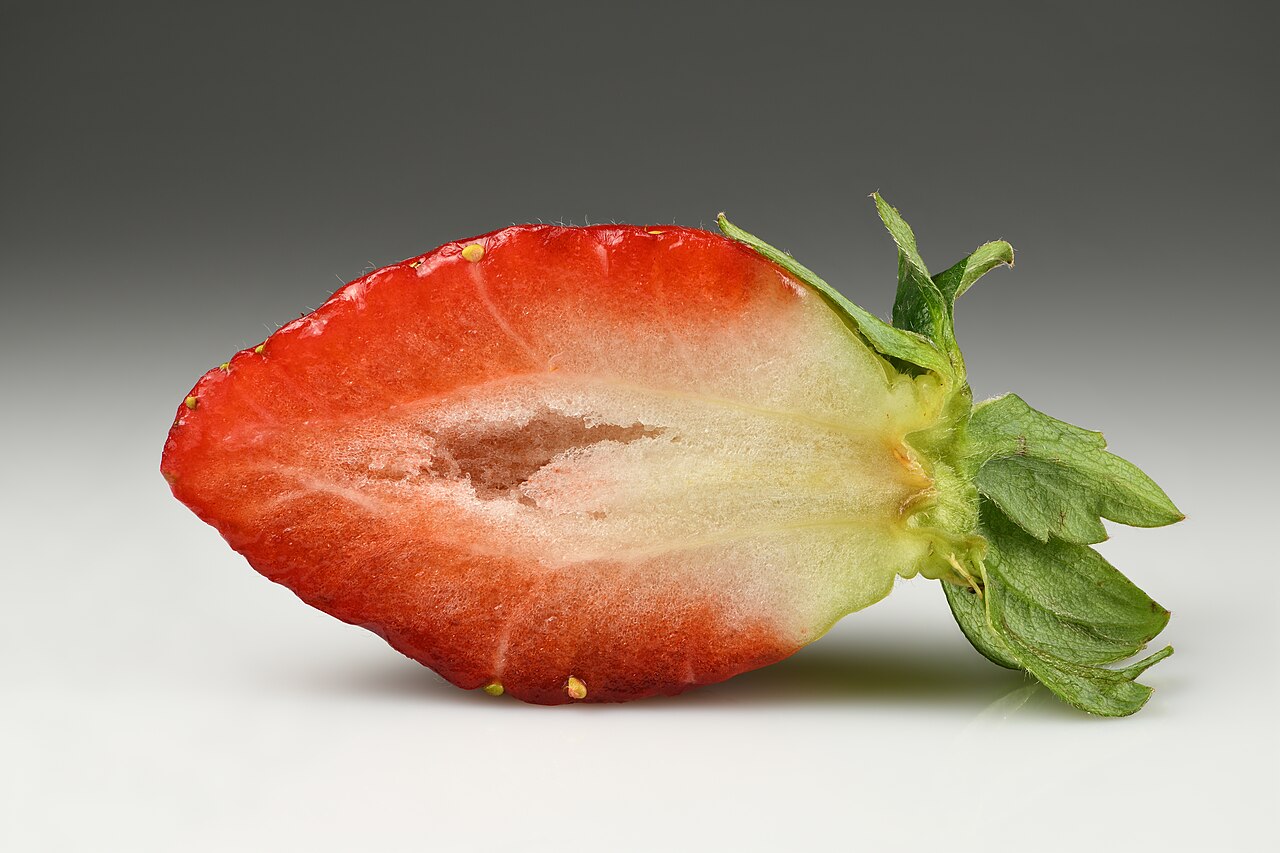
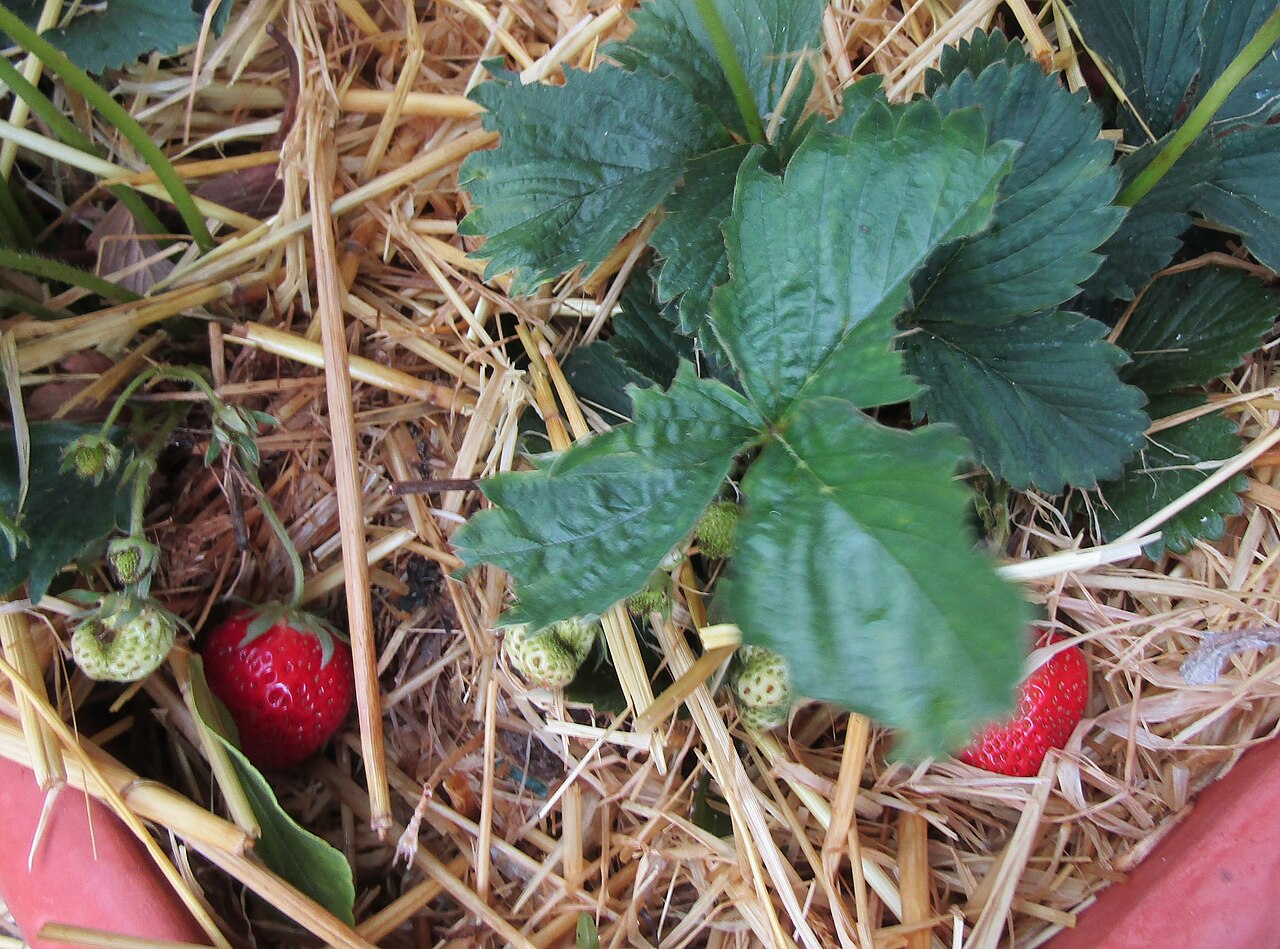
I’d appreciate if you could mail me (Kolforn@gmail.com) if you want to use this pi (CC BY-SA 4.0, Wikimedia Commons)
Choosing a Site and Planting Time
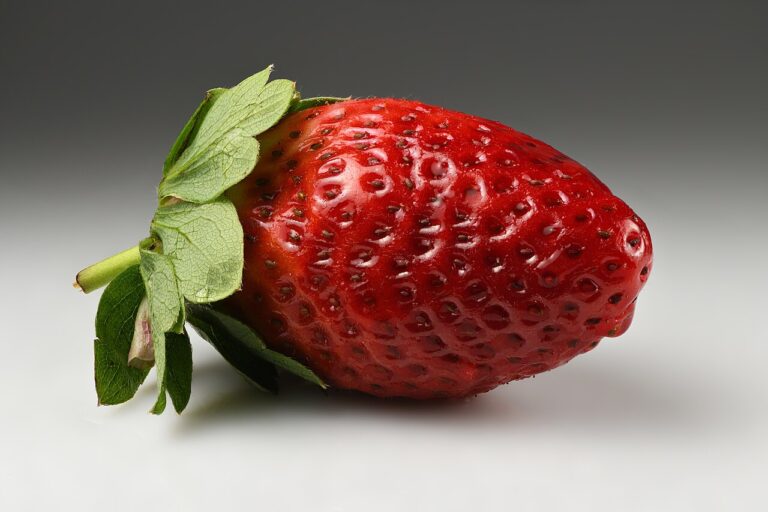
Strawberries thrive in full sun, needing at least six to eight hours of direct light each day to produce sweet, well-formed fruit. Choose a spot with rich, well-draining soil and a slightly acidic pH between 5.5 and 6.8. Heavy clay soils should be amended with compost or planted in raised beds, since strawberries are prone to root rot in waterlogged ground. In most temperate climates, bare-root crowns are planted in early spring as soon as the soil can be worked, though fall planting also works in milder regions. Set crowns so the midpoint of the plant — where the roots meet the leaves — sits exactly at soil level; planting too deep smothers the crown, while planting too shallow exposes and dries out the roots.
Watering, Feeding, and Mulching
Strawberries have shallow root systems and need consistent moisture, especially while flowering and fruiting. Aim for about one to one and a half inches of water per week, delivered at the soil level rather than overhead, since wet foliage encourages fungal disease. A two- to three-inch layer of straw mulch (the origin of the plant’s name) keeps developing berries clean and off damp soil, suppresses weeds, and moderates soil temperature. Feed lightly with a balanced fertilizer at planting time, then again after the first flush of fruit, avoiding excess nitrogen, which promotes leafy growth at the expense of berries.
Common Problems and Runner Management
Gray mold (Botrytis) is the most common fruit problem, appearing as fuzzy gray growth on ripening berries in humid weather; improving air circulation and picking fruit promptly reduces its spread. Slugs and birds are frequent pests — netting protects ripening fruit from birds, while shallow beer traps or diatomaceous earth help with slugs. June-bearing varieties produce one large crop in early summer, everbearing types fruit in flushes through the season, and day-neutral varieties produce continuously as long as temperatures stay moderate. Choose the type that matches how you want to harvest.
Propagating Through Runners
Strawberry plants send out runners — long stems that root at intervals to form new plantlets. Pin a runner’s baby plant into an adjacent pot of soil or directly into the bed, and once it has rooted well, sever it from the mother plant. This is the easiest way to expand a patch for free, though plants are typically most productive in their first two to three years, after which older crowns should be replaced with these younger divisions.