Planting Apple Trees: A Complete Guide to Growing Your Own Fruit Tree
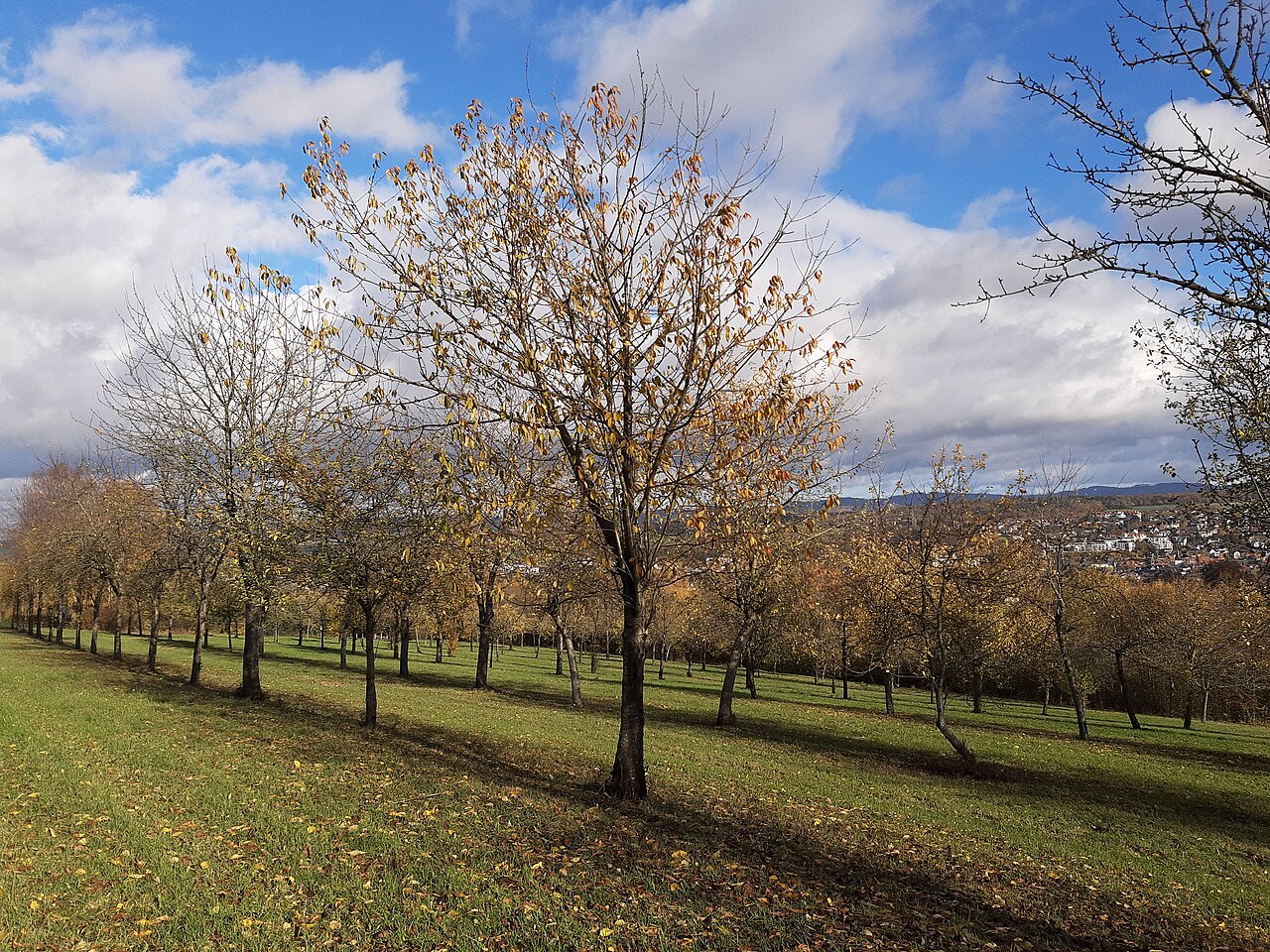
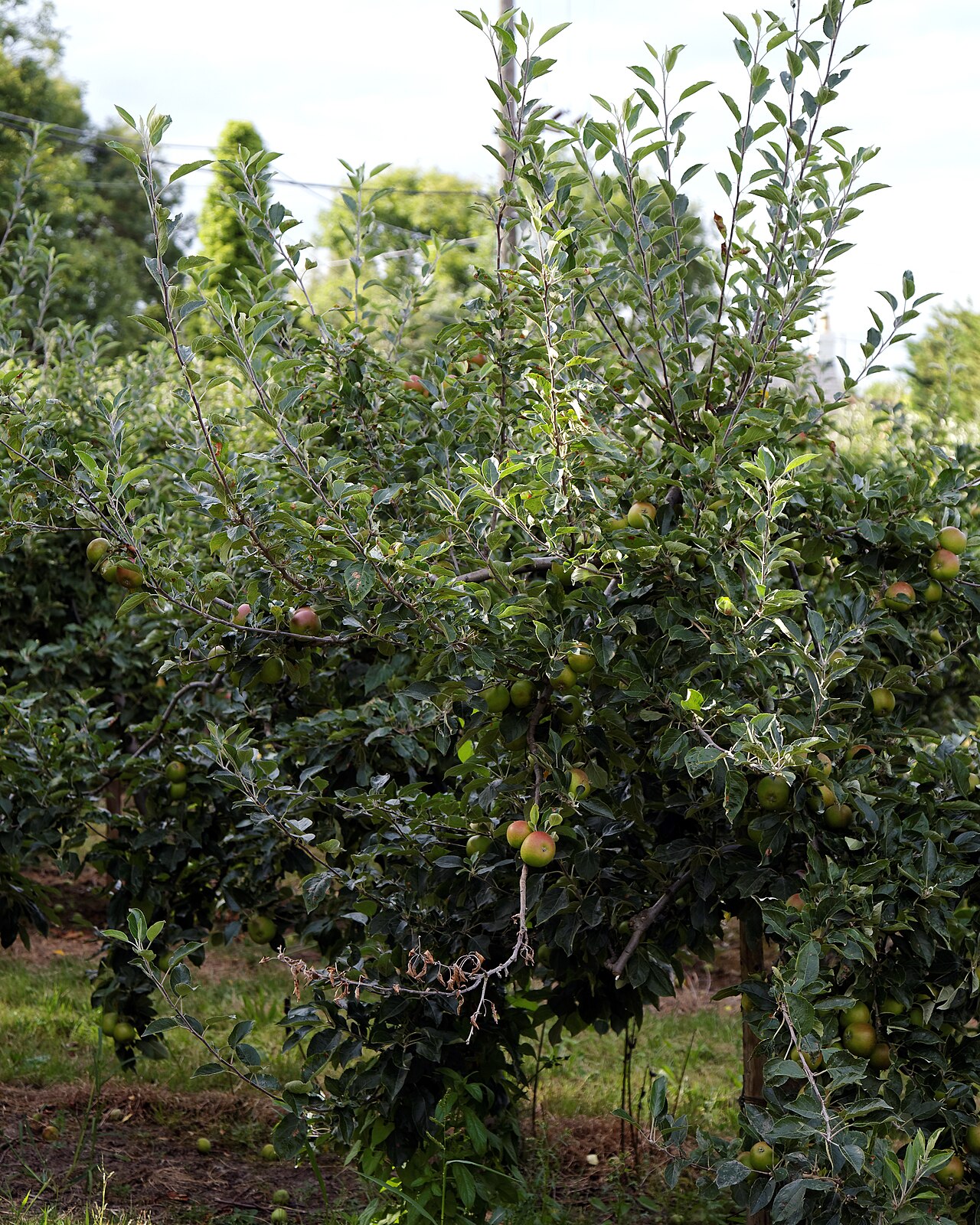
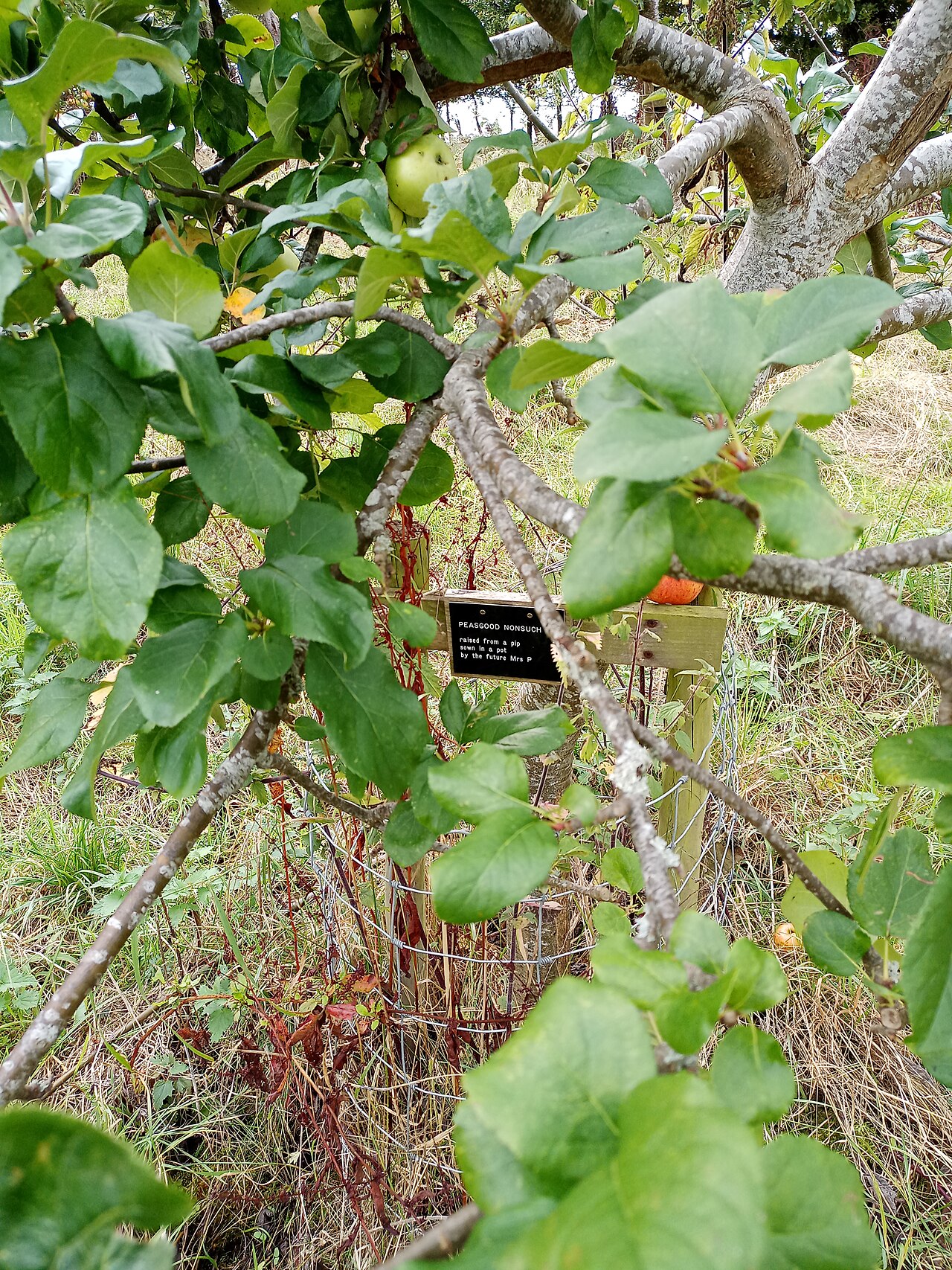
Growing your own apple tree is a long-term but deeply rewarding project. With the right site, variety, and early care, a young tree can begin bearing fruit within a few years and continue producing for decades. Here’s what to know before you plant.
Choosing a Variety and Pollination Partner
Most apple varieties are not self-fertile and need a different, compatible apple (or crabapple) variety blooming nearby at the same time to set fruit. Check bloom-time compatibility when selecting varieties, and consider your local climate zone and chill-hour requirements — apples need a certain number of cold hours in winter to break dormancy and flower properly the following spring. Dwarf and semi-dwarf rootstocks are popular for home gardens since they keep trees more manageable in size and bring fruit into reach sooner than standard rootstocks.
Site and Soil
Apple trees need full sun — at least 6 to 8 hours daily — for good fruit production and to reduce disease pressure. Choose a site with well-draining soil; apples dislike waterlogged roots and are prone to root rot in heavy, poorly drained clay. A slightly acidic to neutral soil pH (around 6.0-6.8) is ideal. Avoid low-lying frost pockets where cold air settles, since late spring frosts can damage blossoms and reduce fruit set.
Planting Steps
- Plant bare-root trees in late winter to early spring while still dormant, or plant container-grown trees anytime the ground is workable.
- Dig a hole roughly twice the width of the root system but no deeper than the root ball, so the graft union stays several inches above the soil line.
- Spread roots out naturally, backfill with native soil (amending heavily is usually unnecessary and can discourage roots from spreading outward), and water deeply to settle the soil.
- Stake young trees loosely if planted in a windy site, and mulch around the base (keeping mulch away from the trunk) to conserve moisture and suppress weeds.
Early Care
Water new trees deeply and regularly during their first one to two growing seasons, especially in dry spells, since establishing roots can’t yet reach deep soil moisture. Prune young trees to establish a strong central leader or open framework of scaffold branches, and remove any blossoms in the first year or two so the tree channels energy into root and structural growth rather than fruit. Watch for common issues like apple scab, fire blight, and codling moth, and choose disease-resistant varieties where possible to reduce the need for intervention.
Most standard apple trees take 4-5 years to bear a meaningful crop, while dwarf varieties may fruit in as little as 2-3 years. Patience in the early years pays off with decades of homegrown apples.
This article may contain affiliate links. If you purchase a product through one of these links, Plantgecko may earn a commission at no extra cost to you. This never influences our editorial independence or which products we recommend.