Growing and Caring for Currant Bushes: Vitamin-Rich Berries for Every Garden
Growing and Caring for Currant Bushes: Vitamin-Rich Berries for Every Garden
Currants (Ribes) are the underrated stars among berry shrubs. They’re extremely cold-hardy, low-maintenance, produce reliable harvests for 10–15 years, and pack a serious vitamin punch — black currants contain five times more vitamin C than lemons! Whether red, black, or white, there’s a variety to suit every taste and every garden. Currants also thrive in partial shade and in rougher sites where other fruiting shrubs struggle. In this guide, you’ll learn everything about choosing a variety, planting, the pruning that makes all the difference, and the best ways to use these aromatic berries.
Red, Black, White: Which Currant Suits You?
The three main types of currant differ in flavor, growth habit, and use:
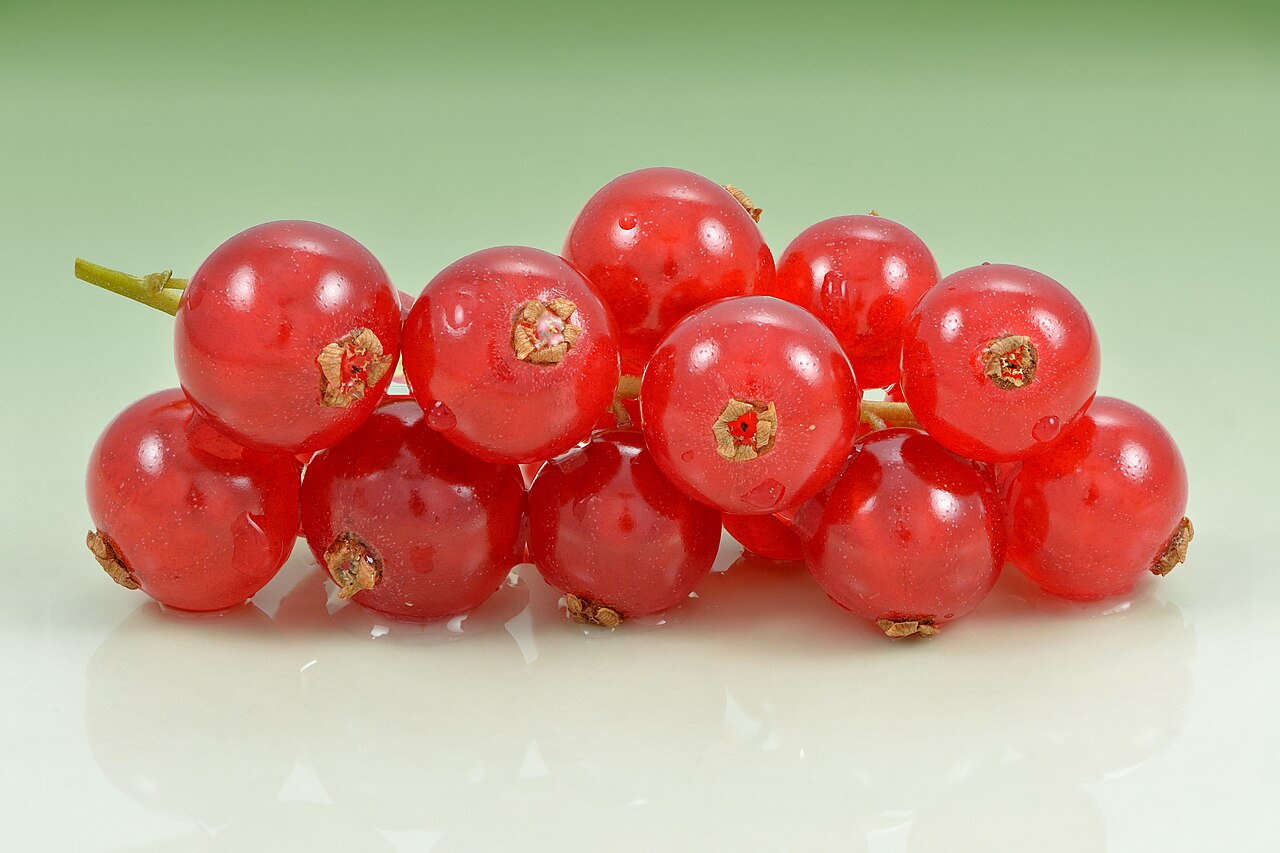
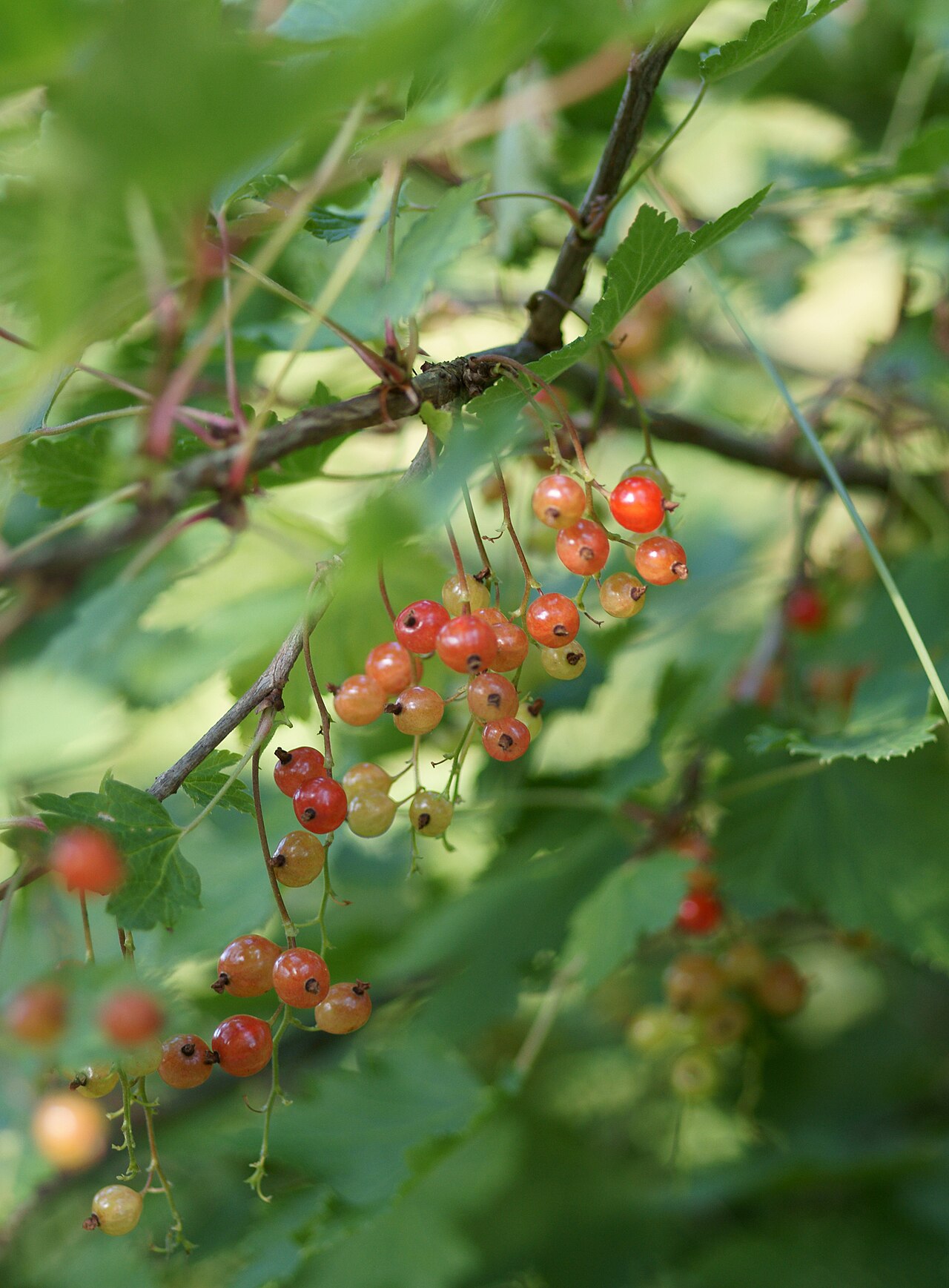
- Red currants (Ribes rubrum): Classic tart and refreshing, with translucent ruby-red berries in long clusters. Perfect for jelly, juice, baking, and eating fresh. Good varieties: ‘Rovada’ (late, very productive, long clusters), ‘Jonkheer van Tets’ (early-ripening, large-fruited), ‘Rolan’ (mildew-resistant).
- Black currants (Ribes nigrum): Intensely aromatic with a tangy edge — a flavor people either love or hate. Nutritionally valuable (vitamin C, anthocyanins). More vigorous growers than red varieties. Good varieties: ‘Titania‘ (mildew-resistant, high-yielding), ‘Ben Sarek’ (compact, ideal for small gardens), ‘Ojebyn’ (very cold-hardy).
- White currants (Ribes sativum): A variety of the red currant. Milder and sweeter, less tart. The translucent, champagne-colored berries are a beautiful addition to any fruit bowl. Good varieties: ‘White Versailles’, ‘Weisse aus Juterbog’, ‘Primus’.
Planting and Location
Planting time: October to November (fall planting) or March/April. Container-grown plants can also be planted in summer, but will need intensive watering.
Location: Currants are undemanding. Sunny to partially shaded works well — in partial shade the fruit ripens a bit later and is somewhat less sweet, but yields are still good. Unlike most fruiting shrubs, currants also tolerate cooler, windier sites.
Soil: Nutrient-rich, humus-rich, moist but not waterlogged soil. Slightly acidic to neutral pH (5.5–7.0). Work plenty of compost and berry fertilizer into the soil before planting. Currants are shallow-rooted, so a mulch layer of bark humus or leaves helps retain moisture and suppress weeds.
Spacing: Red and white varieties: 1.5–2 m apart. Black varieties: 1.8–2.5 m apart (they grow wider). Standard (tree-form) plants need more space, around 2 m.
Planting depth: Plant deep! Currants should sit 5–10 cm deeper than they did in their nursery pot. This encourages new shoots from the base and continually rejuvenates the shrub.
Care: Watering, Feeding, and the Pruning That Matters Most
Watering: Currants are shallow-rooted and sensitive to drought, especially during flowering and fruit ripening. In dry spells, water with 10–20 liters per shrub each week. A watering basin around the base and a layer of mulch both help retain moisture.
Feeding: In spring (March), apply a berry fertilizer or compost with horn shavings. Currants have a high potassium requirement, so a dedicated berry fertilizer works better than an all-purpose one. Give a second, lighter feeding after harvest. Fresh manure is too strong — well-rotted compost is a better choice.
Pruning – the most important step: Currants fruit on one- to three-year-old wood; older branches become unproductive. The annual rejuvenation pruning in late winter (February) is essential:
- Red and white currants: Cut out any branch older than 4 years (recognizable by its dark, rough bark) right at ground level. Leave 8–10 main branches per shrub — a mix of one-, two-, and three-year-old wood. Shorten side shoots to 2–3 buds.
- Black currants: Prune even more aggressively! They fruit best on one-year-old wood. Consistently remove old, dark branches to make room for vigorous young shoots. Leave 6–8 strong young shoots per shrub.
Rule of thumb: after pruning, the shrub should look open and airy — light and air need to be able to reach the interior.
Harvesting and Using Currants
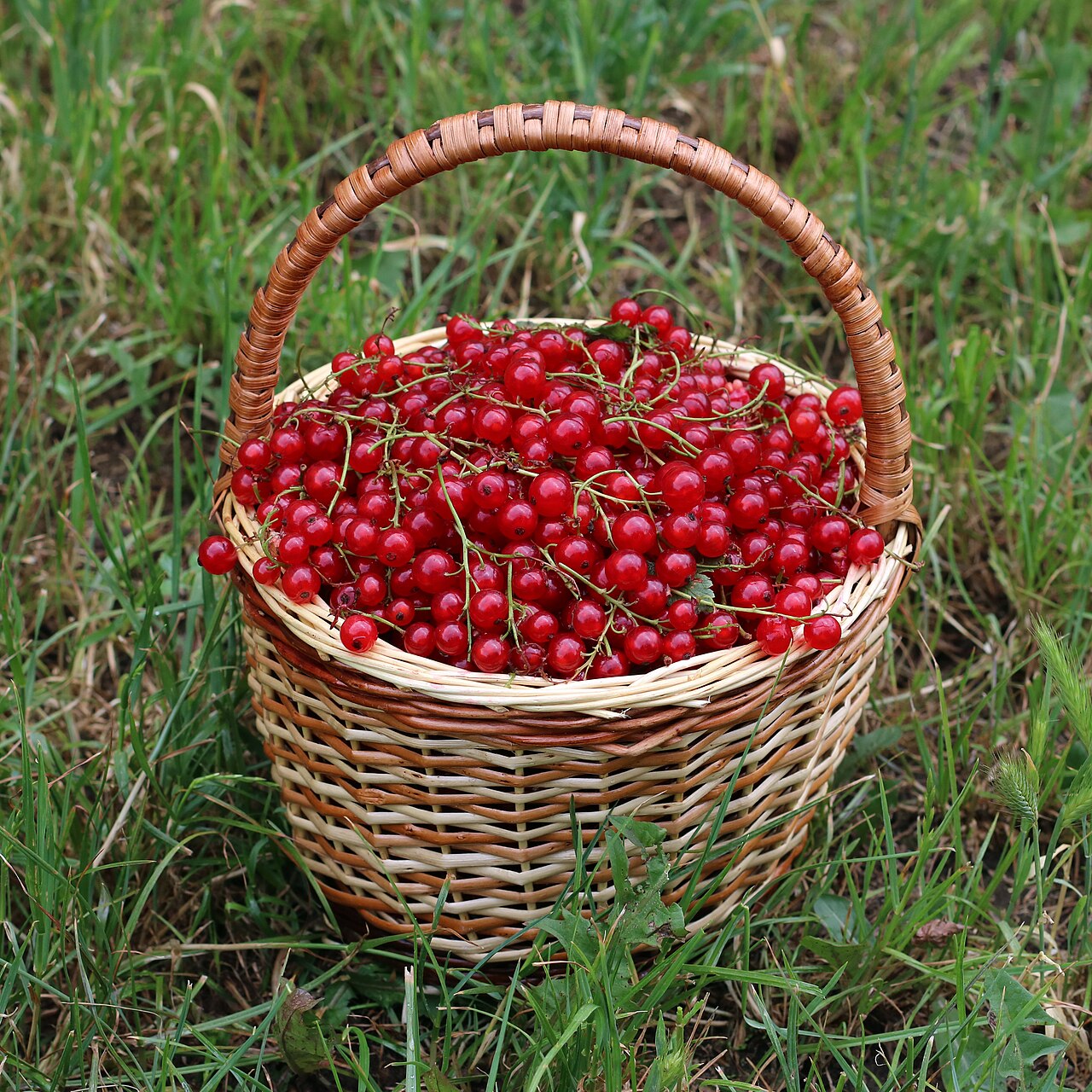
Currants are best harvested in whole clusters (strigs) rather than one berry at a time — it’s gentler on the fruit and much faster. The main harvest season runs from June to August, depending on variety. Ripe berries show full color — red varieties should be deep red, black ones deep purple-black. Currants don’t continue to ripen once picked.
Fresh currants keep for only 2–3 days in the fridge. Freeze any surplus (washed and destemmed) or turn them into juice, jelly, or liqueur. Black currants form the basis of the classic cassis liqueur. One nice trick: drop frozen currants straight into a glass of sparkling wine — they chill the drink while slowly releasing their flavor.
Currants are the perfect berry shrub for low-maintenance gardeners: they need little attention, thrive even in tricky spots, and reward you with a reliable, vitamin-packed harvest that would cost a lot at the supermarket.