Caring for Raspberries: How to Harvest Sweet Fruit from Summer to Fall
Caring for Raspberries: How to Harvest Sweet Fruit from Summer to Fall
Few garden fruits reward a little effort as generously as raspberries. Once established, a well-tended row of raspberry canes can keep producing sweet, juicy berries for a decade or more. Getting there, though, means understanding a few key basics: where to plant, how to support the canes, when to prune, and what pests to watch for.
Choosing the Right Site and Soil
Raspberries need full sun — at least six hours a day — to produce a strong crop of sweet fruit. They also demand well-draining, slightly acidic soil (pH 5.6–6.2) that’s rich in organic matter. Heavy clay that holds standing water is the number one cause of root rot in raspberry patches, so if your soil is dense, work in plenty of compost before planting, or consider raised rows. Good air circulation around the planting site also helps prevent fungal diseases like cane blight and gray mold, which thrive in stagnant, humid air.
Planting Bare-Root Canes
Raspberries are most often sold and planted as dormant bare-root canes in early spring, as soon as the soil can be worked. Space canes about 18–24 inches apart in rows spaced 6–8 feet apart, with roots set 2–3 inches below the soil surface. Water thoroughly after planting and apply a layer of mulch — straw or shredded bark works well — to retain moisture and suppress weeds. Newly planted canes should be cut back to about 6 inches tall at planting time to encourage strong root establishment before the plant puts energy into top growth.
Trellising and Support
Raspberry canes are naturally floppy and will sprawl across the ground under the weight of ripening fruit unless given support. A simple garden trellis or a two-wire system strung between sturdy end posts keeps canes upright, improves air circulation, and makes harvesting far easier. Tie new canes loosely to the wires as they grow through the season rather than waiting until they’ve flopped over.
Pruning: Summer-Bearing vs. Everbearing Varieties
Pruning strategy depends entirely on which type you’re growing. Summer-bearing raspberries fruit once, in early-to-mid summer, on second-year canes called floricanes. After harvest, cut those spent floricanes down to the ground — they will never fruit again — while leaving the current season’s first-year canes (primocanes) to overwinter and bear fruit the following summer. Everbearing (fall-bearing) raspberries are more forgiving: for two crops a year, prune only the tips that fruited in fall; for a single, heavier fall crop and simpler maintenance, mow or cut all canes to the ground in late winter. Thin remaining canes to about 4–6 per foot of row each year to prevent overcrowding.
Watering and Feeding
Raspberries need consistent moisture, roughly 1–2 inches of water per week, especially while fruit is developing — irregular watering leads to small, crumbly berries. Drip irrigation is ideal since it keeps foliage dry and reduces disease risk. Feed canes in early spring with a balanced berry fertilizer or a layer of compost, and consider a second light feeding after the first flush of growth for everbearing types.
Common Pests and Problems
The raspberry cane borer is a frequent culprit behind wilted cane tips; look for two rings of puncture marks near the top of a cane and prune below the damage, destroying the cutting. Japanese beetles skeletonize leaves and can damage ripening fruit in mid-summer — hand-picking into soapy water is effective for small plantings, while row covers protect canes during peak beetle activity. Also watch for spider mites in hot, dry weather and fungal spot diseases in humid climates; good spacing and prompt removal of diseased canes go a long way toward prevention.
Harvest Timing
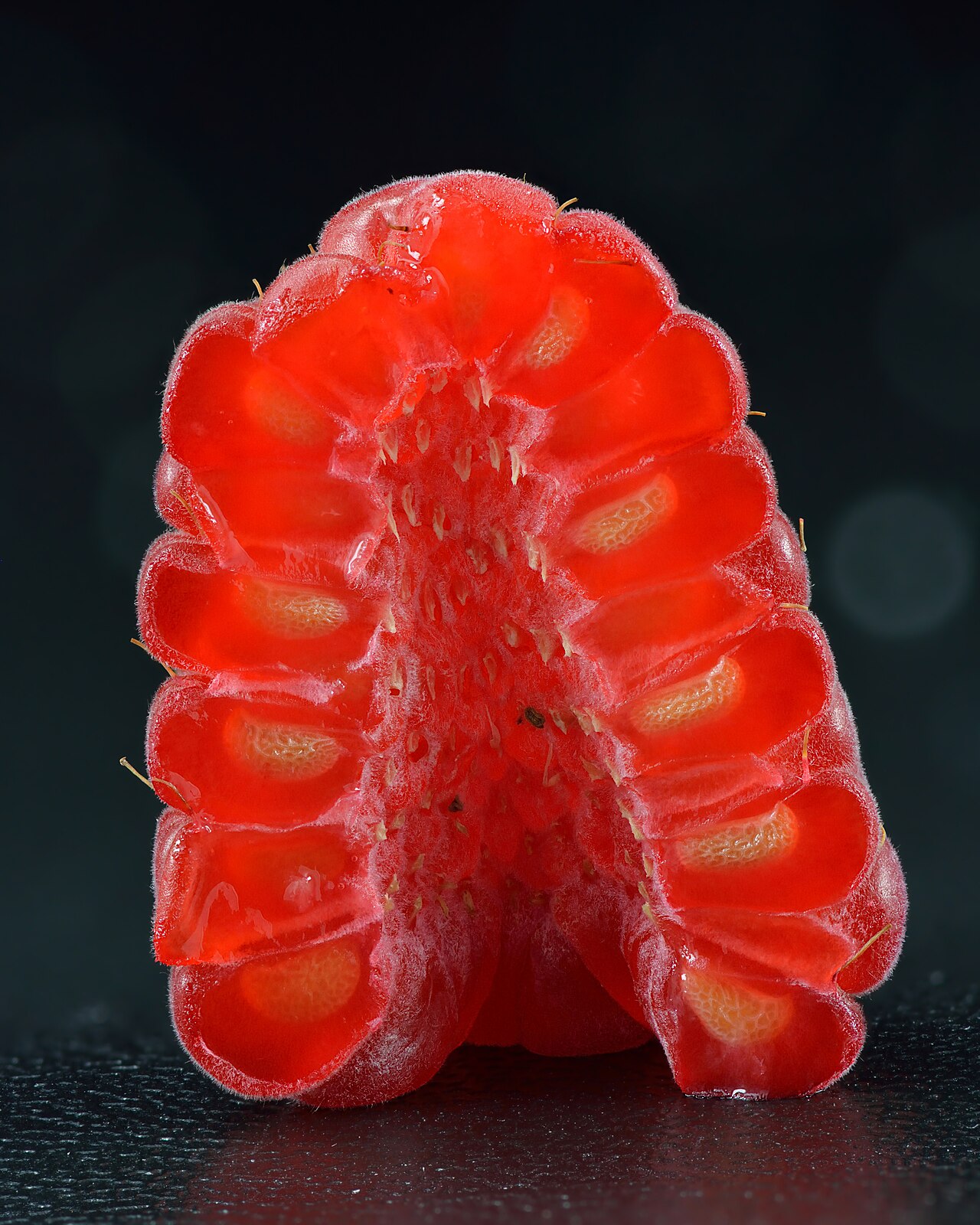
Raspberries ripen unevenly, so plan to pick every 1–3 days during peak season. A ripe berry should slide easily off its white core with a gentle tug; if it resists, give it another day or two. Harvest in the cool morning hours for the best flavor and shelf life, and refrigerate berries promptly since they’re highly perishable. With the right site, sturdy support, and seasonally appropriate pruning, a raspberry patch will reward you with sweet fruit from early summer well into fall.
This article may contain affiliate links. If you purchase a product through one of these links, Plantgecko may earn a commission at no extra cost to you. This never influences our editorial independence or which products we recommend.