Growing Strawberries in the Garden: A Complete Planting Guide
I’d appreciate if you could mail me (Kolforn@gmail.com) if you want to use this pi (CC BY-SA 4.0, Wikimedia Commons)
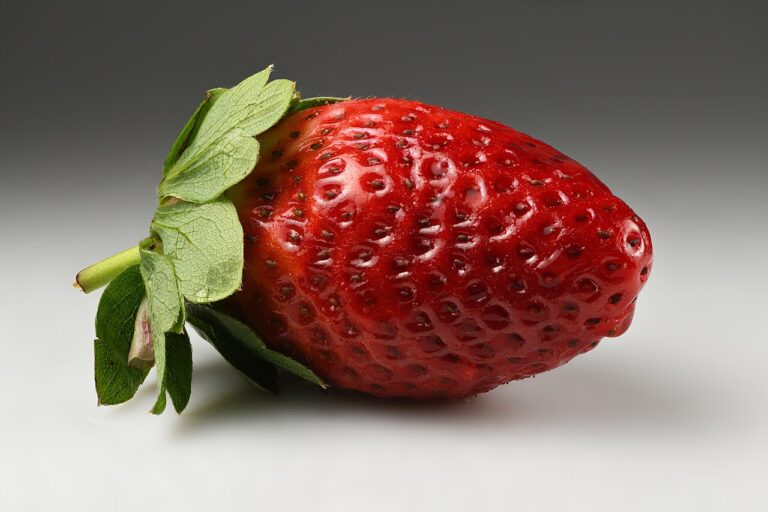
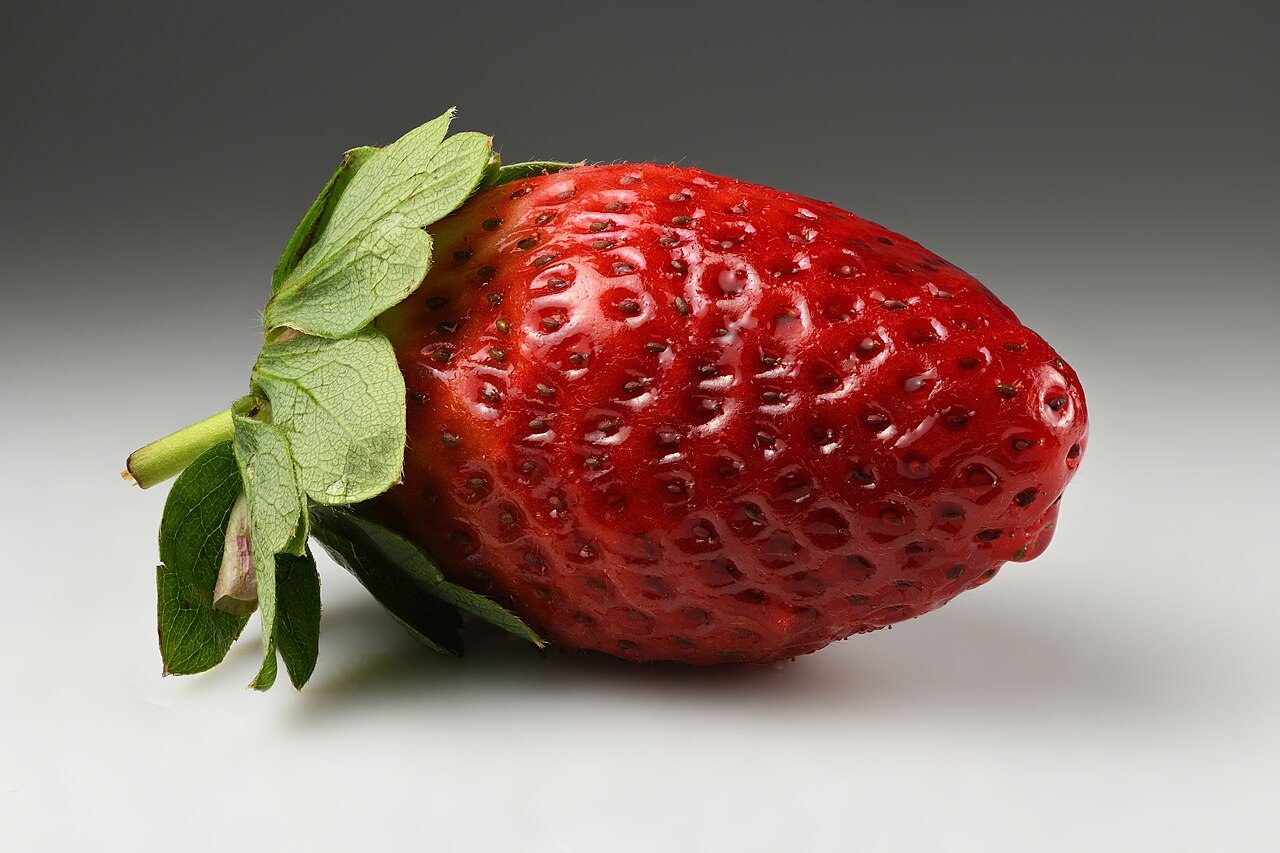
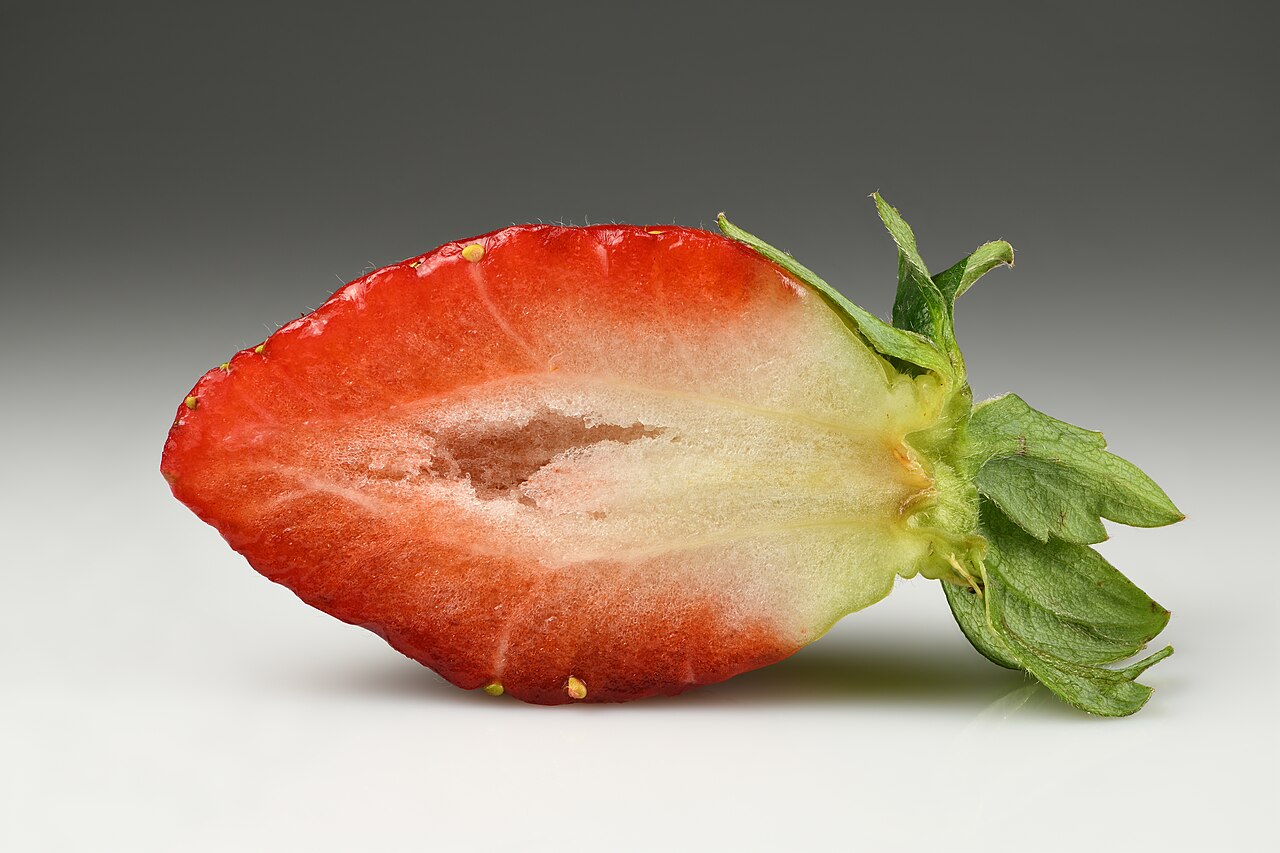
Strawberries are one of the easiest fruits to grow at home, rewarding even beginner gardeners with sweet, juicy berries from a small patch of soil, a raised bed, or even a hanging basket. With the right site, soil, and a bit of seasonal care, a strawberry patch can keep producing fruit for three to five years before it needs to be renewed.
Choosing a Variety
Strawberries fall into three main groups. June-bearing varieties produce one large flush of fruit in early summer and generally give the biggest berries. Everbearing types produce two or three smaller harvests through the growing season. Day-neutral varieties flower and fruit continuously from late spring until frost, making them a good choice for gardeners who want a steady trickle of berries rather than one big harvest. If space is limited, day-neutral or everbearing types planted in containers or hanging baskets work well.
Site, Soil, and Planting
Strawberries need full sun, at least six to eight hours a day, to develop good flavor and yield. Soil should be well-draining, slightly acidic (a pH around 5.5 to 6.8), and rich in organic matter. Heavy clay soils benefit from raised beds or mounded rows, since strawberry crowns and roots are prone to rot in waterlogged ground.
When planting, set the crown of each plant at soil level: bury it too deep and it will rot, plant it too shallow and the roots will dry out. Space plants roughly 12 to 18 inches apart to give runners room to spread, or plant more densely in containers where runners will be trimmed off. Early spring, as soon as the soil can be worked, is the ideal planting time in most temperate climates; fall planting also works in milder regions.
Watering and Feeding
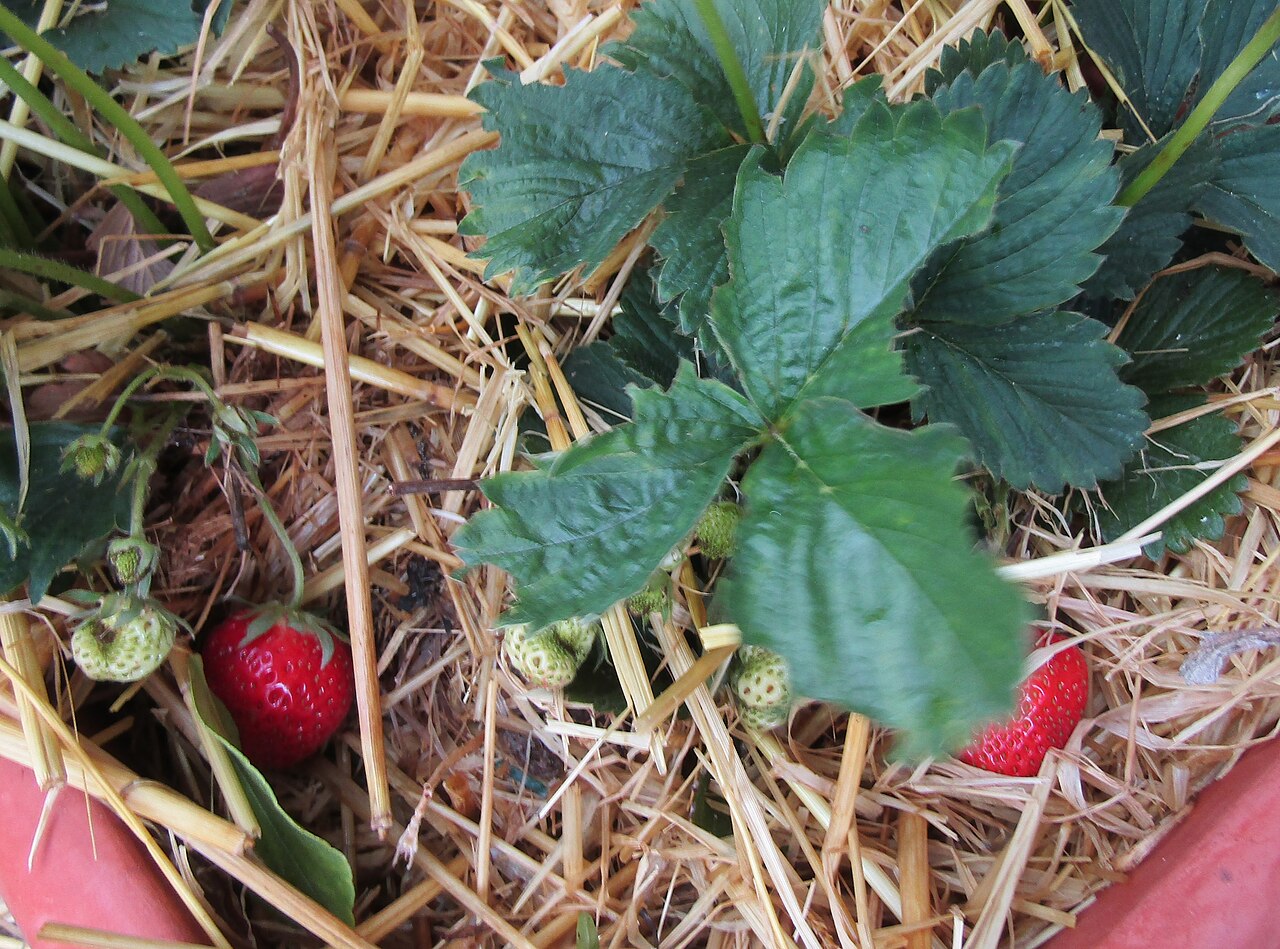
Strawberries have shallow root systems, so consistent moisture matters more than deep, infrequent watering. Aim for about an inch of water per week, delivered at the base of the plant rather than overhead, since wet foliage encourages fungal diseases like gray mold. Mulching with straw, pine needles, or shredded leaves helps retain moisture, suppress weeds, and keeps developing berries clean and off the soil.
Feed lightly with a balanced fertilizer at planting time, then again after the first harvest for June-bearing types, or every four to six weeks for everbearing and day-neutral varieties. Too much nitrogen produces lush leaves at the expense of fruit, so err on the side of moderation.
Ongoing Care and Common Problems
- Pinch off flowers during the first few weeks after planting so the plant channels energy into establishing roots rather than fruit.
- Remove runners you don’t want to root, or guide them into new spots if you want to expand the patch.
- Watch for slugs, birds, and gray mold; netting protects ripening berries from birds, and good air circulation reduces fungal issues.
- Renovate June-bearing beds after harvest by trimming foliage and thinning crowns to keep the patch productive year after year.
Because strawberry plants decline in vigor over time, plan to replace the oldest third of your patch every year or two, either with new nursery plants or with rooted runners from your healthiest plants. With a little planning, a strawberry bed can supply fresh fruit for salads, desserts, and snacking straight from the garden for many seasons.
This article may contain affiliate links. If you purchase a product through one of these links, Plantgecko may earn a commission at no extra cost to you. This never influences our editorial independence or which products we recommend.