Growing Currants – Red, White and Black Vitamin Powerhouses
Growing Currants – Red, White and Black Vitamin Powerhouses
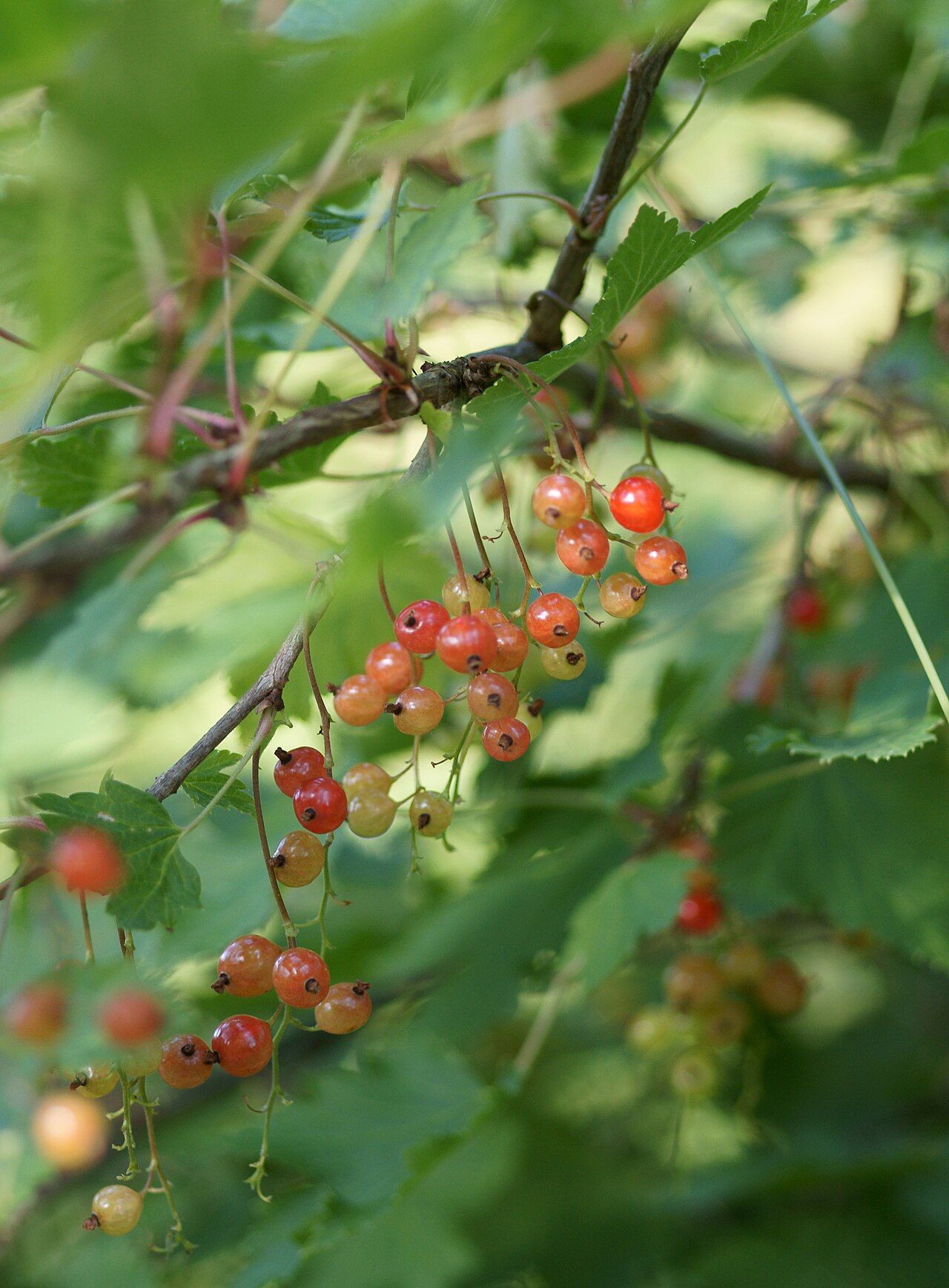
Currants (Ribes rubrum, Ribes nigrum) are the easiest berry fruit for any garden. The shrubs are hardy, undemanding, and deliver reliable harvests for many years. With their high vitamin C content and tangy-fruity flavor, they are not only healthy but also incredibly versatile in the kitchen. In this guide, you will learn everything about varieties, planting, care, and proper pruning of currants.
Variety: Red, White and Black
Classic currants fall into three color groups, each with different requirements and uses:
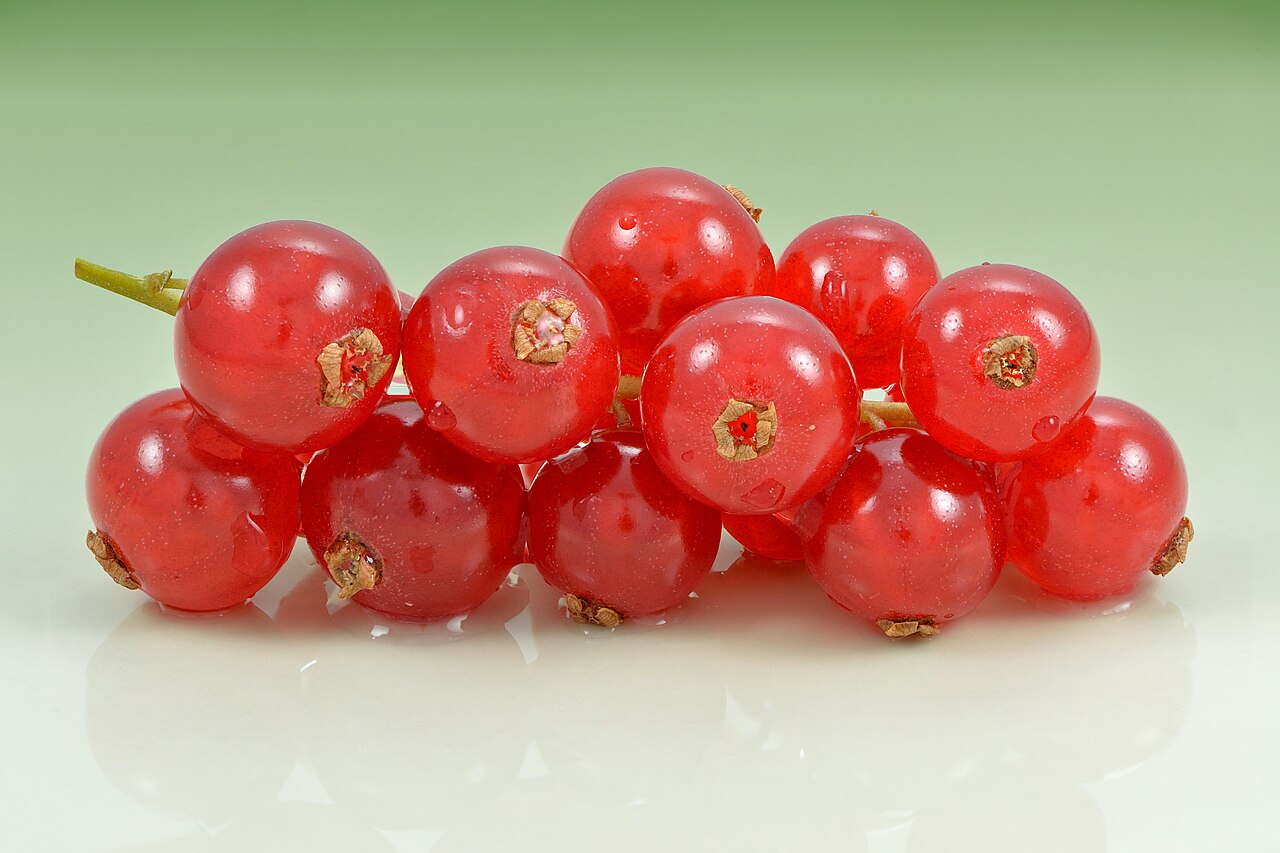
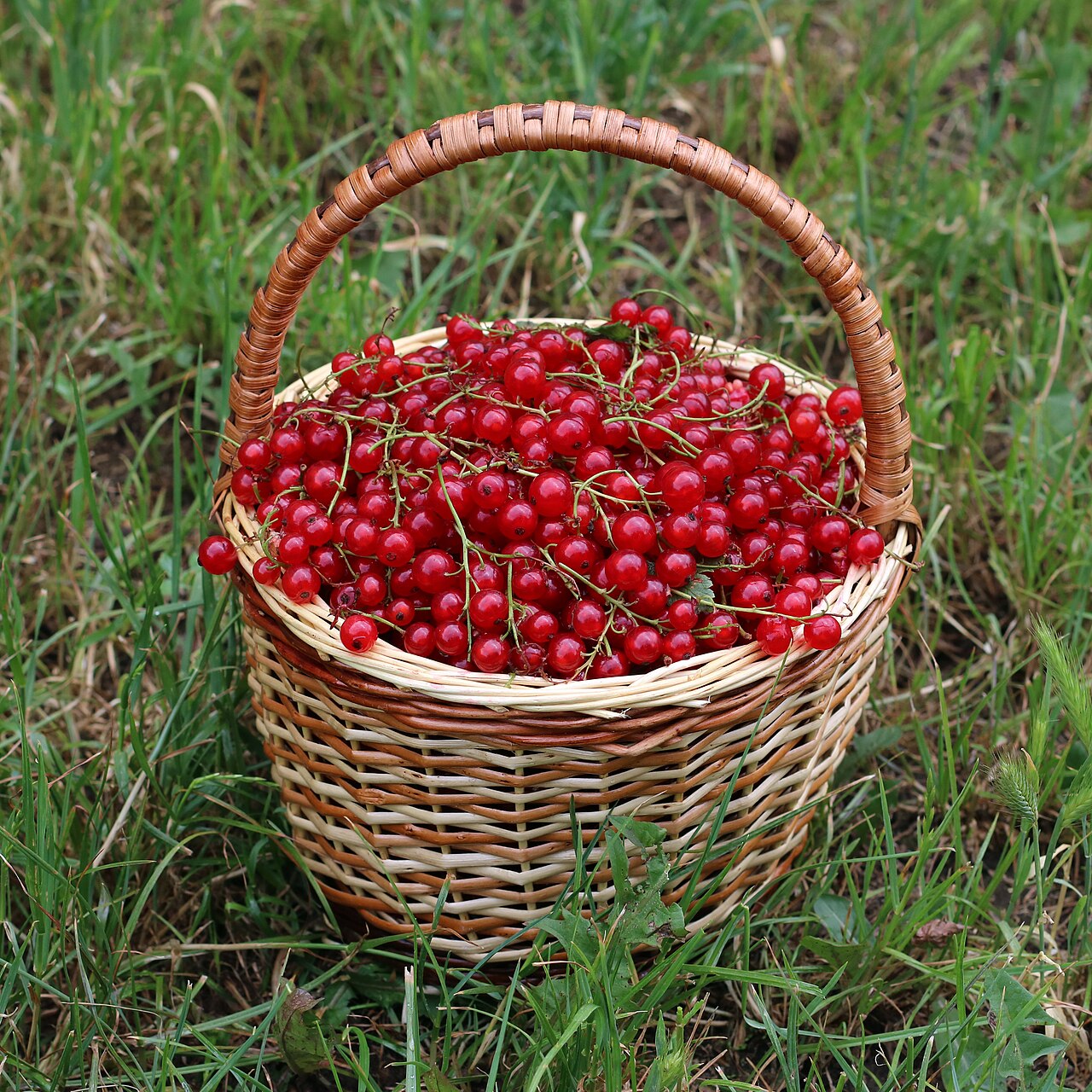
- Red currants: Tart and tangy — ideal for jelly, juice, and fresh eating. Popular varieties: ‘Jonkheer van Tets’ (early), ‘Rovada’ (late, very productive), ‘Red Lake’ (aromatic).
- White currants: Milder and sweeter than red varieties. Essentially a variant of the red currant. ‘White Versailles’ and ‘Blanka’ are popular choices.
- Black currants: Intense, tart cassis flavor — rich in vitamin C and anthocyanins. ‘Titania’ (mildew-resistant), ‘Bona’ (very aromatic), ‘Ometa’ (high-yielding).
- Standard (tree-form) currants: Grafted onto a single stem — decorative and space-saving, ideal for small gardens and patios.
Location and Soil
Currants thrive in sunny to partly shaded locations. In partial shade, the fruit tends to be a bit more tart, but the risk of late-frost damage to the blossoms is lower. A wind-sheltered spot is ideal, though not essential.
The soil should be rich in humus, nutrient-rich, and consistently moist. Unlike many other berries, currants can tolerate somewhat heavier soils. Work generous amounts of compost into the soil before planting. The ideal pH is between 6.0 and 7.0.
Planting – Getting Off to a Good Start
The best planting time is autumn (October/November), or alternatively early spring. Container-grown plants can be planted year-round.
- Dig a planting hole twice as wide and deep as the root ball.
- Soak bare-root plants in water for 30–60 minutes before planting.
- Planting depth: about 5–10 cm deeper than it stood in the pot or in its previous spot — currants readily form new roots along the lower stem.
- Water generously and mulch with bark mulch or compost.
- Spacing: 1.2–1.5 m between shrubs. For standard (tree-form) currants, 1–1.2 m.
Proper Pruning – Essential for a Rich Harvest
Currants fruit best on one- to three-year-old wood. Older shoots produce fewer and smaller fruits. That is why annual pruning is important:
Red and White Currants:
- In late winter (February/March), remove all shoots older than 4 years at ground level. You can recognize old wood by its darker, thicker bark.
- Leave 8–10 strong shoots per shrub, spaced as evenly as possible.
- Shorten side shoots to short spurs with 2–3 buds.
- Remove diseased, weak, and inward-growing shoots.
Black Currants:
- Each year, cut out about a third of the oldest shoots at ground level.
- Black currants fruit best on one-year-old wood — pruning encourages vigorous new growth.
- Do not shorten side shoots! The most valuable flower buds sit at the shoot tips.
Fertilizing and Watering
Currants are shallow-rooted. Fertilize twice a year: in March with organic berry fertilizer or compost, and a second, lighter application after harvest. Horn shavings applied in spring supply the plants with slow-release nitrogen.
The plants need adequate water especially during flowering and fruit development (May/June). Drought stress leads to small fruit and premature fruit drop. Mulch the root zone with bark mulch or straw.
This article may contain affiliate links. If you purchase a product through one of these links, Plantgecko may earn a commission at no extra cost to you. This never influences our editorial independence or which products we recommend.