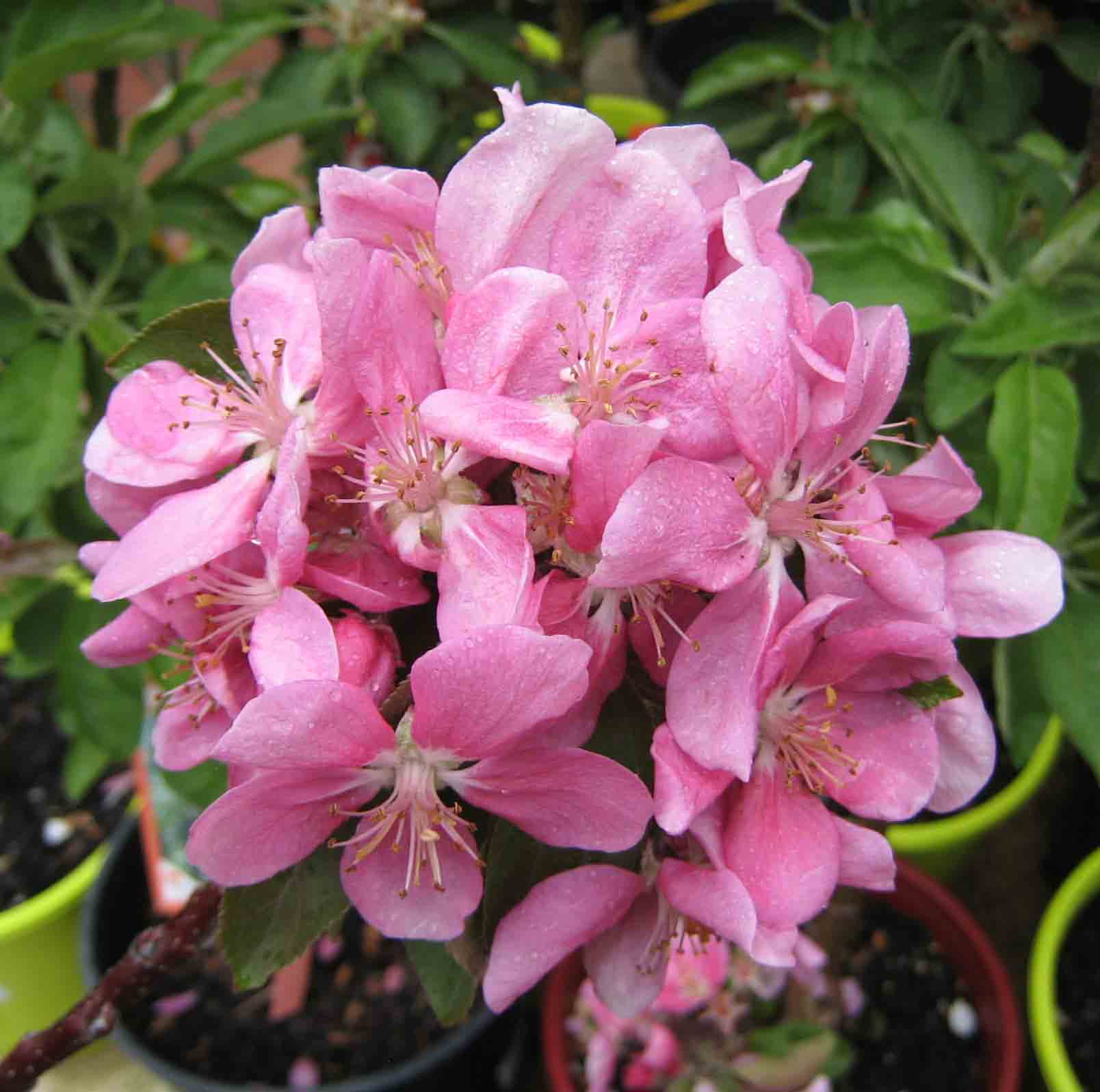
Columnar Fruit Trees for Balcony and Terrace — Compact and Productive
Introduction
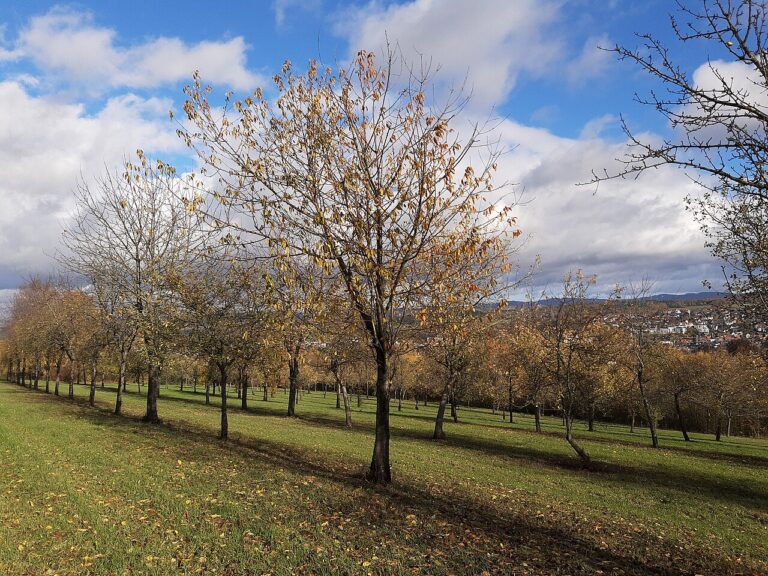
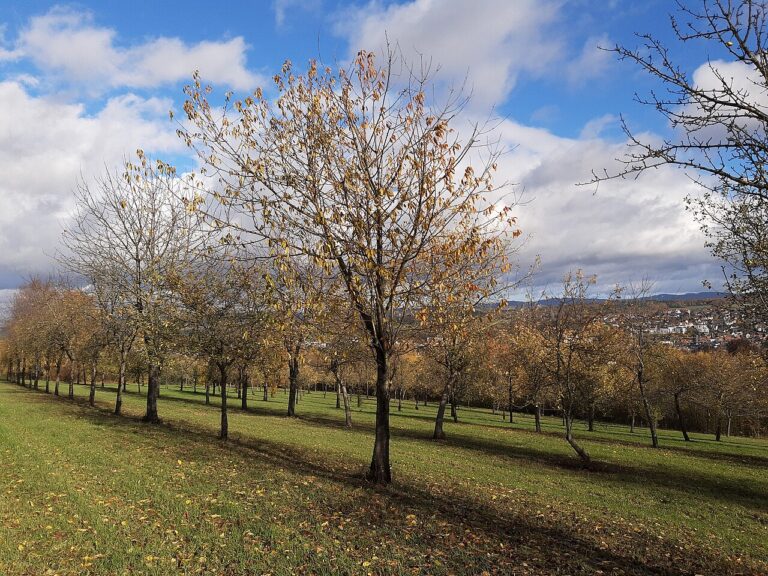
Columnar fruit trees are a space-saving option for gardeners with limited outdoor areas. These trees are bred to grow in a slender, upright shape, minimizing the need for lateral space. Unlike traditional fruit trees, columnar varieties typically form few to no side branches, with fruit growing directly on the main trunk. This growth habit makes them well-suited for small gardens, balconies, and terraces where space is at a premium.
The compact nature of columnar fruit trees does not necessarily limit their productivity, though specific yield expectations may vary by variety and growing conditions. This claim is supported with limitations, as the available evidence does not fully confirm all aspects of performance across all possible scenarios.
What It Is
Columnar fruit trees are a specialized category of fruit-bearing plants designed for small spaces. According to Plantgecko’s existing guidance, these trees are bred to grow in a slender, upright form, with minimal side branching. Their fruit develops directly on the main trunk, making them a practical choice for balconies, terraces, and compact gardens.
This definition is supported with limitations: the available evidence does not fully confirm all aspects of the claim. For a more detailed overview of their growth habits and suitability for small areas, refer to the article Columnar Fruit Trees for Balcony and Terrace — Compact and Productive.
Practical Guidance
Columnar fruit trees are an excellent choice for small outdoor spaces, allowing you to grow fruit in just one square meter of area. These trees are designed to thrive in compact environments while still producing a harvest.
To ensure healthy growth, select a planter with a minimum volume of 30 liters. This provides enough space for root development and stability. Columnar apples are the most widely available type, with varieties that fruit from August to October, depending on the cultivar. They typically reach a height of two to three meters and a width of 30 to 40 centimeters, making them well-suited for balconies and terraces. Other columnar fruit trees, such as pears, cherries, and plums, may also be available at well-stocked garden centers.
For more details on selecting and cultivating these trees, refer to the guide Columnar Fruit Trees for Balcony and Terrace — Compact and Productive. If you’re interested in other space-saving plants, you may also explore options in Balcony Vegetables — The 10 Best Varieties for Pots and Planters.
Note: The guidance provided here is based on available information, but its confidence level does not reach the full-support threshold.
Conclusion
Columnar fruit trees offer a practical solution for growing fruit in limited spaces like balconies and terraces. As discussed earlier, their compact design allows them to thrive in just one square meter of area, making them ideal for urban gardening. These trees can produce flavorful apples, pears, and cherries when cared for properly, including thinning fruit in June to improve size and quality, and using organic fertilizers in spring Columnar Fruit Trees for Balcony and Terrace — Compact and Productive
When deciding whether columnar fruit trees are right for you, consider your priorities. If space is limited but you still want to enjoy homegrown fruit, these trees provide a productive and manageable option. However, remember that their compact nature may limit the overall yield compared to traditional fruit trees. Additionally, proper care—such as thinning fruit and providing adequate nutrients—is essential to ensure a successful harvest.
The earlier sections of this guide have highlighted the benefits and considerations of growing columnar fruit trees. The key takeaway is that while they are not universally superior to other gardening methods, they are a well-suited choice for small spaces when managed with attention to their specific needs. The conclusion drawn in the original article emphasizes that preserving the structure and following basic care guidelines will help you achieve a fruitful harvest even in confined areas. (Support for this conclusion is limited and does not meet the full-support threshold.)