Growing Blueberries in Pots: How to Succeed on Balcony and Terrace
Growing Blueberries in Pots: How to Succeed on Balcony and Terrace
Blueberries (Vaccinium corymbosum) are one of the trendiest fruit plants for balconies and terraces – and for good reason. The plump, deep blue berries aren’t just delicious and healthy (rich in antioxidants and vitamins); the plant itself is a delight to look at, with its delicate foliage, bell-shaped white spring flowers, and spectacular red autumn color. Growing blueberries in a pot is easier than many people think – as long as you pay attention to their particular needs when it comes to soil and water. In this guide, I’ll show you how to successfully grow blueberries in containers.
Choosing the Right Variety for a Pot
Not every blueberry variety is equally well suited to container growing. The key criteria are compact growth, winter hardiness, and self-fertility:
- ‘Polaris’: A semi-tall variety (60–90 cm), extremely winter hardy (down to -35°C), with sweet-tart berries. Ideal for pots and small balconies.
- ‘Northblue’: A compact variety (60–80 cm) with large, dark berries and an intense wild-blueberry flavor. Outstanding autumn color.
- ‘Bluecrop‘: The classic. Medium height (1.2–1.8 m), extremely productive, with large, firm berries. Needs a bigger pot (40 L or more).
- ‘Reka Blue’: A cluster-forming blueberry with sweet, aromatic fruit borne in long clusters. Compact growth, very decorative.
- ‘Top Hat’: A dwarf variety (only 40–50 cm), perfect for small pots. Mild, sweet, small berries. Great for beginners.
The Most Important Thing: The Right Soil
The most common reason potted blueberries fail is the wrong soil. Blueberries are bog plants – they absolutely need acidic soil with a pH of 4.0–5.5. Regular potting soil or compost will kill them. Use only specialized rhododendron or ericaceous (acid-loving plant) compost. You can also take these extra steps:
- Mix the soil with shredded conifer bark, bark humus, and a little peat (or a peat-free alternative such as coconut coir).
- Check the pH once a year with a soil test kit. If it has risen, acidify again with rhododendron fertilizer or elemental sulfur.
- Water ONLY with rainwater! Tap water contains lime and pushes the pH up. If rainwater isn’t available, use water that has stood for a day, filtered water, or distilled water.
Pot size: Blueberries are shallow-rooted, but they still need room. Start with a pot of at least 20 L and repot into a larger one every 2–3 years. A final pot of 40–60 L gives enough space for a large, productive plant. The pot must have drainage holes – waterlogging kills blueberries quickly.
Location and Care
Location: Full sun to partial shade. The more sun, the more and sweeter the berries. A sheltered spot is ideal – strong wind dries out the flowers and interferes with pollination by bumblebees and bees. Blueberries are self-fertile, but yields increase noticeably if two different varieties are planted near each other for cross-pollination.
Watering: Blueberries are thirsty plants and cannot tolerate drought at all. The soil should always be slightly moist, but never waterlogged. Water daily in midsummer, twice a day on hot days. Always use lime-free water (rainwater). A mulch of composted bark or pine needles on the soil surface reduces evaporation and helps keep the pH low.
Fertilizing: Blueberries are light feeders – too much fertilizer does more harm than good. Use only rhododendron fertilizer or a dedicated blueberry fertilizer. Never use regular flower or vegetable fertilizer, as it contains too much lime and nitrogen. Fertilize twice a year: in March (before new growth starts) and in June (during fruit development).
Pruning and Overwintering in Pots
Pruning: Blueberries don’t need pruning for their first 3–4 years. After that, prune in late winter (February): remove old, aged shoots (dark, bark-covered wood) at the base to make room for fresh, light-colored new growth. Aim for 6–8 main shoots per plant, evenly spaced. Remove weak, crossing, or overly crowded shoots. Blueberries fruit best on two- to four-year-old wood – older branches become unproductive.
Overwintering: Blueberries are winter hardy, but in a pot the roots have no protection from frost. Move the pot to a sheltered spot against a house wall and wrap it in bubble wrap, fleece, or burlap. An insulating layer of polystyrene under the pot keeps the cold from creeping in from below. In extreme winters (below -15°C), add a layer of leaves or straw around the pot as well. Don’t forget to water occasionally on frost-free days in winter, too – potted plants are more likely to dry out in winter than to freeze.
Harvest and Enjoyment
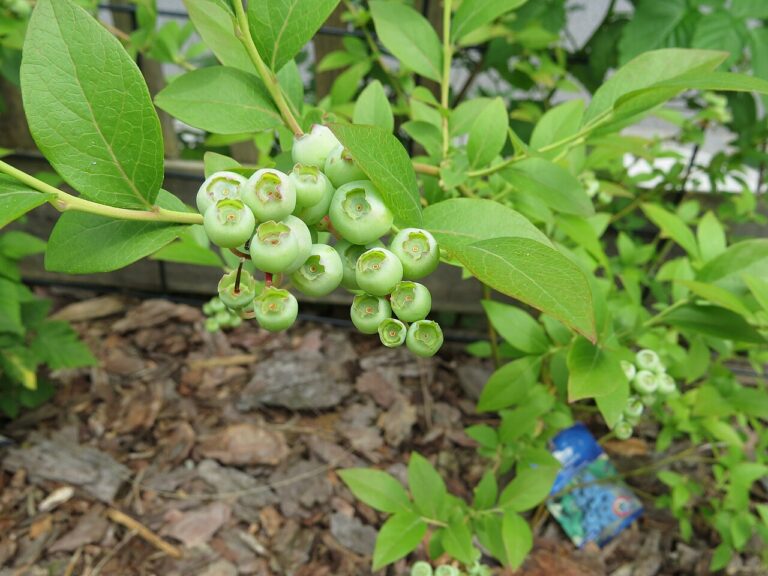
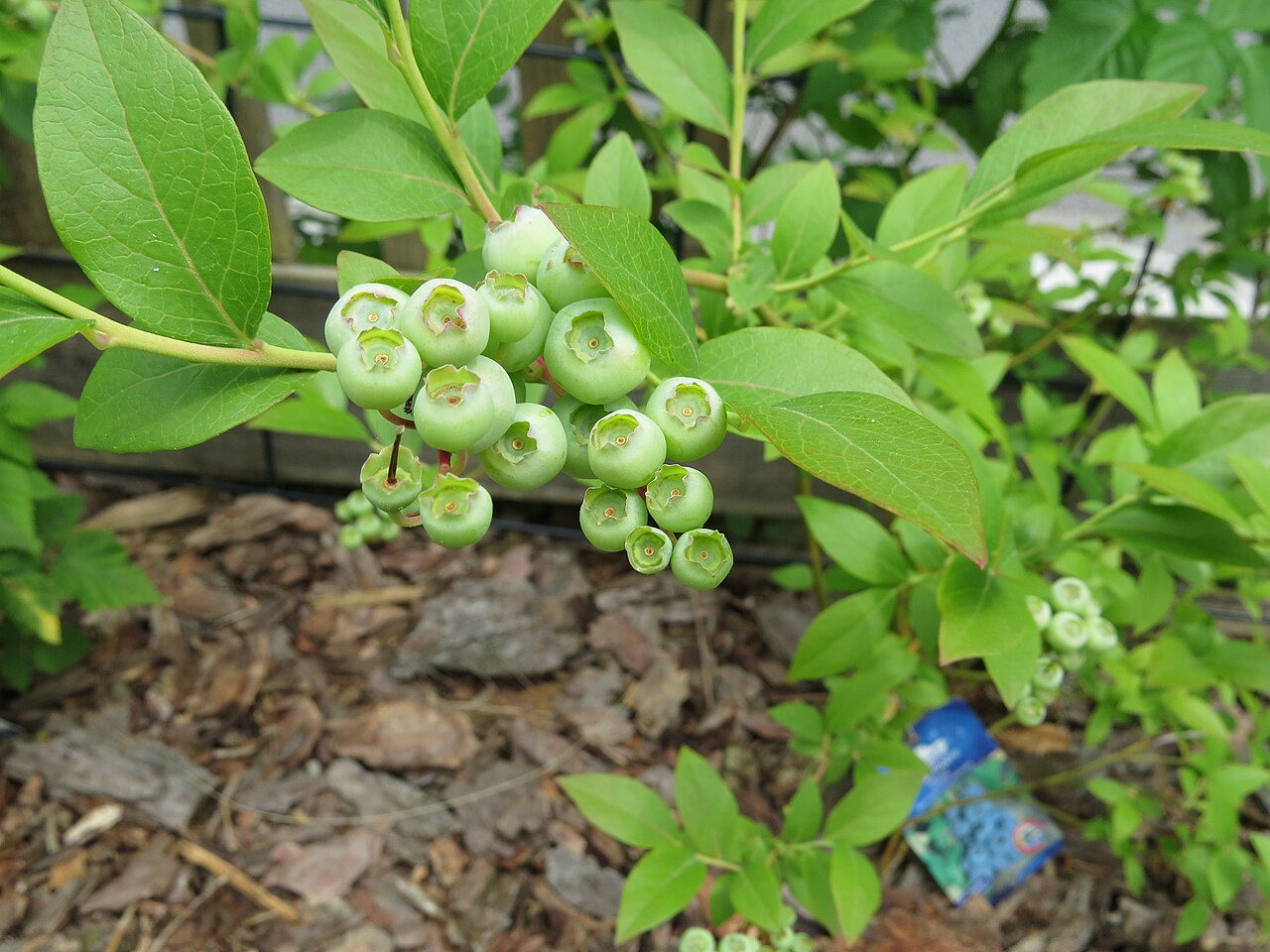
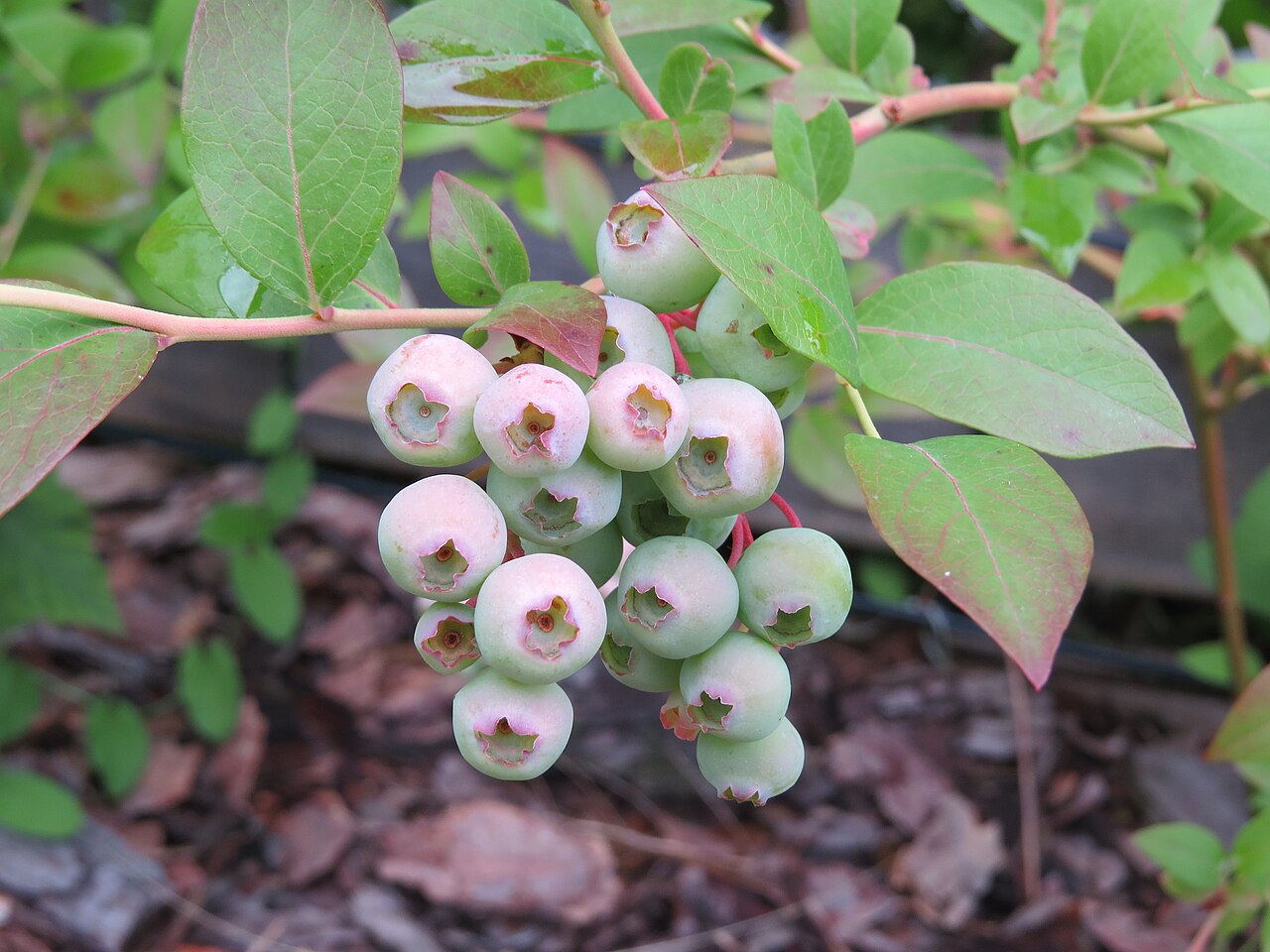
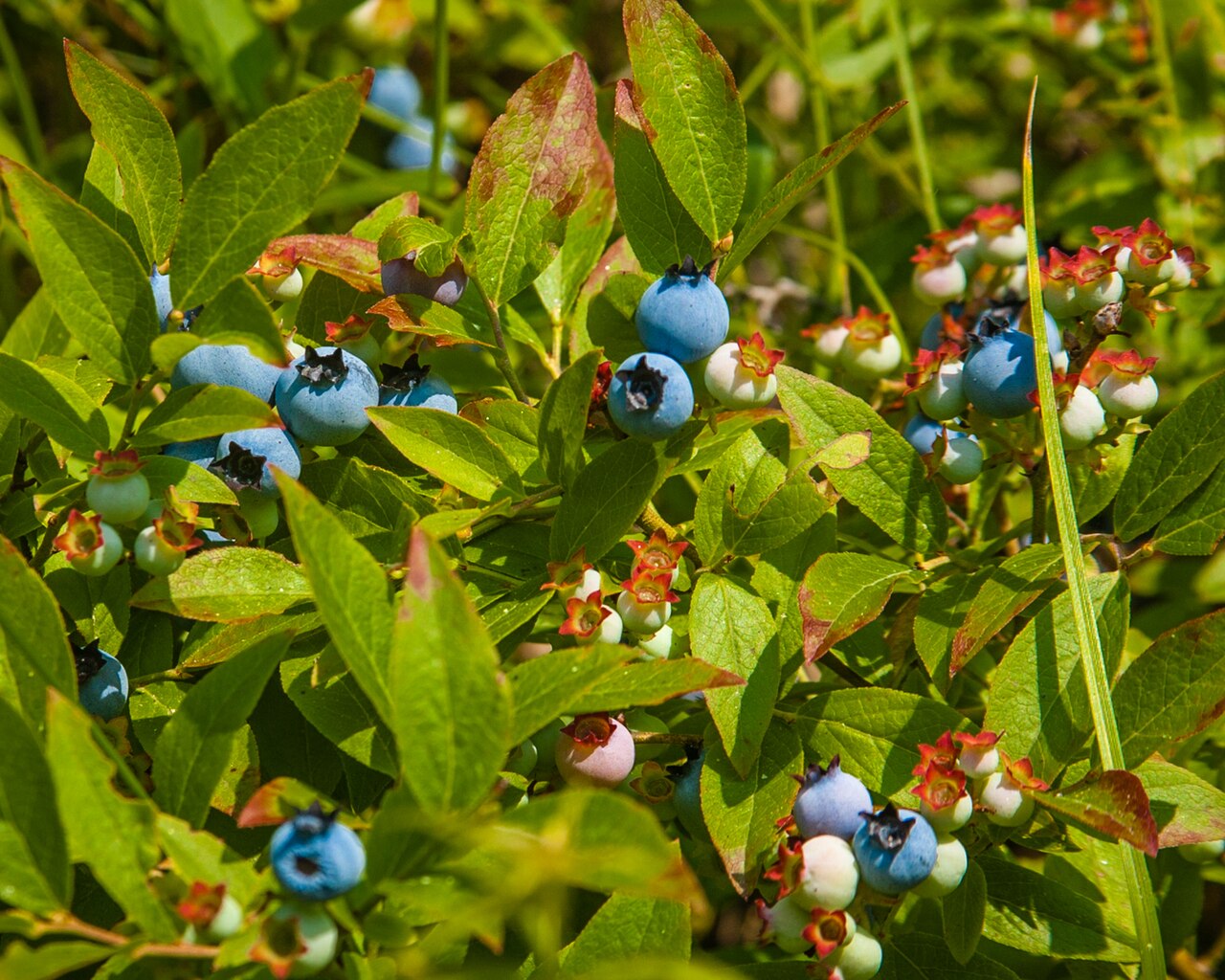
Blueberries are harvested from July to September, depending on the variety. Ripe berries are deep blue all the way to the stem end. The white bloom (the natural waxy coating) is actually a sign of quality. Unlike strawberries, blueberries don’t continue to ripen after picking, so only harvest them once they’re fully blue.
Fresh blueberries keep in the fridge for 3–5 days. Freeze any surplus (unwashed, pre-frozen on a tray, then transferred to bags) or turn them into jam, compote, or juice. Frozen blueberries can go straight into muesli, yogurt, or smoothies – they thaw quickly and taste just as good as fresh.
With these tips, growing blueberries in pots is sure to succeed – and you’ll be able to enjoy a rich harvest of one of the healthiest berries in the world every summer.
This article may contain affiliate links. If you purchase a product through one of these links, Plantgecko may earn a commission at no extra cost to you. This never influences our editorial independence or which products we recommend.