How to Care for Hanging Plants: The Complete Guide to Lush Green Cascades
How to Care for Hanging Plants: The Complete Guide to Lush Green Cascades
Hanging plants are the ultimate trend in modern interior design. They make use of vertical space, create a calming, natural atmosphere, and turn bare walls and empty corners into living green oases. From the classic spider plant to romantic trailing ivy to the exotic string-of-hearts, hanging plants come in an impressive variety. But however different the species, a few basic care principles apply to all of them. This comprehensive guide covers everything you need to know to grow healthy, lush hanging plants.
Choosing the Right Spot for Hanging Plants
Location matters more for hanging plants than for most other houseplants, for a simple reason: the higher a plant hangs, the warmer and drier the air around it. Warm air rises, so a hanging basket near the ceiling is exposed to noticeably warmer and drier conditions than a plant sitting on a windowsill. Plants that prefer cooler spots shouldn’t be hung too high.
For most hanging plants, a bright spot with indirect light is ideal — east- or west-facing windows are perfect. Make sure the trailing stems don’t touch the windowpane directly: leaves can suffer cold damage against icy glass in winter, or scorch against hot glass in summer. Keep in mind, too, that the upper leaves of a hanging plant can shade the lower ones from light, so turn the plant occasionally to give every side an even share.
Watering Hanging Plants — the Special Challenges
Watering hanging plants takes extra care, for a couple of reasons. First, soil in a hanging pot dries out faster than in a plant standing on a surface, because of its elevated position and the warmer surrounding air — especially in winter, when heated air rises toward the ceiling. Second, watering itself is tricky: water often runs down the side of the root ball and straight out of the pot without actually soaking into the soil.
The solution is to take the plant down and submerge the whole root ball in a bucket of room-temperature water until no more air bubbles rise. Let it drain well for about 15 minutes before rehanging it. This method ensures even moisture throughout the root ball and prevents dry pockets from forming. Alternatively, self-watering hanging pots with a built-in water reservoir work well too.
A practical tip: push a moisture meter, or simply a wooden skewer, into the soil to check whether water has actually reached the root zone. Most hanging plants prefer soil that stays evenly moist but never soggy.
Feeding Hanging Plants Correctly
With their long trailing stems, hanging plants have higher nutrient needs, since they’re constantly producing new leaves and shoots. During the growing season from April to September, feed with a liquid fertilizer every two weeks to support balanced growth and strong foliage.
Never apply fertilizer to dry soil, as this can burn the roots — water with plain water first, then apply the fertilizer solution afterward. Succulent hanging plants such as string-of-hearts or string of pearls only need a half-strength dose, since they’re adapted to nutrient-poor soils.
The Best Hanging Plants Compared
| Plant | Light needs | Water needs | Difficulty |
|---|---|---|---|
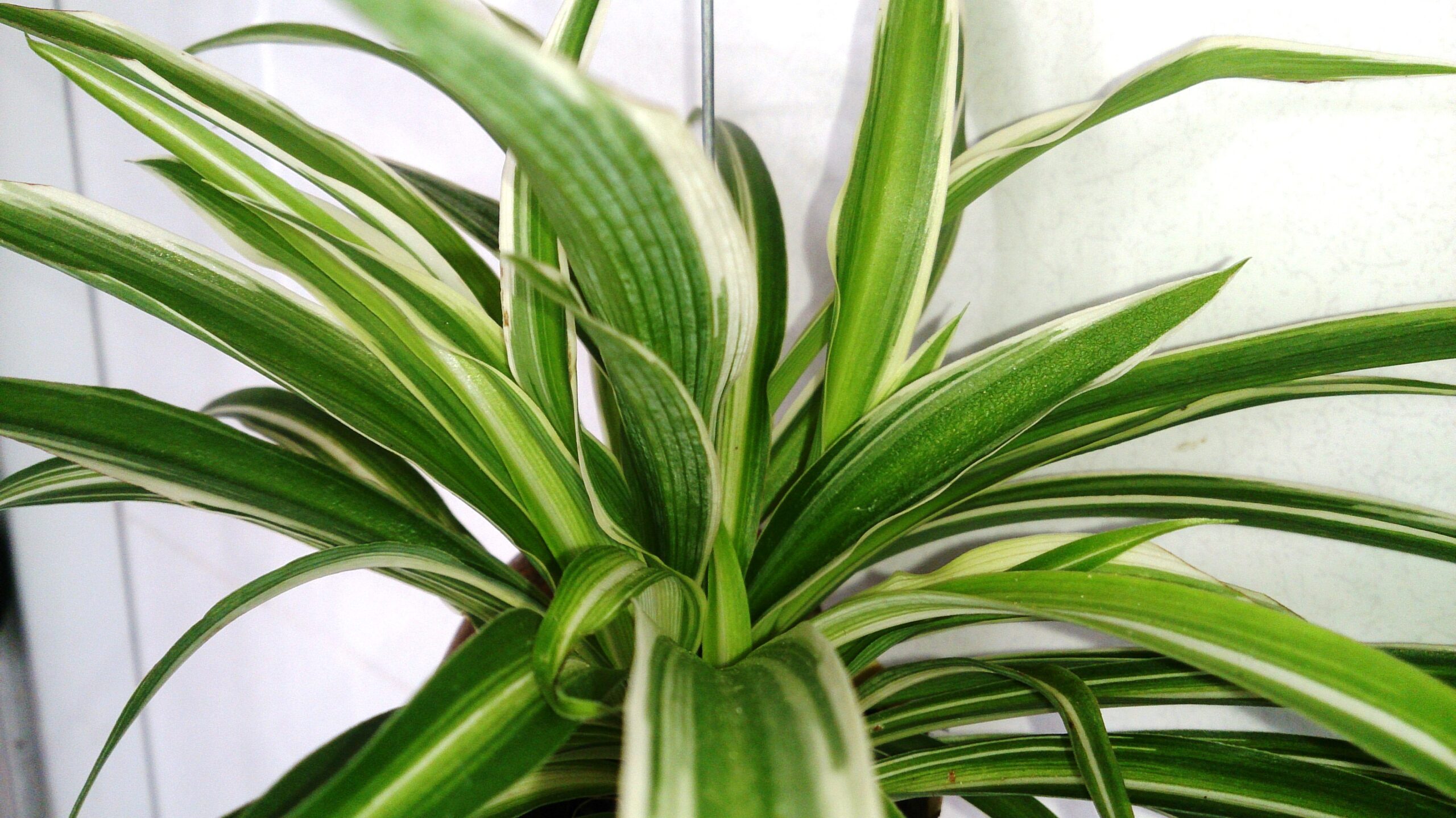
| Spider plant | Bright to partial shade | Moderate; keep evenly moist | Very easy |
| Pothos | Bright to shady | Low; let dry between waterings | Very easy |
| English ivy | Bright to partial shade | Moderate; keep evenly moist | Easy |
| String-of-hearts | Bright, indirect | Low; succulent | Moderate |
| Heartleaf philodendron | Bright to shady | Moderate; keep evenly moist | Easy |
| Sparrmannia (indoor linden) | Bright to partial shade | High; keep evenly moist | Moderate |
Choosing the Right Hanging Pot
Choosing the right hanging pot is about more than looks. It needs a drainage hole to prevent waterlogging — pots without one should only be used as a decorative outer sleeve, with the actual planted pot placed inside. A built-in drainage system with a catch tray is ideal.
Material matters too: terracotta pots let excess moisture evaporate and suit plants that prefer drier conditions, while plastic pots retain moisture better and suit thirstier plants. Weight is a practical consideration as well — a freshly watered hanging plant can be surprisingly heavy, so make sure the mounting hardware can safely support it.
Pruning and Shaping
Regular pruning in spring keeps hanging plants compact and encourages bushier growth. Don’t be afraid to cut back long, sparsely leaved stems hard — most hanging plants respond with vigorous new growth at the cut. Pothos and philodendrons especially benefit from regular trimming. The cuttings make great propagation material and can be rooted directly.
For an especially full look, combine several plants of the same species in one hanging pot — three or four young pothos plants in a single pot look lush right from the start. Occasionally redirecting the stems, for example winding them in a spiral around the hanger, also creates a denser appearance.
Winter Care for Hanging Plants
In winter, care requirements for hanging plants change significantly. Dry heated air, which tends to concentrate at the height where hanging baskets sit, is the biggest challenge. Mist the plants more often with low-lime water and consider placing a humidifier nearby. Moving the plants a bit lower for winter, where the air is less dry, also helps.
Cut back watering noticeably — most hanging plants need only about half as much water in winter as in summer. Feeding should also stop entirely from October through February, since the plants enter a natural dormant period. Watch out for cold drafts too, especially if the plant hangs near a window that gets opened in winter.
The 5 Most Common Hanging Plant Mistakes
| Mistake | Result | How to avoid it |
|---|---|---|
| Hung too high | Hot, dry air; hard to water | Choose a reachable height |
| No drainage hole | Waterlogging and root rot | Use a pot with a hole, plus a decorative outer pot |
| Mixing different species in one pot | Conflicting care needs | Group plants with similar needs |
| Only watering from above | Dry pockets in the root ball | Occasionally soak the root ball; check moisture |
| No pruning | Long, bare stems | Prune in spring for bushier growth |
The Best Hanging Plants for Every Spot
For bright, sunny spots, succulent hanging plants such as string-of-hearts, string of pearls, and various sedums are good choices. For partly shaded spots, pothos, heartleaf philodendron, and spider plant are excellent picks. Even dark corners have suitable options: pothos still thrives at north-facing windows, and spider plants get by on surprisingly little light.
For a bathroom with natural light, tropical hanging plants like ferns or wax plant (Hoya) are ideal, since they benefit from the higher humidity after a shower. For the kitchen, air-purifying species like pothos and spider plant are a great fit, effectively filtering cooking fumes and odors.
Conclusion: Hanging Plants as a Living Design Element
Hanging plants are much more than a passing trend — they’re a brilliant way to add greenery to small spaces and create a calming, natural atmosphere. With the right care, the right spot, and regular feeding, your hanging plants will grow into lush green cascades that elevate any room.
This article may contain affiliate links. If you purchase a product through one of these links, Plantgecko may earn a commission at no extra cost to you. This never influences our editorial independence or which products we recommend.