Dividing Perennials: When and How to Split Hostas, Daylilies, and Grasses
Dividing Perennials: When and How to Split Hostas, Daylilies, and Grasses
Garden perennials behave differently from clump-forming houseplants: they’re rooted in open ground, exposed to the seasons, and often grow much larger before they need attention. Dividing them serves two purposes at once – it rejuvenates clumps that have grown crowded and woody in the center, and it multiplies your favorite plants for free. Hostas, daylilies, and ornamental grasses are three of the most commonly divided perennials, and each has its own best practices.
Timing: Match the Plant, Not the Calendar
Hostas can be divided in early spring, just as the pointed shoots (‘spears’) emerge from the ground, or in early fall once the weather cools. Daylilies are most forgiving and can be split any time from spring through late summer, though dividing right after flowering gives them the longest recovery window before winter. Ornamental grasses are best divided in early spring before new growth starts – dividing them in fall risks exposing fresh cuts to hard frost before roots establish.
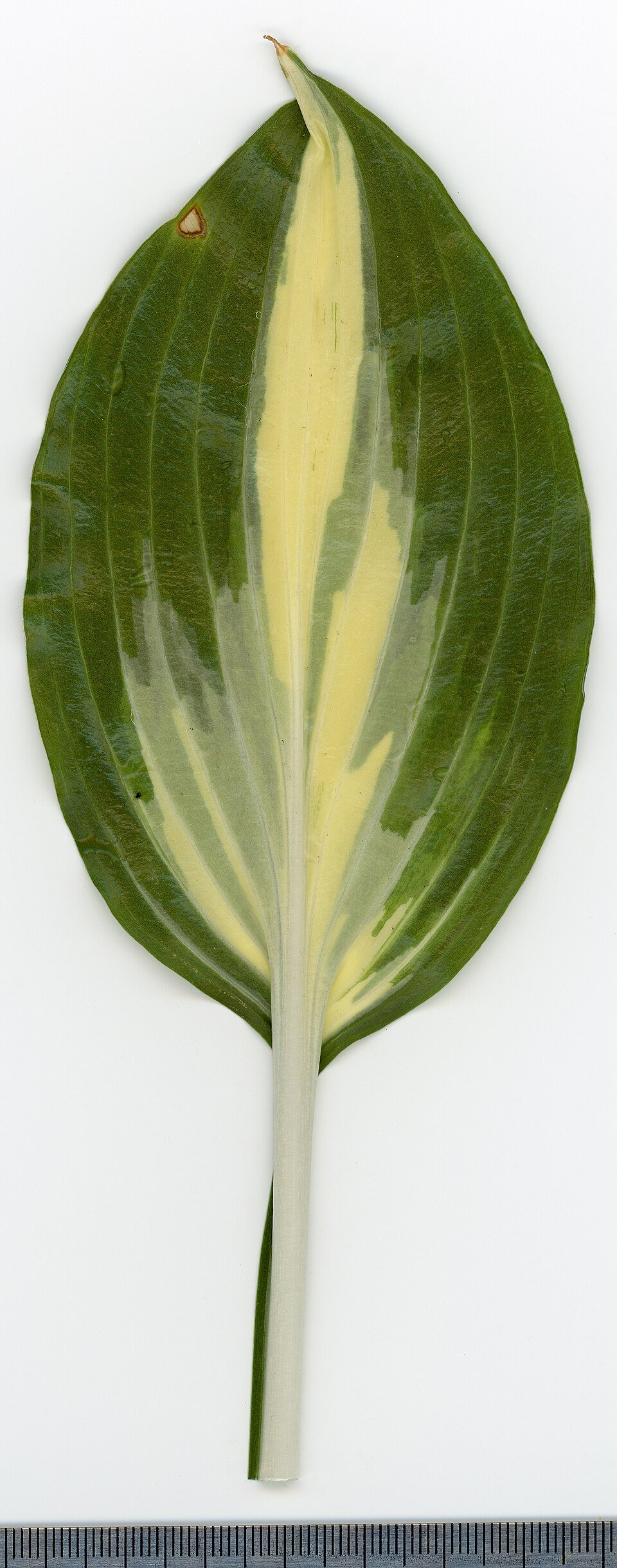
Dividing Hostas
Dig a wide circle around the clump to lift as much of the root ball as possible, then rinse or shake off excess soil so you can see the natural crown divisions. Each division needs at least one growth eye and a healthy portion of roots; use a sharp spade or knife to cut through tough crowns, or pull smaller clumps apart by hand. Replant divisions at the same depth as before and water deeply.
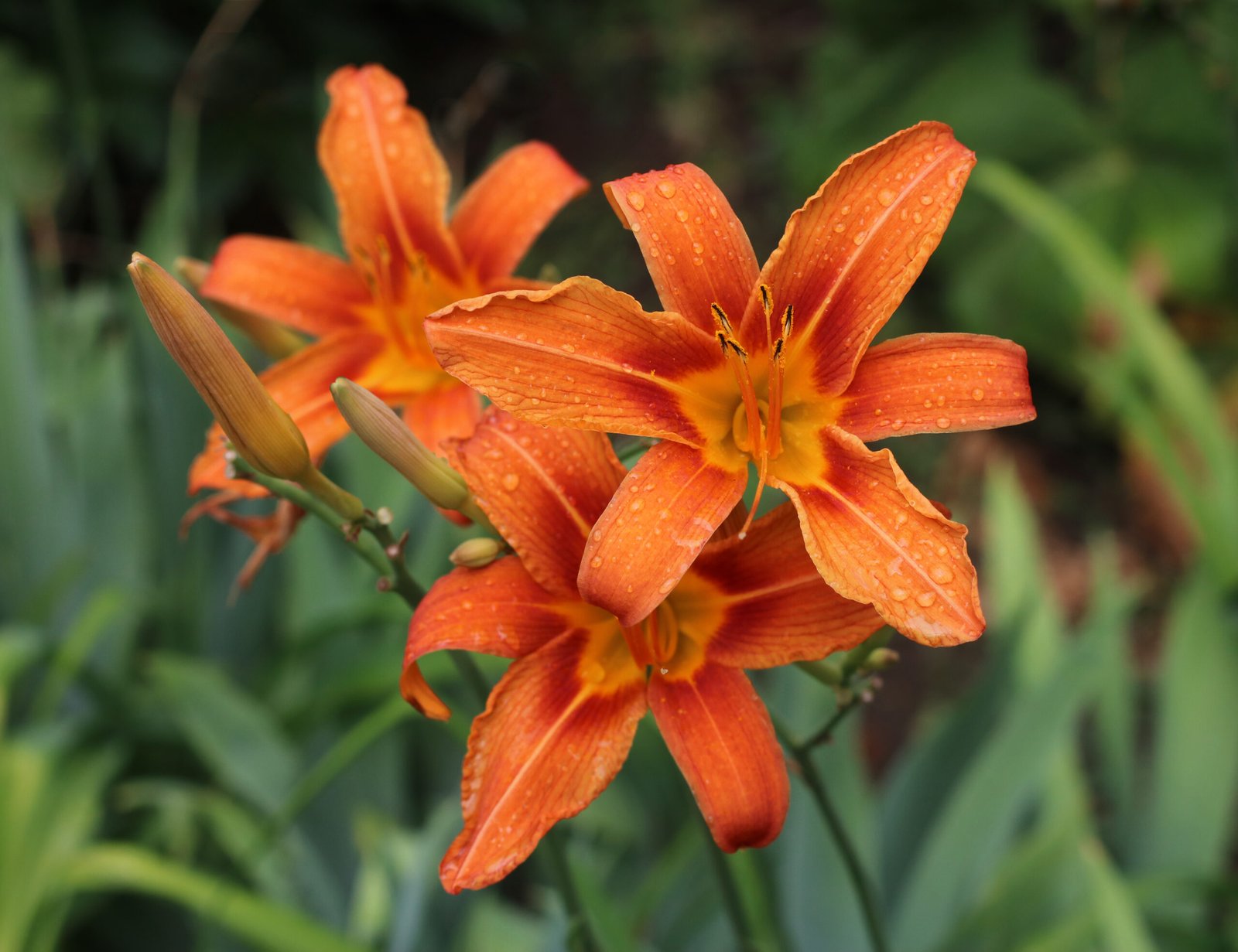
Dividing Daylilies
Daylily roots form dense, fibrous fans rather than a single woody crown, which makes them easier to pull apart. Lift the whole clump, then separate individual fans by hand or with two garden forks placed back to back and levered apart. Each fan should have its own roots attached. Trim the foliage back by about half to reduce water loss while the roots re-establish.
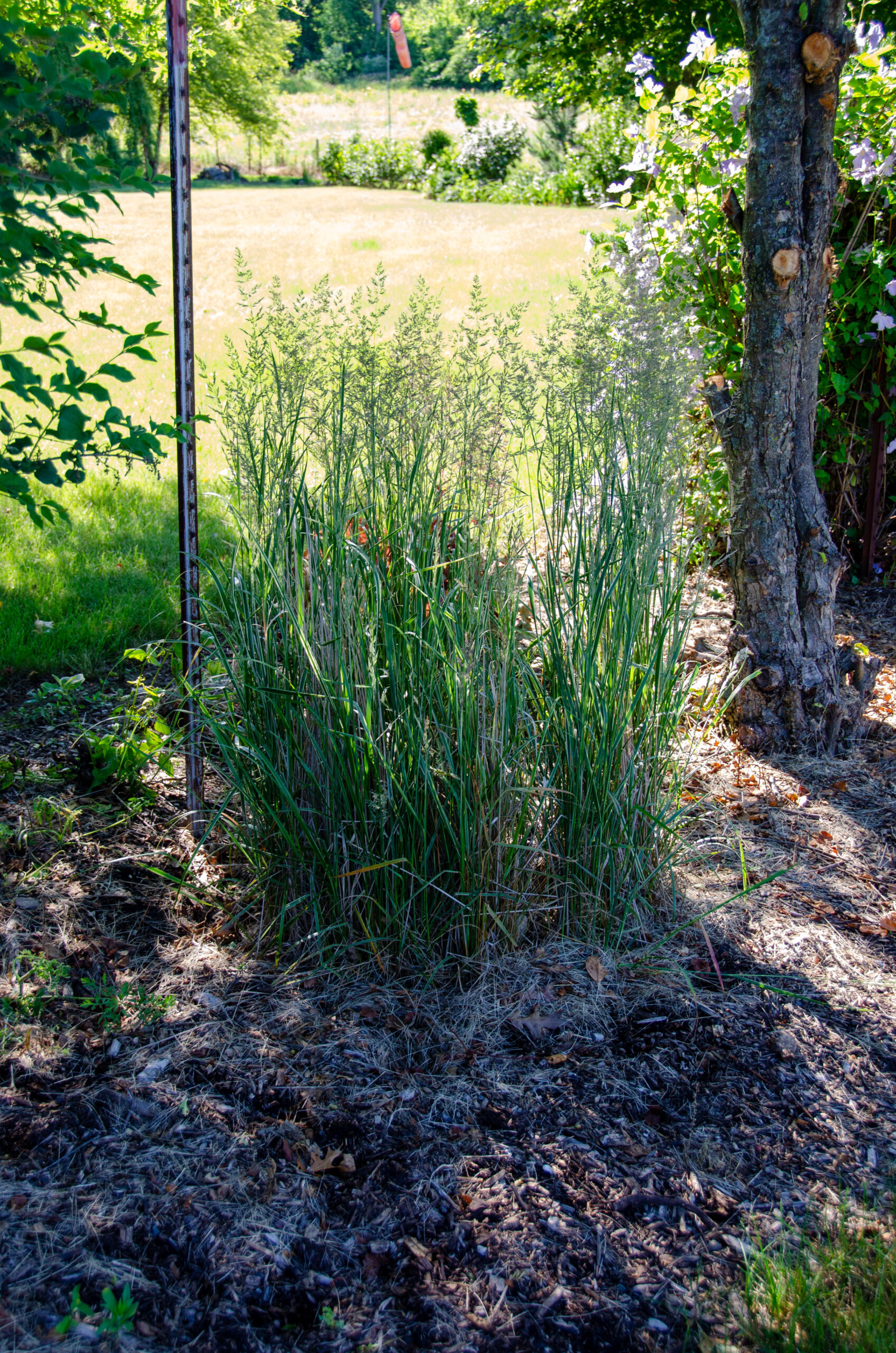
Dividing Ornamental Grasses
Mature grasses form a dense, fibrous root mass that can be genuinely tough to break apart, especially in larger species like miscanthus or pampas grass. Cut the foliage back to about 15 cm (6 inches) before you start, then dig out the whole clump. A garden saw, old kitchen knife, or even an axe may be needed to slice through the root ball into sections, each with several healthy shoots attached.
| Perennial | Best Time | Tool Needed | Divide Every |
|---|---|---|---|
| Hostas | Early spring or early fall | Spade or knife | 3–5 years |
| Daylilies | Spring–late summer | Garden forks or hands | 3–4 years |
| Ornamental grasses | Early spring | Saw or spade | 2–4 years |
Aftercare
Newly divided perennials need consistent moisture while they rebuild their root systems – water deeply two to three times a week for the first month unless rain does the job for you. A layer of mulch around (not touching) the crown helps retain moisture and moderates soil temperature. Hold off on fertilizing for a few weeks to avoid stressing damaged roots, and don’t be surprised if divisions look a little sparse the first season; most perennials fill back in by the following year.