Powdery and Downy Mildew on Houseplants – How to Tell Them Apart and Treat Them Successfully
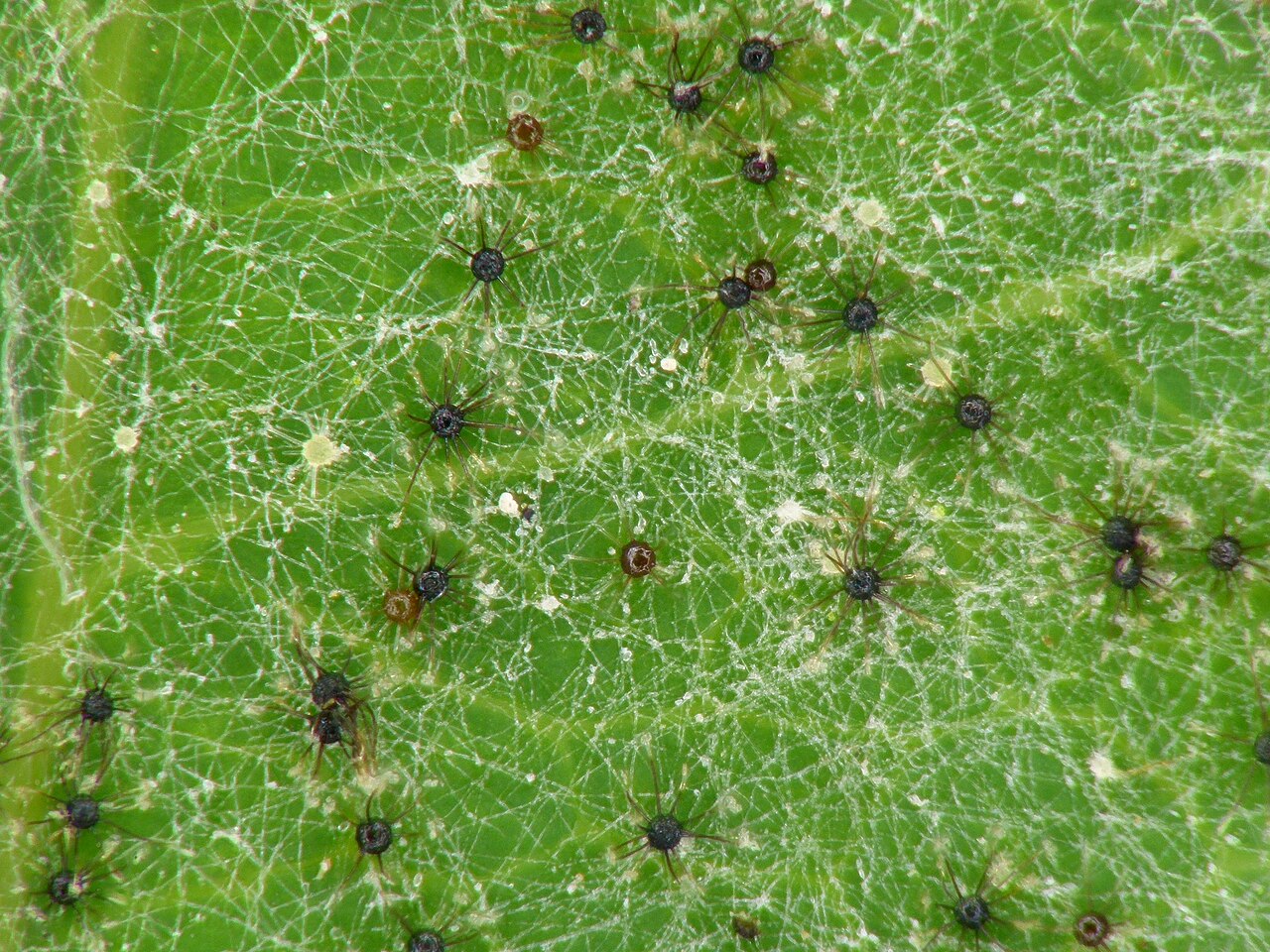
A white coating on your houseplant’s leaves that looks like powdered sugar is actually a fungal infection. Mildew comes in two forms with different causes that require different treatments. Here’s how to tell powdery and downy mildew apart and get your plant healthy again.
Powdery Mildew – The Fair-Weather Fungus
Powdery mildew appears as a white, powdery coating on the upper leaf surface that can be wiped off. Paradoxically, it shows up in warm, dry weather with large swings between day and night temperatures. The spores germinate on dry leaves — rain and high humidity actually inhibit it. Commonly affected: African violets, begonias, indoor roses, and kalanchoe.
Downy Mildew – The Moisture Lover
Downy mildew forms a grayish-purple, velvety coating on the underside of the leaf. On the upper side, yellowish spots appear that later turn brown. It needs wet leaves and high humidity — typical after overhead watering or overly crowded plants. It penetrates deeper into the leaf tissue and is harder to control.
Treatment: What Actually Works
For both types of mildew: remove affected leaves immediately and dispose of them in household trash — never on the compost pile! For powdery mildew, a milk-and-water spray works well: 1 part whole milk to 8 parts water, sprayed onto the leaves every 3–4 days. The lactic bacteria and incoming UV light inhibit the fungus. A baking soda solution (1 teaspoon per liter of water with a drop of dish soap) also creates an alkaline environment the fungus hates.
Downy mildew usually calls for stronger measures: sulfur- or copper-based fungicides from a garden center. Alternatively, a horsetail tea (made from field horsetail) helps by strengthening the plant’s cell walls and preventing fungal spores from germinating.
Prevention Is the Best Medicine
Good air circulation prevents both types of mildew. Don’t crowd your plants, and water in the morning so leaves can dry out during the day. Avoid bright sun on wet leaves and large temperature swings. Healthy, well-fed (but not overfertilized) plants are naturally more resistant.