Mint in Pots and Garden: How to Keep It Flavorful
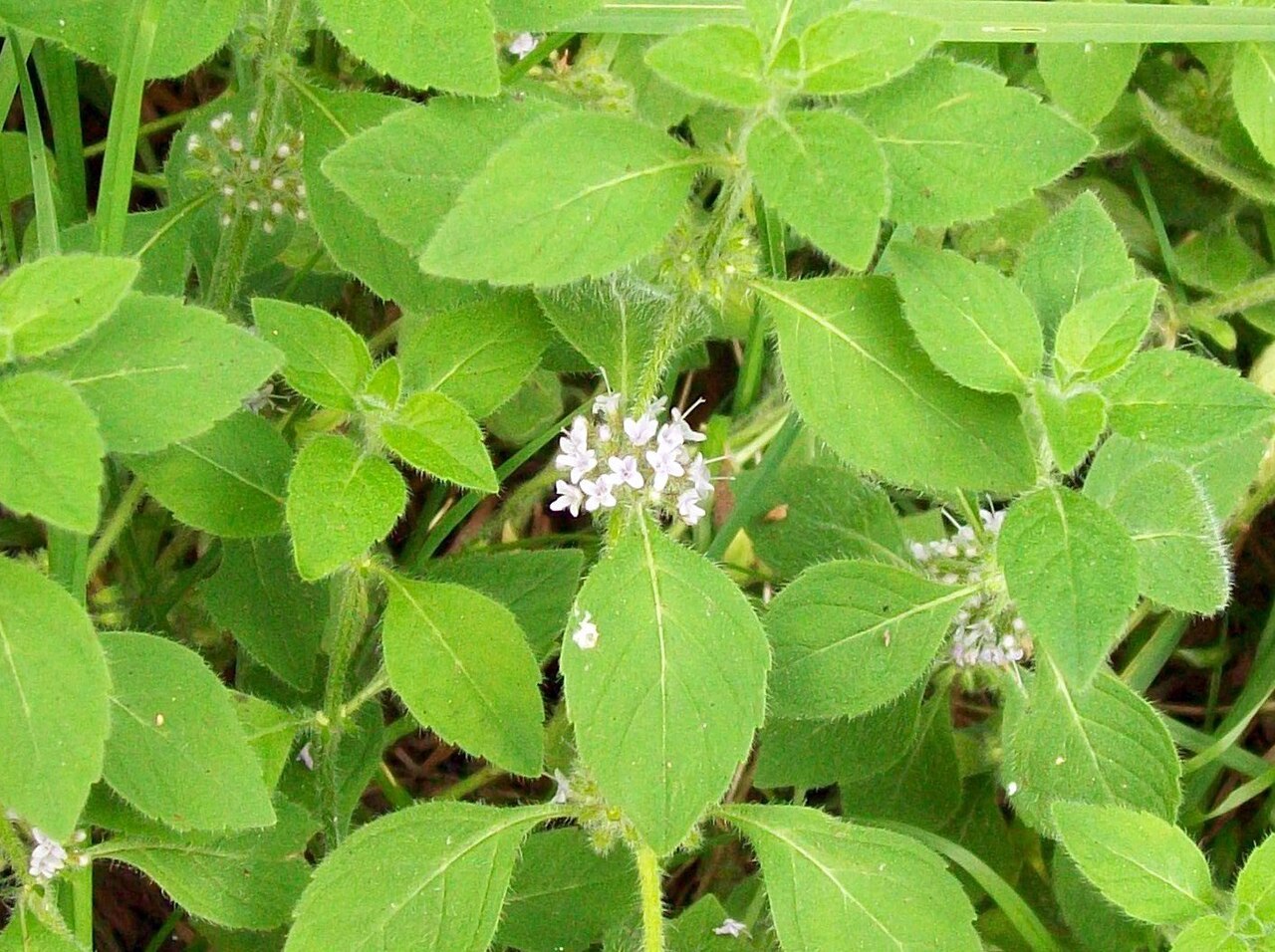
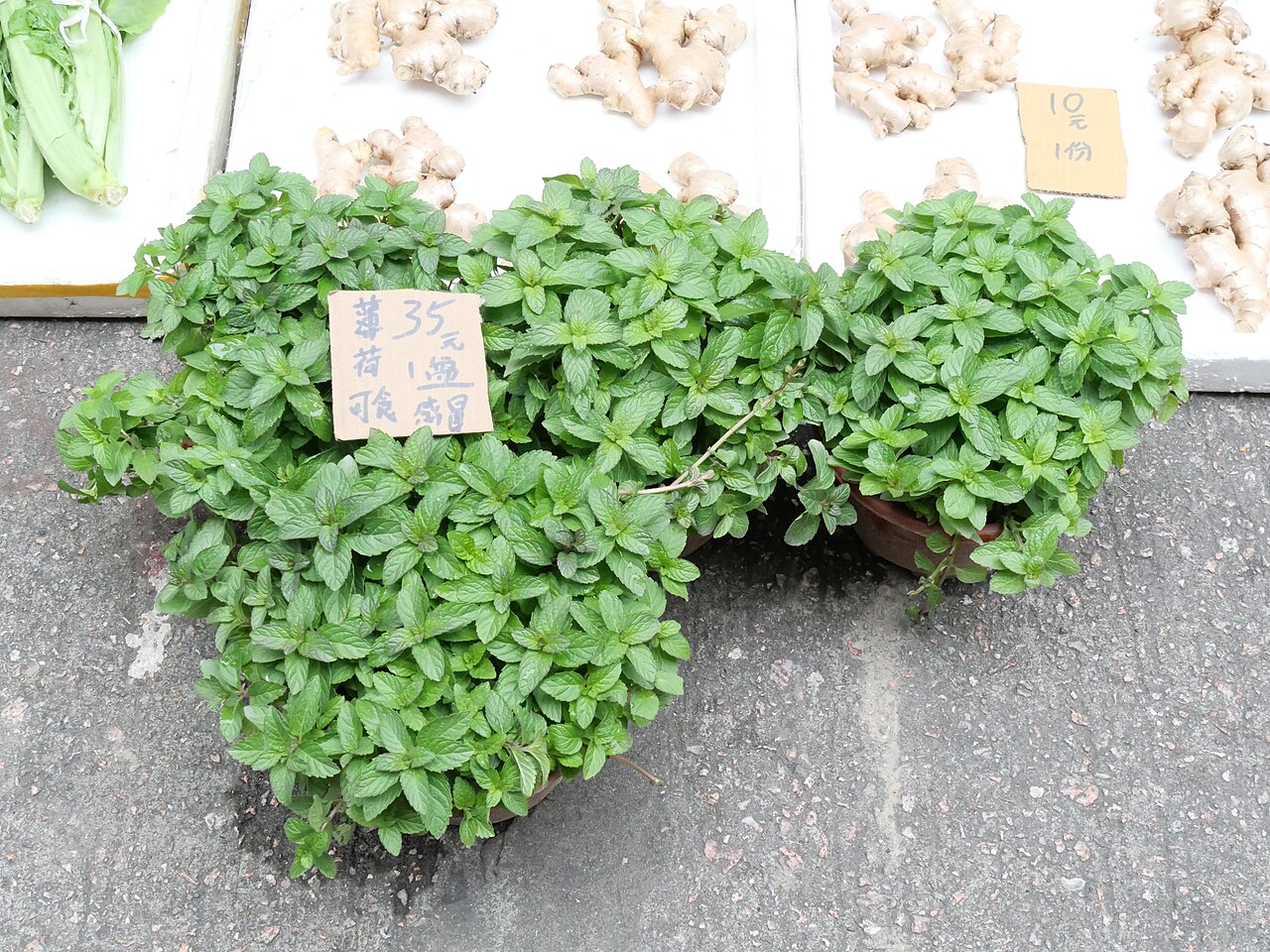
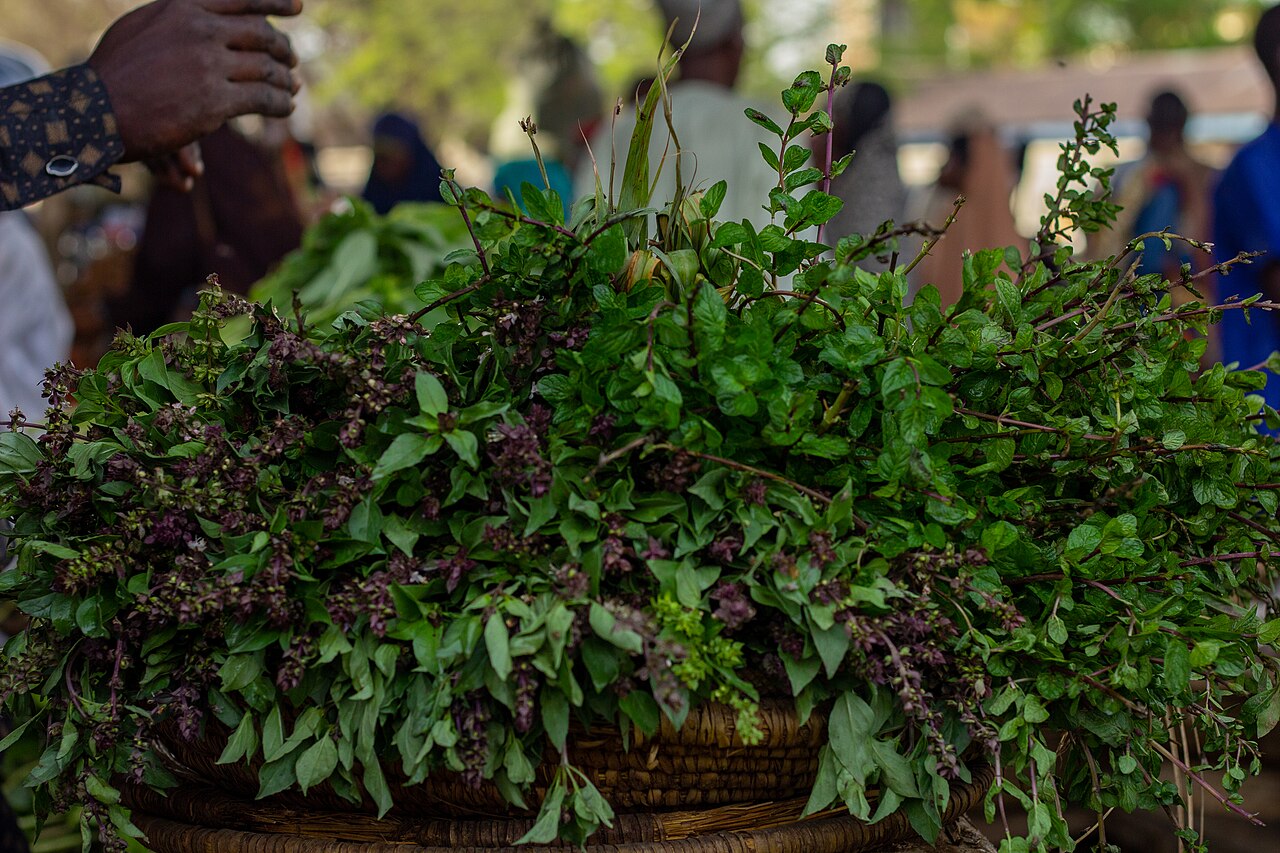
Mint (Mentha) is one of the easiest herbs to grow — often too easy, since its notorious spreading habit has ruined many an open garden bed. Grown correctly, though, whether in a pot or a contained garden spot, mint rewards very little effort with an abundant, fragrant harvest all summer long, perfect for teas, cocktails, and cooking.
Choosing a Mint Variety
Spearmint (Mentha spicata) and peppermint (Mentha x piperita) are the two most widely grown culinary types, with peppermint offering a sharper, more menthol-forward flavor suited to teas and desserts, and spearmint a milder, sweeter taste that works well in savory dishes and drinks like mojitos. Specialty varieties such as chocolate mint, apple mint, and pineapple mint add fun flavor twists, though they are generally less intensely flavored than the two classics.
Why Containers Are Strongly Recommended
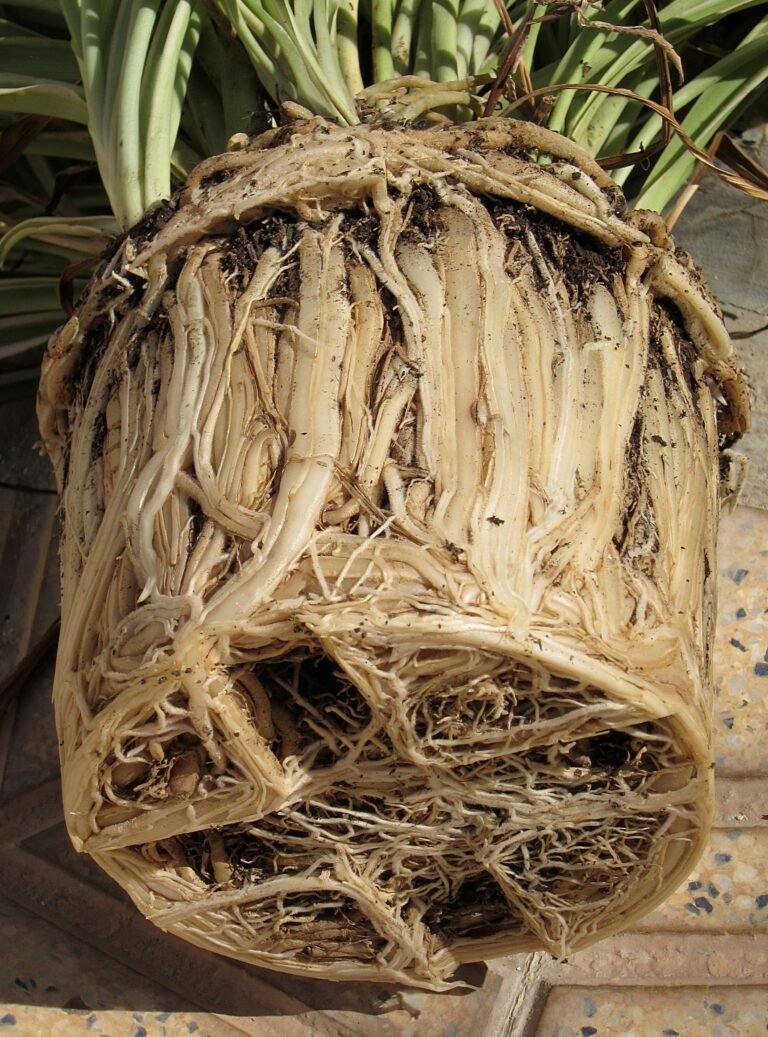
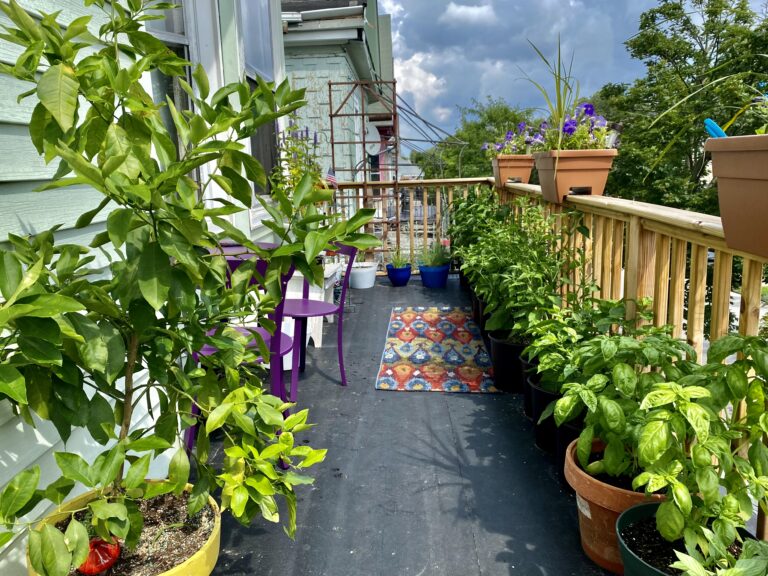
Mint spreads aggressively through underground runners (rhizomes), and a single unconfined plant can colonize an entire bed within one or two seasons, crowding out neighboring plants. For this reason, growing mint in a container is almost always the better choice, whether that container sits on a patio or is sunk into the ground within the garden bed itself to contain the roots while still looking integrated into the landscape.
Growing Mint in Pots
Choose a pot at least 10-12 inches wide with good drainage holes, and use a general-purpose potting mix. A wide terracotta or ceramic pot works well and also helps prevent waterlogging, since mint dislikes sitting in soggy soil despite its love of moisture. Because mint’s roots fill a pot quickly, plan to divide and repot, or start fresh cuttings, every year or two once growth slows and the center of the clump becomes woody.
Light and Watering
Mint grows best in partial shade to full sun, tolerating more shade than most culinary herbs — in fact, some afternoon shade in hot climates helps prevent leaf scorch and keeps the flavor from becoming overly strong and bitter. Keep soil consistently moist; mint has shallow roots and dries out faster than deep-rooted herbs like rosemary, so container plants especially may need watering daily in hot weather.
Feeding and Harvesting
Mint isn’t a heavy feeder, but a monthly dose of diluted liquid fertilizer during the growing season keeps leaves lush and flavorful. Harvest regularly by pinching stem tips just above a leaf pair — this is not just harvesting but also the best way to keep the plant bushy rather than leggy. Regular cutting also delays flowering, since leaf flavor becomes noticeably more bitter once the plant blooms and puts energy into seed production.
Pruning and Renewal
Cut mint back hard, to just a few inches above the soil, once or twice during the growing season if it becomes straggly or starts flowering heavily — it will regrow quickly and often produces a fresher, more compact flush of new leaves within two to three weeks. At the end of the season, cut the plant back close to the ground; it will die back over winter and re-emerge reliably from the roots in spring in all but the coldest climates.
Pests and Problems
Mint is largely trouble-free, though mint rust, a fungal disease causing orange pustules on leaf undersides, can appear in damp, crowded conditions. Remove and destroy affected foliage, improve air circulation, and avoid overhead watering. Spider mites can occasionally appear on stressed indoor or greenhouse plants; increasing humidity and rinsing foliage usually solves this before it becomes serious.
Preserving the Harvest
With such a generous, fast-growing herb, it pays to preserve surplus mint. Leaves freeze well chopped into ice cube trays with a little water for instant tea or cocktail additions, and mint also air-dries quickly when hung in small bundles in a warm, dark, well-ventilated spot — once fully dry and crumbly, store it in an airtight container away from light to preserve flavor for use through winter.