Growing Thyme: Varieties, Location, and Care
Popular Thyme Varieties
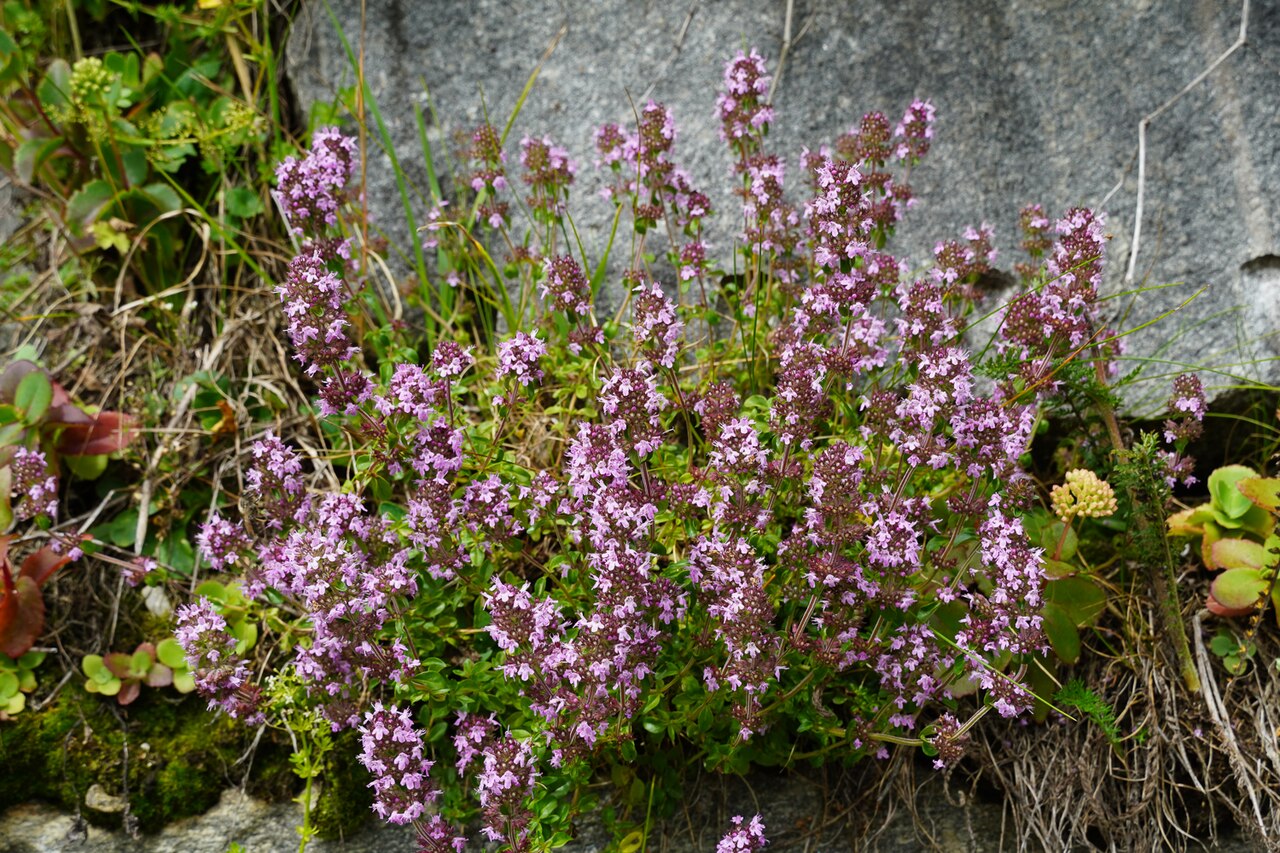
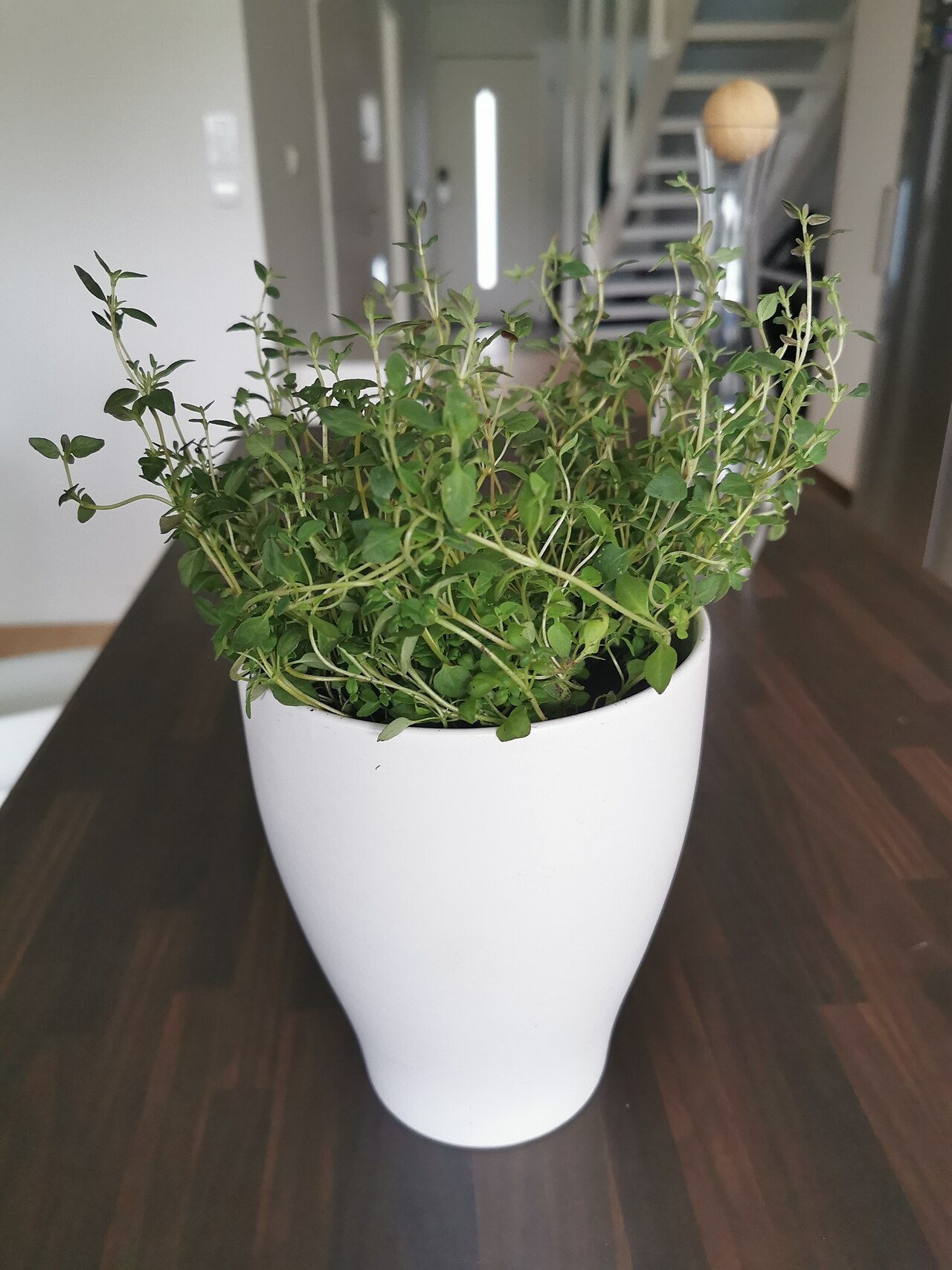
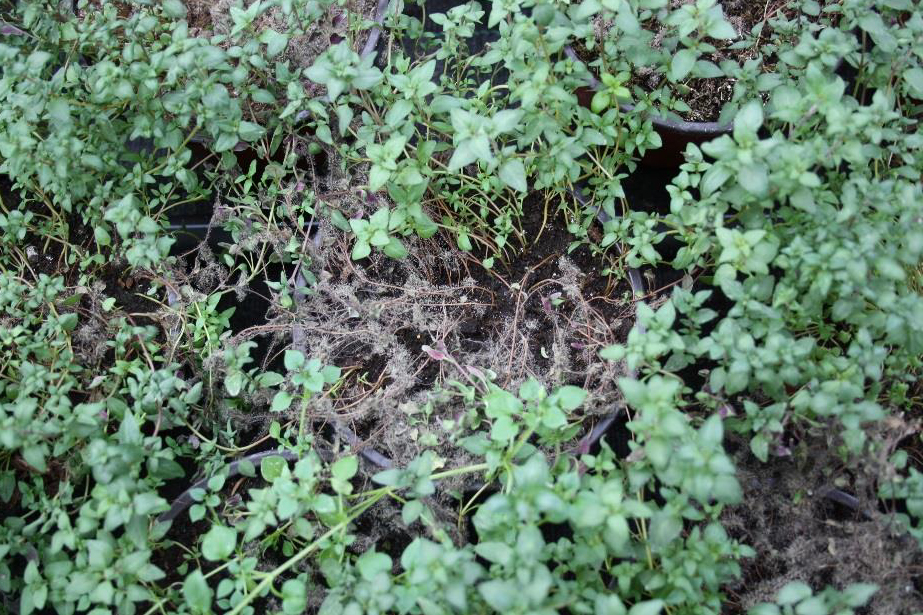
Thyme comes in dozens of species and cultivars, but a few stand out for home gardens. Common thyme (Thymus vulgaris) is the classic upright culinary variety used in cooking. Lemon thyme (Thymus citriodorus) offers the same growth habit with a distinct citrus fragrance, popular in teas and desserts as well as savory dishes. Creeping thyme (Thymus serpyllum) forms a low, mat-like groundcover that tolerates foot traffic, making it a favorite for planting between pavers or in rock gardens; it is edible, though less commonly used in the kitchen than the upright types.
Location and Soil
Full sun is essential — aim for six to eight hours of direct light daily. Thyme actually performs best in lean, rocky, or sandy soil with excellent drainage, and it tends to struggle in rich, fertile garden beds where the soil stays too moist and encourages weak, floppy growth. Once established, it tolerates drought well, which makes it an ideal choice for Mediterranean-style herb gardens, rock gardens, gravel paths, and other spots with poor soil that most other plants reject.
Watering and Feeding
Water sparingly, letting the soil dry out between waterings. More thyme plants are lost to overwatering and overly generous soil than to neglect. Little to no fertilizer is needed; at most, a light feeding once in spring is sufficient, since excess nutrients push soft growth and reduce the concentration of aromatic oils.
Pruning, Harvest, and Propagation
Trim plants back after flowering to keep them compact and prevent the woody, leggy growth thyme develops with age. Sprigs can be harvested at any time, though flavor is most concentrated just before the plant flowers. Because thyme becomes increasingly woody at the base after a few years, it benefits from being divided every three to four years to rejuvenate it. It also propagates readily from stem cuttings, and creeping varieties will root naturally wherever their trailing stems touch soil, a process known as layering.
The main problems to watch for are root rot in wet, poorly drained soil and fungal issues in humid conditions with poor air circulation — both easily avoided by giving thyme the lean, sunny, well-drained spot it prefers.
Thyme also pairs well with other Mediterranean herbs such as rosemary, sage, and oregano, since they share the same preference for sun and lean, dry soil. Planting them together in a dedicated herb bed or a large shared container makes watering and feeding simpler, since none of them want the rich, moisture-retentive conditions that many vegetables and ornamentals require. Its low, spreading growth habit also makes creeping varieties a useful edging plant along a sunny border.