Rosemary: The Mediterranean Classic for Garden and Balcony
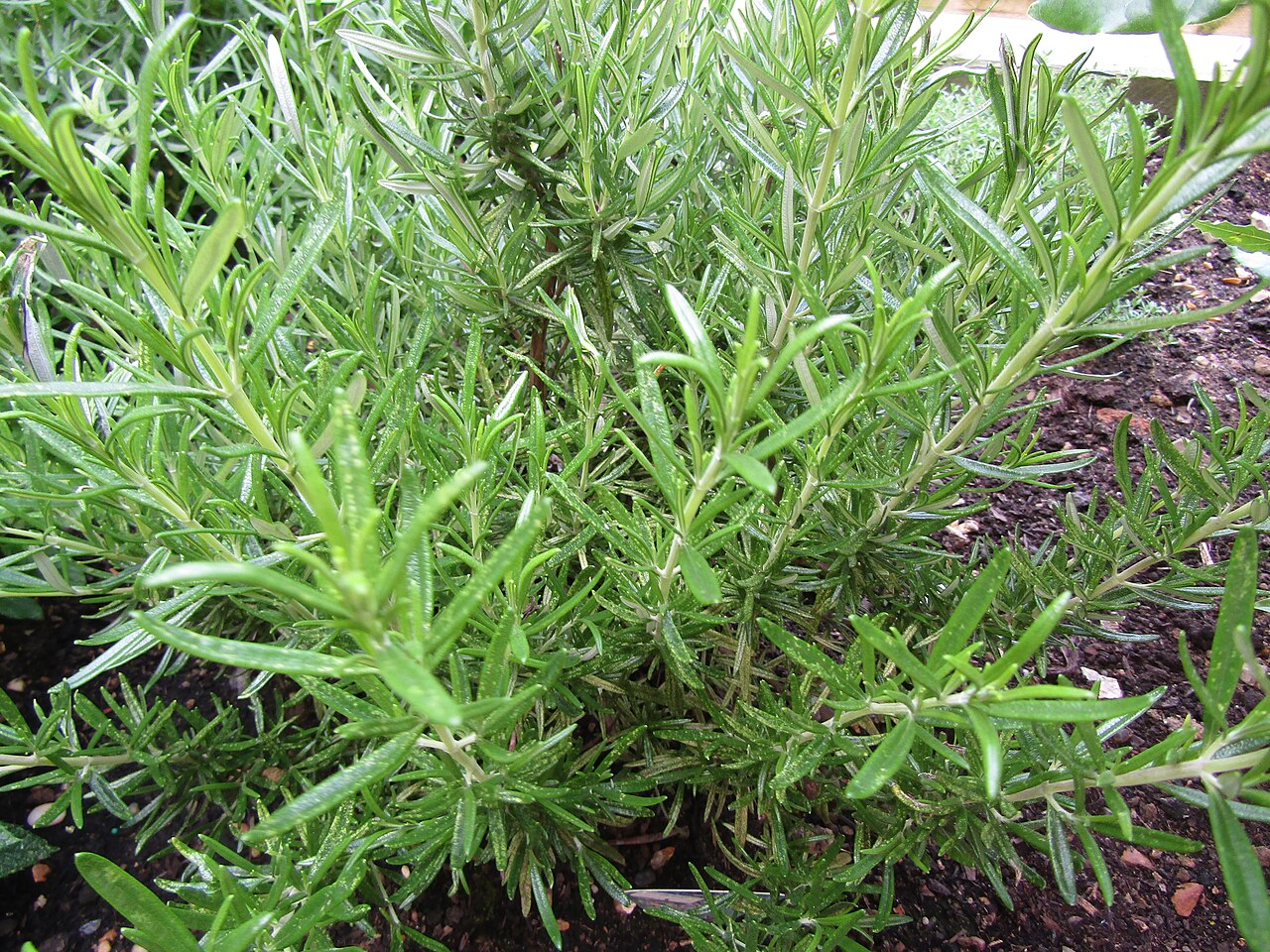
I’d appreciate if you could mail me (Kolforn@gmail.com) if you want to use this pi (CC BY-SA 4.0, Wikimedia Commons)
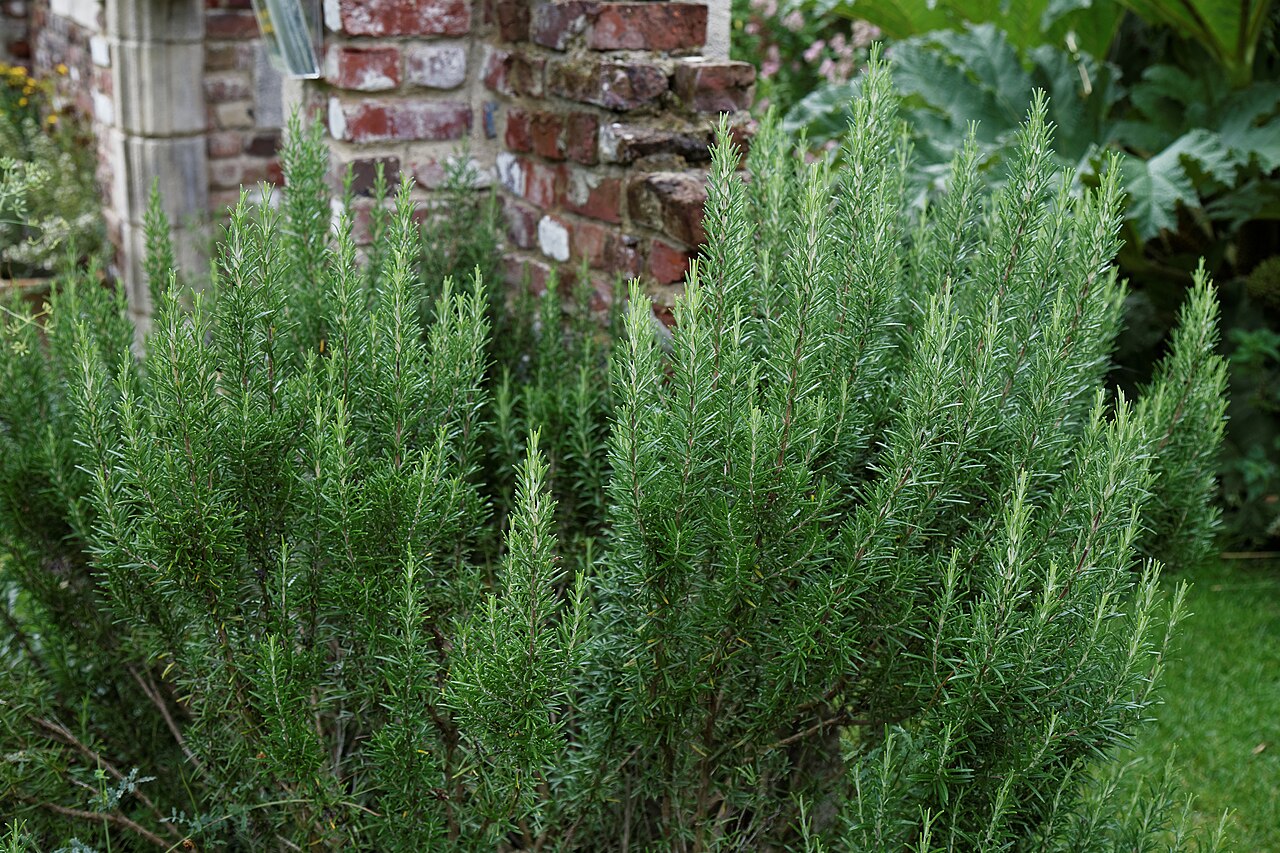
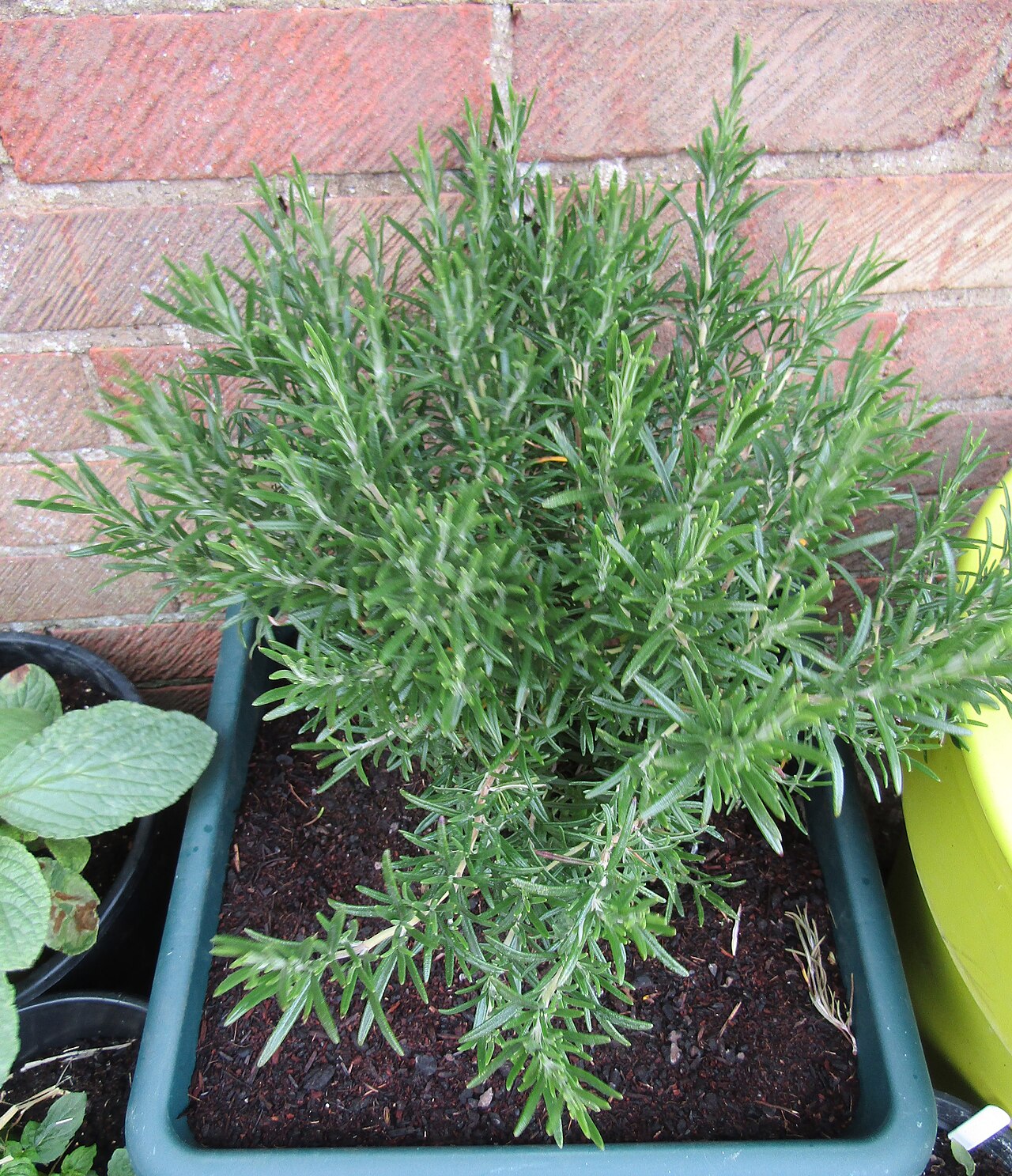
I’d appreciate if you could mail me (Kolforn@gmail.com) if you want to use this pi (CC BY-SA 4.0, Wikimedia Commons)
Origins and Growing Conditions
Rosemary (Salvia rosmarinus, formerly classified as Rosmarinus officinalis) is a woody, evergreen perennial native to the rocky coastlines of the Mediterranean. That heritage explains its preferences: full sun for at least six hours a day, well-draining sandy or gritty soil, and a slightly alkaline pH between 6.0 and 7.5. Once established, rosemary is remarkably drought-tolerant. Cold hardiness varies by variety, with some tolerating temperatures down to about 20°F, while others need protection below freezing. In colder regions, it is easiest to grow rosemary in a container that can be moved indoors for winter.
Watering and Soil
The single most common way to lose a rosemary plant is overwatering, especially in containers. Rosemary’s Mediterranean roots evolved for lean, fast-draining soil, and constantly damp conditions quickly lead to root rot. Let the soil dry out noticeably between waterings, and when growing in pots, choose an unglazed terracotta container with drainage holes and a gritty, cactus-style potting mix rather than a moisture-retentive one.
Pruning and Shaping
Prune rosemary after it finishes flowering to maintain a compact, bushy shape and to encourage fresh new growth. Regular light trimming for kitchen use doubles as maintenance pruning throughout the season. Be careful not to cut back hard into old, bare woody stems, since rosemary is slow to resprout from wood that no longer has any green growth on it.
Winter Care and Common Problems
If overwintering indoors, place the plant in a bright, cool spot around 50-60°F and cut back on watering, since growth slows considerably. Indoor heating and still air can invite two common issues: powdery mildew, which is best managed by improving air circulation, and spider mites, which thrive in dry heat and are discouraged by occasional misting or a nearby humidity tray. Outdoors, root rot from poorly draining soil remains the biggest threat to an otherwise low-maintenance plant.
Propagation
Rosemary is best propagated from semi-hardwood cuttings taken in early summer. Choose a non-flowering shoot, strip the lower leaves, and root it in a gritty, well-draining mix kept lightly moist. Growing rosemary from seed is possible but slow and unreliable, with inconsistent and often poor germination, so cuttings or nursery plants are the more dependable route.
Beyond the kitchen, rosemary earns its keep as a landscape plant. Its stiff, upright stems and fine needle-like foliage make it useful as a low hedge or edging plant along a sunny path, and the pale blue flowers it produces in late winter or early spring are an excellent early source of nectar for bees. On a balcony, a single well-drained pot of rosemary can thrive for many years with very little attention beyond occasional watering and an annual trim, making it one of the most forgiving herbs available to container gardeners.
This article may contain affiliate links. If you purchase a product through one of these links, Plantgecko may earn a commission at no extra cost to you. This never influences our editorial independence or which products we recommend.