Growing Basil: How to Care for and Harvest It Successfully
Light, Warmth, and Soil
Basil (Ocimum basilicum) is a warmth-loving annual herb that needs at least six hours of bright light a day, either from a sunny windowsill or an outdoor bed. It thrives in consistently warm conditions between 65-85°F (18-29°C) and is very sensitive to cold; even a light frost or temperatures below 50°F will damage or kill it. Plant basil in fertile, well-draining soil with a slightly acidic to neutral pH of 6.0-7.5. In containers, use a quality potting mix and a pot with drainage holes, since basil does not tolerate soggy roots.
Watering and Feeding
Keep the soil evenly moist but never waterlogged. A good rule is to water when the top inch of soil feels dry, then soak thoroughly. Water at the base rather than over the leaves, and try to water earlier in the day so foliage can dry before evening, since damp leaves overnight encourage fungal disease. A light layer of mulch around garden-grown plants helps retain moisture and keeps roots cool. Feed every three to four weeks with a balanced, diluted fertilizer; avoid heavy nitrogen feeding, which produces lush growth at the expense of the aromatic oils that give basil its flavor.
Harvesting for the Best Flavor
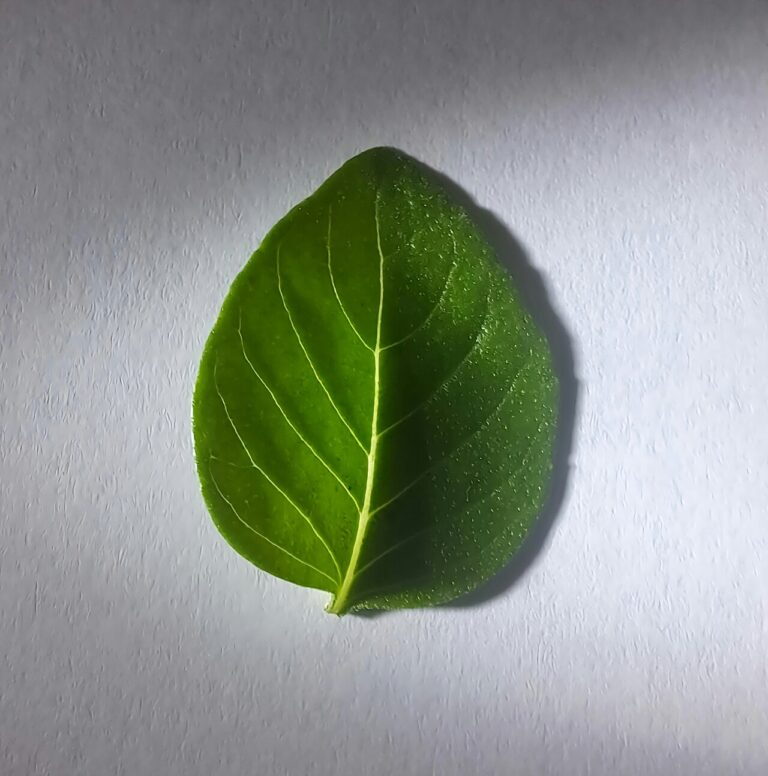
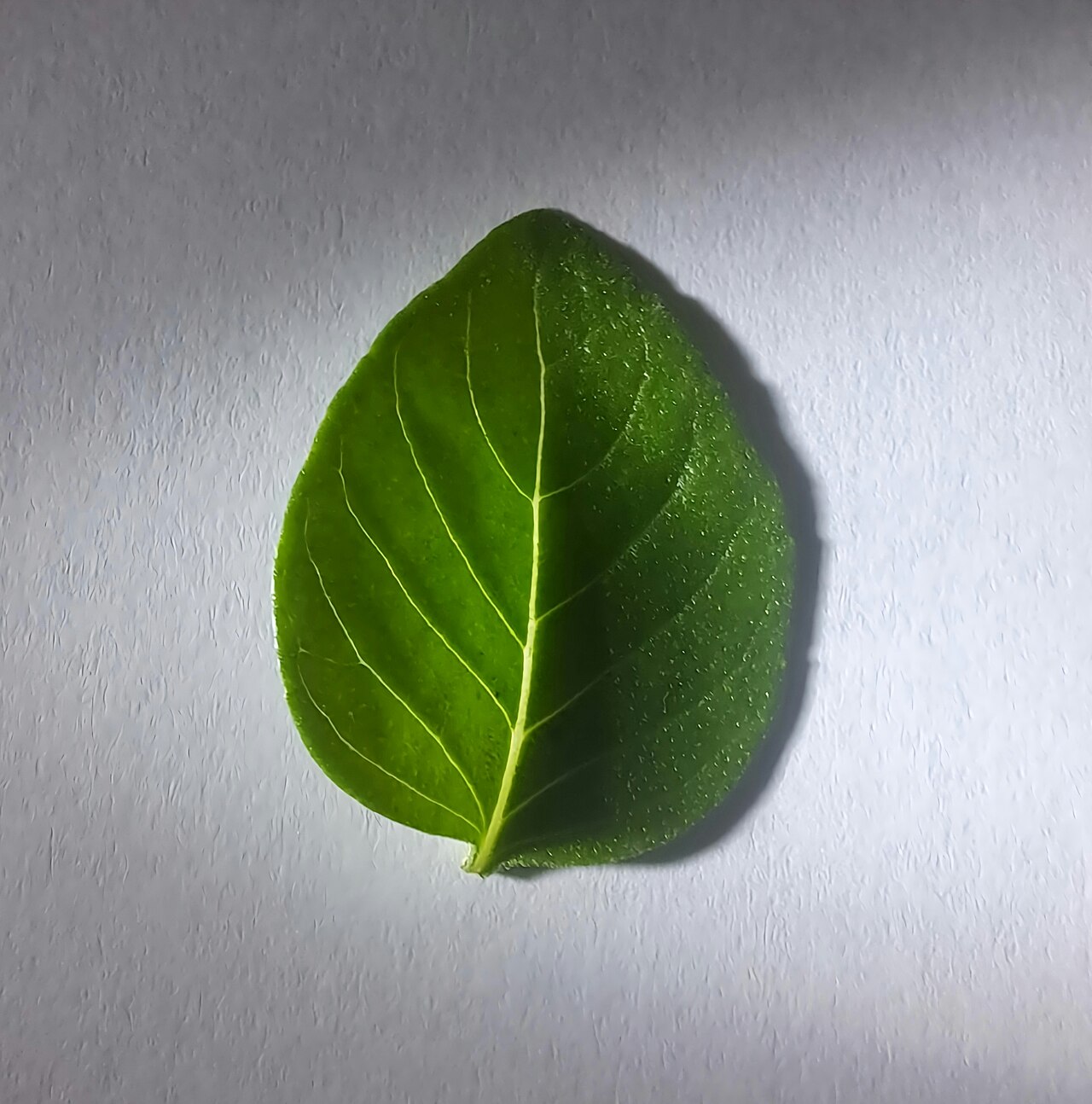
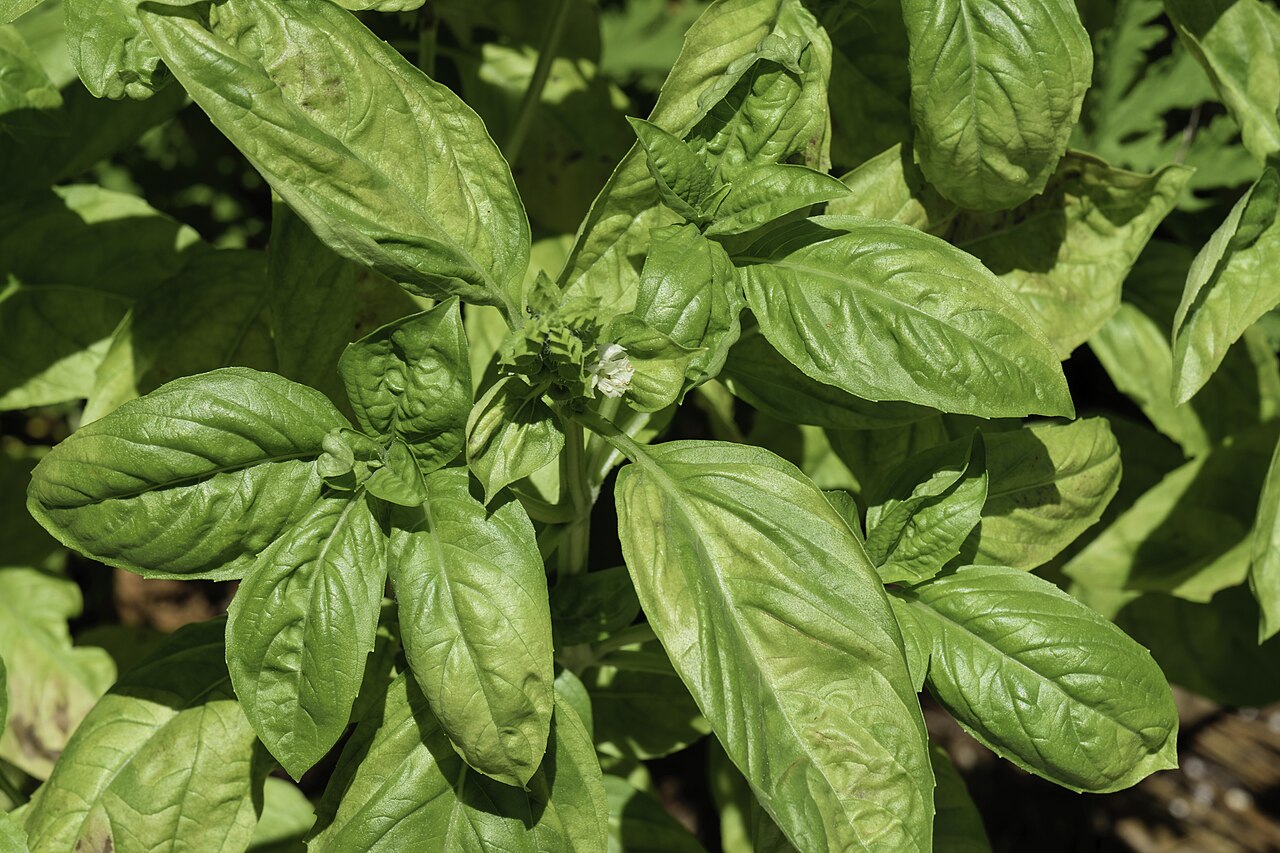
Harvest basil in the morning, after any dew has dried but before the heat of the day, since this is when the essential oils responsible for its aroma are most concentrated. Always cut just above a leaf node — the point where a pair of leaves meets the stem — rather than plucking single leaves. This encourages the plant to branch into two new stems at that point, producing a fuller, bushier plant. Harvesting regularly from the top down, rather than stripping the bottom, keeps plants productive for months.
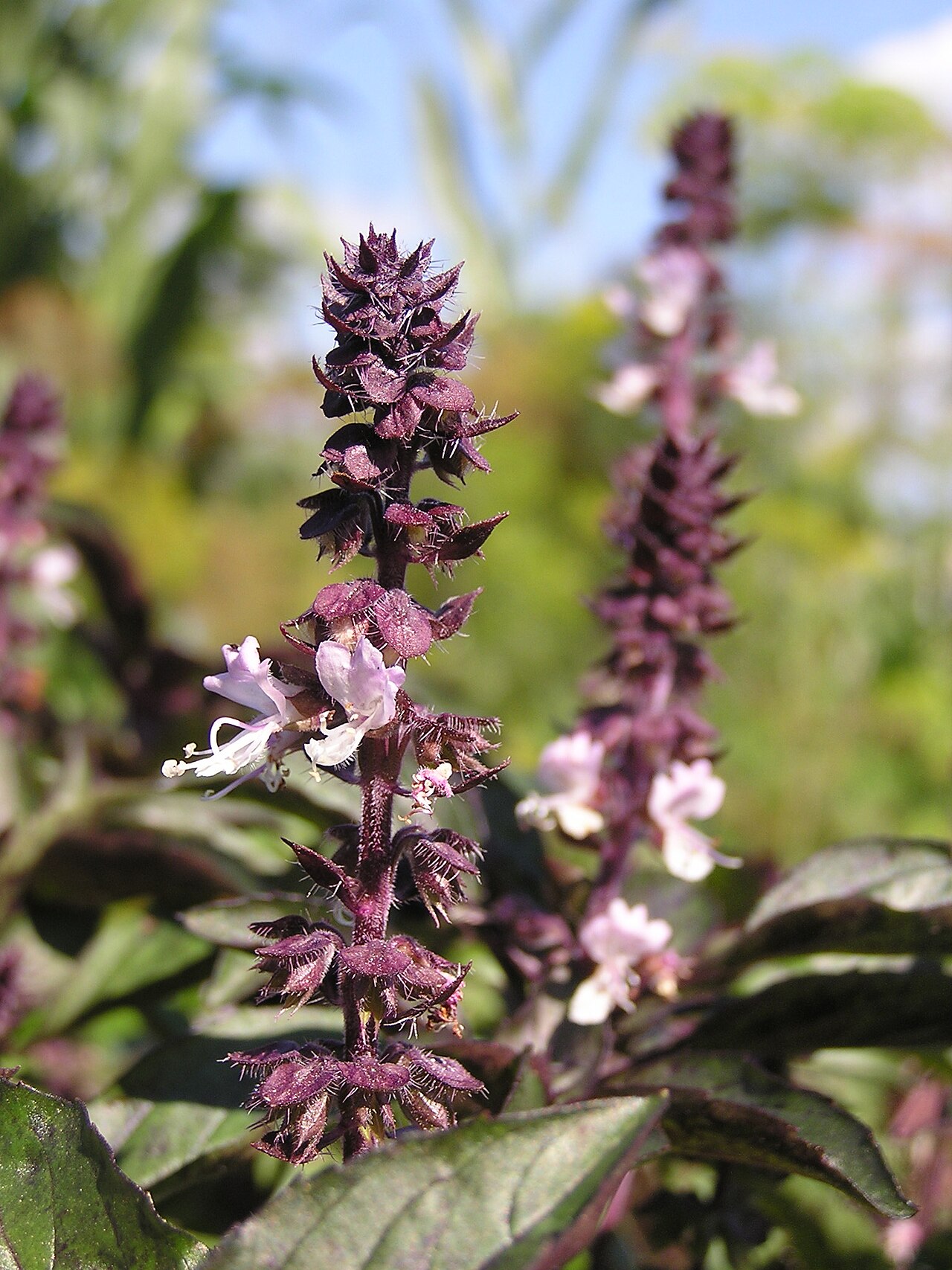
Watch closely for flower spikes forming at the stem tips and pinch them off as soon as you see them. Once basil flowers and begins setting seed, it redirects energy away from leaf production and the remaining leaves turn noticeably more bitter.
Common Problems and Propagation
- Downy mildew: yellow patches on top of leaves with fuzzy gray-purple growth underneath. Improve air circulation, avoid overhead watering, and consider mildew-resistant varieties.
- Aphids and whiteflies: rinse plants with a strong jet of water or treat with insecticidal soap.
- Fusarium wilt: a soil-borne fungal disease causing sudden wilting; remove and discard affected plants and rotate where you grow basil each year.
Basil is one of the easiest herbs to propagate from cuttings: snip a 4-inch stem below a leaf node, strip the lower leaves, and place it in a glass of water on a sunny windowsill. Roots typically appear within one to two weeks, after which the cutting can be potted into soil. It also grows readily from seed sown directly after the last frost or started indoors four to six weeks earlier.