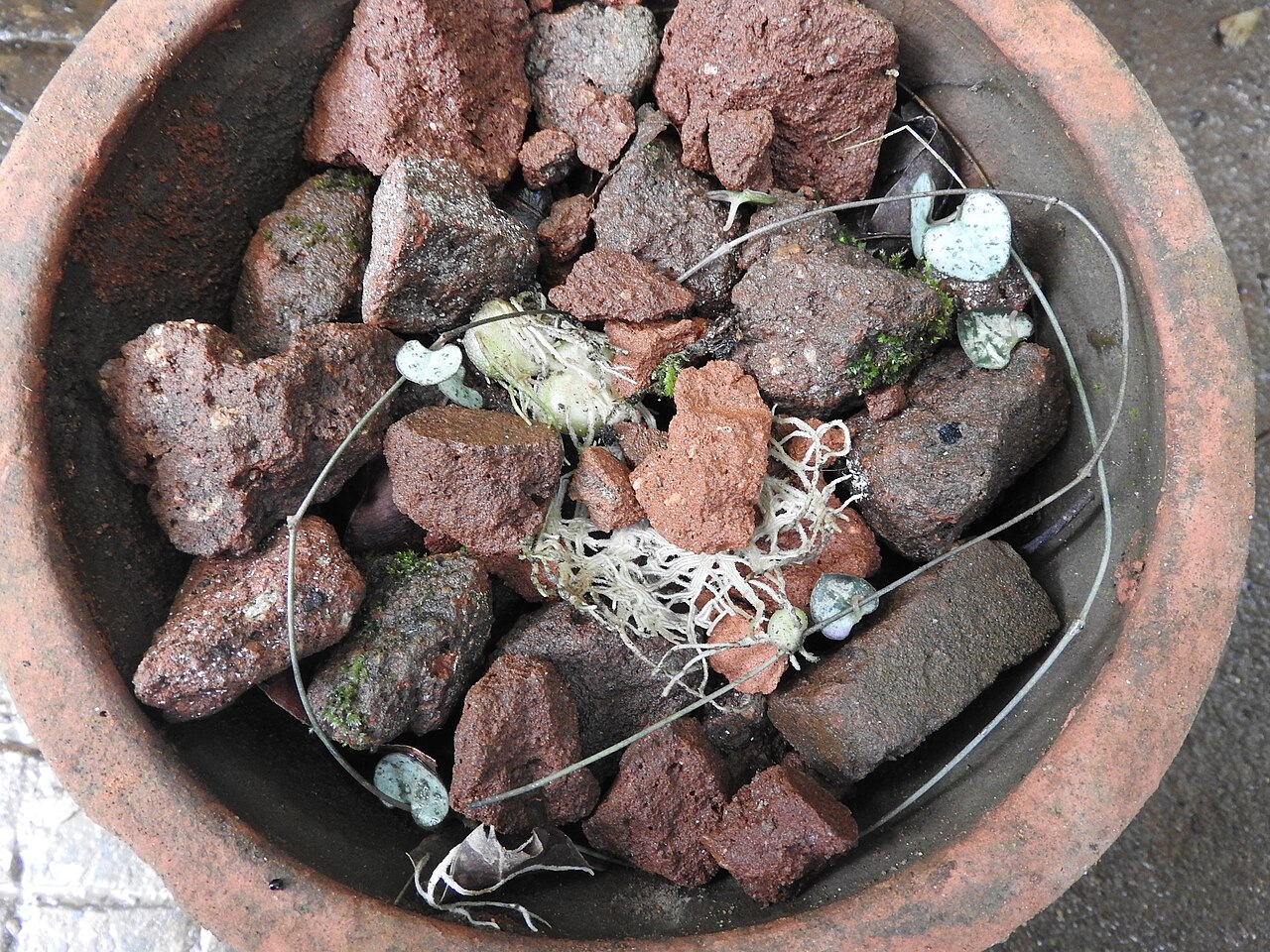
String of Hearts (Ceropegia woodii): Delicate Hearts on Long Trailing Vines
String of hearts (Ceropegia woodii) is a delicate-looking but surprisingly tough trailing succulent, prized for its long, thin vines strung with small heart-shaped leaves marbled in silver and green, often with purple undersides. Native to South Africa, it stores water in both its leaves and a tuberous base, making it far more drought-tolerant than its dainty appearance suggests.
Light Requirements
This plant wants bright light, including a few hours of gentle direct sun, to keep its trailing stems compact and its leaf coloring vivid. In too little light, the naturally close-set leaves stretch apart along the vine, producing a sparser, less attractive look that pruning can only partly correct.
Watering: Let It Dry Out
Like most succulents, string of hearts should be watered thoroughly and then left to dry out almost completely before the next watering, typically every two to three weeks, less in winter. Its leaves and underground tuber both store water reserves, so it tolerates neglect far better than overwatering, which quickly causes stem and root rot.
Soil and Potting
A fast-draining succulent or cactus mix is essential, in a pot with good drainage holes. Because the trailing stems can grow quite long, a hanging basket or an elevated shelf position lets the vines cascade freely, which is both practical and shows off the plant’s growth habit.
Feeding
Feed sparingly with a diluted, balanced fertilizer once or twice during spring and summer growth. This slow, low-demand plant does not need frequent feeding, and excess fertilizer can encourage weak, rot-prone growth.
Propagation
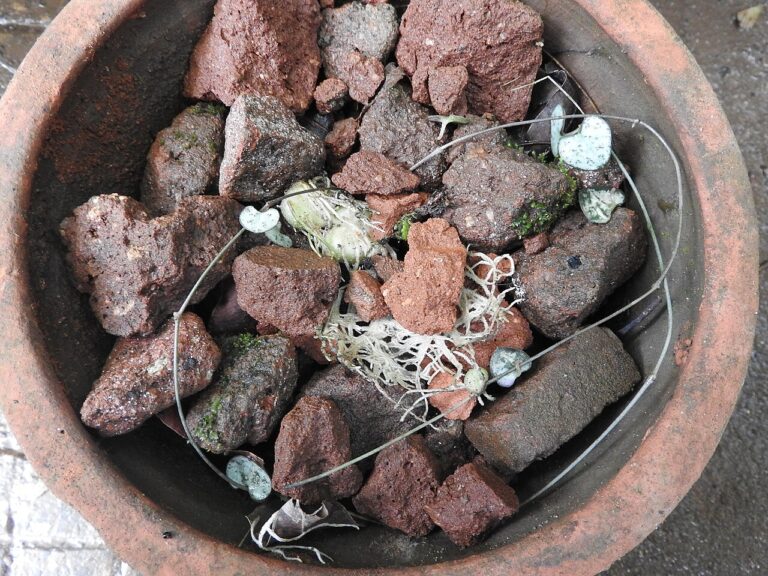
String of hearts propagates easily in a few ways: by rooting stem cuttings in water or moist soil, or by pinning a length of vine against soil so it roots at the leaf nodes while still attached to the parent, a technique sometimes used to fill out a sparse pot. Many vines also develop small aerial tubers along their length, which can be potted directly to grow new plants.
Common Issues
Shriveled, thin leaves usually indicate the plant has gone too long without water and needs a thorough soak; soft, translucent, or blackened stems point to overwatering or rot and affected sections should be cut away. Leggy, sparse growth is almost always a light issue, remedied by moving the plant to a brighter spot.
Seasonal Care Adjustments
String of hearts growth is most active in spring and summer, when watering can follow the standard soak-and-dry-out cycle roughly every two to three weeks. In autumn and winter, as growth slows substantially, extend the interval between waterings further, sometimes to four to six weeks, since the combination of cooler temperatures and reduced light makes the plant considerably more prone to rot if watered on a summer schedule. This trailing succulent also benefits from a light trim in spring to remove any thin, stretched growth accumulated over a dimmer winter, encouraging fuller, more compact new growth as light levels rise.
It’s also worth noting that string of hearts flowers occasionally, producing small, unusual tubular purple-pink blooms along the vines under strong light and good overall health. While the flowers themselves are modest compared with the plant’s striking foliage, their appearance is generally taken as a good sign that the plant’s light and care needs are being well met, since a stressed or light-starved plant rarely flowers at all. Because the tuberous base at the plant’s crown stores water and energy much like a small caudex, avoid burying it too deeply when repotting; keeping it slightly proud of the soil surface, similar to how you would treat a succulent caudex, helps prevent moisture from collecting against it and causing rot.
Displaying a Trailing Succulent
String of hearts looks especially striking in a macrame plant hanger or on an elevated shelf where its long, delicate vines can trail downward uninterrupted. Beyond the aesthetic benefit, elevating the plant also improves air circulation around the foliage, which helps reduce the humidity buildup that can occasionally contribute to stem issues in a densely trailing succulent.
Frequently Asked Questions
Why are the leaves on my string of hearts falling off?
Leaf drop is most often caused by either significant underwatering, evidenced by shriveled remaining leaves, or overwatering leading to stem and root rot, evidenced by soft, blackened stem sections; checking the stems and adjusting watering accordingly usually resolves it.
What are the small round growths along the vine?
These are aerial tubers, a natural water-storage structure the plant produces along mature vines. They can be left in place for a fuller look or removed and potted to propagate new plants.
Can string of hearts tolerate low light?
It will survive in lower light but tends to grow sparse and leggy, with wide gaps between leaves; for the characteristic dense, compact trailing growth, bright light with some direct sun is recommended.
How fast does string of hearts grow?
Given good light and appropriate watering, established vines can grow quite quickly, often extending a metre (three feet) or more in a single growing season.