Hydrangea Fertilizing and Color Changing: How to Get Even More Spectacular Blooms
Feeding Hydrangeas for Strong Bloom
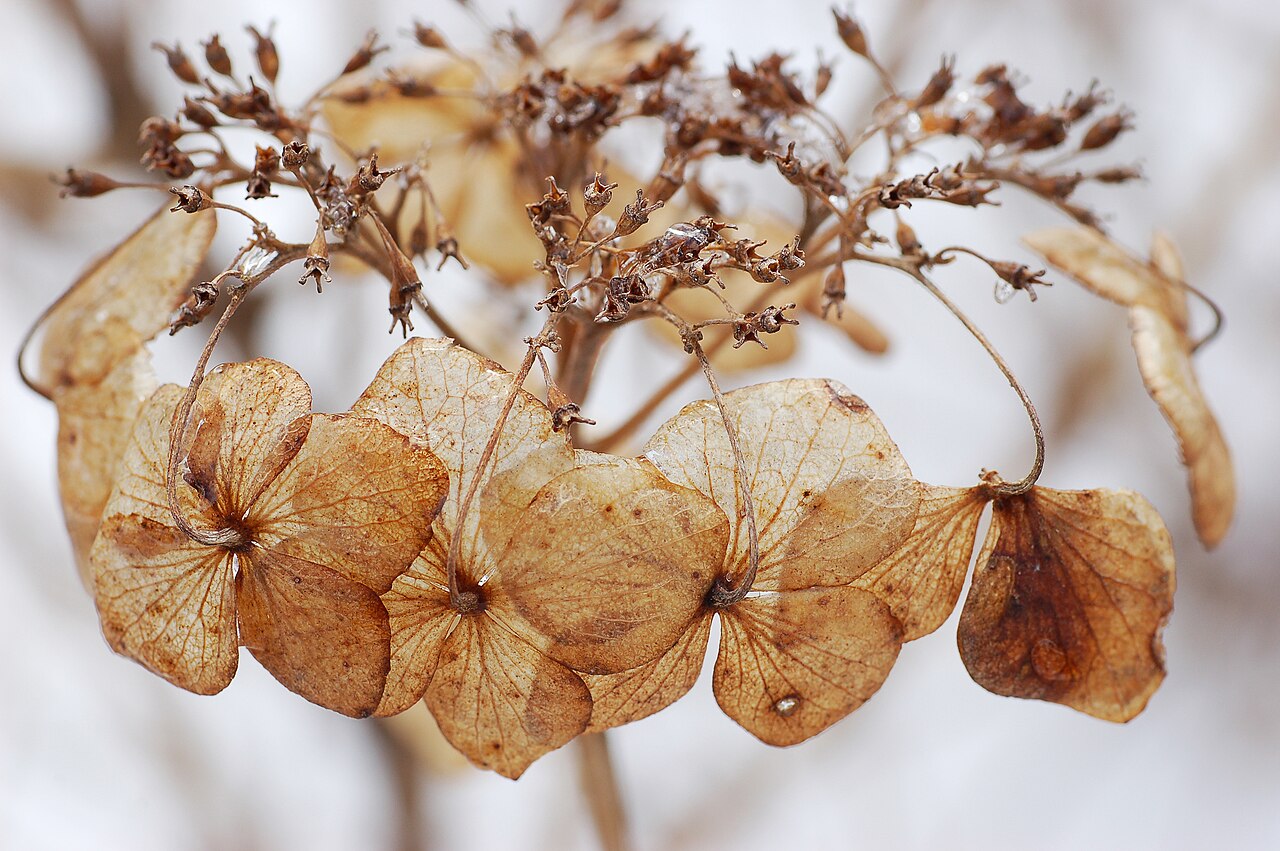
Hydrangeas are moderate feeders that reward a light, well-timed fertilizing program more than a heavy one. Apply a balanced, slow-release fertilizer in early spring as new growth begins, and optionally a second light feeding in late spring or early summer. Avoid feeding after mid to late summer in most climates, since late fertilizing pushes tender new growth that won’t have time to harden off before frost and can also reduce flowering the following year. Too much nitrogen in particular encourages lush green foliage at the expense of flower buds, so resist the temptation to overfeed a hydrangea that looks a little sparse; the cause is more often pruning timing, sun exposure, or winter bud damage than lack of fertilizer.
Why Some Hydrangeas Change Color
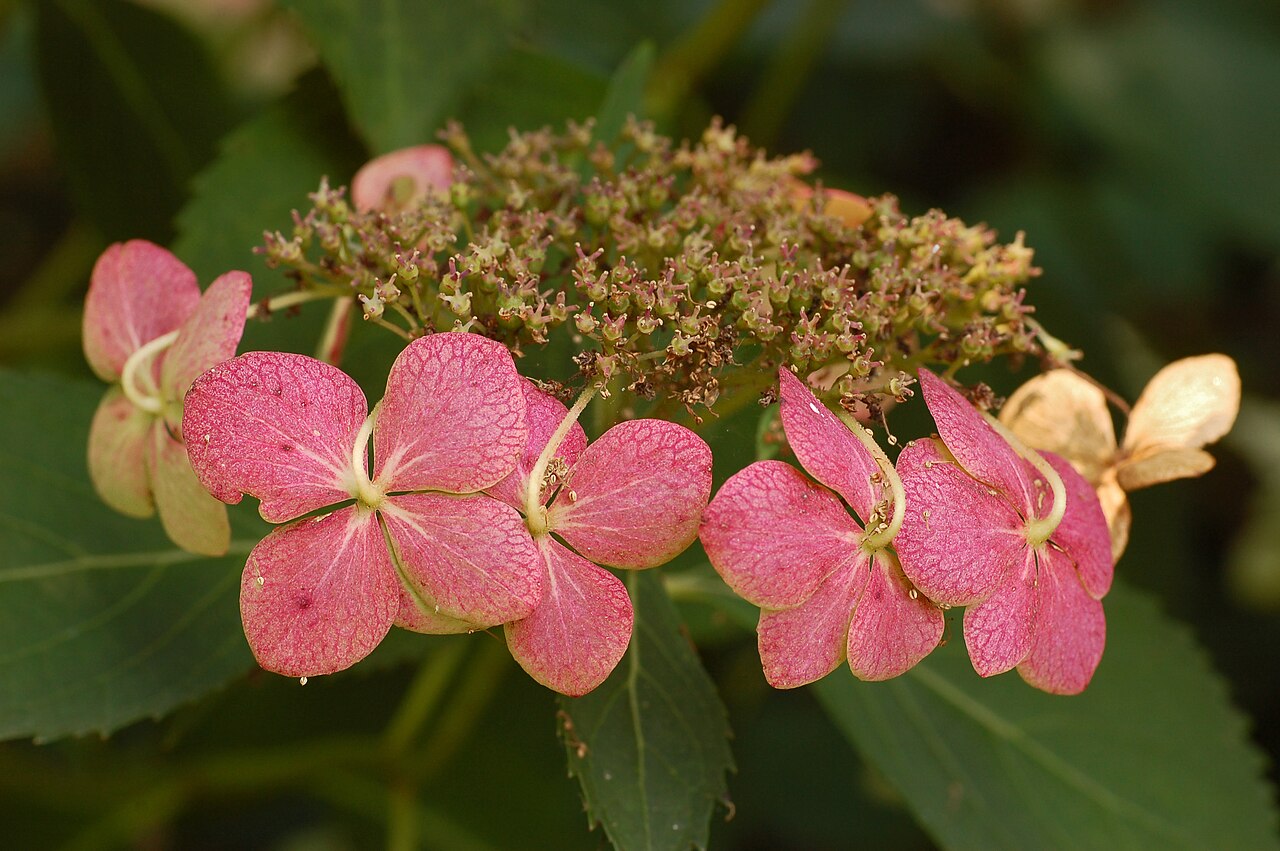
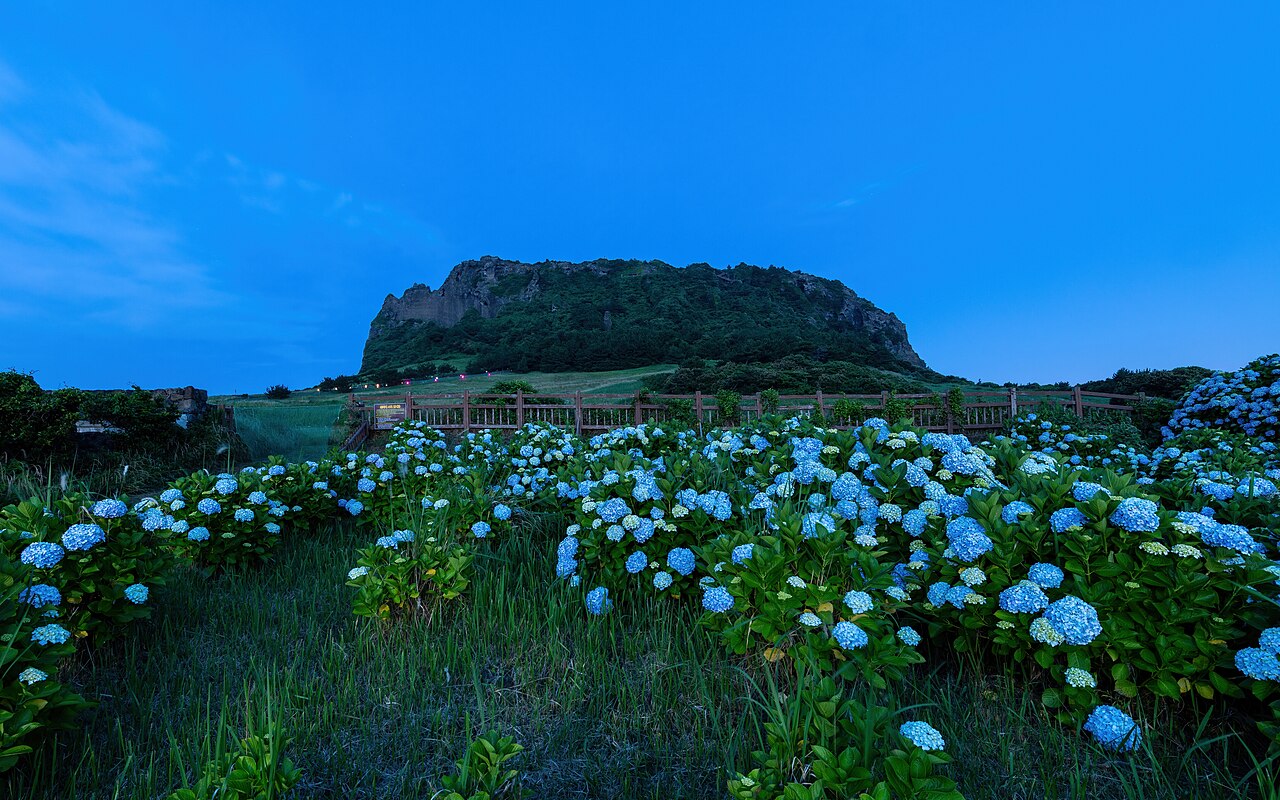
The color-changing trick applies specifically to bigleaf hydrangeas (Hydrangea macrophylla) with pink or blue flowers; white-flowered hydrangeas and most panicle and oakleaf types don’t respond to this technique because they lack the pigment (delphinidin) involved. In colored bigleaf varieties, flower color is governed by whether the plant can take up aluminum from the soil, and that uptake depends directly on soil pH: acidic soil (roughly pH 5.5 and below) makes aluminum available to the roots, producing blue flowers, while alkaline soil (above pH 6.5) locks aluminum out, producing pink flowers. Soil in the middle range often produces muddy purple or mixed blooms.
How to Shift the Color
- For blue flowers: lower soil pH and ensure aluminum is available, using products such as aluminum sulfate or elemental sulfur worked into the soil around the root zone, applied gradually over a season rather than all at once.
- For pink flowers: raise soil pH with garden lime, which also has the effect of binding up aluminum so it can’t be absorbed by the roots.
- Test soil pH before treating it, since guessing can easily overcorrect and stress the plant; most garden centers sell simple pH test kits.
- Expect the color shift to take one to two growing seasons to become fully visible, since it affects new growth and buds more than flowers already forming.
A Note on Patience and Consistency
Soil naturally drifts back toward its original pH over time, especially in regions with naturally alkaline or acidic native soil, so color-changing treatments need to be reapplied periodically to maintain a shifted color rather than treated as a one-time fix. Growing colored hydrangeas in containers with a controlled potting mix is often the easiest way to keep a stable blue or pink color, since container soil is much easier to manage consistently than an entire garden bed.
This article may contain affiliate links. If you purchase a product through one of these links, Plantgecko may earn a commission at no extra cost to you. This never influences our editorial independence or which products we recommend.