Forsythia Pruning and Care: How to Grow Golden Bells Correctly
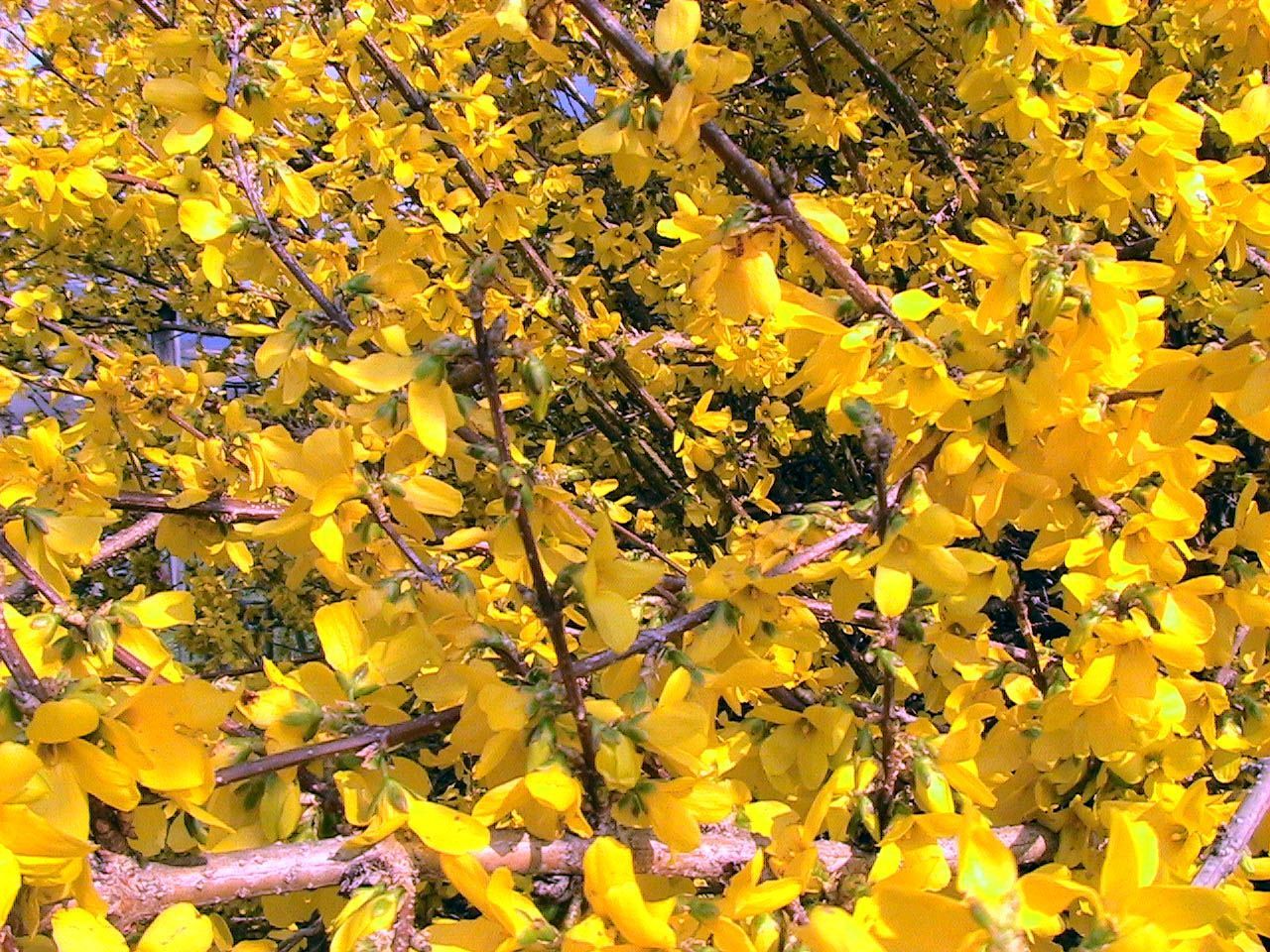
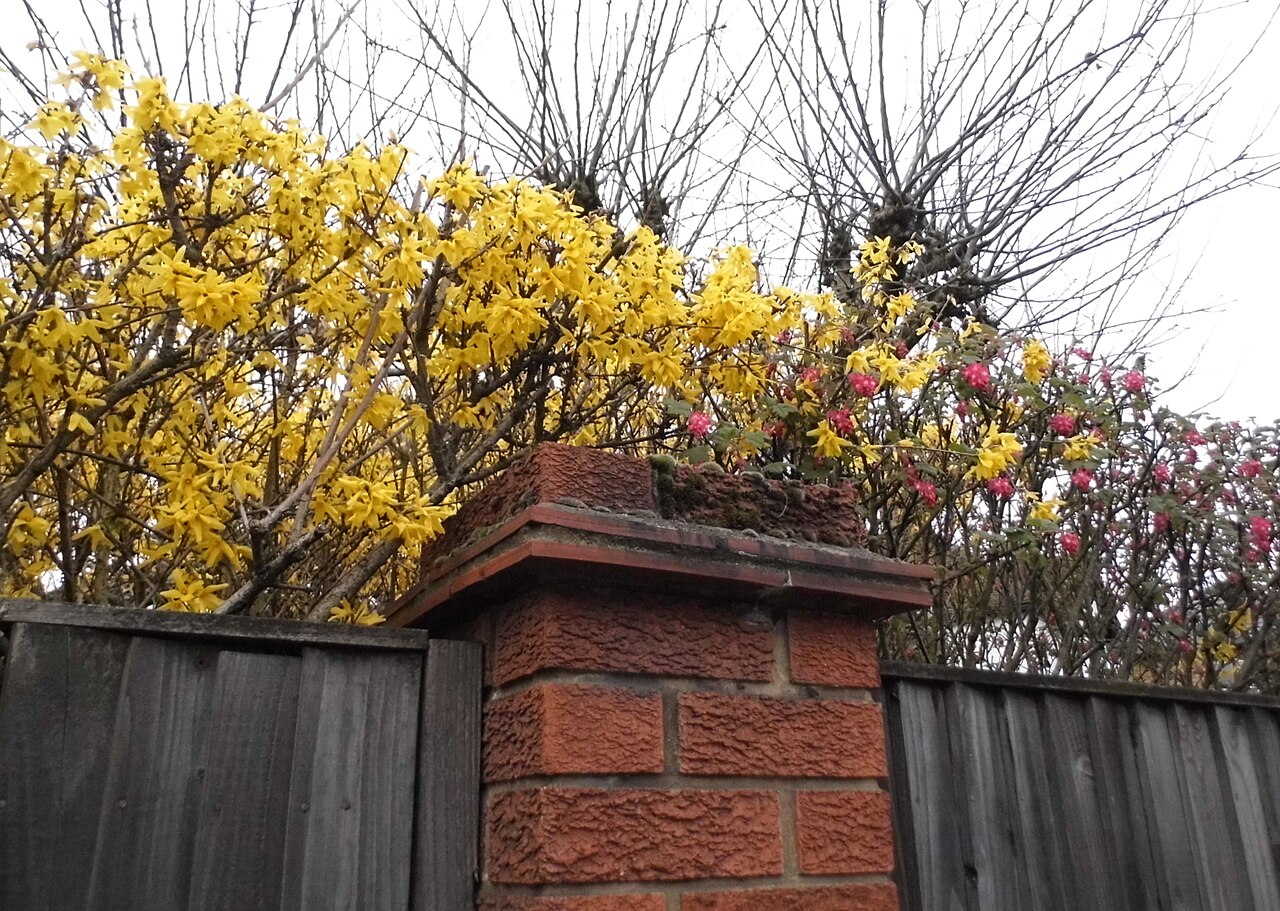
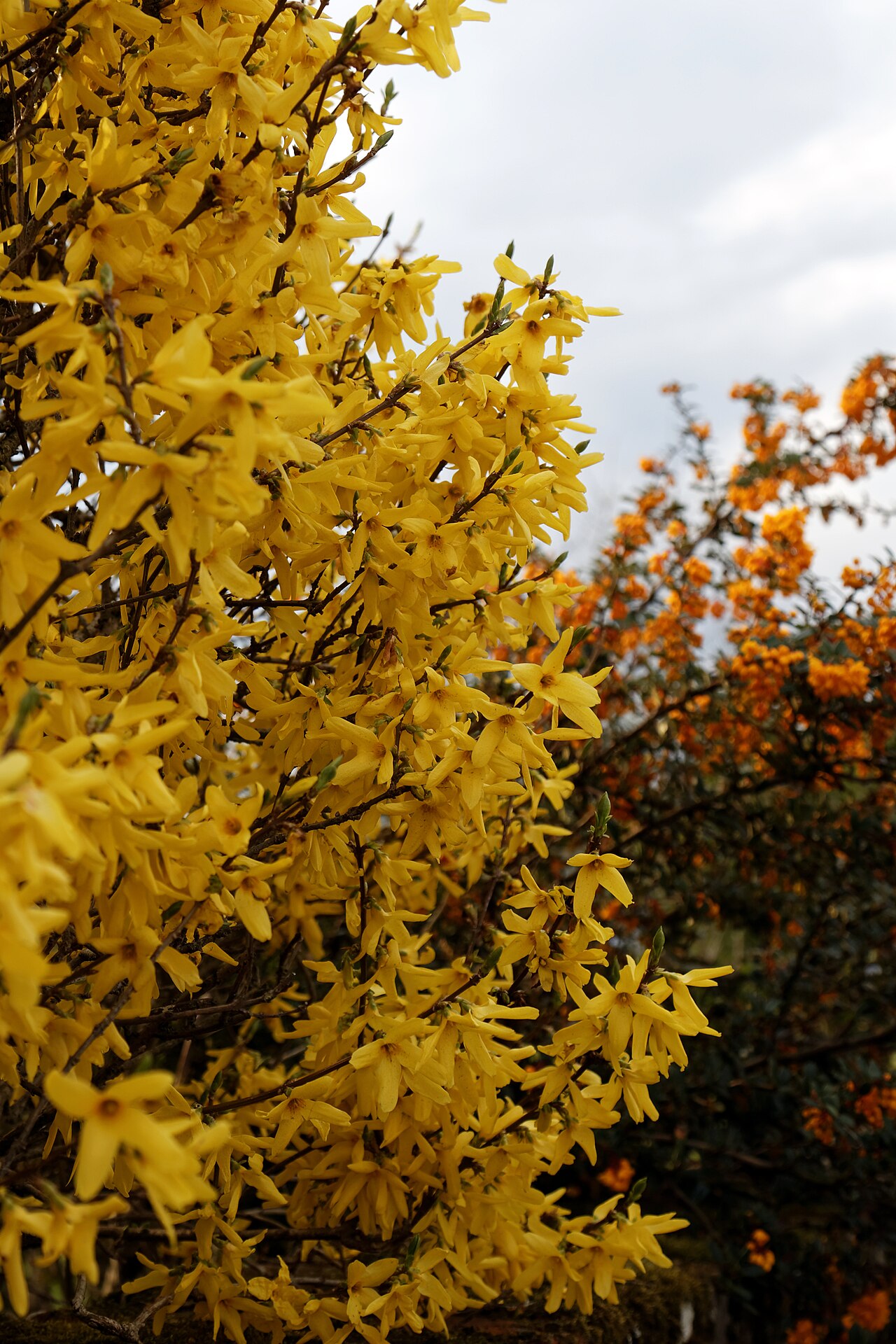
The forsythia, often called golden bells, is one of the first heralds of spring in the garden with its bright yellow flowers. Before a single leaf appears, the shrub covers its branches in countless golden-yellow blooms from March to April. To keep a forsythia blooming abundantly year after year without becoming leggy and overgrown, proper pruning is essential.
Location and Soil
Forsythias are remarkably undemanding and thrive in almost any garden soil. They prefer a sunny to partially shaded spot, but flower far more abundantly in full sun. The soil should be well-drained and not too dry. Forsythias will even grow reasonably well in poor soil. The only things they tolerate poorly are extreme drought and waterlogging.
Planting
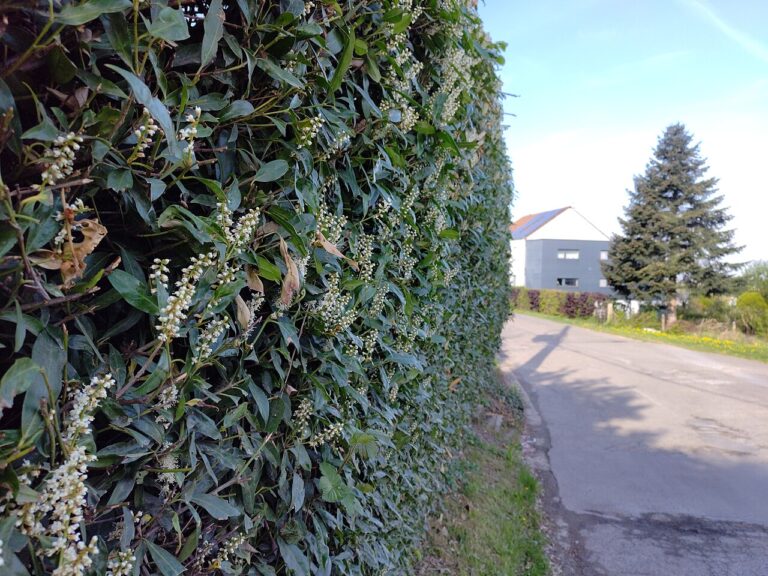
Plant forsythias in fall or early spring. For a hedge, use two to three plants per meter (roughly per yard). Dig a generous planting hole and mix the excavated soil with some compost. Water thoroughly after planting, and keep the soil evenly moist for the first few weeks until the plant is established.
The Essential Forsythia Pruning
Without regular pruning, a forsythia quickly becomes overgrown: it turns bare on the inside, flowers appear only at the outer tips of the branches, and the shrub becomes sprawling and unattractive. Proper pruning should be done after flowering, in April or May.
Start by removing all dead and weak shoots at the base. Then cut about a quarter to a third of the oldest, thickest stems right down to the ground, which encourages fresh growth from the base. You can shorten the remaining young shoots by about a third to maintain a compact shape. Every three to four years, give the shrub a more thorough rejuvenation pruning.
Ecological Value — Or Rather, the Lack of It
As lovely as forsythia flowers are, they’re unfortunately of little value to insects. Most garden cultivars are hybrids that produce neither nectar nor pollen. If you’re aiming for a bee-friendly garden, pair your forsythia with early-flowering native shrubs such as cornelian cherry (Cornus mas) or goat willow (Salix caprea), which provide valuable food for wild bees and bumblebees.