Mixing Your Own Substrates: Recipes for Healthy Houseplants
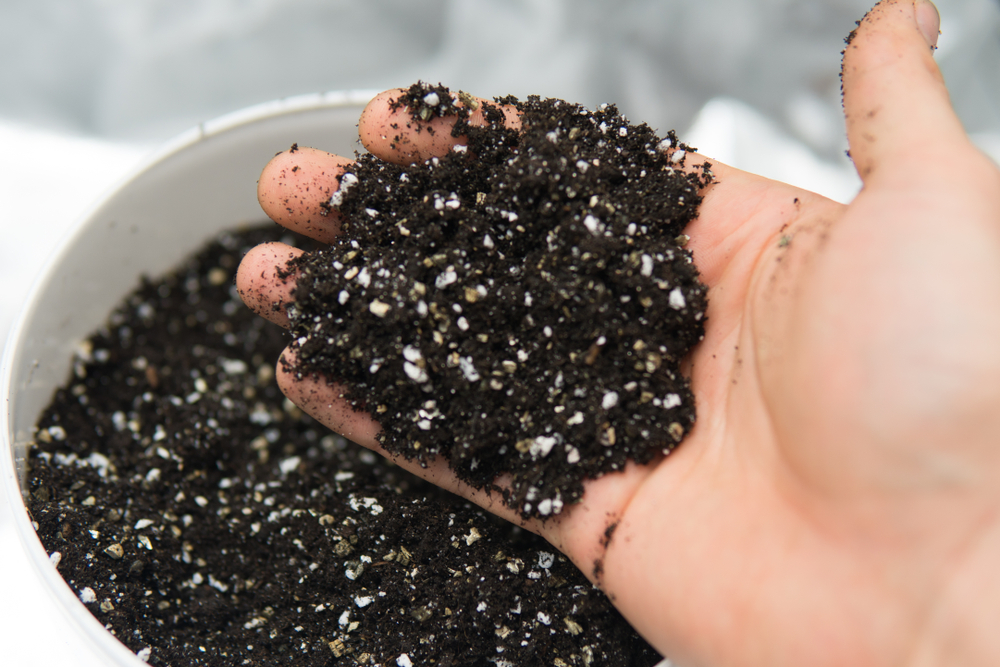
Bagged all-purpose potting soil works fine for many houseplants, but different species have different root structures and moisture needs, and a single generic mix rarely suits them all equally well. Blending your own substrate lets you tailor drainage, aeration, and water retention to the specific plants you’re growing, often at a lower cost than buying multiple specialty mixes.
Basic Components
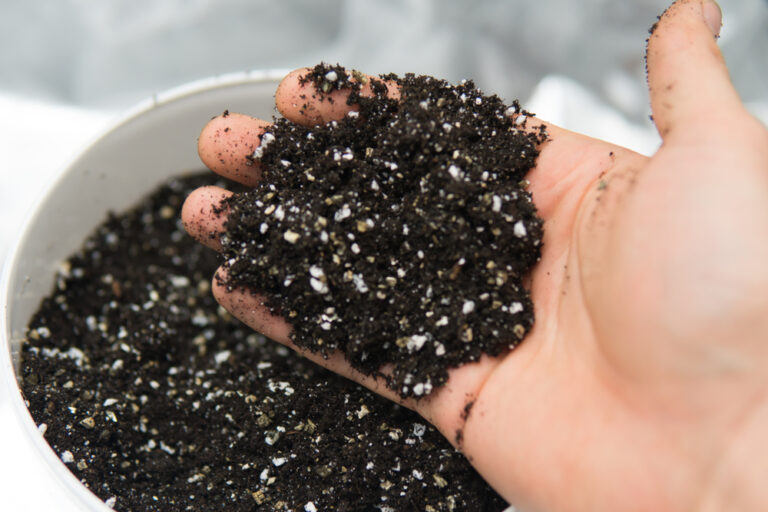
- Potting soil or compost: The base of most mixes, providing organic matter and some nutrient content.
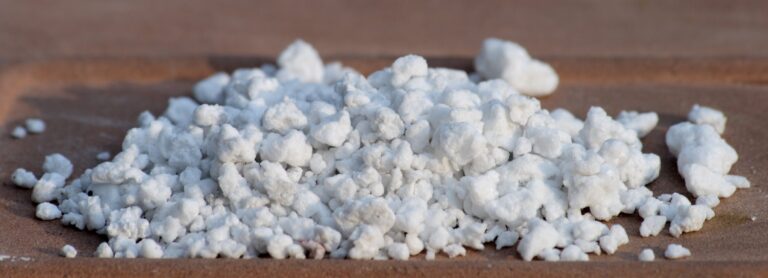
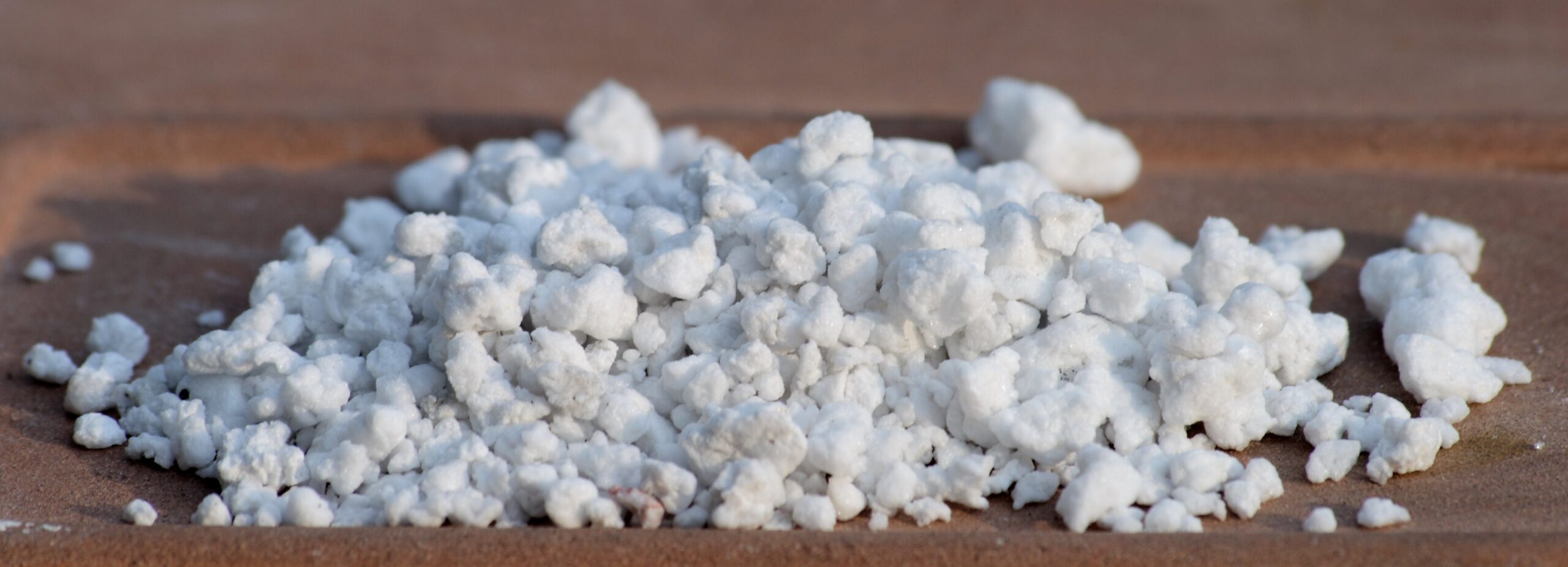
- Perlite: Lightweight volcanic glass that improves drainage and aeration without compacting over time.
- Coco coir or peat: Fibrous material that holds moisture and adds structure while resisting compaction.
- Orchid bark: Chunky pine or fir bark that creates large air pockets, essential for epiphytic roots that would rot in dense soil.
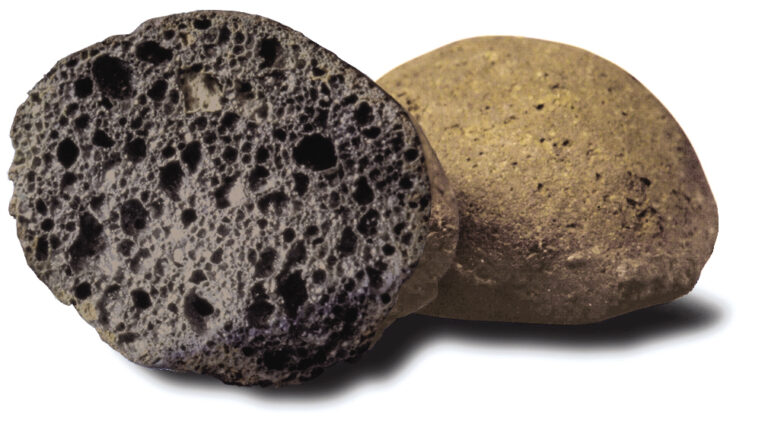
- Coarse sand or pumice: Adds weight and sharp drainage, particularly useful for succulents and cacti.
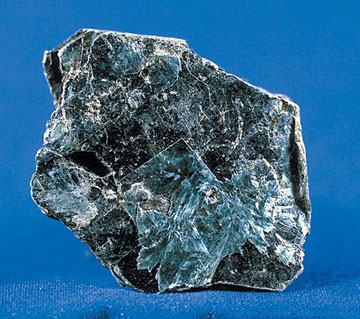
- Horticultural charcoal: Helps keep the mix fresh by absorbing excess salts and impurities, and is common in aroid and terrarium mixes.
Recipes for Different Plant Types
A general houseplant mix that suits pothos, philodendron, and similar foliage plants can be made from two parts potting soil, one part perlite, and one part coco coir, giving a balance of moisture retention and drainage suitable for most low-maintenance greenery.
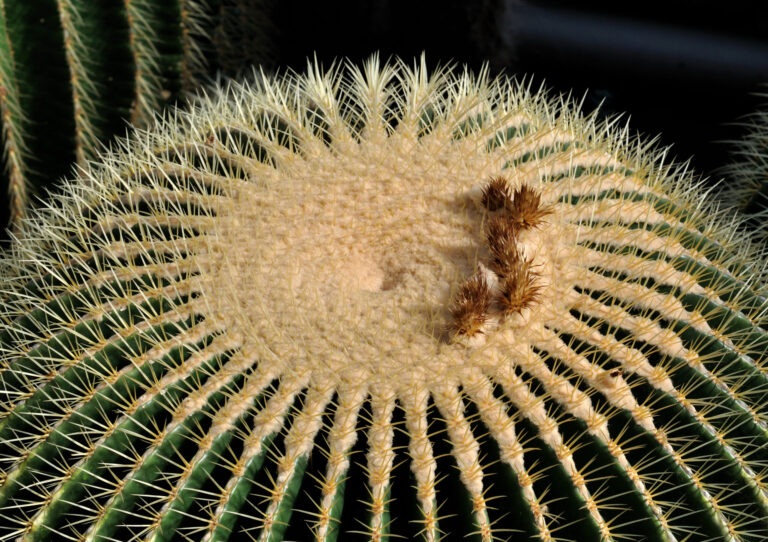
Succulents and cacti need a much sharper-draining mix to avoid root rot, since their roots are adapted to infrequent water in arid soils. A blend of two parts potting soil, two parts coarse sand or pumice, and one part perlite drains quickly while still holding enough moisture between waterings.
Aroids like monstera, philodendron, and pothos grown for maximum root health often benefit from a chunkier “aroid mix”: equal parts potting soil, orchid bark, perlite, and coco coir, with a small handful of charcoal added to keep the mix from souring. This structure mimics the loose, airy leaf litter these plants root into in the wild.
Orchids grown outside of specialty pots typically need almost no soil at all: a mix of mostly orchid bark with a small amount of perlite and charcoal replicates the open-air conditions their roots require to avoid rot.
Tips for Mixing and Storing
Mix ingredients in a large bucket or tub, breaking up any dense clumps of soil or coir before blending so the final mix is uniform. Moisten coco coir bricks fully before adding them, since dry coir can be difficult to rehydrate once potted. Store unused mix in a sealed container or bag to prevent it from drying out completely or attracting pests, and label containers if you keep several different blends on hand for different plant types.
This article may contain affiliate links. If you purchase a product through one of these links, Plantgecko may earn a commission at no extra cost to you. This never influences our editorial independence or which products we recommend.