Bearberry Cotoneaster (Cotoneaster dammeri) – The Evergreen Ground Cover for Slopes
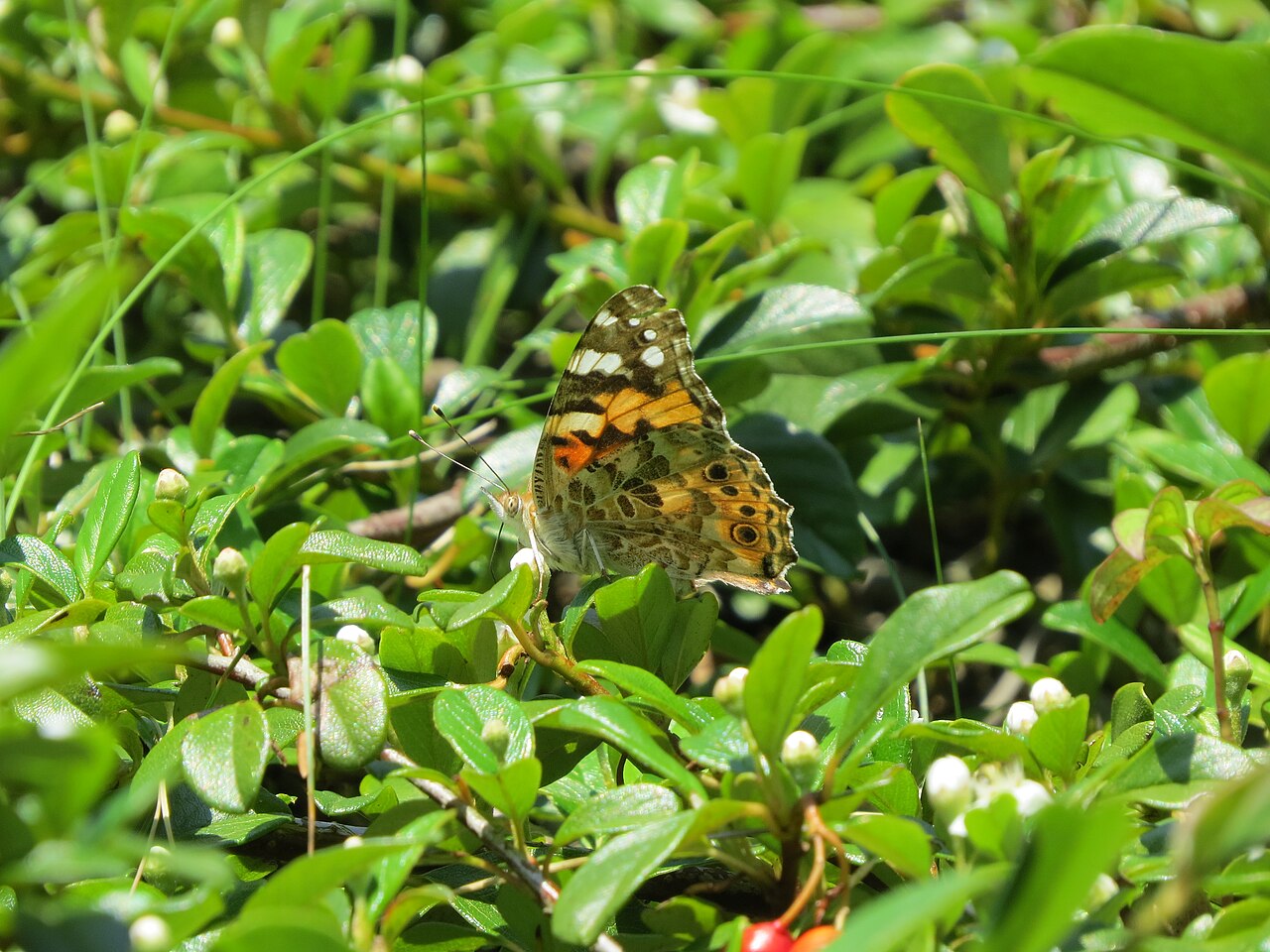
Bearberry Cotoneaster (Cotoneaster dammeri) – The Evergreen Ground Cover for Slopes and Difficult Sites
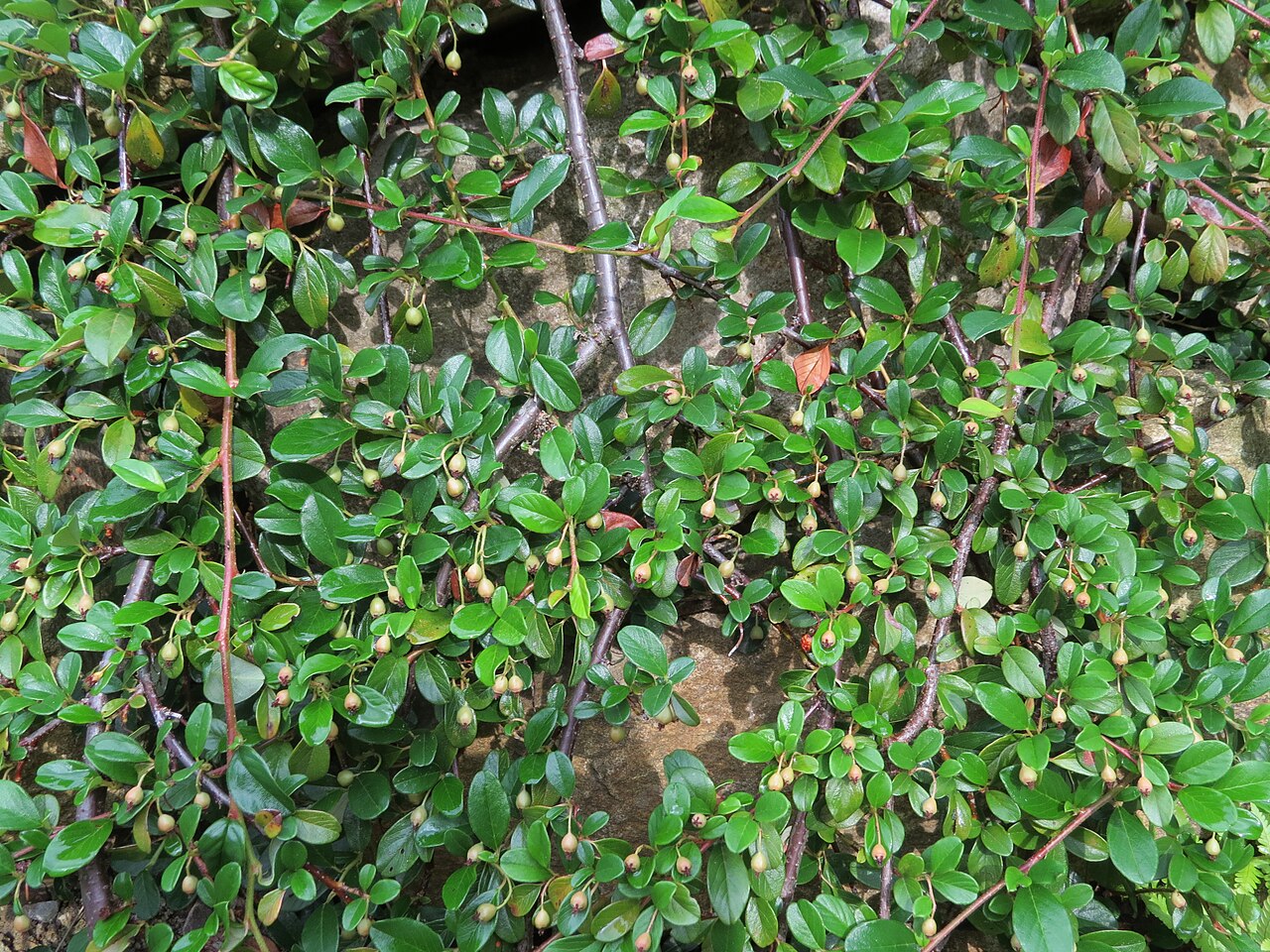
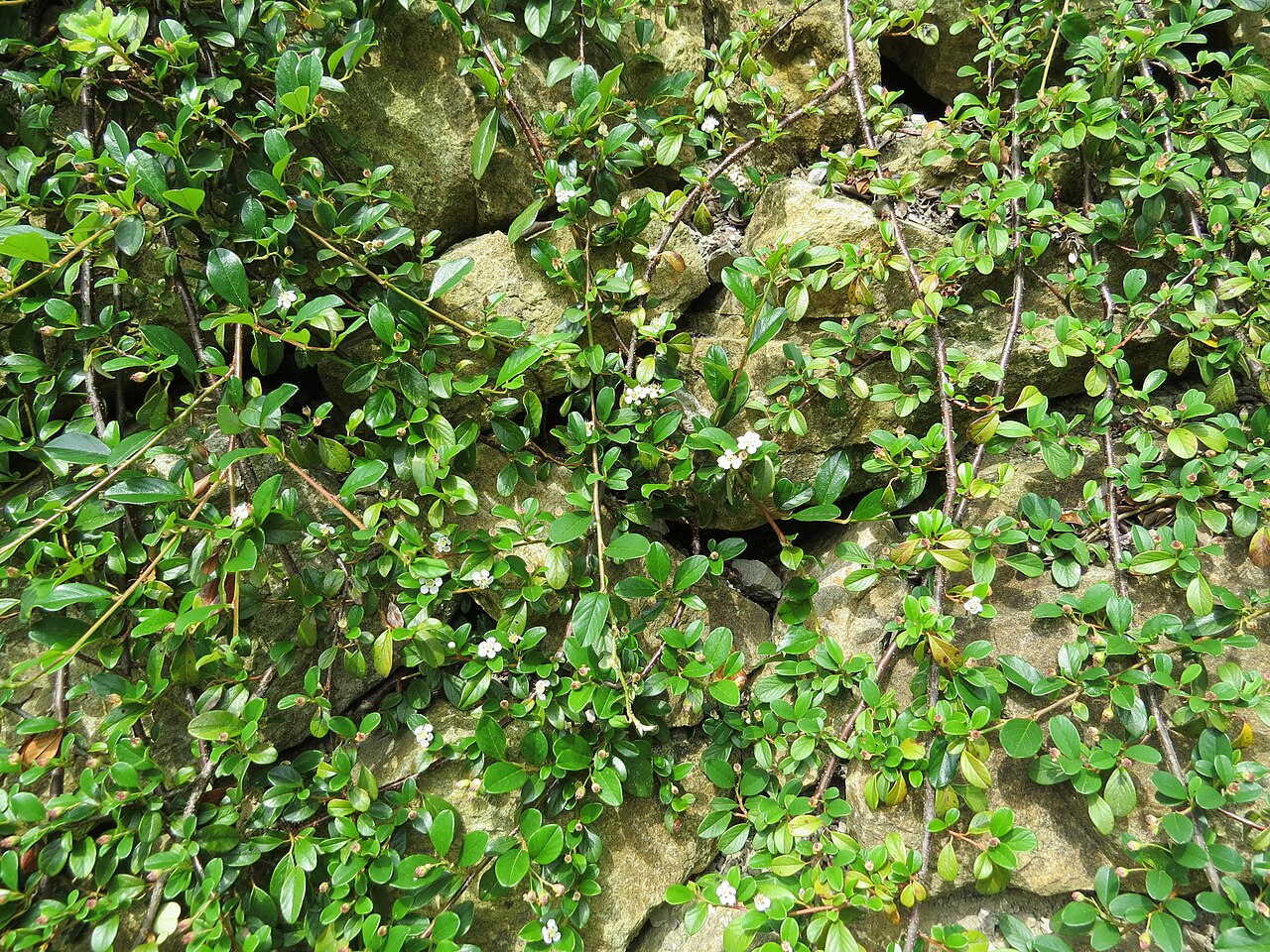
Bearberry cotoneaster (Cotoneaster dammeri) is one of the most reliable and toughest ground covers for the garden. With its flat, ground-hugging shoots, small glossy green leaves, and bright red berries that persist well into winter, it reliably covers even the most challenging sites. Slopes, banks, shady spots under trees – bearberry cotoneaster can handle almost any challenge.
Native to China, the plant belongs to the rose family and is closely related to firethorn and hawthorn. It grows about 10 to 20 centimeters tall but can spread up to 40 centimeters wider per year, quickly covering large areas.
Location and Soil
Bearberry cotoneaster is remarkably tolerant of different sites:
- Sunny to partly shaded – it even grows satisfactorily in light shade
- Any well-draining garden soil, from sandy to loamy
- No waterlogging – that is the one condition it cannot tolerate
- Tolerates a pH range from acidic to alkaline
- Tolerant of urban and industrial conditions
This enormous tolerance makes it the top choice for problem sites. It performs especially well on slopes and banks, where its dense root system reliably prevents erosion.
Planting and Growth Habit
Planting can be done year-round as long as the soil is not frozen, though spring or autumn is ideal. Four to six plants per square meter are enough – bearberry cotoneaster grows quickly and fills in gaps within two years. Space plants roughly 40 to 50 centimeters apart.
The trailing shoots root wherever they touch the ground at their nodes. Over time this creates a dense, stable network that reliably suppresses weeds and protects the soil from drying out.
Care
Bearberry cotoneaster is extremely low-maintenance:
- Water only during long dry spells
- An annual application of compost in spring covers its nutrient needs
- Shoots that have grown too long can be trimmed back with hedge shears at any time
- Remove any frost-damaged shoots in spring
- No special winter protection is needed – bearberry cotoneaster is completely hardy (down to -25°C/-13°F)
Ecological Value
Bearberry cotoneaster flowers in May and June with countless small white to soft pink blooms that are eagerly visited by bees and other insects. The coral-red berries that appear in autumn stay on the shoots well into winter and are readily eaten by birds. The dense branch structure also provides shelter and nesting opportunities for small animals.
Popular Varieties
- Cotoneaster dammeri ‘Radicans’: Especially low-growing, only 10–15 cm tall. Very dense and carpet-like. The best variety for covering large areas.
- Cotoneaster dammeri ‘Major’: Slightly taller growth, up to 20 cm. Coarser leaves and shoots.
- Cotoneaster dammeri ‘Coral Beauty’: A free-flowering variety with an especially heavy crop of coral-red berries.
Conclusion: The Problem-Solver for Difficult Sites
Bearberry cotoneaster is the perfect ground cover for anyone looking for a thoroughly reliable, evergreen, and low-maintenance way to cover an area. Slopes, tricky underplantings, dry spots beneath trees – where other ground covers fail, bearberry cotoneaster simply keeps going. An unreserved recommendation for any garden.
This article may contain affiliate links. If you purchase a product through one of these links, Plantgecko may earn a commission at no extra cost to you. This never influences our editorial independence or which products we recommend.