Apple Tree Pruning: How to Get a Bountiful Harvest Every Year
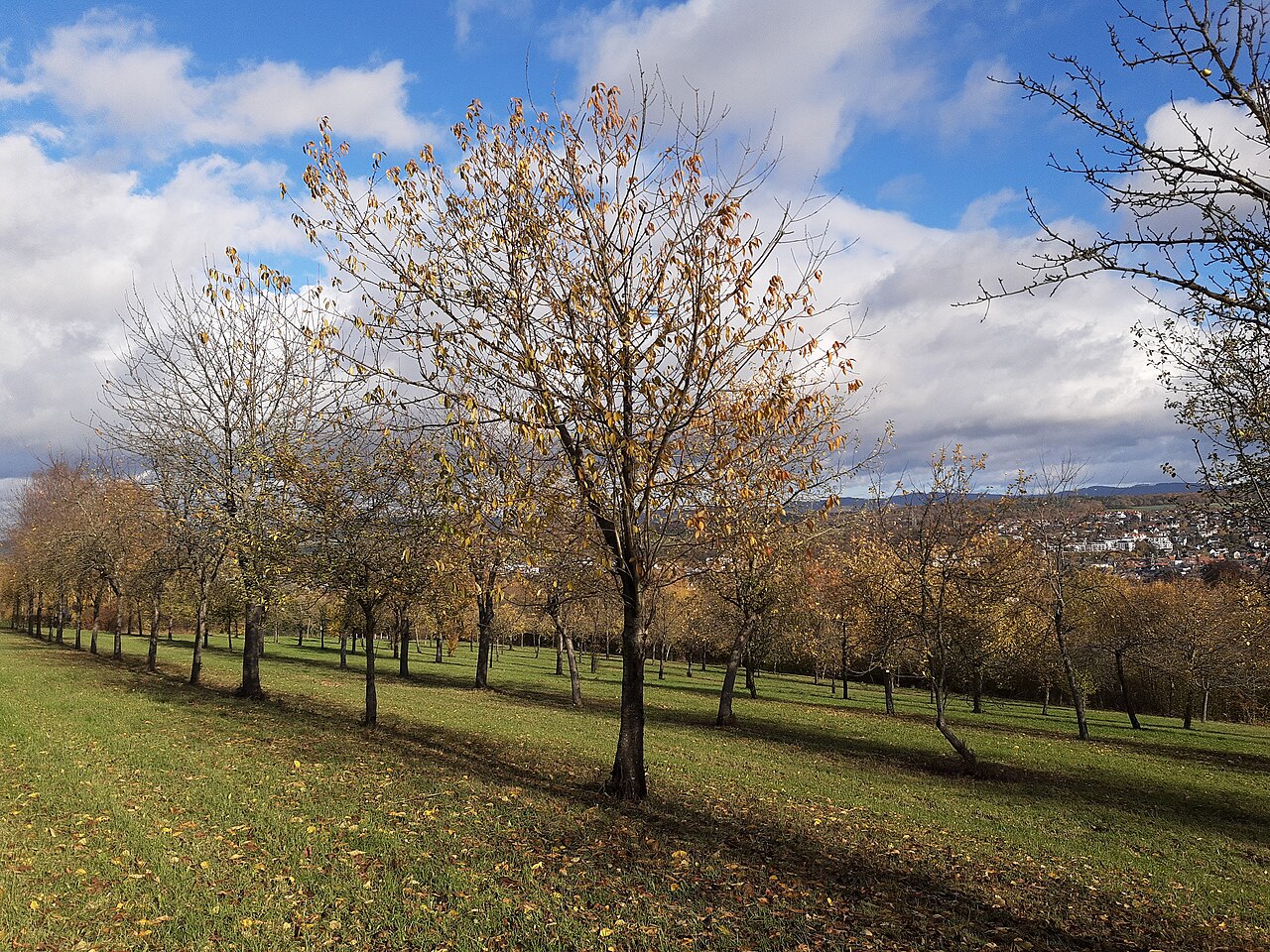
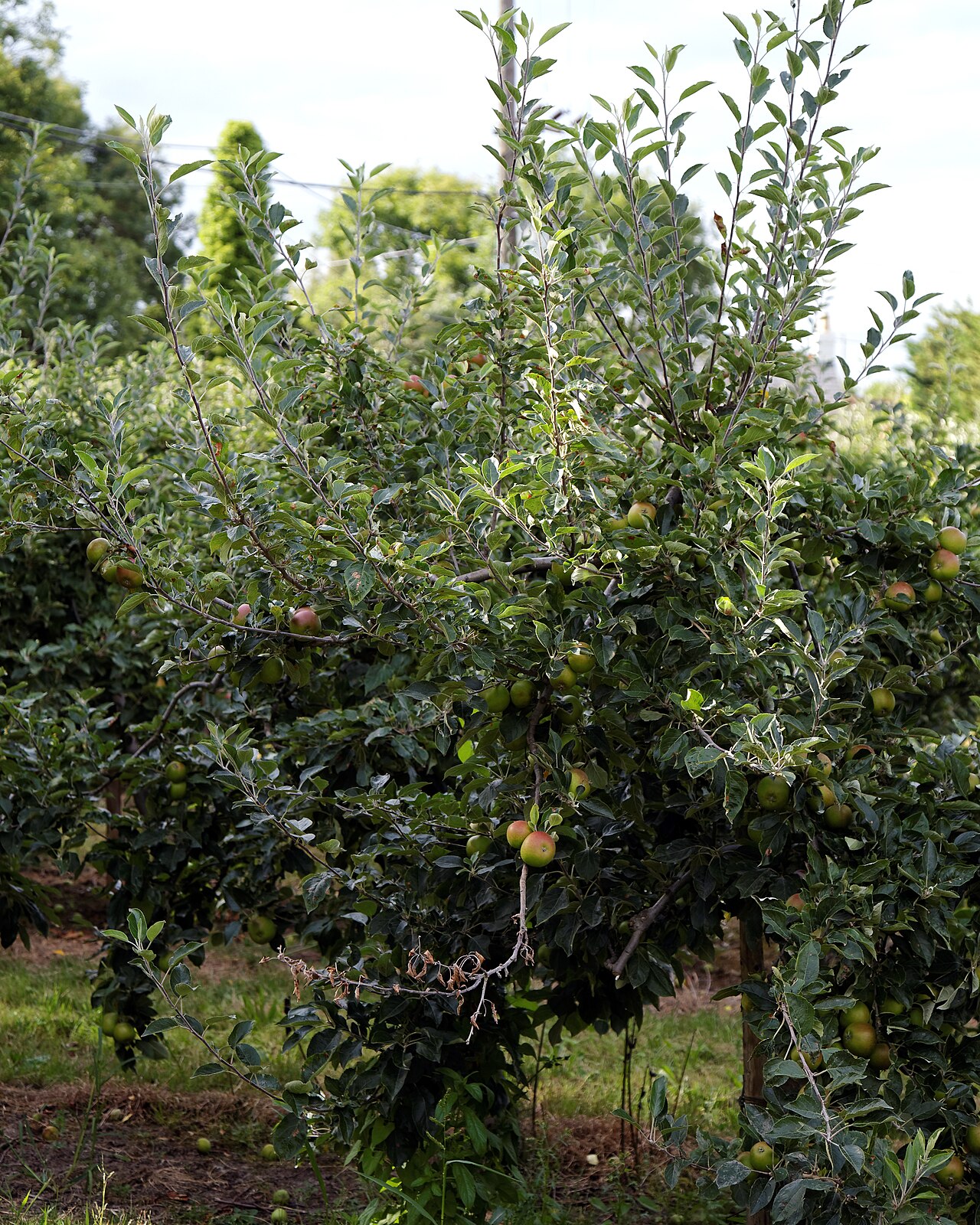
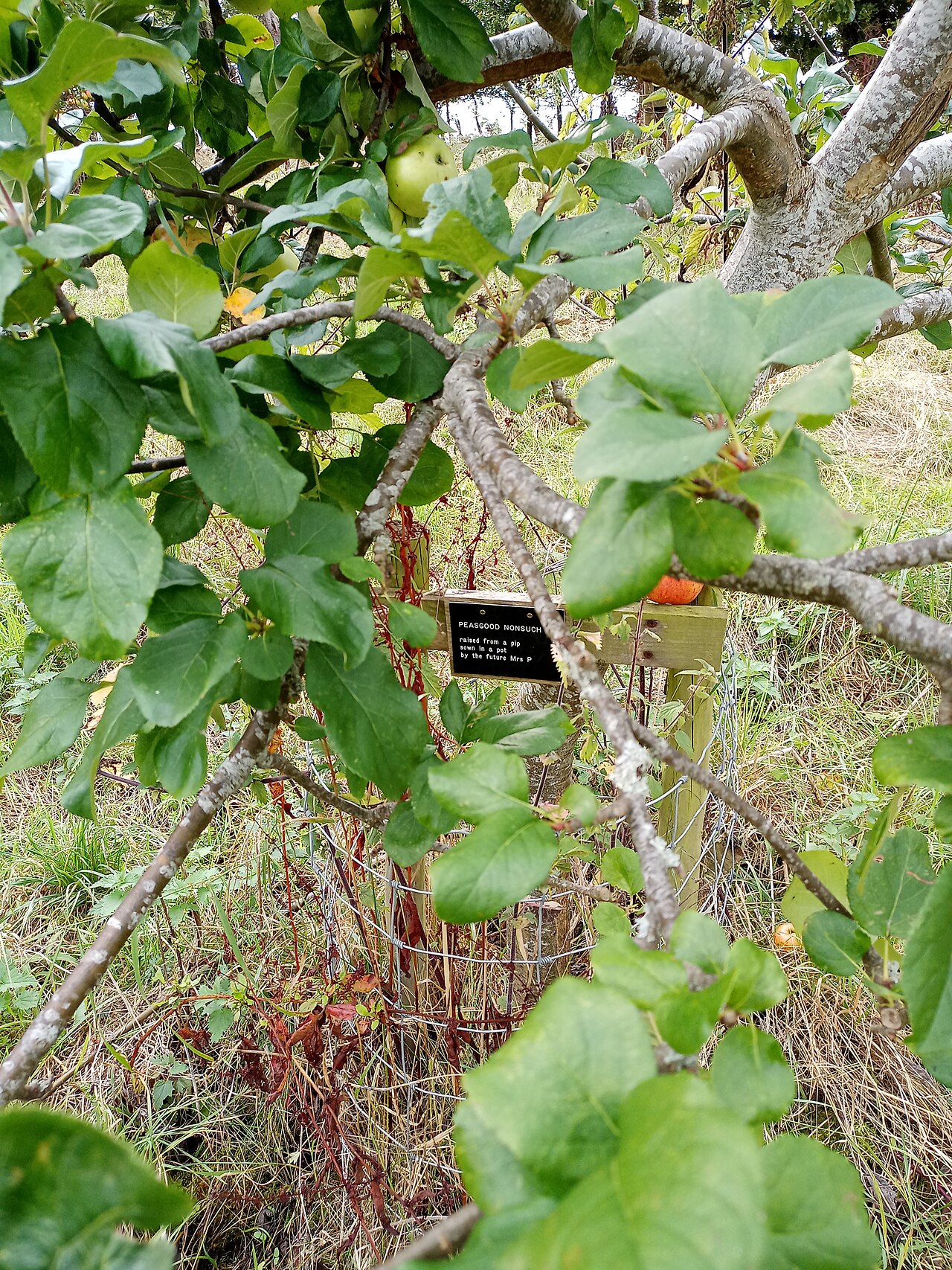
Pruning is one of the most important things you can do for an apple tree, yet it’s often skipped out of uncertainty about where and how to cut. Regular, well-timed pruning improves air circulation and light penetration, reduces disease, and encourages the tree to put its energy into fewer, larger, better-quality apples rather than a mass of crowded, undersized fruit.
When to Prune
The best time for major pruning is late winter to very early spring, while the tree is still dormant and its branch structure is easy to see without leaves in the way. Pruning during dormancy also reduces stress on the tree and lowers the risk of disease entering fresh cuts, since fewer pathogens are active in cold weather. A lighter round of summer pruning, done shortly after the main flush of new growth, can help control vigorous water sprouts and improve light exposure to ripening fruit, but it should be minor compared to the winter cut.
Tools and Basic Technique
Sharp, clean bypass pruners handle small branches, loppers manage thicker limbs, and a pruning saw is needed for anything larger than about an inch in diameter. Disinfecting blades between cuts, especially if disease is present in the orchard, helps prevent spreading infections from tree to tree.
Make cuts just outside the branch collar, the slightly swollen ring where a branch meets the trunk or a larger limb, rather than flush with the trunk. Cutting outside the collar allows the tree to heal properly; cutting flush removes tissue the tree needs to seal the wound. Avoid leaving long stubs, which die back and can invite decay.
What to Remove
- Dead, damaged, or diseased wood first, cutting well into healthy tissue.
- Crossing or rubbing branches, keeping the stronger, better-placed one and removing the other.
- Water sprouts (vigorous, vertical shoots) and root suckers, which drain energy without producing quality fruit.
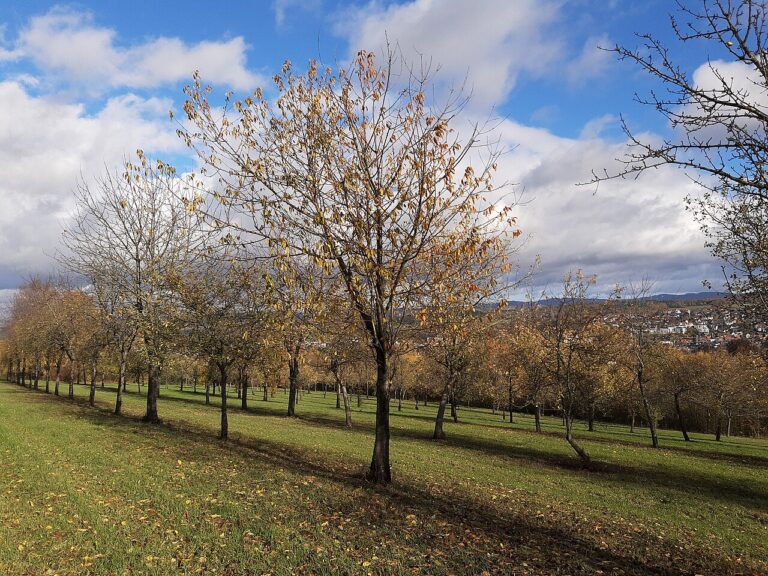
- Inward-growing branches that crowd the canopy’s center, since apple trees fruit best with an open, vase-like or well-spaced central-leader shape that lets light reach all the branches.
- Overly vigorous upright limbs competing with the main leader, favoring branches with a wider angle to the trunk, which tend to be more fruitful and structurally sound.
Pruning for Long-Term Structure
Young trees are pruned mainly to establish a strong scaffold of well-spaced main branches, usually three to five, arranged around the trunk with good vertical spacing between them. As the tree matures, pruning shifts toward maintaining that structure, renewing older fruiting spurs, and keeping the canopy open. A general rule of thumb is to remove no more than about a quarter of the tree’s live wood in any single season; heavier pruning can shock the tree and trigger excessive regrowth of water sprouts rather than fruiting wood.
Consistency matters more than perfection. A tree pruned lightly and thoughtfully every year will outperform one that’s neglected for several seasons and then cut back hard. With steady annual attention, an apple tree rewards the effort with larger, healthier fruit and a longer productive life.
This article may contain affiliate links. If you purchase a product through one of these links, Plantgecko may earn a commission at no extra cost to you. This never influences our editorial independence or which products we recommend.