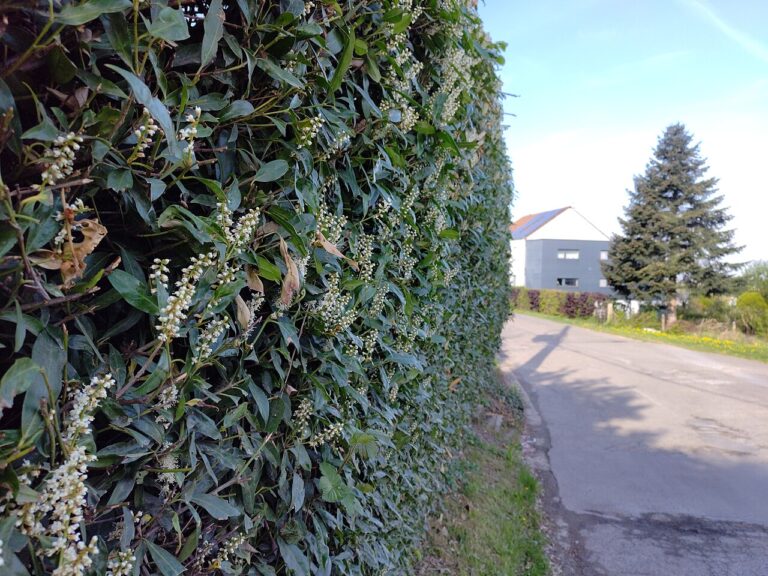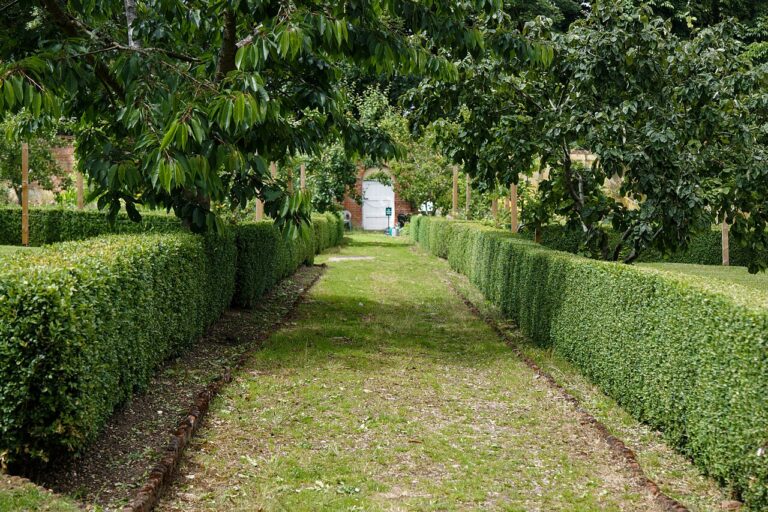
Hornbeam (Carpinus betulus): The Hardy Hedge Plant for Any Soil
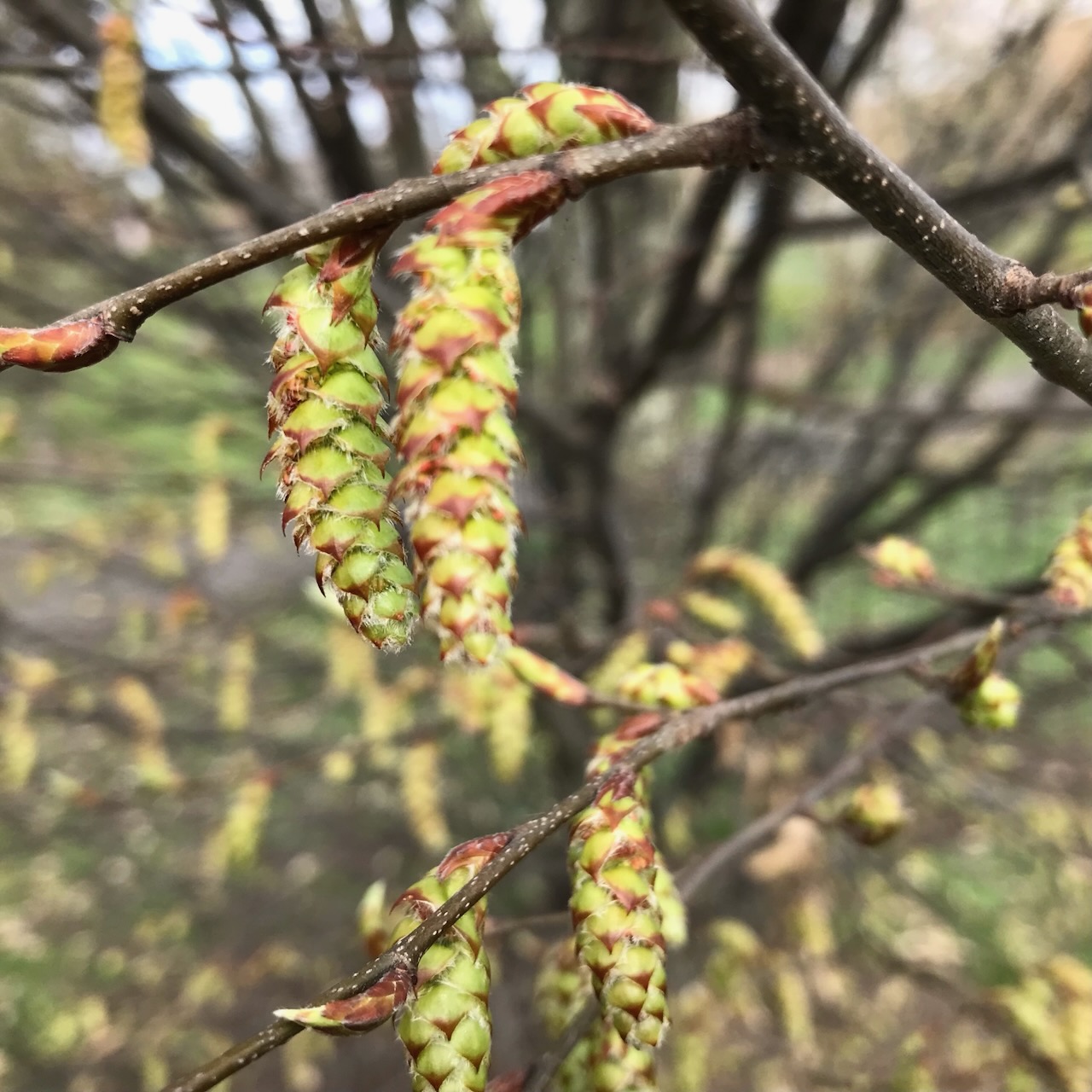
Hornbeam (Carpinus betulus) – The Hardy Hedge Plant for Any Soil
The hornbeam (Carpinus betulus) is one of the most valuable native hedge plants there is. Despite its name, it isn’t botanically related to beech trees at all — it actually belongs to the birch family. That distant relation doesn’t diminish its qualities as a hedge plant in the least. On the contrary, the hornbeam is exceptionally tough, tolerates pruning extremely well, and is remarkably long-lived.
As a native plant, it’s especially valuable ecologically. It provides habitat and food for countless insects, birds, and small mammals. Its leaves break down quickly into rich humus, and the hornbeam copes with almost any soil type, from sandy to heavy clay.
Hornbeam vs. Common Beech – The Differences
Many gardeners face a choice between hornbeam and common beech. Here are the key differences:
- Hornbeam tolerates heavy, moist soil and even brief waterlogging — common beech does not.
- Hornbeam also grows well on chalky, lime-rich soils.
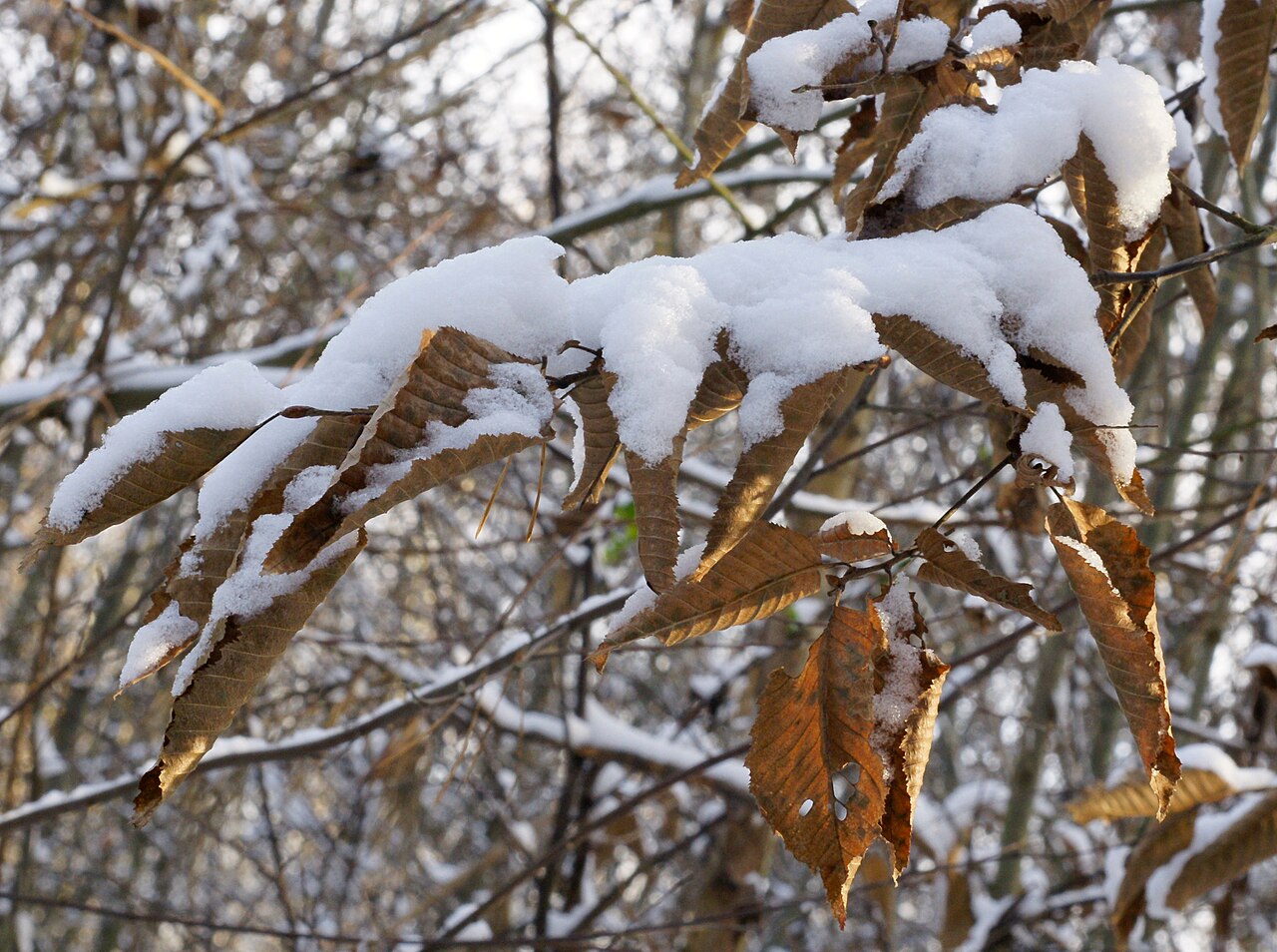
- Hornbeam leaves are ribbed and light green; beech leaves are smooth and dark green.
- Common beech holds onto its dry autumn leaves through winter, giving better winter screening.
- Overall, hornbeam is tougher and less demanding.
Location and Planting
Hornbeam thrives in full sun, partial shade, and even light shade. It’s one of the least demanding hedge plants and copes with almost any garden soil. Even heavy, clay-rich soil and brief waterlogging are tolerated — a decisive advantage over many other hedge plants.
The best planting times are autumn or early spring. Plant three to four plants per running meter of hedge (roughly one per foot). The planting hole should be about 40 centimeters (16 inches) deep. Water thoroughly after planting and cut the shoots back by about a third to encourage vigorous branching.
Pruning a Hornbeam Hedge
A hornbeam hedge should be trimmed twice a year:
- First trim in late May or early June, after the main flush of new growth
- Second trim in August or September, for a tidy winter appearance
- Important: trim into a trapezoid shape — wider at the bottom than the top — so light can reach the lower parts of the hedge
- Hard renovation cuts are possible in early spring; hornbeam reliably resprouts even from old wood
Care and Feeding
The hornbeam is remarkably low-maintenance. An annual application of compost in spring covers its nutrient needs. During the first few years after planting, water during dry spells. Once established, the hornbeam is quite drought-tolerant. A mulch layer of bark compost or grass clippings suppresses weeds and helps retain soil moisture.
The Ecological Value of Hornbeam
Unlike exotic hedge plants such as cherry laurel or thuja, the native hornbeam offers enormous ecological value. Over 200 insect species live on or from the hornbeam, including numerous butterfly and moth caterpillars. Its leaves decompose quickly and enrich the soil. Birds find ideal nesting sites in its dense branches and feed on its seeds.
Hornbeam as a Specimen Tree
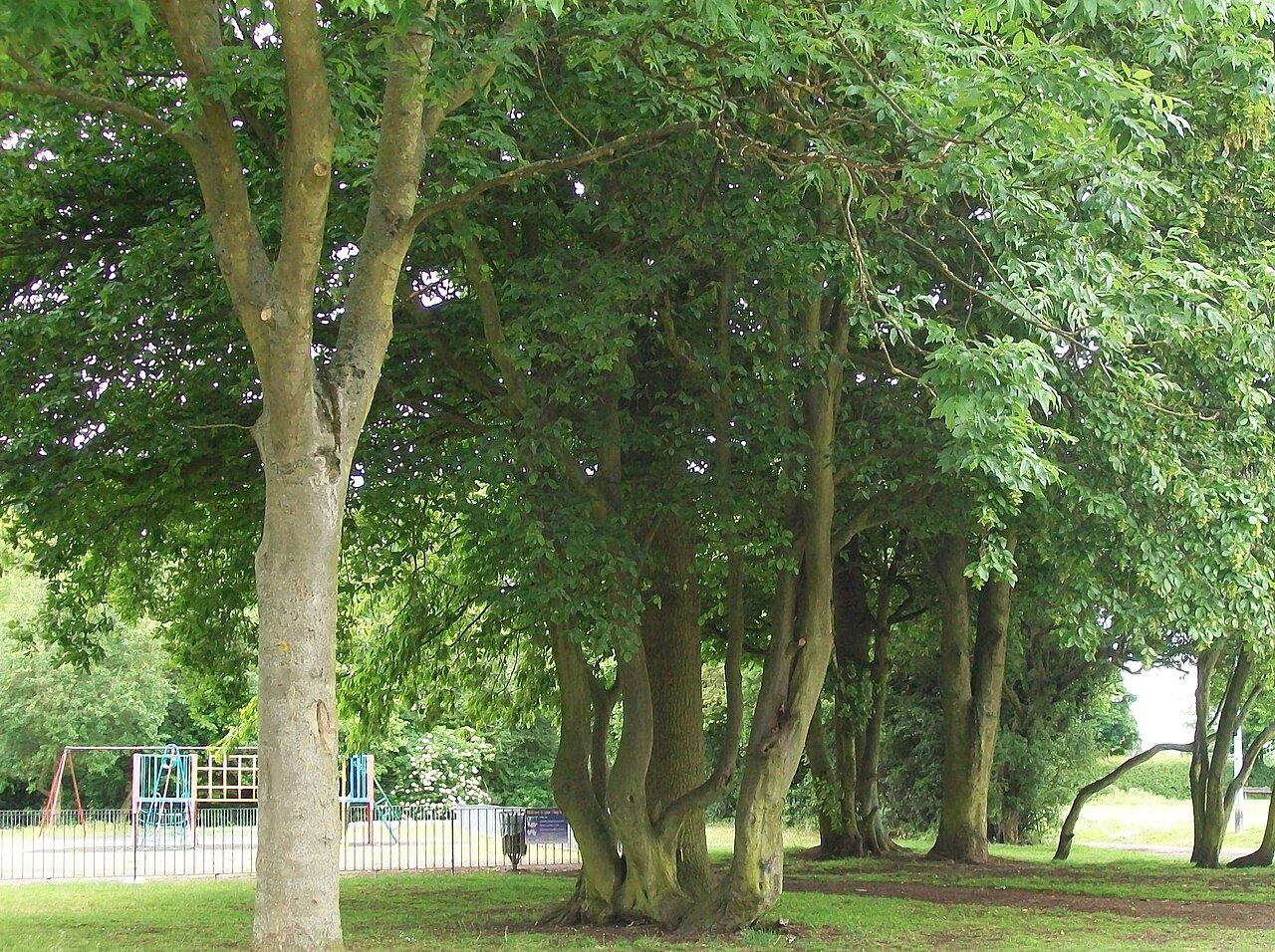
Left unpruned, the hornbeam develops into a picturesque tree up to 20 meters (65 feet) tall with a broad, rounded crown. As a specimen tree, it makes an impressive focal point in larger gardens and parks. Particularly striking are its golden-yellow autumn color and its smooth, silvery-gray trunk with a distinctive muscle-like fluted texture.
Conclusion: The Underrated All-Rounder
The hornbeam is the perfect choice for anyone looking for a tough, native, and ecologically valuable hedge. It grows in almost any soil, tolerates more moisture than most other hedge plants, shapes beautifully under the shears, and provides habitat for a wide range of native wildlife. It’s an investment that pays off for generations.
This article may contain affiliate links. If you purchase a product through one of these links, Plantgecko may earn a commission at no extra cost to you. This never influences our editorial independence or which products we recommend.