ZZ Plant (Zamioculcas): The Ultimate Low-Maintenance Houseplant
The ZZ Plant – The Nearly Indestructible Houseplant
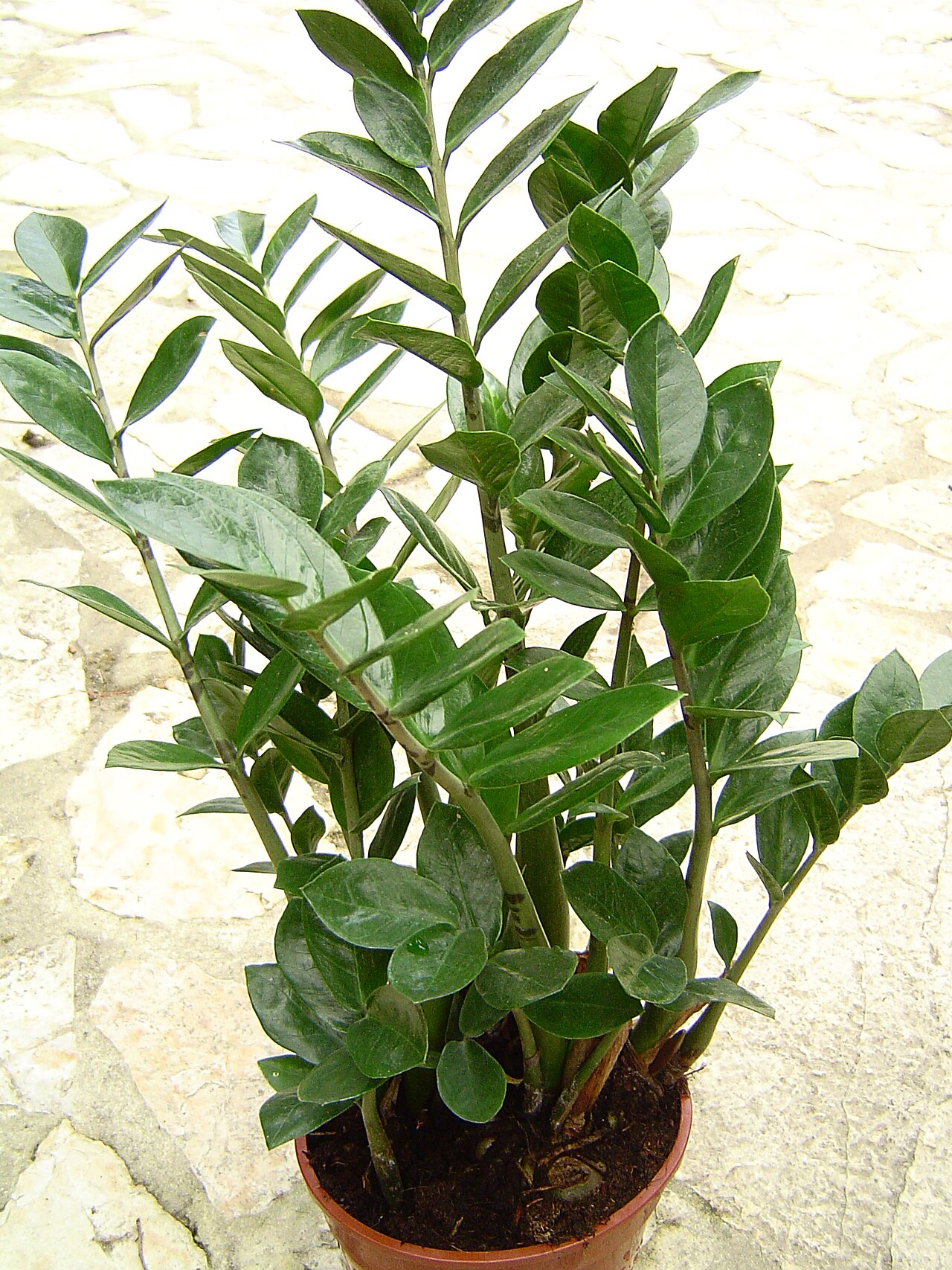
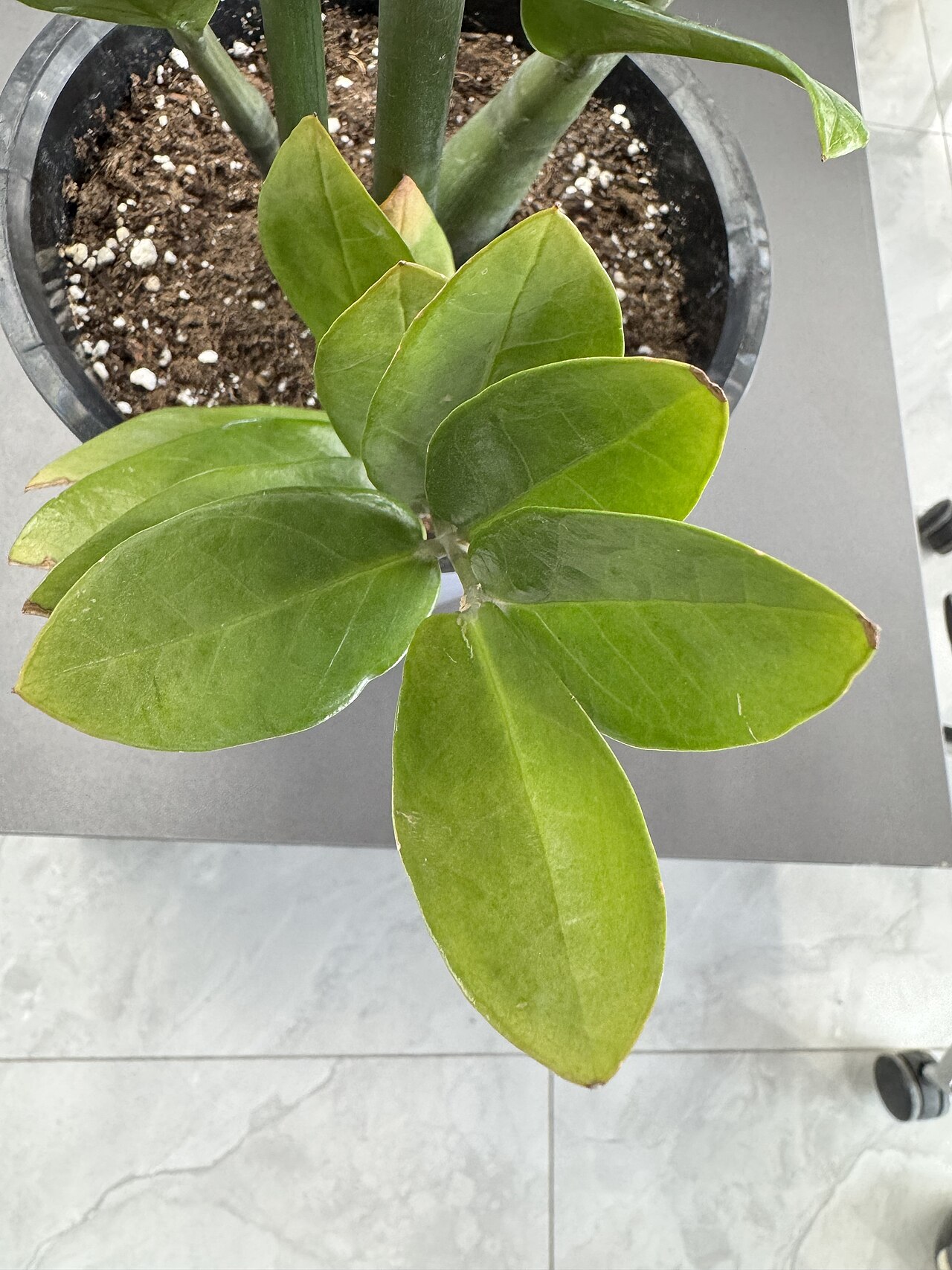
The ZZ plant (Zamioculcas zamiifolia), also called the Zanzibar gem, is the epitome of a low-maintenance houseplant. It forgives just about any care mistake and thrives on minimal attention, which is exactly why it’s so popular in offices and with beginner plant owners. With its glossy, dark green, feather-like leaves, it also simply looks fantastic. It originally comes from East Africa, where its succulent tissue helps it survive long dry spells.
The Perfect Spot
The ZZ plant is extremely adaptable. It thrives in bright spots just as well as in darker corners where other plants would have long since given up. That said, it doesn’t tolerate direct sun well – the leaves can scorch. A spot with indirect light to partial shade is ideal. Temperatures should stay between 18 and 25°C; below 15°C, the plant stops growing.
Watering – Less Is More
The ZZ plant stores water in its thick rhizomes and leaf stalks. That’s why the rule here is: water too little rather than too much. Let the soil dry out completely between waterings. In summer, watering every two to three weeks is enough; in winter, every four to six weeks is often plenty. A digital soil moisture meter can be especially helpful in winter if you tend to overwater.
Fertilizing – Only a Little Needed
The ZZ plant has very low nutrient needs. Fertilize only during the growing season from April to September – once a month with a heavily diluted houseplant fertilizer (about a quarter of the recommended dose) is entirely sufficient. Don’t fertilize in winter. A liquid houseplant fertilizer will last for many months.
Repotting and Soil
Only repot your ZZ plant once the rhizomes have outgrown the pot – roughly every two to three years. Use loose, well-draining soil. A mix of potting soil, sand, and perlite provides the drainage it needs. The new pot should only be slightly larger than the old one. A specialized cactus and succulent mix also works very well.
Propagation
The ZZ plant can be propagated in three ways. Division of the root mass during repotting is the easiest method. You can also stick individual leaf cuttings into moist soil, though it takes several months for new rhizomes to form. Or you can cut off a whole leaflet stem and root it in water. Whichever method you choose, patience is key.
Leaf Care
The glossy leaves of the ZZ plant attract dust. Wipe them occasionally with a damp cloth to help the plant photosynthesize efficiently. Don’t use leaf-shine spray – it clogs the leaf pores.
Common Problems
Yellow leaves: a clear sign of overwatering – cut back on watering immediately, and in severe cases repot and remove any rotten roots.
Brown leaf tips: usually just dry air, and rarely a serious issue.
No growth: the plant naturally grows slowly, especially in low light – this is completely normal.
Is the ZZ Plant Toxic?
Yes, all parts of the plant are toxic and can cause nausea and stomach upset if ingested. The sap can also irritate the skin. Wear gloves when repotting, and keep it out of reach of children and pets.
Conclusion
The ZZ plant is the perfect choice for anyone short on time or without a green thumb. It tolerates almost any location and only needs watering every few weeks. It also makes an ideal gift for someone just starting their houseplant journey.
This article may contain affiliate links. If you purchase a product through one of these links, Plantgecko may earn a commission at no extra cost to you. This never influences our editorial independence or which products we recommend.