Watering by Season: How to Adjust Water in Summer and Winter
Your plants live in your home, and they share the same seasonal rhythm you do. The seasons are the biggest factor influencing how much water your green housemates need. Water the same amount in winter as you do in summer, and you risk root rot. Here’s how to adjust your watering habits throughout the year.
Spring (March–May) – The Restart
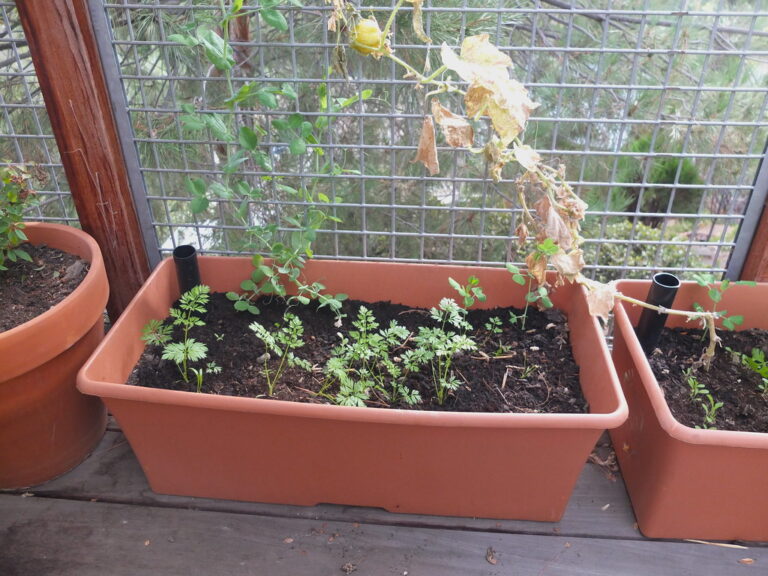
The days grow longer and plants wake up from winter dormancy. Once you see new growth — new leaves or shoots — you can slowly start increasing how much you water. Don’t jump straight to summer levels; only once the plant is actively growing does it need more water. From April or May, fertilizing season also begins for most species.
Summer (June–August) – Peak Season
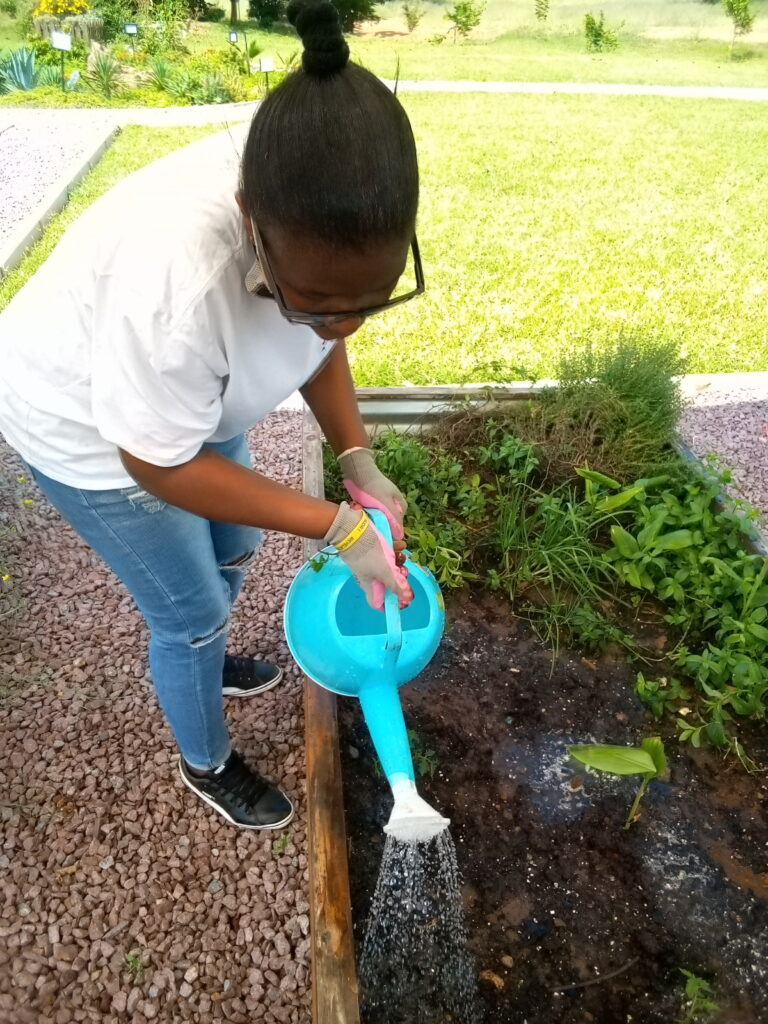
In summer, plants lose the most water through evaporation, especially on hot days and in direct sun. Water thoroughly as soon as the top layer of soil is dry — for many plants that means every 2–5 days. Important: water in the morning or evening, not in the blazing midday heat. Water sitting on hot leaves can act like a magnifying glass!
Fall (September–November) – The Transition
From September on, growth slows down noticeably. Gradually stretch out your watering intervals: instead of every 3 days, move to every 5–7 days. Stop fertilizing from October onward, as plants are preparing for dormancy and can no longer process nutrients.
Winter (December–February) – The Dormant Period
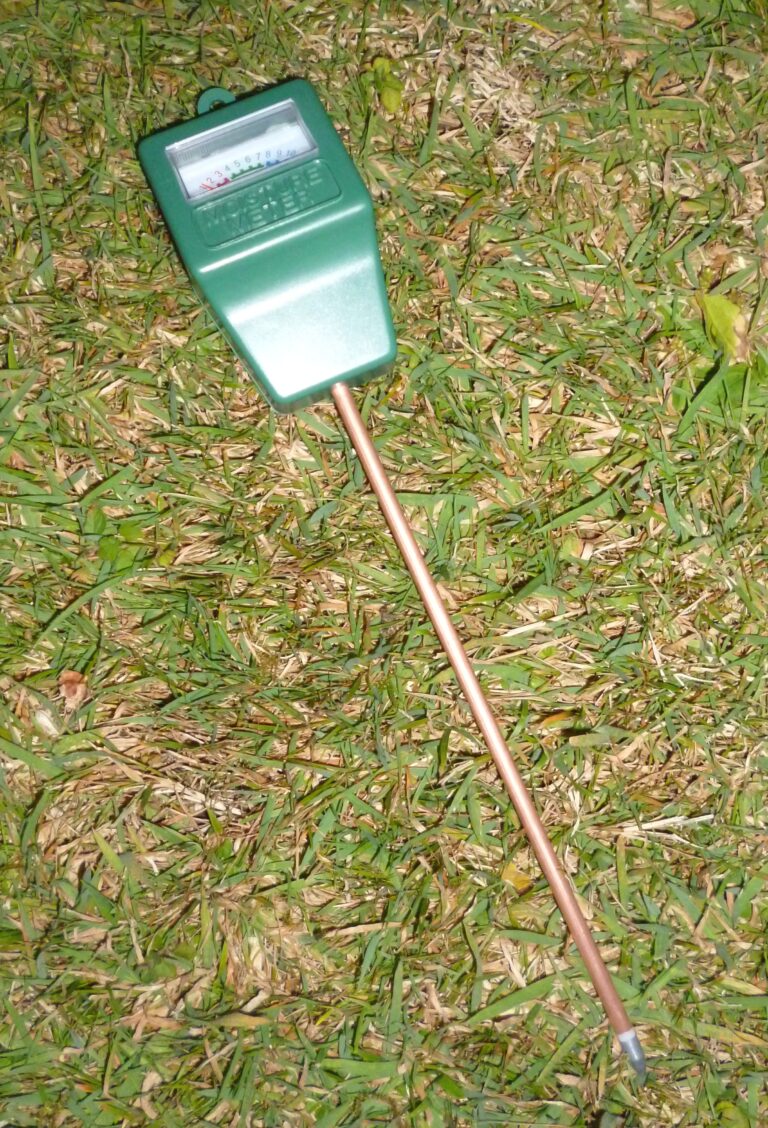
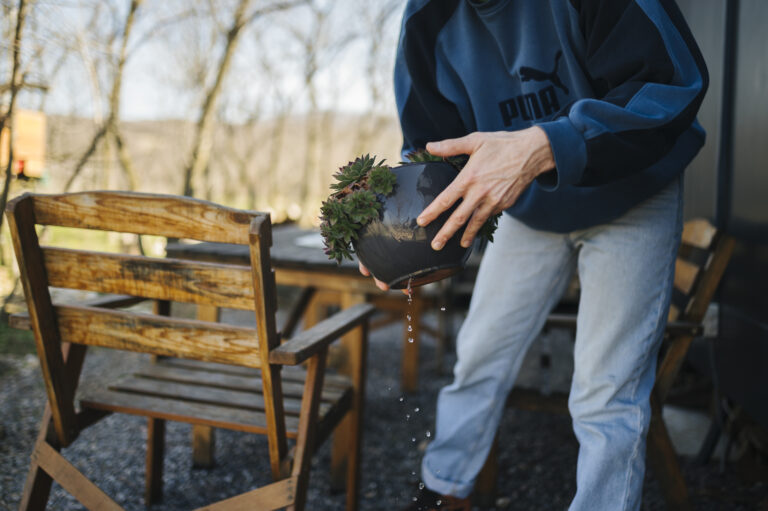
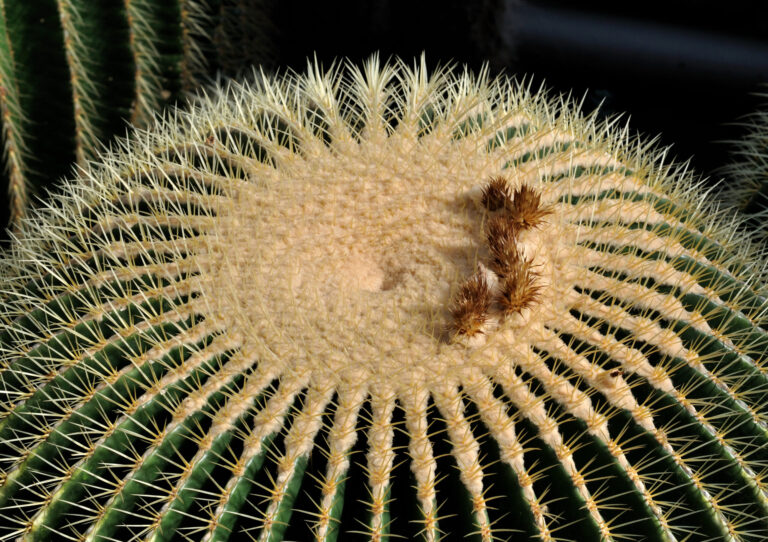
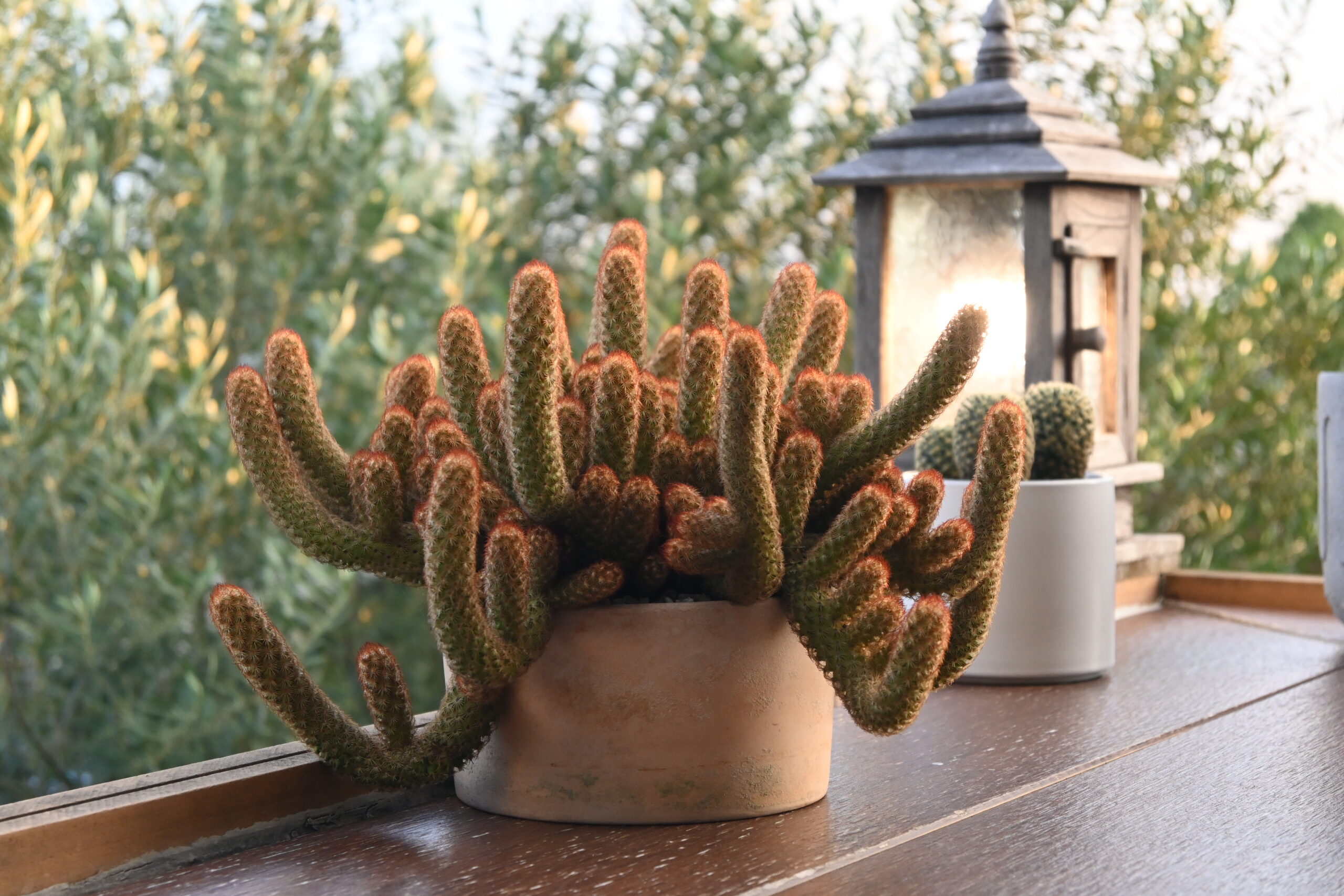
Winter brings growth to a near standstill. Water just enough to keep the root ball from drying out completely. Succulents might only need water once a month now, while a Monstera may go 2–3 weeks between waterings. Be generous with the finger test — better too dry than too wet. Soil moisture meters are especially helpful in winter, since the soil dries more slowly and unevenly.
With these seasonal adjustments, you’ll avoid the most common cause of plants dying over winter.
This article may contain affiliate links. If you purchase a product through one of these links, Plantgecko may earn a commission at no extra cost to you. This never influences our editorial independence or which products we recommend.