Avoid Watering Mistakes: The 7 Most Common Plant Watering Errors
Introduction
More houseplants die from watering mistakes than from any pest or disease. The good news is that nearly every watering problem is avoidable once you understand what your plant actually needs and how to read the warning signs. Here are the seven errors gardeners make most often, along with practical fixes.
- Watering on a Fixed Schedule
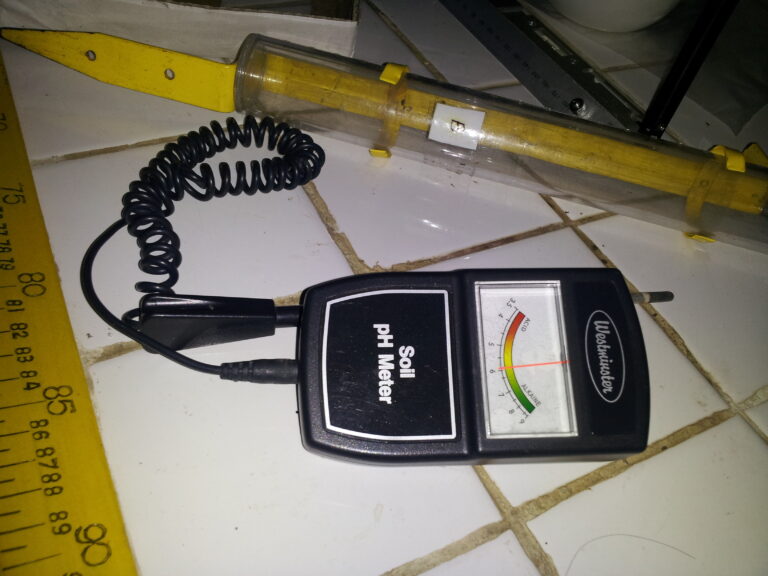
Pouring water on the same day every week ignores how much light, temperature, humidity, and pot size affect how fast soil dries. Instead of a calendar, check the soil itself. Push a finger about two inches into the pot, or use a wooden skewer as a moisture probe. Water only when the top inch or two feels dry, and adjust more often for the actual conditions in your home.
Who This Is For
- Overwatering
Overwatering is the single biggest killer of houseplants. Roots need oxygen as much as water, and soil that stays saturated suffocates them, inviting root rot. Yellowing leaves that feel soft or mushy, a sour smell from the pot, and fungus gnats hovering over the soil are all classic signs. Let the soil dry appropriately between waterings for the species, and always empty water that collects in a saucer.
Buying Criteria
- Underwatering
The opposite mistake is just as damaging. Crispy brown leaf edges, drooping foliage, and soil that pulls away from the sides of the pot all signal chronic underwatering. When soil dries out completely, it can become hydrophobic and repel water rather than absorbing it, so water runs straight through without rehydrating the roots.
Product/Option Categories
- Pots Without Drainage
A decorative pot with no drainage hole traps excess water at the bottom of the root ball no matter how carefully you water. Always grow plants in a nursery pot with drainage holes and slip that into a cachepot, or drill drainage into solid containers. This one change prevents more root rot than almost any other adjustment.
Trade-offs
- Shallow, Surface-Only Watering
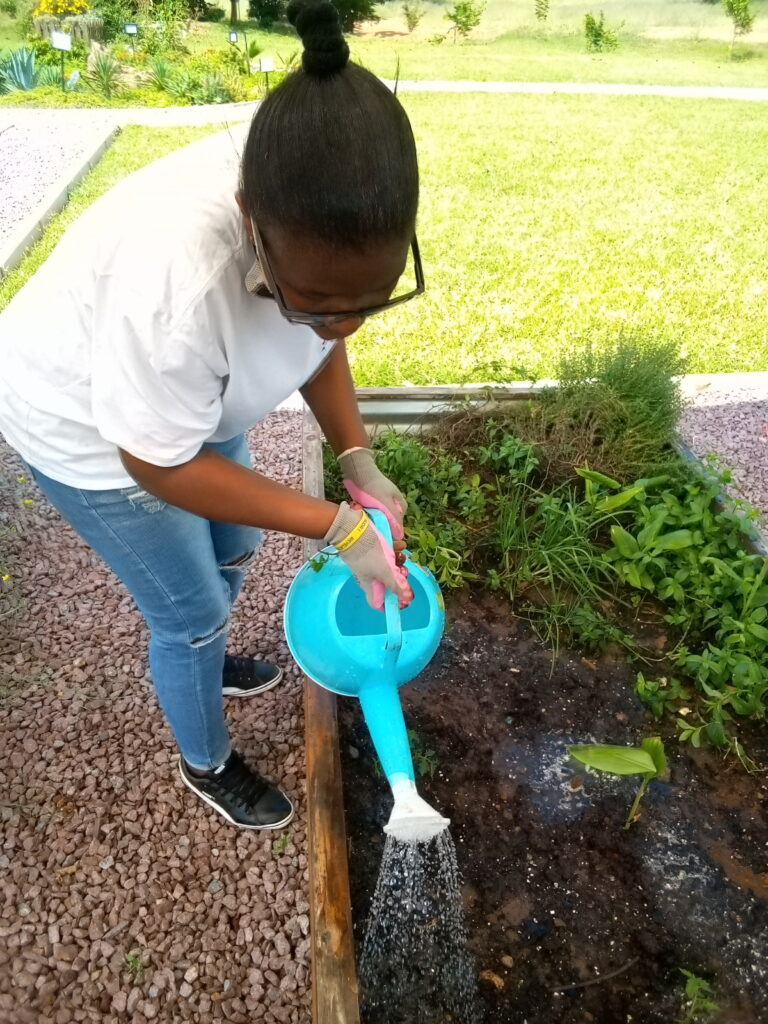
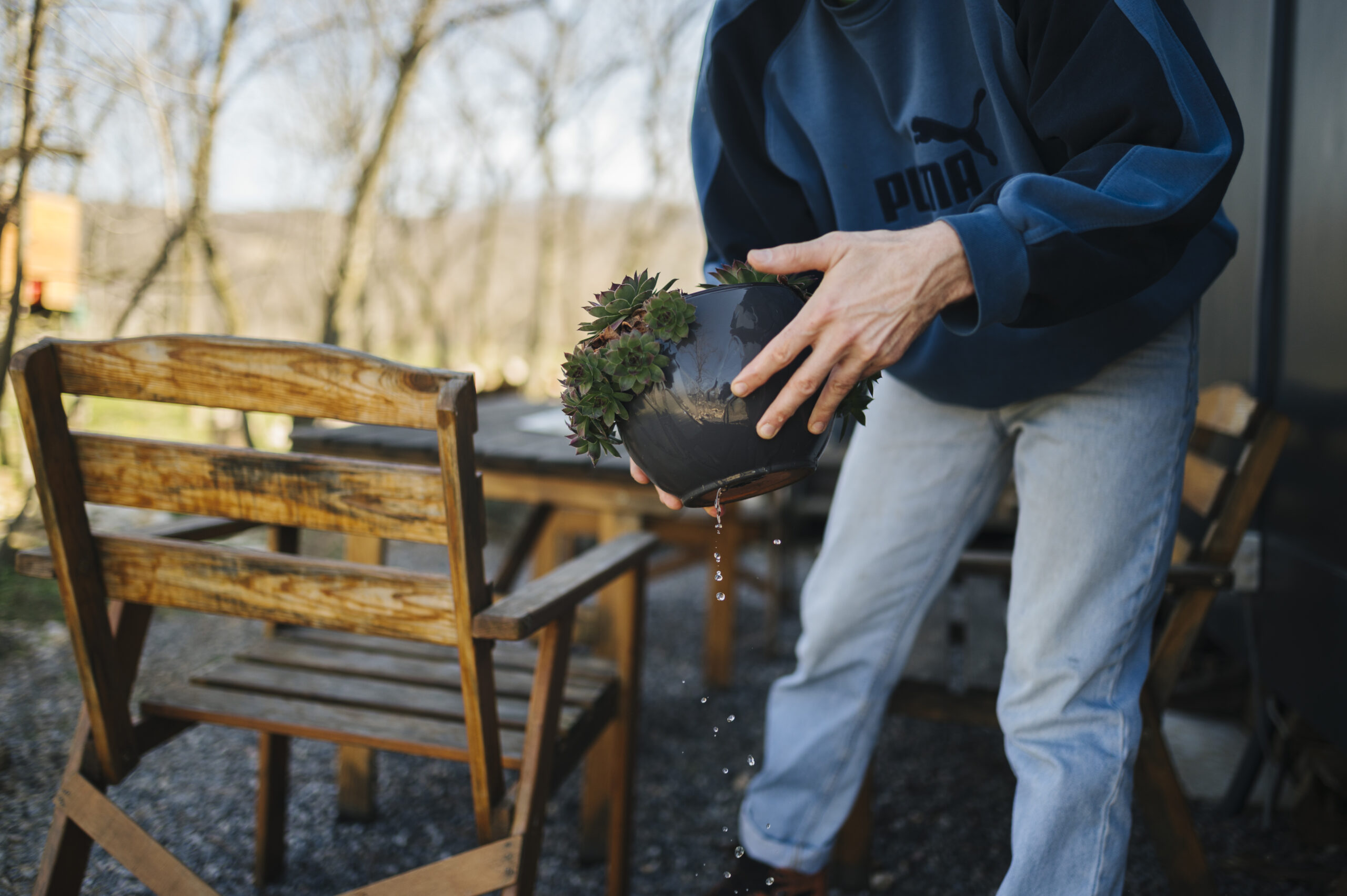
A quick splash on top of the soil often wets only the first half inch, leaving the bulk of the root system dry. Water thoroughly and slowly until it runs freely from the drainage holes, ensuring the entire root ball is saturated, then let the excess drain away completely.
Disclosure
This article may contain affiliate links. If you purchase a product through one of these links, Plantgecko may earn a commission at no extra cost to you. This never influences our editorial independence or which products we recommend.
| Product | Best For | Price | |
|---|---|---|---|
| wooden skewer | Top Pick | Check price | View |
| nursery pot with drainage holes | Budget Alternative | Check price | View |
Recommendation Framework
- Ignoring Water Temperature and Quality
Very cold water can shock tropical roots, and heavily chlorinated or softened water can build up salts that scorch sensitive plants over time. Use room-temperature water, and if your plant is sensitive, let tap water sit out for a day so chlorine dissipates before use.
- Wetting Foliage on Susceptible Plants
Plants like African violets, succulents, and many with fuzzy leaves are prone to fungal spotting or rot when water sits on the foliage or in a leaf’s crown. Water at the soil level instead, and if leaves do get wet, allow good airflow so they dry quickly.
Conclusion
Most watering problems come down to observation rather than a strict formula. Get to know how quickly each plant’s soil dries under your specific light and humidity conditions, and you will avoid the vast majority of watering-related setbacks.