Self-Watering Plant Pots: Never Forget to Water Again
Self-Watering Plant Pots: Never Forget to Water Again
Self-watering plant pots are revolutionizing plant care. They’re the perfect solution for anyone who wants to give their houseplants a steady water supply without reaching for the watering can every day. In this guide, you’ll learn how self-watering systems work, what benefits they offer, and what to look for when buying one.
How does a self-watering pot work?
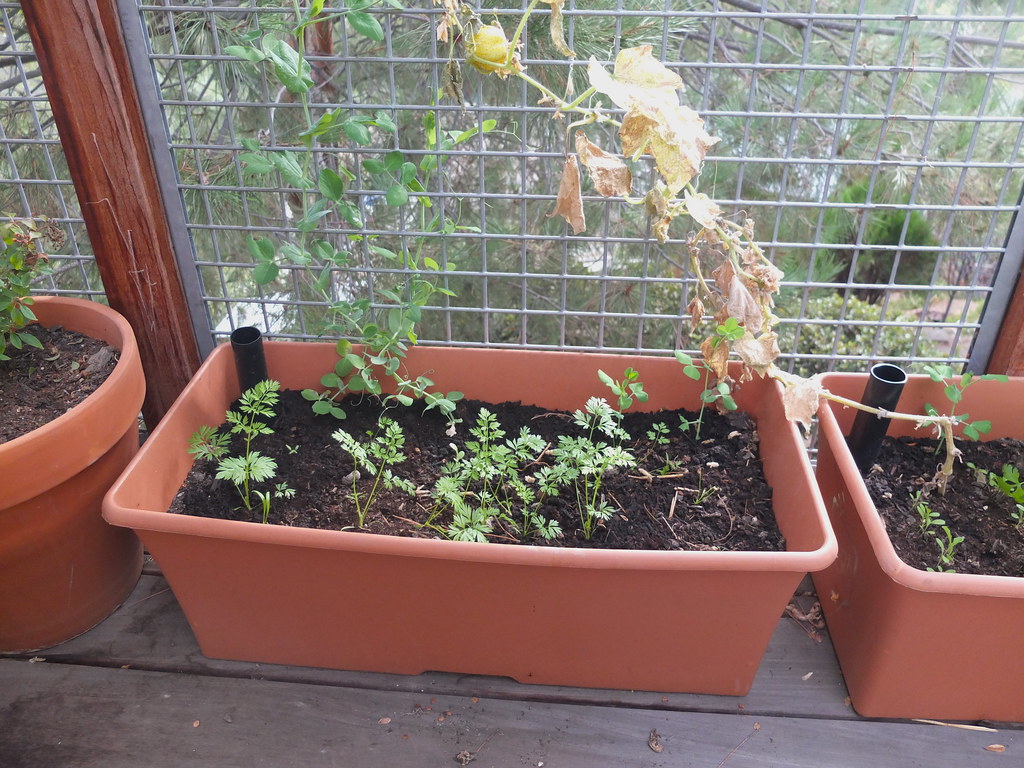
The principle is clever and simple: a water reservoir sits in the lower part of the pot, separated from the potting mix by a wick or capillary mat. The plant draws water from the reservoir as needed. As the soil dries out, capillary action pulls fresh water upward. Excess water doesn’t collect around the roots but stays safely in the tank. The result is evenly moist soil, with no waterlogging and no watering stress.
The advantages of self-watering pots
Consistent water supply: No more drying out and no more overwatering. The plant gets exactly as much water as it needs. Longer intervals between refills: Depending on tank size and the plant’s needs, a single fill can last one to four weeks, ideal for vacations or busy schedules. Healthier plants: Even moisture promotes strong root growth and prevents stress from dry spells. Water savings: Since the reservoir is enclosed, very little water is lost to evaporation, making it more efficient than watering from above.
Which plants benefit from self-watering pots?
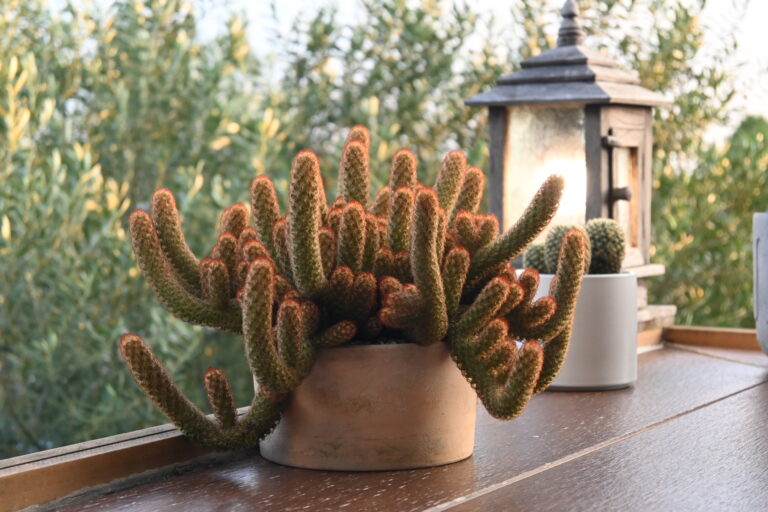
Most houseplants benefit from consistent moisture. Especially good candidates include ferns, which love constant humidity; calathea and prayer plants, which are sensitive to drying out; spider plants, peace lilies, and philodendrons; and many herbs such as basil and mint. Less suitable are cacti and succulents, which prefer pronounced dry spells between waterings, as well as Mediterranean plants like rosemary and lavender, which need their roots to dry out.
What to look for when buying
Reservoir size: The bigger the tank, the less often you need to refill it. For large plants or long absences, choose a model with at least a one-liter capacity. Water level indicator: A handy indicator shows at a glance when it’s time to top up. Material quality: Good-quality plastics are UV-resistant and free of harmful substances. Overflow protection: A backup drainage system prevents roots from sitting in water if the wick ever fails.
| Feature | Self-Watering | Conventional |
|---|---|---|
| Watering interval | 1-4 weeks | 2-7 days |
| Waterlogging risk | Very low | Medium to high |
| Water efficiency | High | Medium |
| Good for vacations | Yes | Only with extra help |
| Upfront cost | Higher | Lower |
Conclusion
Self-watering pots are a worthwhile investment for anyone who wants to keep their plants well cared for without constantly thinking about watering. They combine convenience with plant health and are especially well-suited to tropical houseplants. If you’d rather not buy new pots, you can even retrofit existing ones with a simple wick system as a low-cost alternative.