Underwatering vs. Overwatering: How to Spot the Signs and Respond Correctly
Too much water, too little water – either one can be fatal for a plant. But how do you tell the difference, and what’s the best way to respond in each case? In this article, we’ll show you how to reliably distinguish between overwatering and underwatering and take the right corrective steps.
Overwatering: The Most Common Care Mistake
Statistics show that more houseplants die from too much water than from too little. Overwatering leads to waterlogging, which deprives the roots of oxygen. The roots begin to rot, and the plant can no longer absorb nutrients – a vicious cycle, since the wilting leaves often tempt people to water even more.
Signs of Overwatering
- Yellow leaves: The lower leaves in particular turn yellow and drop. Unlike with lack of water, the leaves feel soft and limp rather than dry and crispy.
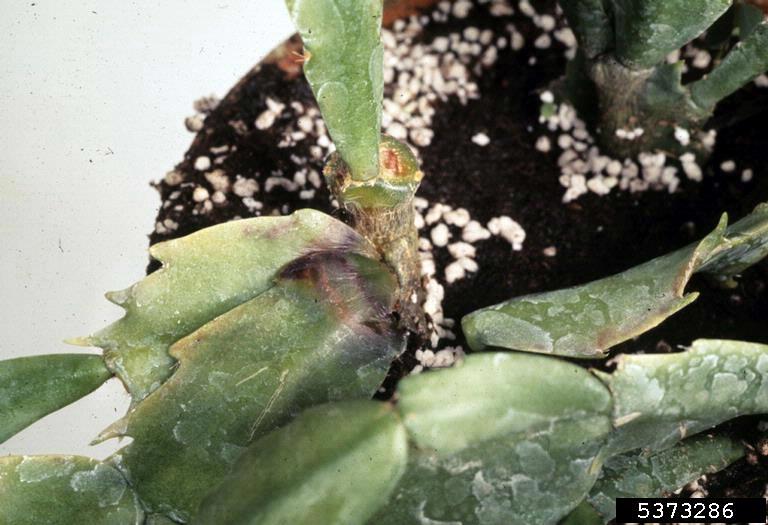
- Soft, mushy stems: The base of the plant feels soft to the touch. In cacti and succulents, the leaves become translucent and glassy.
- Mold on the soil: A white or gray layer on the surface of the potting soil is a sure sign of excess moisture.
- Musty smell: Rotting roots give off an unpleasant, musty odor that rises up from the pot.
- Fungus gnats: Small black flies hovering around the plant love permanently damp soil.
- Standing water: Water sitting in the saucer that hasn’t been absorbed after several hours.
What to Do About Overwatering
- Stop watering immediately. Don’t add any more water until the top layer of soil has dried out.
- Remove the plant from its pot and check the roots. Healthy roots are pale and firm. Brown, mushy roots need to be cut away with clean scissors.
- Use fresh soil. Repot the plant into dry, fresh potting mix.
- Improve drainage. Add a layer of expanded clay pebbles or gravel at the bottom of the pot and use a container with adequate drainage holes.
- Optimize the location. Move the plant somewhere warmer and brighter so the remaining moisture evaporates more quickly.
Underwatering: When the Plant Is Thirsty
Underwatering is less often fatal, since most plants are surprisingly resilient to drought – at least for a while. Still, you should take your thirsty plant’s signals seriously.
Signs of Insufficient Water
- Brown, crispy leaf edges: The edges of the leaves turn brown and brittle. This is often the first visible sign.
- Drooping, wilted leaves: Unlike with overwatering, the leaves feel dry and papery to the touch.
- Soil pulling away from the pot’s edge: Severely dried-out soil shrinks and forms a gap along the rim of the pot.
- Water beading off the surface: Completely dry soil can no longer absorb water – it simply runs straight through.
- Slow growth: With chronic lack of water, the plant stops growing altogether.
What to Do About Underwatering
- Give it a soak. Place the entire pot in a basin of water for 10–15 minutes, until no more air bubbles rise to the surface. This lets the soil soak up water from below.
- Rehydrate the soil. If the soil has become water-repellent, a drop of dish soap in the soaking water helps break the surface tension.
- Build back up slowly. Over the following days, water with small amounts at first, then gradually larger amounts, until the plant has recovered.
- Check regularly. Do the finger test every 2–3 days to prevent future dehydration.
Prevention: How to Avoid Both Extremes
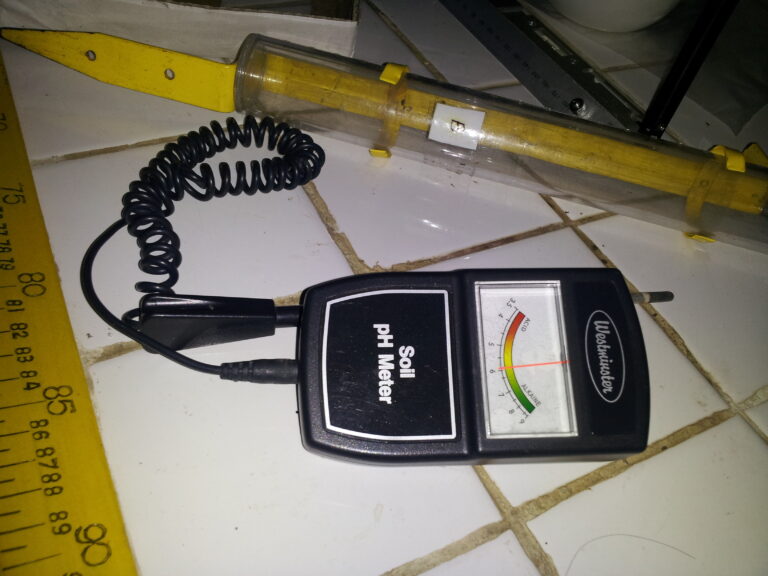
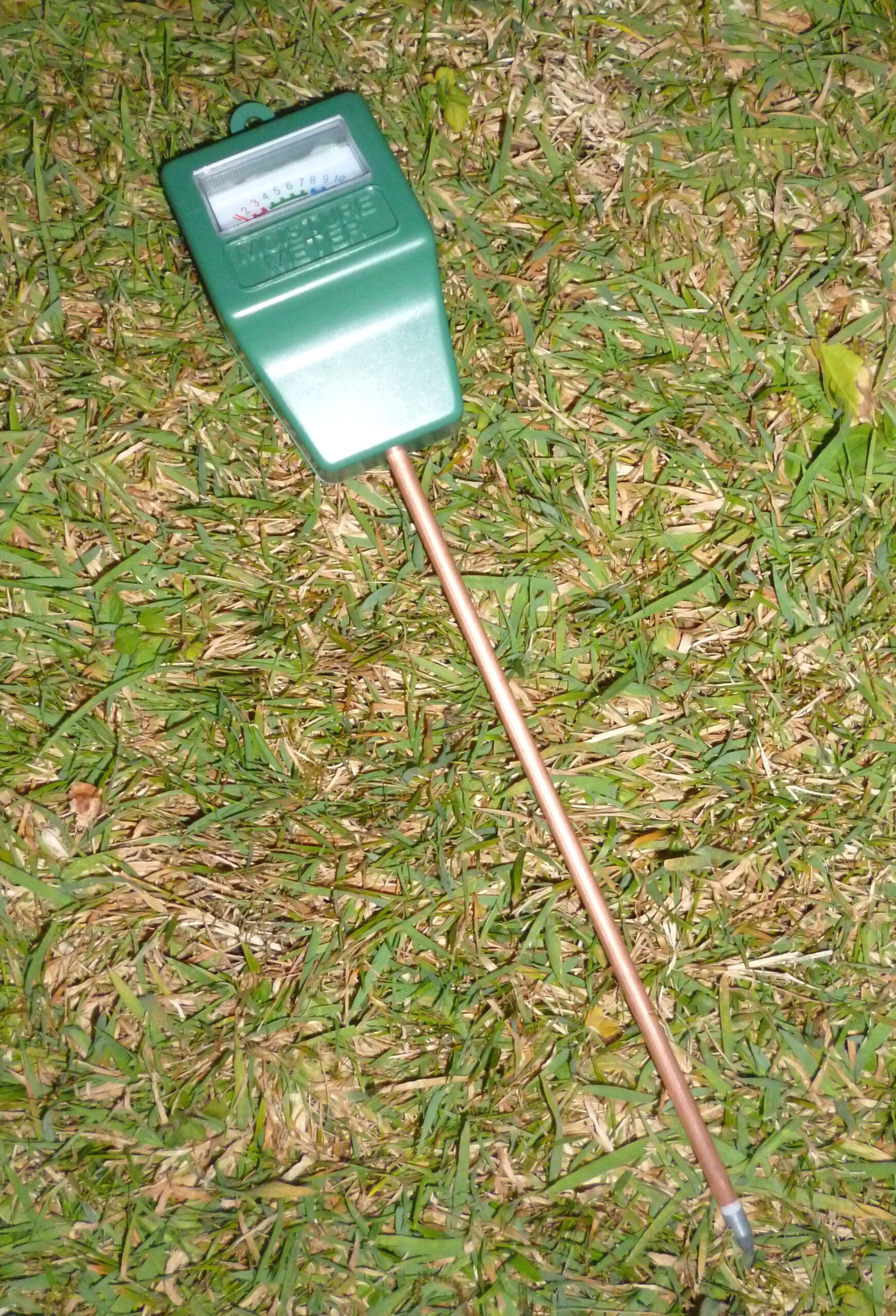
The key to healthy plants is good drainage and attentive watering. Use pots with drainage holes and a drainage layer of expanded clay pebbles. A moisture meter is a worthwhile investment – it costs little and prevents costly mistakes.
For anyone who tends to overwater, self-watering pots are a good option. They release only as much water as the plant actually needs.
With careful observation and the right technique, you’ll quickly master the art of watering your plants just right!