Drainage in Plant Containers — Preventing Waterlogging and Protecting Your Plants
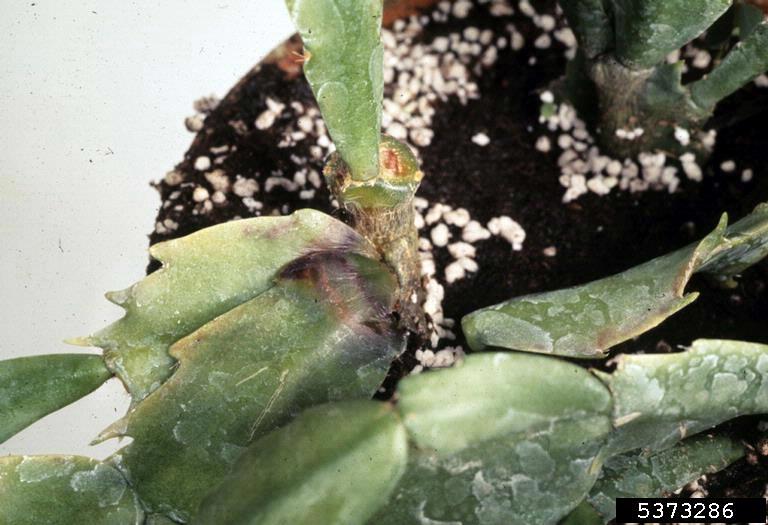
Waterlogging is the most common reason for wilting leaves and dying potted plants — more so than drought or pests. The problem is that roots need not just water but also oxygen. When the root ball sits permanently wet, the fine roots rot and the plant can no longer absorb nutrients. Proper drainage in a plant container isn’t optional — it’s essential.
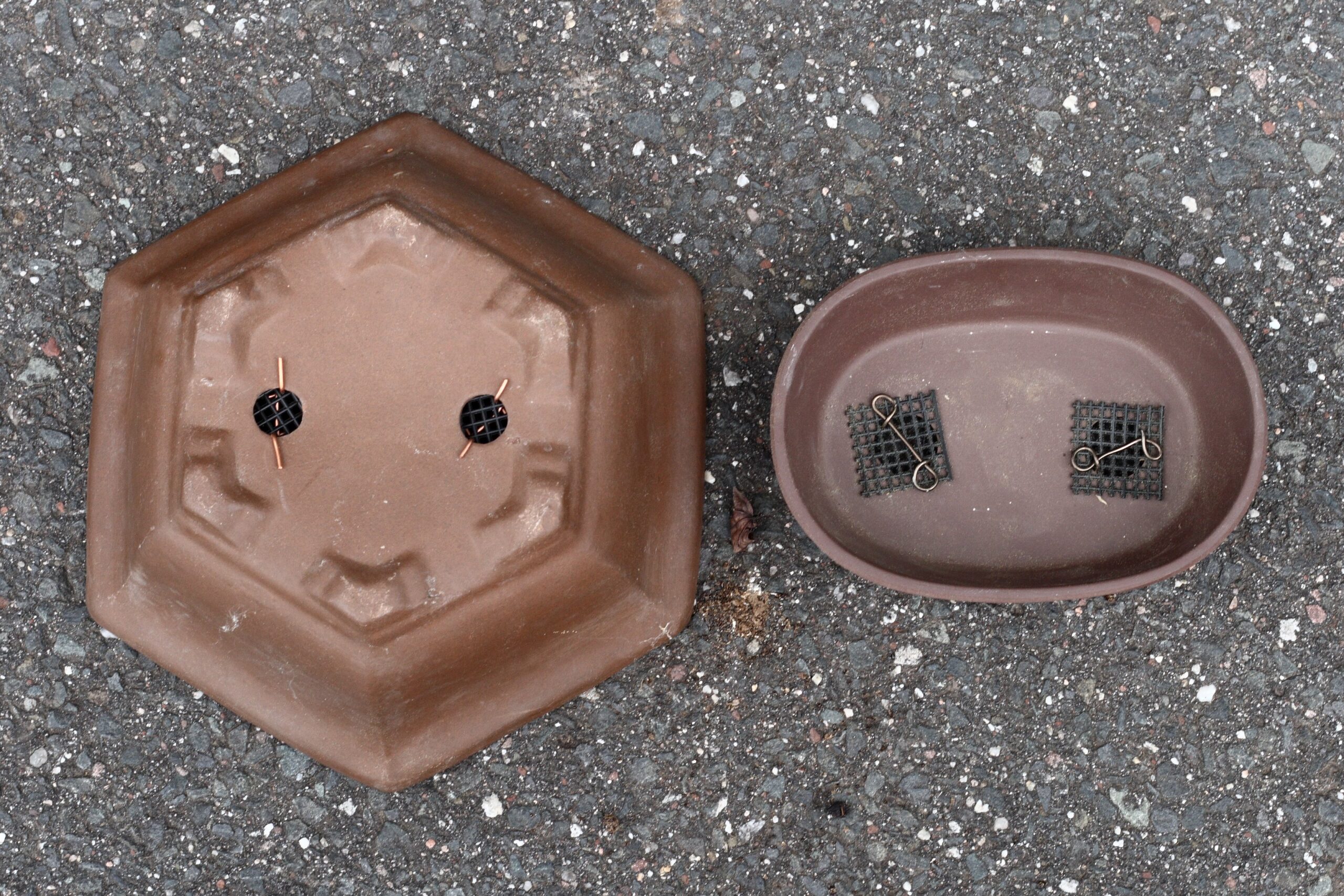
The basic principle is simple: excess water needs to drain away freely. A drainage hole in the bottom of the pot is a must, ideally more than one. If a pot doesn’t have one, you can drill it yourself using a drill bit suited to plastic or ceramic — for ceramic, use a special tile bit and gentle pressure. Cover the holes with a piece of broken pottery or a bit of mesh so the potting mix doesn’t wash out.
Above that goes a drainage layer of expanded clay, gravel, or coarse grit, typically 3 to 10 centimeters deep depending on pot size. For large containers, expanded clay saves weight compared with gravel. A thin layer of fleece goes on top of the drainage layer to separate it from the potting mix and stop soil from washing down and clogging the drainage. Only then should you add the actual potting soil.
For hanging baskets and lightweight balcony boxes, expanded clay is ideal since it adds so little weight. For succulents and cacti, a more generous drainage layer is welcome — they benefit from a thick gravel bed that dries out quickly between waterings. In hydroponic growing, expanded clay even takes over the role of the growing medium entirely. Neglecting drainage risks fungus gnats, root rot, and fungal disease — problems that are easy to avoid with just a few simple steps.