Haworthia Care: The Perfect Succulent for Shady Spots
Introduction
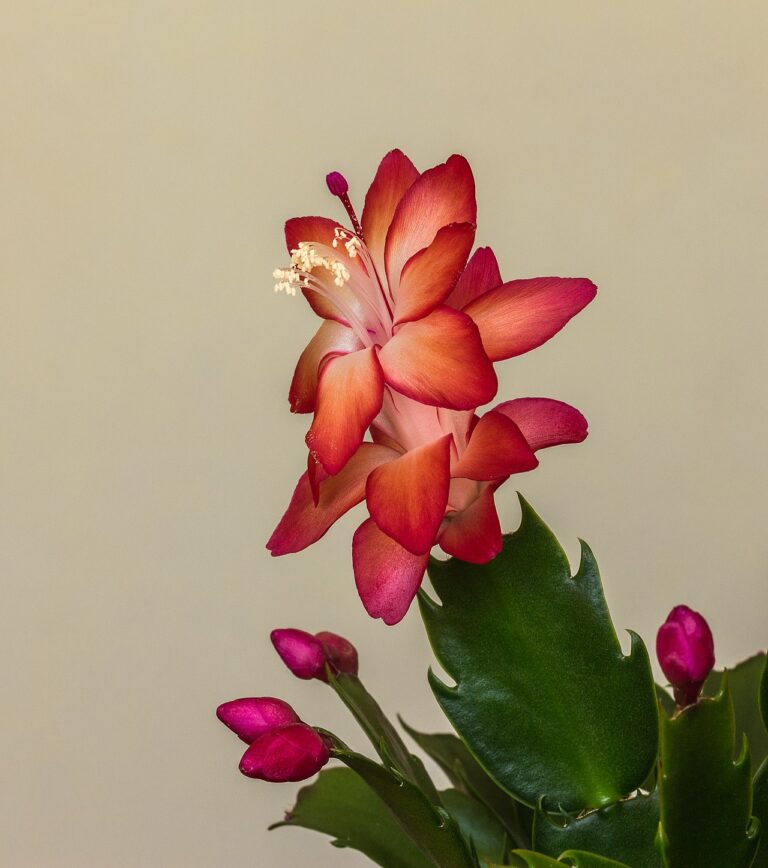
Photo: Diego Delso (CC BY-SA 3.0, Wikimedia Commons)
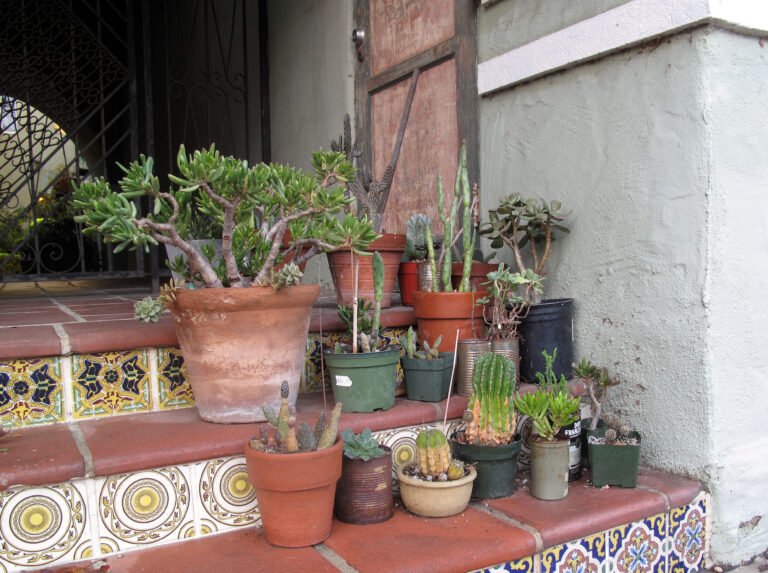
Photo: Honmingjun (CC BY-SA 4.0, Wikimedia Commons)
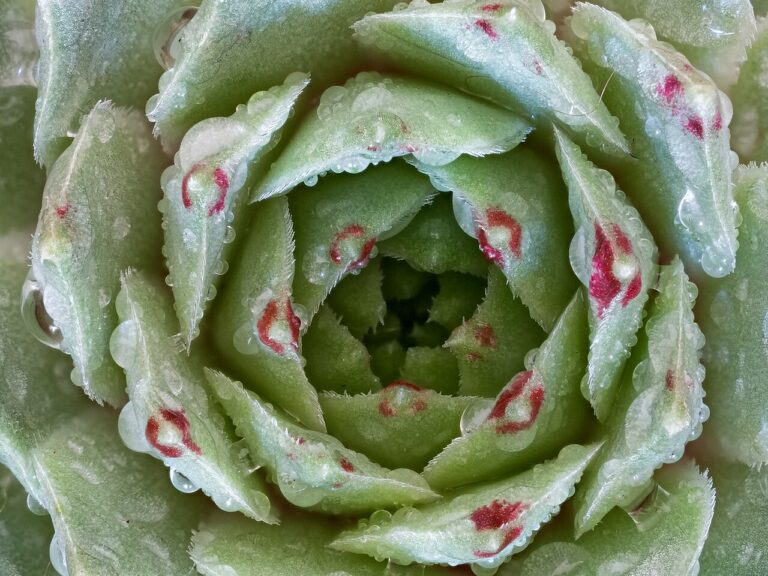
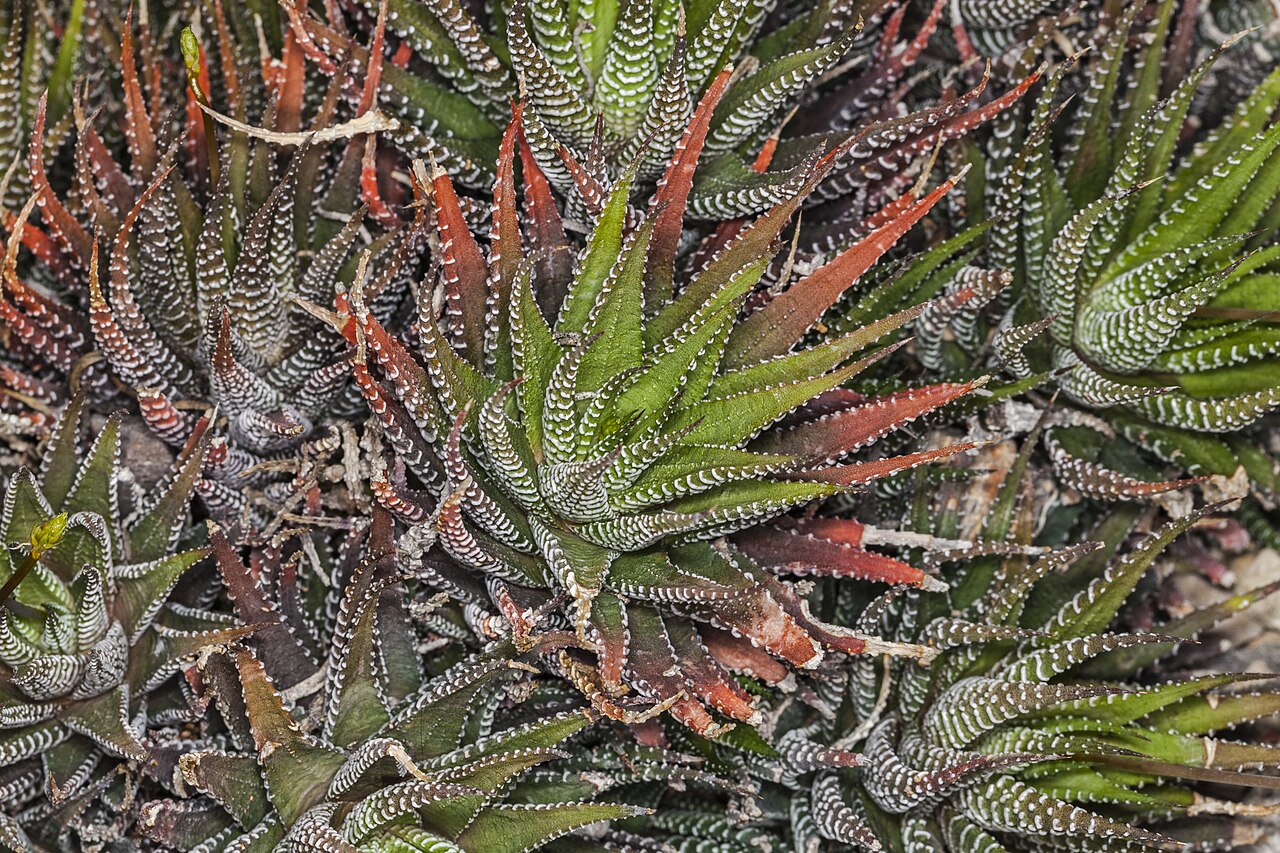
Photo: JonTheSucculentDude (CC BY-SA 4.0, Wikimedia Commons)
Haworthia – The Perfect Succulent for Shady Spots
Haworthia is the ideal succulent for anyone without a south-facing window. Unlike most other succulents and cacti, it thrives even in partly shaded spots. Its compact, star-shaped rosettes, often with translucent leaf tips that look like tiny windows, make it one of the most fascinating succulents around. Especially popular are Haworthia fasciata (zebra haworthia), with its striking white banding, and Haworthia cooperi, whose leaf tips are nearly transparent. Thanks to its small size, Haworthia fits on any windowsill and is remarkably easygoing.
A Different Set of Light Requirements.
Who This Is For
What sets Haworthia apart from most succulents is its tolerance for shadier conditions. In its native South Africa, it often grows in the shade of larger plants or tucked between rocks, so it’s adapted to less intense sunlight. A bright spot without direct sun is ideal – an east- or west-facing window works well, and even a north-facing window can be suitable. Too much direct sun turns the leaves reddish-brown, a sign of sun stress. This isn’t necessarily harmful, but it does suggest the plant would prefer a shadier spot.
Summer temperatures should stay around 20-25°C. In winter, Haworthia tolerates cooler conditions between 10 and 15°C – a dormant period that benefits the plant’s health, though it’s less essential than it is for many desert cacti. Avoid temperatures below 5°C.
Buying Criteria
Watering: Finding the Right Balance
Haworthia needs somewhat more water than typical desert succulents, but still far less than an ordinary houseplant. Water once the top 2-3 cm of soil has dried out – roughly every 7-10 days in summer and every three to four weeks in winter. The soil should dry out well between waterings but shouldn’t stay bone-dry for weeks at a time.
As with all succulents, waterlogging is enemy number one. Water directly onto the soil and avoid getting water into the leaf rosette, which can cause rot. An interesting detail: many Haworthia species partially retract into the soil during dry spells as a natural defense mechanism – so if your plant looks smaller than usual, it may simply need water.
Product/Option Categories
Substrate and Fertilizing
Haworthia prefers a well-draining substrate that’s a bit richer in organic matter than what desert cacti need. A mix of roughly 60% cactus soil, 20% perlite, and 20% potting soil offers a good balance of drainage and nutrient retention. The pot should have a drainage hole and shouldn’t be too large – Haworthia actually prefers being slightly root-bound.
Feeding should be minimal. During the growing season from April to September, a monthly dose of heavily diluted cactus fertilizer is enough. In winter, stop fertilizing altogether.
Trade-offs
The Transparent Leaf Windows – A Marvel of Evolution
Some Haworthia species, including Haworthia cooperi and Haworthia obtusa, have evolved a remarkable adaptation: nearly transparent leaf tips that act like tiny windows. These leaf windows let light reach deep into the plant’s interior, where photosynthesis takes place. In the wild, these species often grow almost entirely buried in the ground, with only the translucent tips exposed – a clever defense against intense sun and hungry animals. As houseplants, they should be planted just deep enough that the windows remain visible.
Propagation and Repotting
Haworthia readily produces offsets (small plantlets) at the base of the mother plant. When repotting in spring, you can gently separate these, making sure each offset has its own roots. Let the cut surface dry for a day before planting the young offsets in fresh cactus soil, and water only minimally for the first two weeks.
Disclosure
This article may contain affiliate links. If you purchase a product through one of these links, Plantgecko may earn a commission at no extra cost to you. This never influences our editorial independence or which products we recommend.
| Product | Best For | Price | |
|---|---|---|---|
| perlite | Top Pick | Check price | View |
| rubbing alcohol | Budget Alternative | Check price | View |
Recommendation Framework
Repotting is only needed every two to three years, since Haworthia grows slowly. Spring is the best time. Use shallow, wide pots that suit the plant’s natural growth habit.
Popular Haworthia Species
SpeciesAppearanceNotable Feature
Haworthia fasciataGreen with white bandingZebra haworthia; very hardy
Haworthia attenuataSimilar to fasciata, rougher leavesWhite bumps instead of bands
Haworthia cooperiTransparent, balloon-like tipsStriking leaf windows
Haworthia limifoliaSpiral, ridged leavesFascinating leaf texture
Haworthia retusaTriangular, translucent leavesCompact, star-shaped growth.
Conclusion
Common Problems
ProblemCauseSolution
Reddish leavesToo much sun or nutrient deficiencyMove to a shadier spot; feed lightly
Soft, mushy leavesWaterlogging or root rotRepot immediately; water less
No growthWinter dormancy (normal) or too little lightCheck location in summer
Dry, shriveled tipsAir too dry or underwateringWater slightly more
MealybugsWhite, cottony depositsDab with rubbing alcohol; isolate the plant
Conclusion: The Perfect Succulent for Shady Corners
Haworthia is the perfect choice for anyone who loves succulents but doesn’t have a sun-drenched south-facing window. It’s compact, low-maintenance, and remarkably diverse – with over 70 species and countless hybrids, there’s a Haworthia for everyone. With these tips, your Haworthia will become a small, living jewel on your windowsill.