Pothos Care: The Indestructible All-Rounder
Introduction
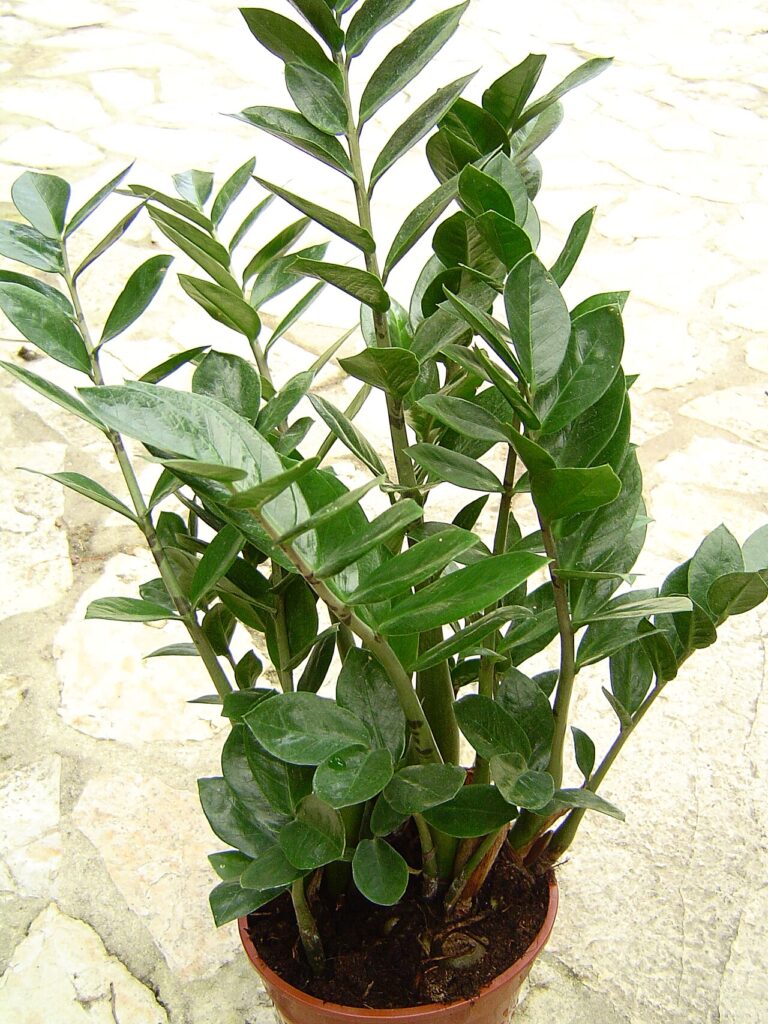
Photo: Filo gèn‘ (CC BY-SA 4.0, Wikimedia Commons)
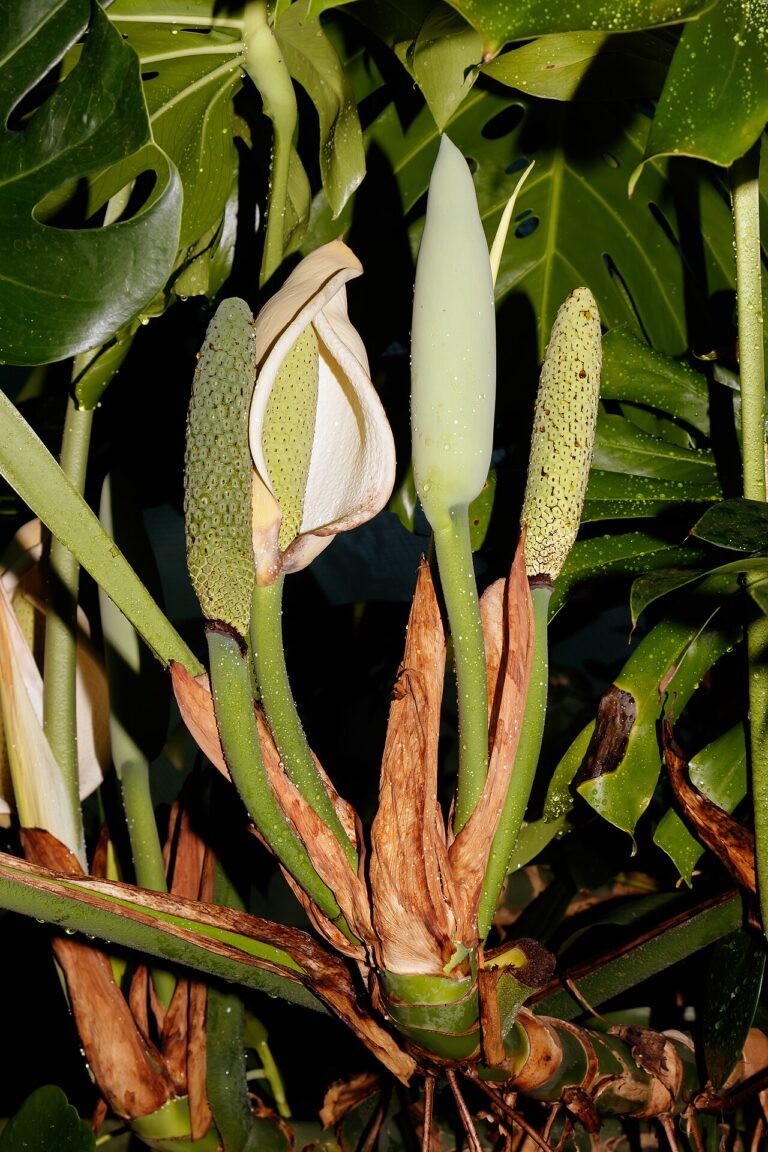
Photo: Slyronit (CC BY-SA 4.0, Wikimedia Commons)
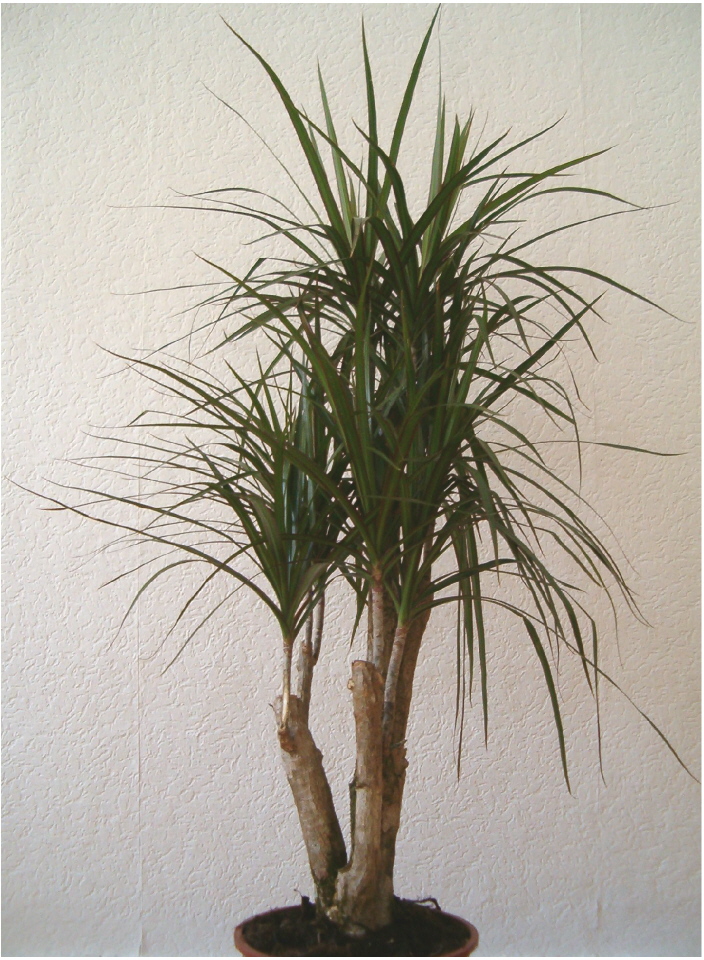
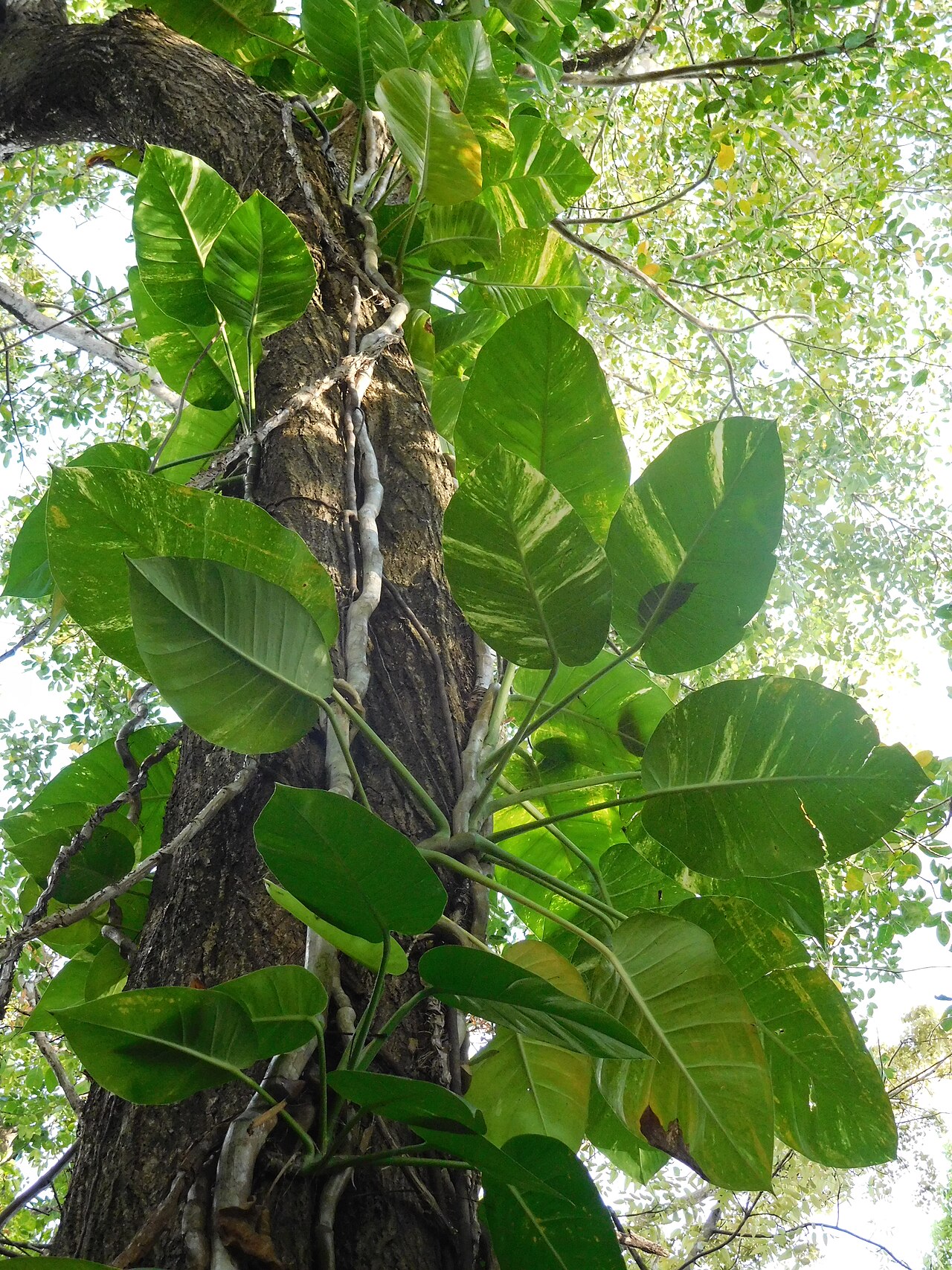
Photo: Unknown authorUnknown author (Public domain, Wikimedia Commons)
Pothos (Epipremnum aureum) has earned its reputation as one of the toughest and most forgiving houseplants around. Its trailing, heart-shaped leaves make it equally at home cascading from a shelf or climbing a moss pole, and it tolerates the kind of inconsistent care that would spell trouble for fussier plants — making it an excellent choice for beginners or forgetful waterers.
Who This Is For
Light and Watering
Pothos grows well in a wide range of light conditions, from low light to bright, indirect sun, though variegated varieties such as ‘Marble Queen’ or ‘Neon’ keep their brightest colouring with more light. Avoid direct, intense sun, which can scorch the leaves. Let the top few centimetres of soil dry out between waterings, then water thoroughly until it drains from the bottom of the pot. Pothos is more tolerant of underwatering than overwatering; limp, yellowing leaves and a mushy stem base are classic signs of soil kept too wet.
Buying Criteria
Soil, Feeding, and Humidity
A standard well-draining houseplant potting mix works fine, ideally in a pot with drainage holes. Feed with a balanced liquid houseplant fertiliser roughly once a month during spring and summer, and hold off in winter when growth naturally slows. Pothos is not fussy about humidity and adapts well to normal indoor conditions, though it will grow a little lusher in a more humid room such as a kitchen or bathroom with adequate light.
Product/Option Categories
Propagation
Pothos is famously easy to propagate, which is part of why it is so widely shared among houseplant growers. Snip a stem section just below a node (look for the small brown aerial root bump), remove the lowest leaf, and place the cutting in a jar of water or directly into moist potting mix. Roots typically form within two to three weeks in water, after which the cutting can be potted up on its own or added back to the parent plant’s pot to make it fuller.
Trade-offs
Yellow leaves: usually overwatering; let the soil dry out more between waterings and check the pot has drainage.
Brown, crispy leaf edges: often underwatering, low humidity, or too much direct sun.
Disclosure
This article may contain affiliate links. If you purchase a product through one of these links, Plantgecko may earn a commission at no extra cost to you. This never influences our editorial independence or which products we recommend.
| Product | Best For | Price | |
|---|---|---|---|
| ‘Marble Queen’ | Top Pick | Check price | View |
| balanced liquid houseplant fertiliser | Also Consider | Check price | View |
| moss pole | Budget Alternative | Check price | View |
Recommendation Framework
Leggy vines with sparse leaves: a sign the plant needs more light, or simply needs a trim to encourage bushier new growth.
Loss of variegation: variegated types can revert to solid green in low light; move to a brighter spot to preserve the pattern.
Conclusion
One important note: pothos is toxic if chewed or ingested by cats, dogs, and small children, due to calcium oxalate crystals in the sap, so it is best kept out of reach in households with curious pets or toddlers. With minimal care, though, pothos will reward you with fast, trailing growth that is easy to shape, propagate, and share.