Dragon Tree Care – Low-Maintenance Elegance
Dragon Tree (Dracaena) – Low-Maintenance Elegance for Your Home
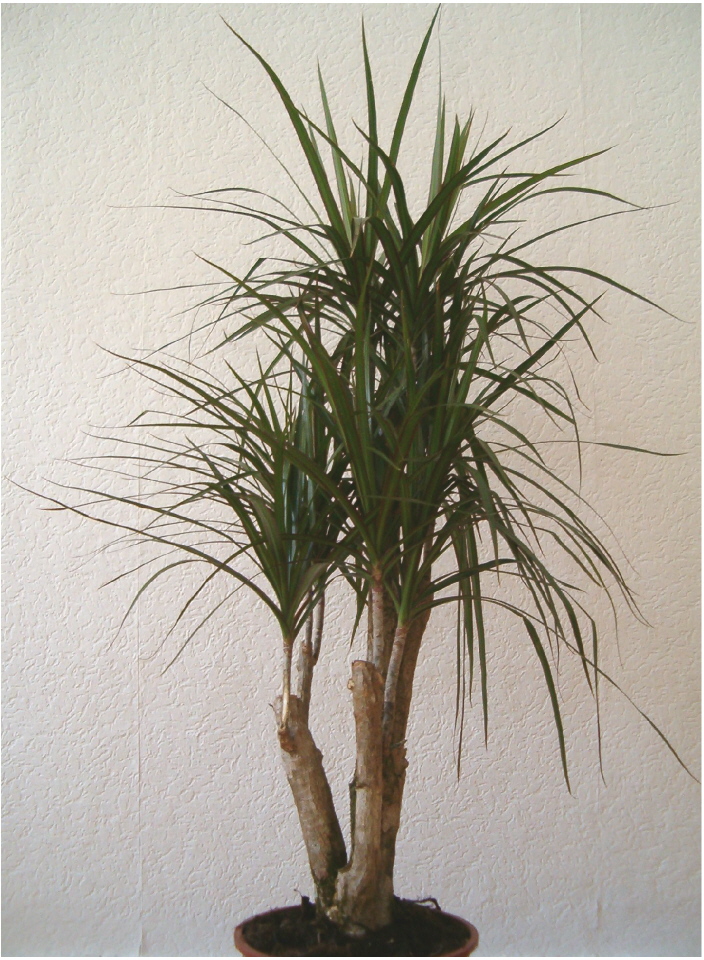
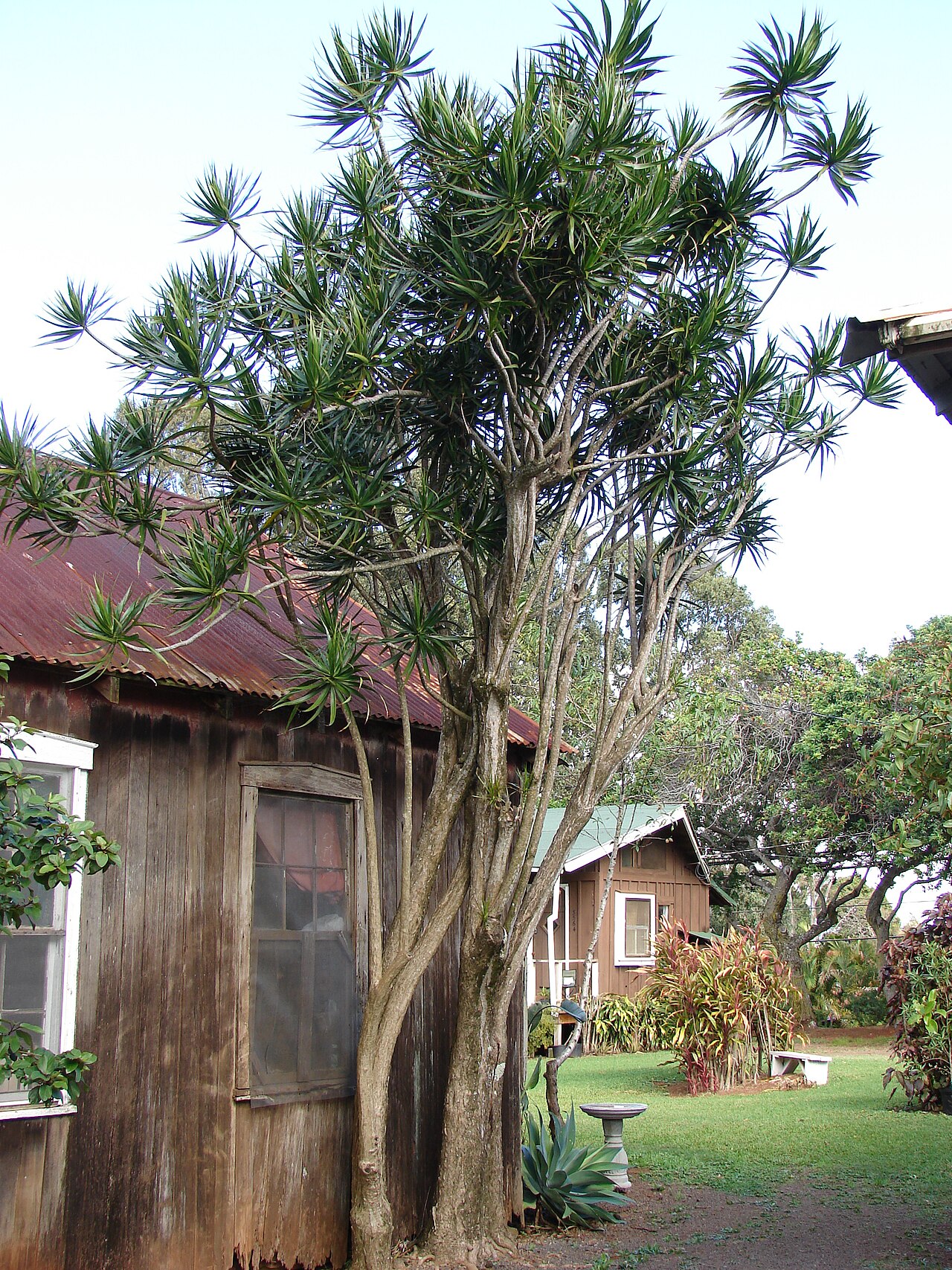
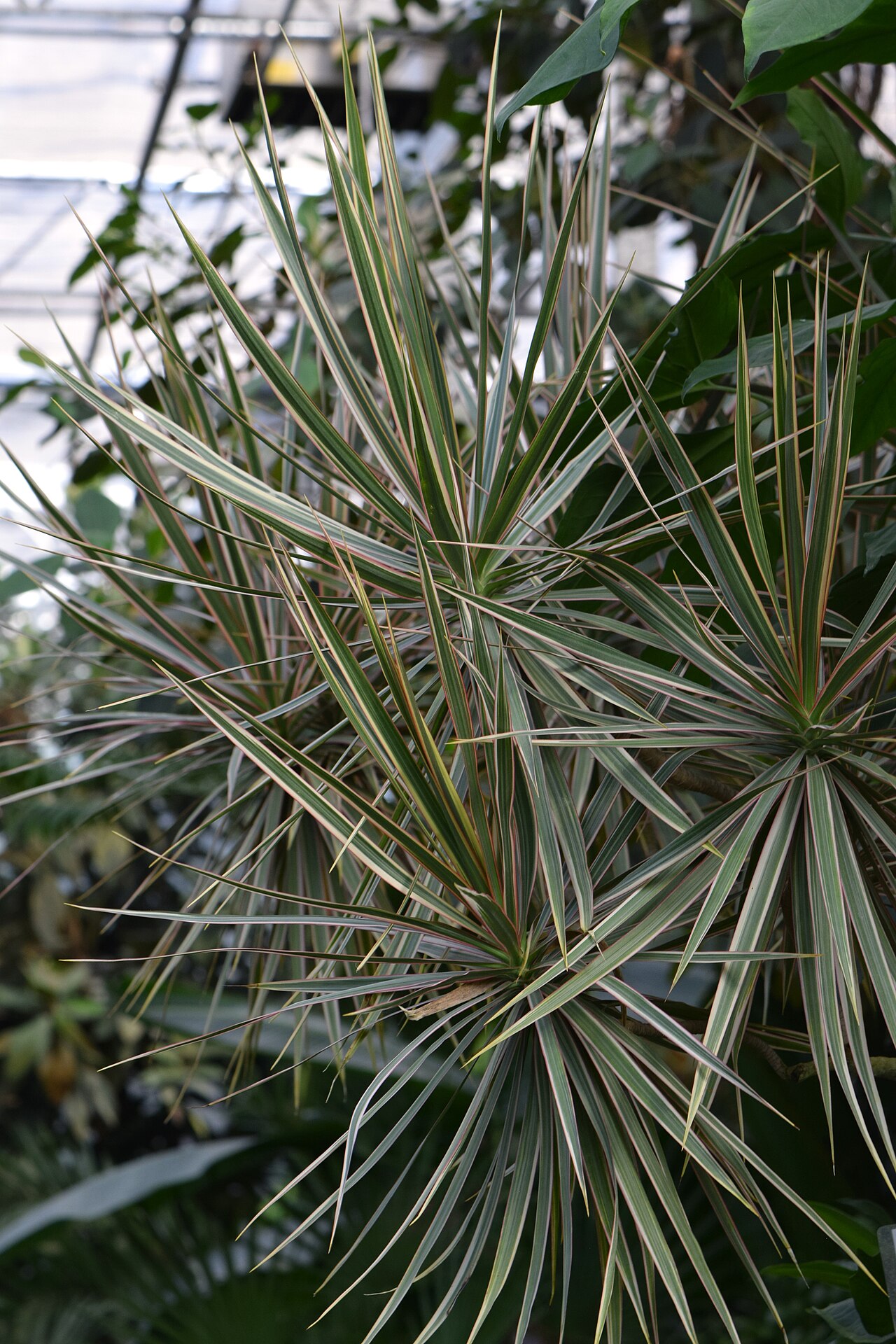
The dragon tree, botanically Dracaena, is one of the easiest to care for and, at the same time, most elegant foliage plants for the home. With its palm-like appearance, slender trunk, and sword-shaped leaves, it brings tropical flair into any room. There are more than 100 different species, with the most popular houseplant varieties being Dracaena marginata (Madagascar dragon tree) and Dracaena fragrans (corn plant). Especially practical: the dragon tree is extremely undemanding and forgives even longer dry spells — ideal for people without a green thumb or with frequently changing schedules.
Location Requirements
The dragon tree prefers a bright to partially shaded location without direct midday sun. A spot near an east- or west-facing window is ideal. Variegated varieties with yellow or red leaf margins need a bit more light, as they lose their coloring and “turn green” if kept in too dark a spot. Solid green varieties tolerate less light and thrive even in darker corners of a room.
The ideal temperature is between 18 and 24°C. In winter, it should not fall below 15°C. The dragon tree is relatively tolerant of temperature swings, but is sensitive to cold drafts — avoid locations near frequently opened windows. Dry heating air also bothers it, showing up as brown leaf tips. Regularly misting the leaves helps.
Watering: Less Is More
The dragon tree stores water in its trunk and roots and therefore gets by with surprisingly little water. The soil should dry out completely between waterings. Water about once a week in summer, and only every two to three weeks in winter. A reliable test: stick your finger deep into the soil — if it’s completely dry, it’s time to water.
The most common care mistake with the dragon tree is overwatering. Waterlogging inevitably leads to root rot, and once damaged, roots rarely recover. Make sure the pot has good drainage and consistently empty the saucer after watering. Brown or yellow leaves dying off from the bottom up are the classic sign of overwatering.
Fertilizing and Care
The dragon tree has moderate nutrient needs. During the growth phase from April to September, monthly fertilizing with a foliage plant fertilizer is entirely sufficient. In winter, fertilizing is stopped completely. Over-fertilizing shows up as brown leaf margins and a white salt crust on the surface of the soil.
Pruning and Shaping
The dragon tree can grow quite tall over time — heights of up to two meters indoors are not unusual. A bold pruning in spring keeps the plant compact and encourages branching. Simply cut the trunk back to the desired height. Within a few weeks, several new shoots will sprout from the cut, making the plant bushier and more attractive. The cut-off piece can be used as a cutting for propagation.
Repotting and Propagation
The dragon tree grows relatively slowly and only needs to be repotted every two to three years. The best time is spring. Use well-draining potting soil with a good proportion of sand or perlite. The new pot should be only slightly larger.
The easiest way to propagate it is with tip cuttings. Cut off the top 10–15 cm of the trunk, remove the lower leaves, and place the cutting in a glass of water. Roots form after three to four weeks, and the young plant can then be potted in soil. Sections of trunk about 10 cm long, laid horizontally in moist soil, also root reliably.
Pests and Problems
| Symptom | Cause | Remedy |
|---|---|---|
| Brown leaf tips | Dry air or fluoride in the water | Mist regularly; use filtered water |
| Yellow, falling leaves | Overwatering | Let the soil dry out; water less |
| Soft, mushy spots | Root rot | Repot; remove rotten roots |
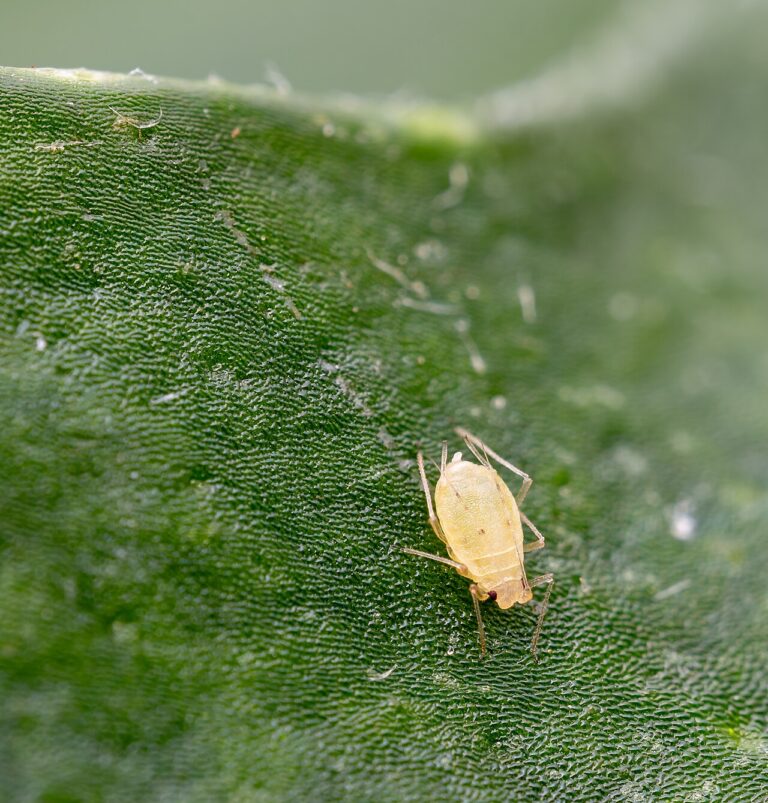
| Spider mites | Air too dry | Keep soil moist; rinse leaves off |
| Drooping leaves | Temperature fluctuations | Optimize the location |
Warning: Toxic to Pets
All Dracaena species contain saponins, which are toxic to cats and dogs. Signs of poisoning include vomiting, diarrhea, and excessive drooling. Keep the plant out of reach of pets.
Conclusion: The Ideal Beginner’s Plant
The dragon tree combines elegance, resilience, and easy care like almost no other houseplant. It forgives the occasional missed watering and thrives even in less-than-ideal locations. For best results, we recommend monthly fertilizing with a good foliage plant fertilizer. With its exotic look and easygoing nature, the dragon tree is the perfect choice for anyone who wants lots of greenery with very little effort.