How to Propagate Succulents from Leaves
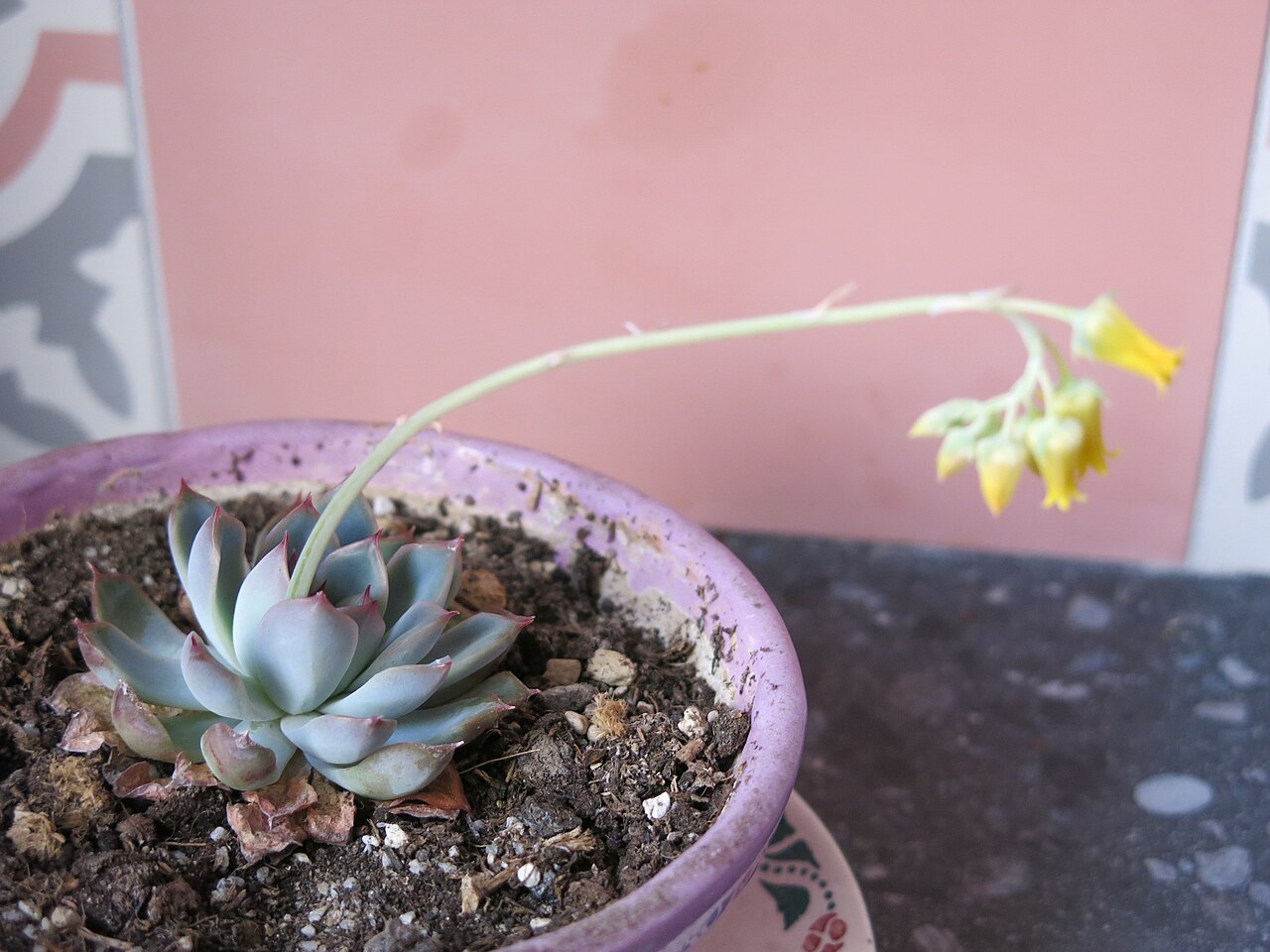
Leaf propagation is one of the most satisfying ways to multiply succulents, turning a single healthy leaf into a whole new plant for free. It takes patience — several weeks to a couple of months — but the process itself is simple and requires no special equipment. Here’s how to do it properly, and which succulents actually cooperate.
Step 1: Remove a Healthy Leaf
Choose a plump, undamaged leaf from lower on the rosette or stem. Gently wiggle it side to side until it detaches cleanly from the stem — the leaf needs to come away whole, with its base intact, or it won’t be able to grow roots. A leaf that snaps in half instead of popping off cleanly usually won’t propagate successfully.
Step 2: Let It Callus
Set the leaf on a paper towel or dry tray, out of direct sun, for one to three days until the cut end forms a dry, callused seal. This step matters: planting a fresh, open wound directly into moist soil invites rot before roots ever have a chance to form.
Step 3: Lay It on Well-Draining Mix
Lay the calloused leaf flat on top of a well-draining succulent or cactus mix — don’t bury it. Mist the soil lightly every few days to keep it barely moist, never soggy. Roots typically emerge from the callused end within one to three weeks, followed by a tiny rosette or “pup” that draws energy from the original leaf as it grows.
Step 4: Wait, Then Separate
Keep the setup in bright, indirect light while the pup develops — direct hot sun can scorch a leaf with no root system yet to support it. The original mother leaf will shrivel and dry up as it feeds the new plant; don’t remove it early. Once the pup has a small root system and the mother leaf is fully dried out, you can gently separate it and pot it up on its own.
Which Succulents Propagate Well From Leaves
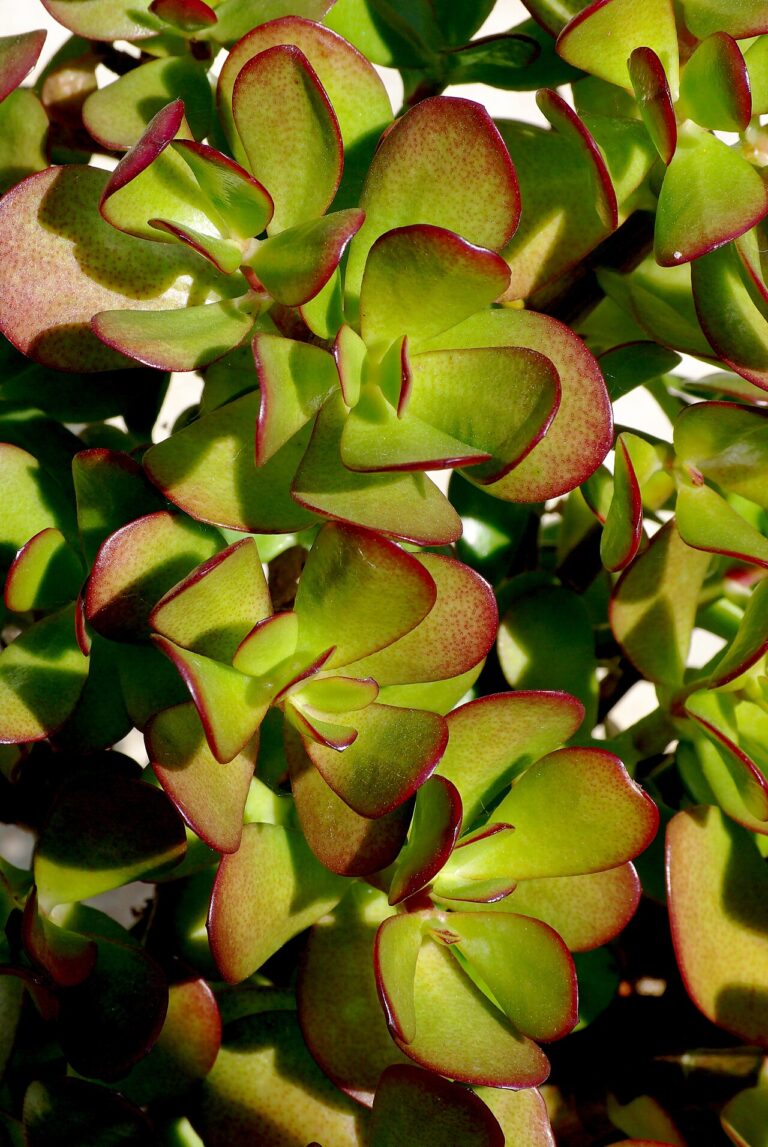
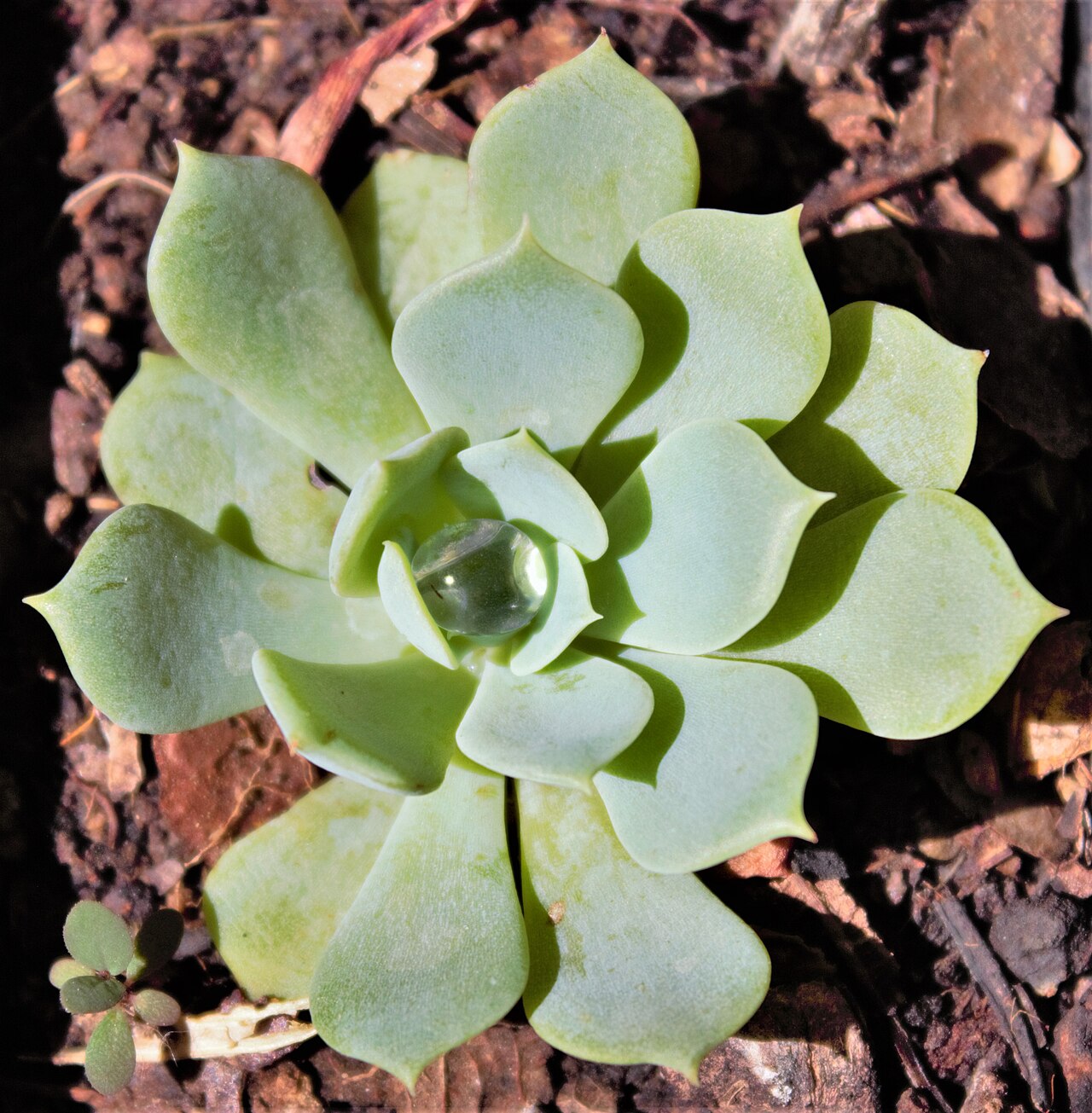
Echeveria, graptopetalum, sedum, and pachyphytum are among the most reliable candidates, since their leaves detach cleanly and readily form pups. Many crassula species, including jade plant, also do well. Haworthia and gasteria, on the other hand, are poor candidates — their thick, fleshy leaves tend to rot before rooting, and these are much better propagated by division of offsets or by rooting a stem cutting instead. Aloe is similar: division works far better than leaf cuttings.
Common Mistakes
- Overwatering the tray, which causes leaves to rot instead of root.
- Burying the leaf in soil instead of laying it on the surface.
- Skipping the callusing step and planting a fresh cut.
- Using leaves that were damaged or snapped rather than cleanly removed.
- Giving up too early — some species take six to eight weeks before visible roots appear.
Expect a fairly low success rate on your first attempts — even experienced growers lose some leaves to rot or leaves that simply never root. Propagating a dozen leaves at once and expecting several to succeed is a more realistic approach than pinning your hopes on just one or two.