Water Quality for Plants: Tap Water, Rainwater, or Distilled?
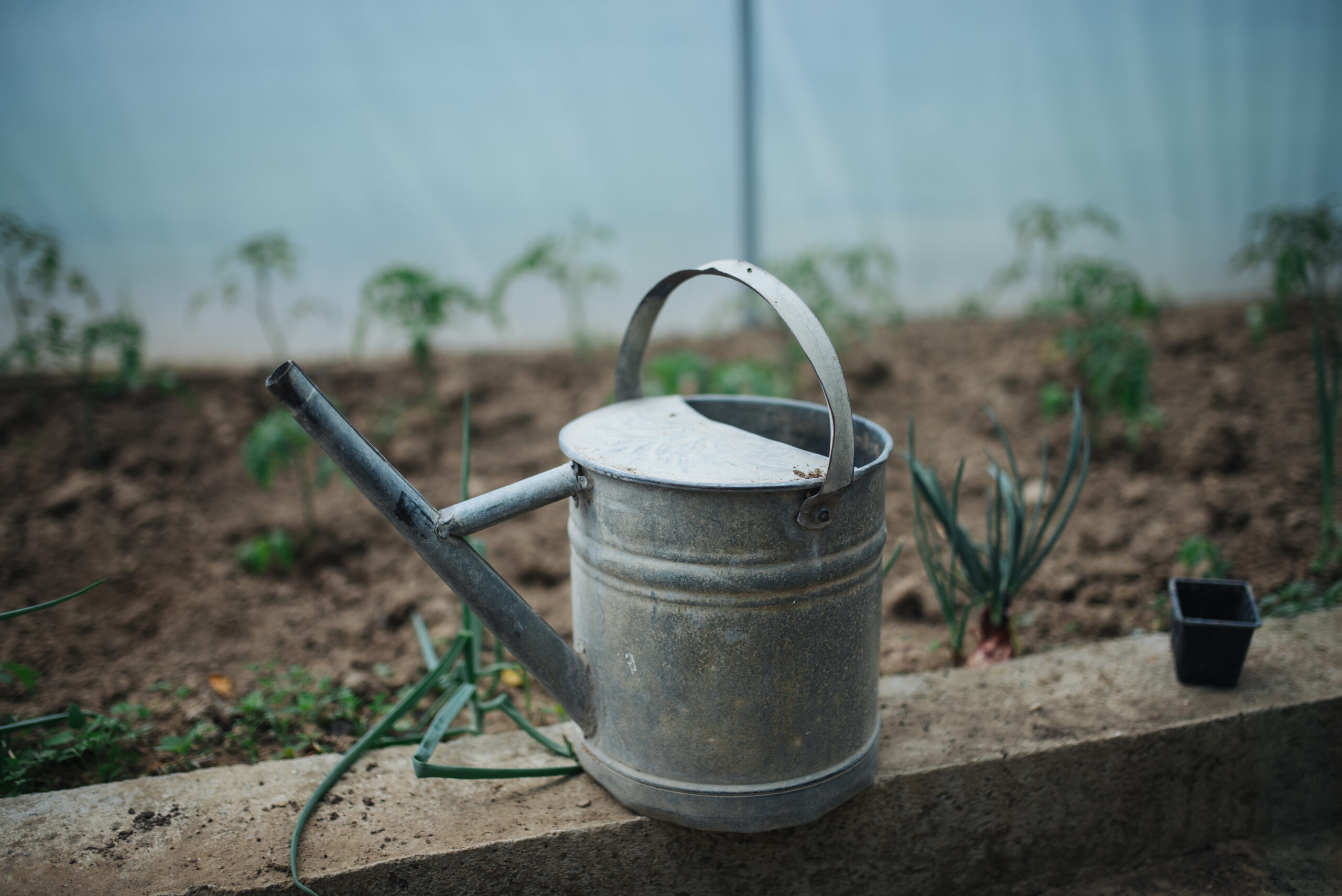

Most houseplants tolerate ordinary tap water just fine, but a subset of sensitive species can develop brown leaf tips, stunted growth, or dull foliage from minerals and additives that build up in the soil over time. Understanding the differences between tap water, rainwater, and distilled water helps you decide when it’s worth changing what comes out of your watering can.
Tap Water
Tap water is convenient and, for the vast majority of houseplants, perfectly adequate. It typically contains chlorine or chloramine for disinfection, along with dissolved minerals like calcium and magnesium depending on local water hardness. Letting tap water sit uncovered for 24 hours allows chlorine (though not chloramine) to dissipate. Over months and years, mineral salts can accumulate in the soil and show up as a white crust on the soil surface or pot rim, and as browning tips on sensitive plants such as prayer plants, calatheas, dracaenas, and spider plants.
Rainwater
Rainwater is naturally soft, free of chlorine and added minerals, and slightly acidic, which makes it an excellent choice for acid-loving and salt-sensitive plants. Collecting it in a clean barrel or bucket set outside during rain is simple and free. The main caution is cleanliness: use a container that doesn’t leach chemicals, and avoid water that has run off a roof treated with chemicals or moss killer.
Distilled and Reverse-Osmosis Water
Distilled and reverse-osmosis water have virtually all minerals and impurities removed, which is ideal for the most sensitive plants, such as carnivorous species that are actively harmed by mineral buildup. The tradeoff is that these purified waters also lack the trace minerals plants use as micronutrients, so if you rely on them exclusively for fertilized plants, make sure your fertilizer supplies a complete nutrient profile.
Softened Water: One to Avoid
Water run through a home water softener has calcium and magnesium exchanged for sodium, and sodium is toxic to plants in even moderate amounts. If your household uses a softener, draw plant water from an unsoftened tap, such as an outdoor spigot, whenever possible.
Which Should You Use?
For most common houseplants, tap water left to sit overnight is perfectly fine. Reserve rainwater or distilled water for plants known to be salt-sensitive, for carnivorous plants, or if you notice persistent tip burn despite otherwise good care. Whichever source you use, flushing the soil thoroughly every couple of months by running extra water through the pot helps carry accumulated salts out through the drainage holes.
This article may contain affiliate links. If you purchase a product through one of these links, Plantgecko may earn a commission at no extra cost to you. This never influences our editorial independence or which products we recommend.