How Often Should You Water Houseplants? A Practical Guide
There’s No Single Answer
One of the most common houseplant mistakes is watering on a fixed schedule, like every Sunday, regardless of what the plant actually needs. In reality, how often a houseplant needs water depends on the species, pot size and material, soil type, light levels, humidity, and season. Rather than a strict calendar, the goal is learning to read each plant’s soil and its individual signals.
Factors That Change Watering Frequency
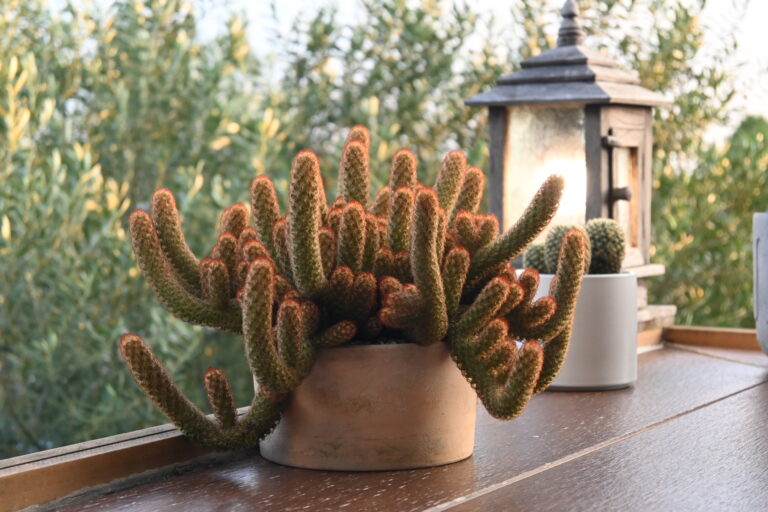
- Plant type: Succulents and cacti store water in their tissue and may only need watering every 2-4 weeks, while ferns and tropical foliage plants like calathea often want consistently moist soil and more frequent watering.
- Pot material: Terracotta is porous and dries out faster than glazed ceramic or plastic pots, which retain moisture longer.
- Light and season: Plants use more water during active growth in spring and summer under bright light, and much less during dormancy in fall and winter.
- Humidity and airflow: Dry indoor air, especially from heating or air conditioning, speeds up soil moisture loss compared to humid environments.
How to Check If a Plant Needs Water
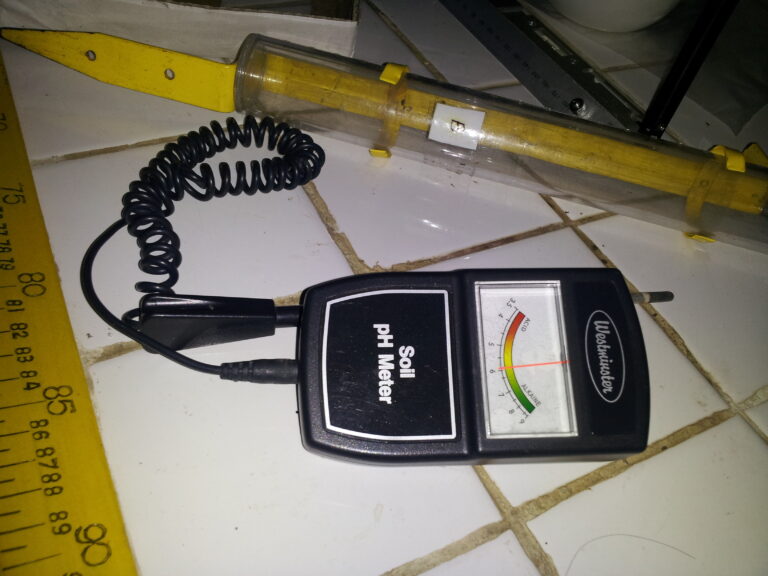
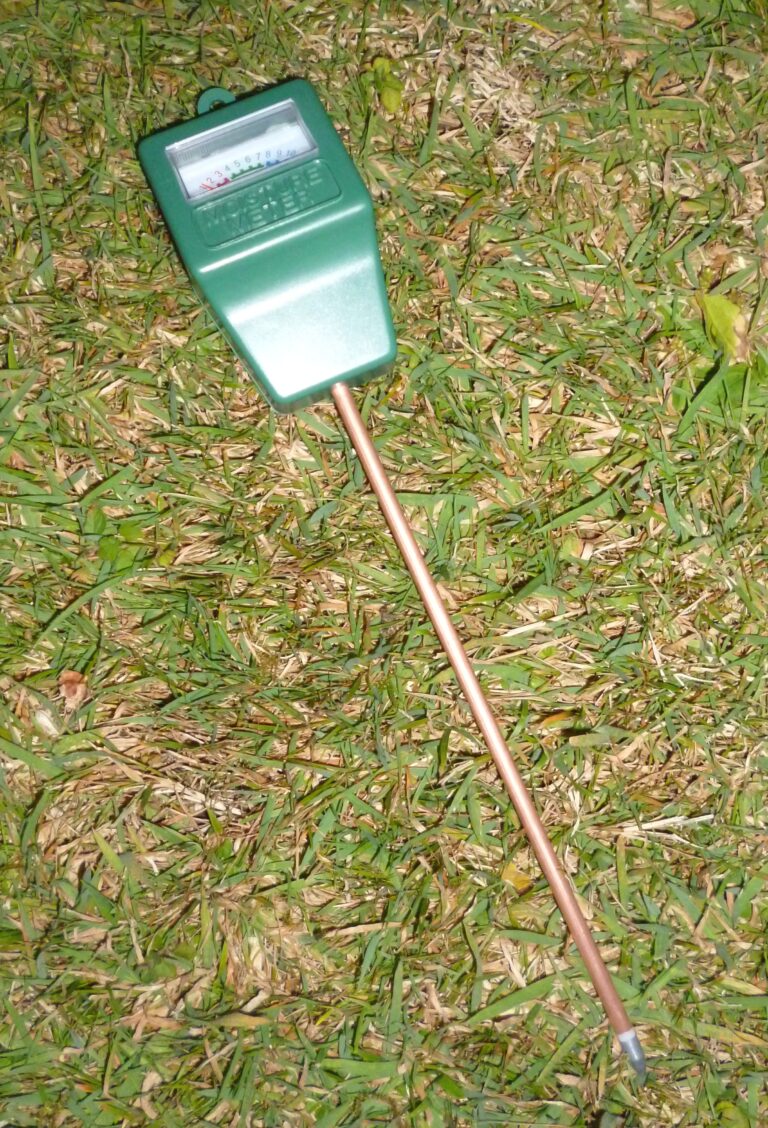
The most reliable method is the finger test: insert a finger 2-3 cm into the soil. If it feels dry at that depth, it’s time to water; if it feels moist, wait a few more days and check again. For plants that prefer to dry out more between waterings, such as succulents, check closer to the bottom of the pot. A moisture meter or simply lifting the pot to judge its weight (light means dry) are useful alternatives, especially for larger containers where the finger test doesn’t reach deep enough.
How to Water Properly
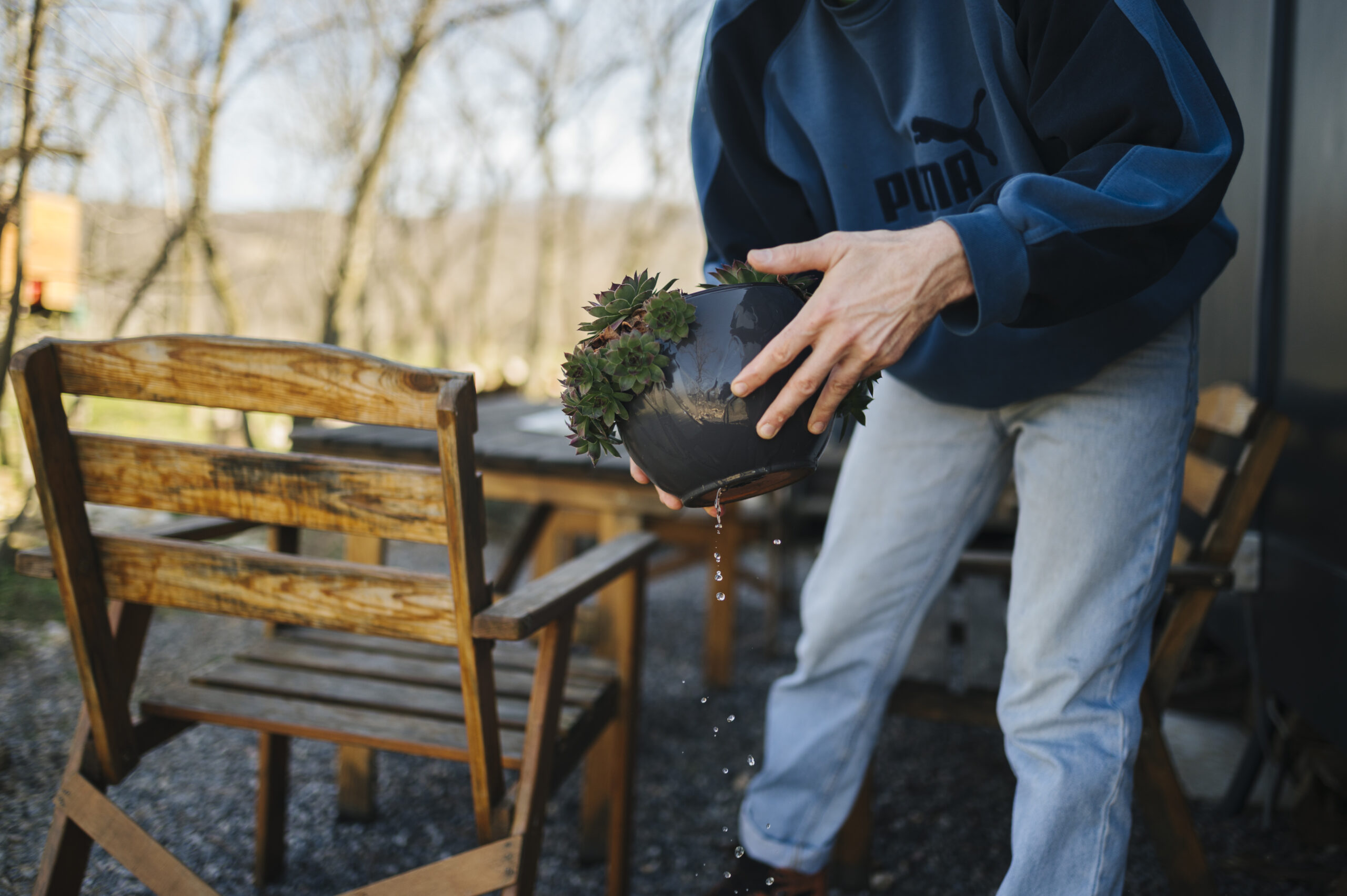
When you do water, water thoroughly until it runs from the drainage holes, then let any excess drain away completely rather than letting the pot sit in standing water. This encourages roots to grow throughout the pot and flushes out excess mineral salts from fertilizer and tap water. Light, frequent sprinklings that only wet the top layer of soil encourage shallow root growth and are a common cause of chronic underwatering, even when a plant is technically watered often.
Signs of Over- and Underwatering
- Overwatering: Yellowing leaves, soft or mushy stems, a persistently soggy smell, and root rot are classic signs. Overwatering is the most common cause of houseplant death.
- Underwatering: Dry, crispy leaf edges, drooping or wilting, and soil that pulls away from the sides of the pot indicate the plant needs water more often or in larger amounts.
Rather than memorizing a watering schedule, get to know each plant’s preferences by checking the soil regularly. Within a few weeks, you’ll develop an instinct for exactly how often each houseplant in your collection actually needs water.
This article may contain affiliate links. If you purchase a product through one of these links, Plantgecko may earn a commission at no extra cost to you. This never influences our editorial independence or which products we recommend.