Root Rot in Houseplants – How to Recognize, Treat, and Prevent It
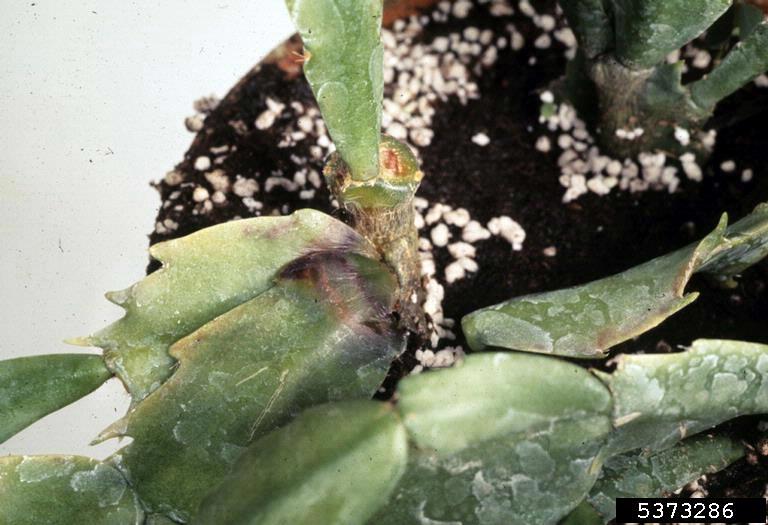
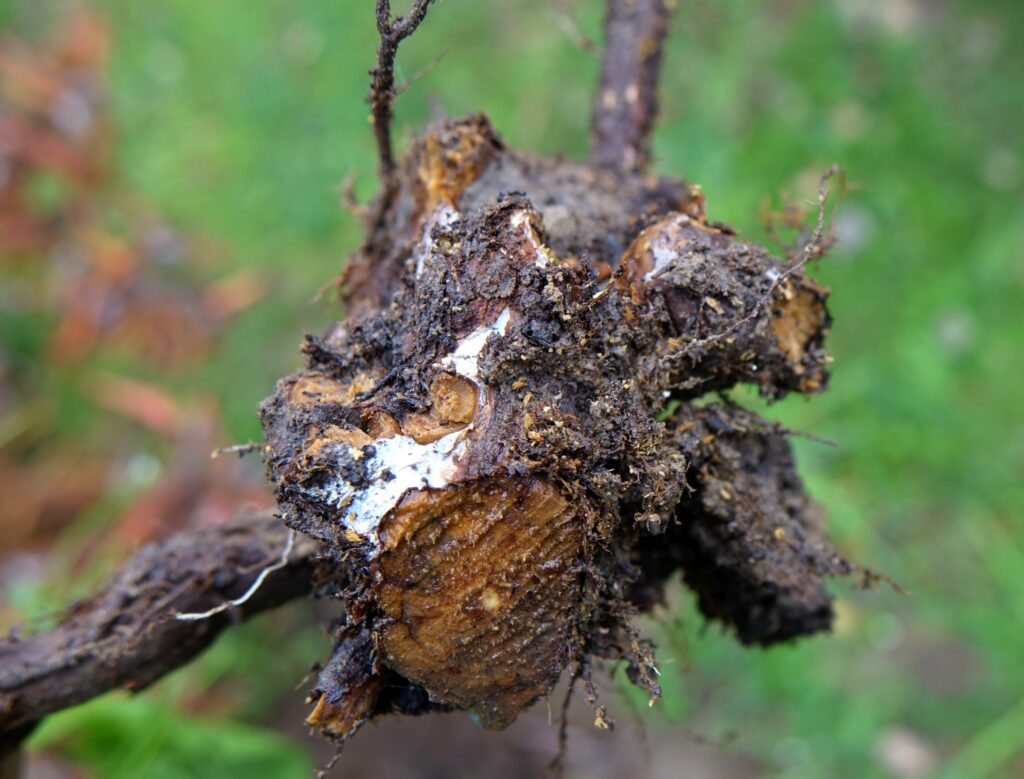
Root rot is the silent killer among plant diseases. Above ground, the plant shows vague symptoms — while below, in the pot, the roots are dying off. Anyone who knows the warning signs and acts quickly can save many plants that seem beyond saving.
How to Recognize Root Rot
The tricky part: symptoms above the soil are easy to mistake for dryness or nutrient deficiency. Typical signs are wilted, limp leaves despite moist soil — the roots can no longer absorb water. Leaves turn yellow, then brown, and the plant visibly droops. A clear giveaway is a foul, musty smell when you sniff the soil.
To be sure, take the plant out of its pot: healthy roots are light-colored, firm, and springy. With root rot, they’re brown, mushy, and fall apart at the touch, with that same unpleasant smell.
Causes: Almost Always Too Much Water
Root rot develops when roots are deprived of oxygen for too long because the substrate stays too wet. Common causes: overwatering (watering too often, not necessarily too much at once), lack of drainage in the pot, water pooling in outer pots, soil that’s too dense and heavy without any drainage material, or a pot that’s too large, so the substrate never fully dries out. Weakened or damaged roots are especially vulnerable.
Rescue Steps: What to Do
Your chances of recovery depend on the stage. If at least a third of the root ball is still healthy, the odds are good.
- Remove the plant from its pot and gently clear away all the old soil from the roots
- Cut back all brown, mushy roots with sharp, disinfected scissors until you reach healthy tissue
- Soak the root ball for 15 minutes in a hydrogen peroxide solution (3%, diluted 1:2 with water) to disinfect it
- Prepare a fresh pot with good drainage and a well-draining substrate
- Repot the plant and water only lightly — the substrate needs room to breathe
Aftercare and Prevention
Place the plant in a bright, warm spot with indirect light. Don’t water again until the top 3 cm of substrate is dry. Watch it closely for the next 2 months. Once new leaves appear, the crisis is over.
The best prevention: the finger test before every watering! Stick your finger 3 cm into the soil — if it feels moist, hold off on watering. Pots with drainage holes are a must. And water less overall in winter, since the substrate dries more slowly.